US Issues New Travel Advisory Warning Tourists About a Mistake That Could Lead to 10 Years in Prison


Packing a joint for your Thailand vacation? That habit just became a federal risk. The State Department issued a fresh warning this month telling Americans that carrying cannabis buds across Thai borders can now trigger criminal charges, not just a confiscation. The new customs rule, in effect since June 17, closes a loophole that once let travelers walk away with nothing worse than an empty pocket. Miss this update, and your trip could end at airport security instead of the beach.
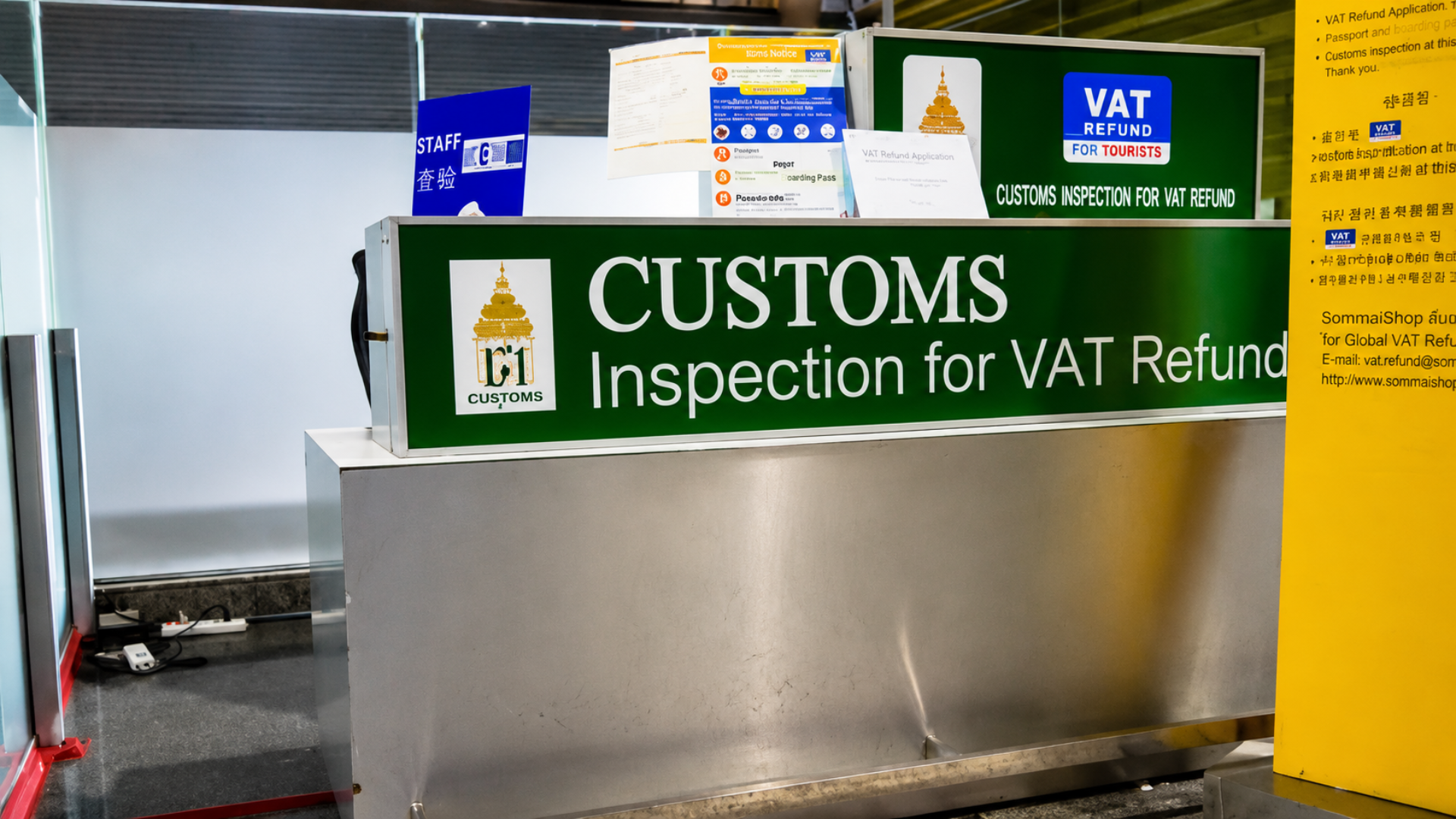
Before this year, Thai customs officers treated cannabis buds found in a traveler’s bag as a simple confiscation matter, no charges, no court date. That changed on June 17, 2026, when Thailand reclassified cannabis buds as a fineable offense under Section 244 of its Customs Act. Anyone caught importing, exporting, or attempting to dodge the rule now faces up to 10 years in prison, a fine reaching 500,000 Thai baht (about $15,000), or both. The shift caught many longtime visitors off guard.
The State Department’s advisory makes one thing clear: American citizenship offers no protection once you’re on Thai soil. U.S. officials warned that they cannot guarantee an arrested traveler’s release, and local law applies regardless of home-country rules. That warning matters because Thailand spent years building a reputation as Asia’s cannabis-friendly outlier. Understanding how the country got here explains why the rule change hit so many travelers by surprise.
How a Cannabis-Friendly Reputation Turned Into a Legal Minefield

Thailand made history in 2022 as the first Asian country to decriminalize cannabis, sparking a wave of dispensaries and cementing its status as a haven for recreational users. That openness didn’t last. Last year, the government reversed course, requiring a doctor’s prescription for any purchase and limiting use strictly to medical purposes. Public Health Minister Somsak Thepsutin summed up the new stance in a statement to CNN, saying tourists remain welcome to enjoy Thai culture and nature, just not as a cannabis destination.
The new customs rule targets a specific gap: travelers who assumed a small amount of cannabis meant a minor inconvenience if caught. That assumption no longer holds. Officials now advise never packing, carrying, or transporting cannabis products in carry-on or checked luggage under any circumstance, even with a valid Thai prescription. Travelers are also warned against carrying luggage or packages for someone else, since customs enforcement doesn’t distinguish between owners and couriers when contraband turns up in a bag.
Cannabis isn’t the only rule tourists need to relearn. Two months before this customs update, Thailand’s Alcoholic Beverage Control Committee eased its own controversial restriction, restoring alcohol sales between 11 a.m. and midnight after a six-month experiment with an afternoon ban. The timing reflects a pattern: Thai regulators have adjusted tourist-facing rules in rapid succession this year, leaving visitors who rely on outdated blog posts increasingly exposed to costly mistakes.
The Fine Print Most Tourists Never Read Before Boarding
Under current law, licensed retailers, restaurants, and authorized venues can sell alcohol to tourists only within that 11 a.m. to midnight window, with violations carrying fines up to 10,000 Thai baht ($300) per offense. Exceptions exist: hotels, nightclubs, and duty-free shops inside international airport terminals may sell around the clock depending on their individual licensing. Public spaces, public transportation, and petrol stations remain off-limits entirely, and the legal drinking age stays fixed at 20 nationwide.
Alcohol sales also shut down completely during five major Buddhist holidays and on every election day, each restriction lasting a full 24 hours. Local police have full authority to detain and fine tourists caught drinking underage, and repeated or severe violations can escalate quickly. Consequences range from criminal charges to passport flagging, deportation, and a temporary ban on re-entering the country. None of these penalties require intent to break the law, only the act itself.
Despite the stricter cannabis and alcohol enforcement, the State Department actually lowered Thailand’s overall travel advisory to Level 1, its safest rating, on July 7. Most of the country now falls under standard “exercise normal precautions” guidance. Two exceptions remain at Level 2: the Thai-Cambodian border, due to the risk of armed conflict, and the southern provinces of Yala, Pattani, and Narathiwat, where unrest limits emergency assistance. Safety, it turns out, isn’t the only thing tourists need to watch for.
The One Habit That Keeps Tourists Out of Trouble

Beyond legal pitfalls, tourists face a steady stream of scams built specifically around unfamiliarity. Pickpocketing, bag snatching, and burglary remain common in crowded areas, alongside rarer but serious incidents of sexually motivated violence near nightlife districts. Taxi and tuk-tuk drivers sometimes inflate fares or refuse short trips, so travelers are advised to insist on the meter or agree on a price before the ride begins. Fake tour operators, unlicensed visa brokers, and rental scams that hold passports hostage round out the list.
Airport arrivals carry their own risk of exploitation, which is why officials recommend sticking to official channels: the designated pick-up area, the Airport Rail Link, registered ride-hailing apps like Grab, or a hotel’s own transport service. Enrolling in the State Department’s Smart Traveler Enrollment Program before departure gives travelers direct access to security updates and makes it easier for consular staff to reach them during an emergency. Small precautions like these prevent the majority of avoidable incidents.
None of these rules are secret, and none require special knowledge to follow. Thailand has simply stopped tolerating outdated assumptions about how cannabis, alcohol, and border enforcement work, replacing years of loose enforcement with real consequences. Travelers walking through customs without incident this summer aren’t lucky. They read the update, packed accordingly, and left old ideas about “relaxed” Thai law at home, along with anything that could turn a beach vacation into a decade behind bars.