U.S. Hiring Slows as Companies Pull Back on Recruitment To Absorb Double Price Shock


The U.S. labor market is no longer producing jobs at the pace seen during the post-pandemic recovery. While unemployment remains relatively low and widespread layoffs have yet to materialize, businesses across multiple sectors are slowing recruitment and delaying expansion plans. Economists describe the current environment as a labor market that is weakening gradually rather than collapsing, with employers becoming increasingly cautious about taking on new costs amid growing economic uncertainty.
Two Cost Pressures Are Hitting Businesses At Once

At the center of that caution is what many executives describe as a double price shock. Companies are confronting higher labor expenses after years of wage growth and worker shortages, while also facing rising energy and transportation costs linked to instability in the Middle East and concerns about oil supplies. For many businesses, these pressures are arriving simultaneously, forcing difficult decisions about where spending can be reduced without damaging core operations.
Why Oil Prices Matter Far Beyond Gas Stations
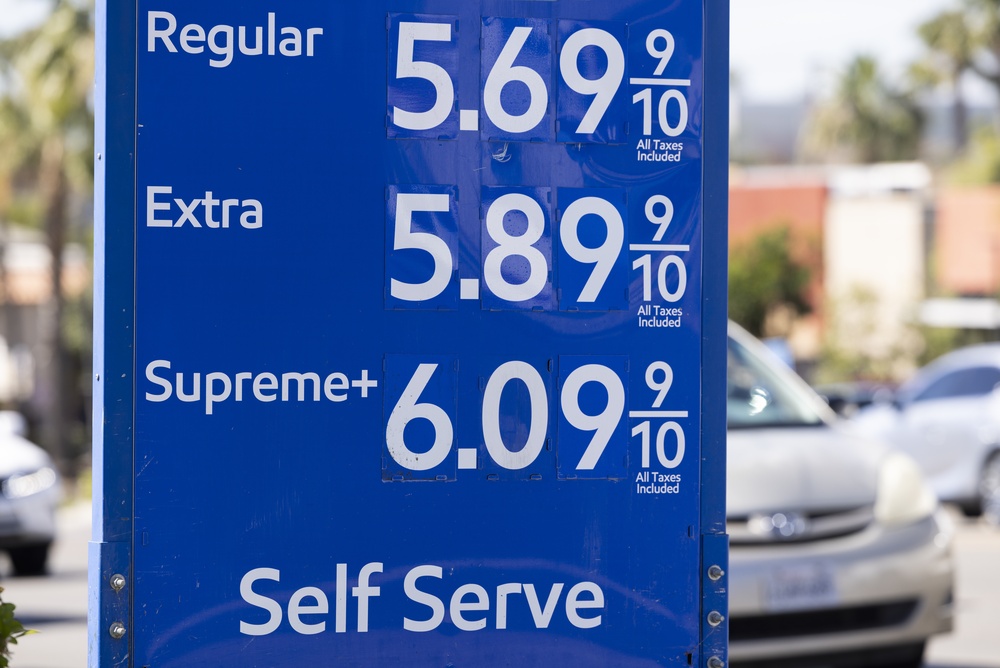
Energy costs affect nearly every corner of the economy. Oil prices influence trucking rates, airline fuel expenses, manufacturing inputs, packaging materials, warehouse operations, and agricultural production. When crude prices rise because of geopolitical tensions, the impact extends well beyond drivers filling up their vehicles. Businesses that depend on moving goods through complex supply chains often see costs increase long before consumers notice changes at the gas pump. According to International Monetary Fund analysis, sustained energy-price shocks can raise inflation while slowing economic growth by increasing costs throughout the economy.
The Iran Conflict Has Added A New Layer Of Uncertainty

Recent tensions involving Iran have heightened concerns about disruptions to global energy markets. Even when physical supplies remain available, uncertainty surrounding shipping routes, regional security, and future production can push energy prices higher. Markets tend to react not only to actual shortages but also to the possibility of future disruptions. That uncertainty makes forecasting costs more difficult for companies already operating on thin margins.
Hiring Often Becomes The First Expense To Slow
When businesses face rising costs, hiring is frequently one of the easiest areas to adjust. Reducing recruitment allows employers to preserve cash without imposing the disruption and morale damage associated with layoffs. Economists note that many companies are choosing to postpone filling open positions, reduce planned hiring targets, or extend recruitment timelines rather than immediately shrinking their workforce.
Consumers Feel The Same Cost Pressures

The same energy shock affecting businesses also reaches households. Higher fuel costs can translate into more expensive groceries, household goods, travel, and services. When consumers spend a larger share of their income on necessities, discretionary spending often weakens. Businesses then face a second challenge: not only are operating costs rising, but customers may also become more cautious about purchases, further reducing incentives to expand payrolls.
Employers Are Choosing Stability Over Expansion

One of the defining features of the current labor market is that companies are generally holding onto existing workers while limiting new hiring. Economists have described this as a “low-hire, low-fire” environment. Many employers remember the severe labor shortages that followed the pandemic and remain reluctant to lose trained employees. As a result, workforce growth is slowing even as layoffs remain relatively contained.
Small Businesses Are Particularly Vulnerable

Large corporations often have more resources to absorb temporary spikes in costs. Smaller businesses frequently do not have that flexibility. Rising transportation expenses, supplier price increases, insurance costs, and wage pressures can have a disproportionate effect on smaller firms operating with narrower margins. Surveys of business owners have shown increasing concern that uncertainty surrounding costs is making it harder to justify adding workers.
The Slowdown Is Not Yet A Recession

Despite signs of weaker hiring, many economists caution against viewing the labor market as being in crisis. Healthcare, government, and several service sectors continue to add jobs, while consumer spending remains positive in many parts of the economy. The current picture is better described as a broad slowdown than a sharp contraction. The concern is not that hiring has stopped entirely, but that momentum has faded considerably from the rapid pace seen in recent years.
What Businesses Are Watching Next

The next phase of the labor market may depend heavily on factors that extend far beyond human resources departments. Employers are closely monitoring oil prices, developments involving Iran and the broader Middle East, consumer spending patterns, inflation data, and Federal Reserve policy decisions. If energy costs stabilize and inflation continues to ease, companies may regain confidence to expand hiring. If cost pressures intensify, recruitment slowdowns could become one of the first warning signs of a broader economic downturn.