US Exits WHO as Flu Season Claims 10,000 Lives, Expert Calls It ‘Monumental Stupidity’
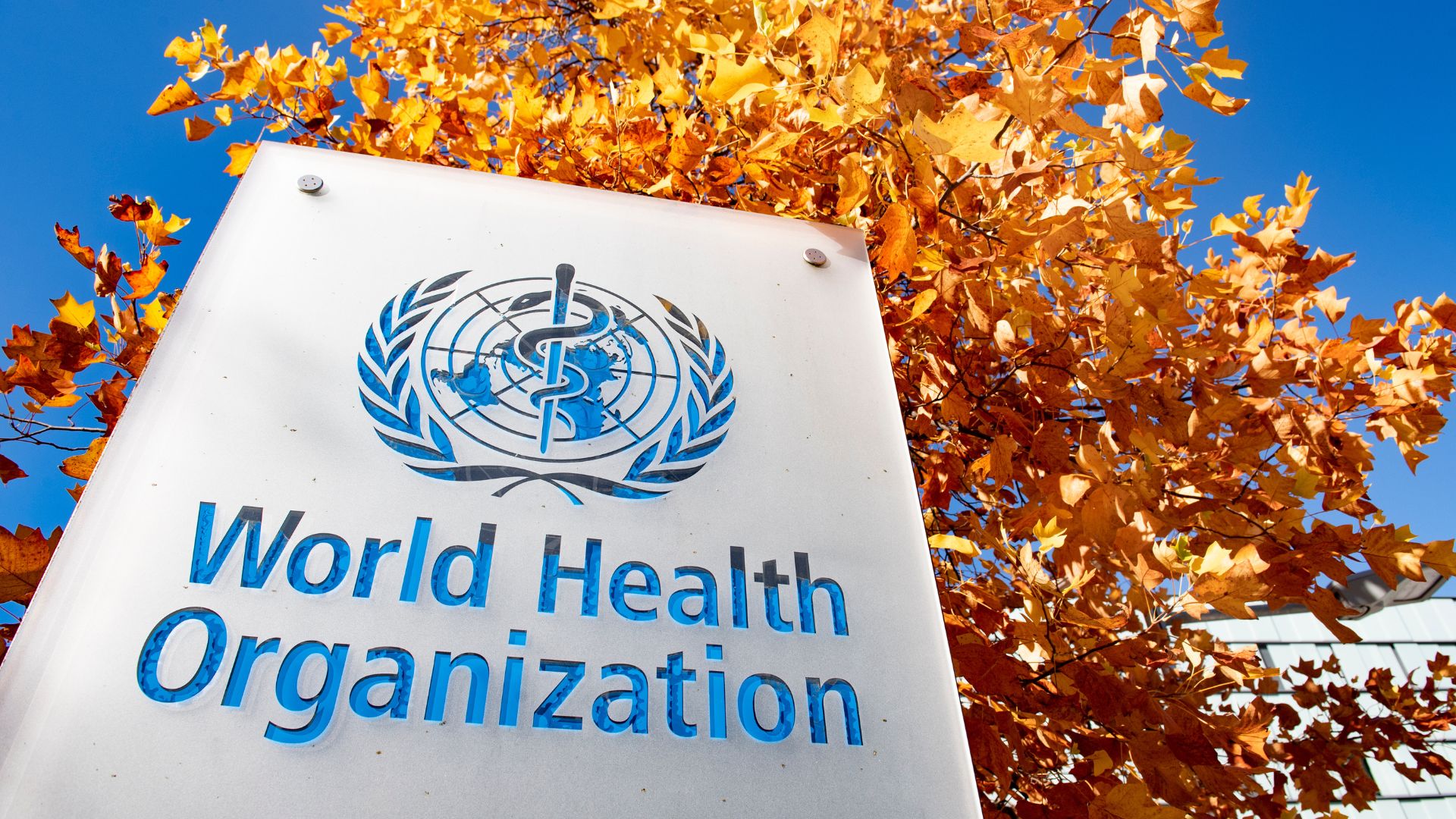

The United States officially withdrew from the World Health Organization on January 22, severing ties with the United Nations health agency. The Centers for Disease Control and Prevention estimates that 18 million Americans have been sickened by influenza so far this season, with nearly 10,000 deaths, including 32 children. Administration officials said the U.S. will work directly with other countries and private groups on global health matters instead of relying on WHO.
The Administration Cites COVID-19 Failures as Justification
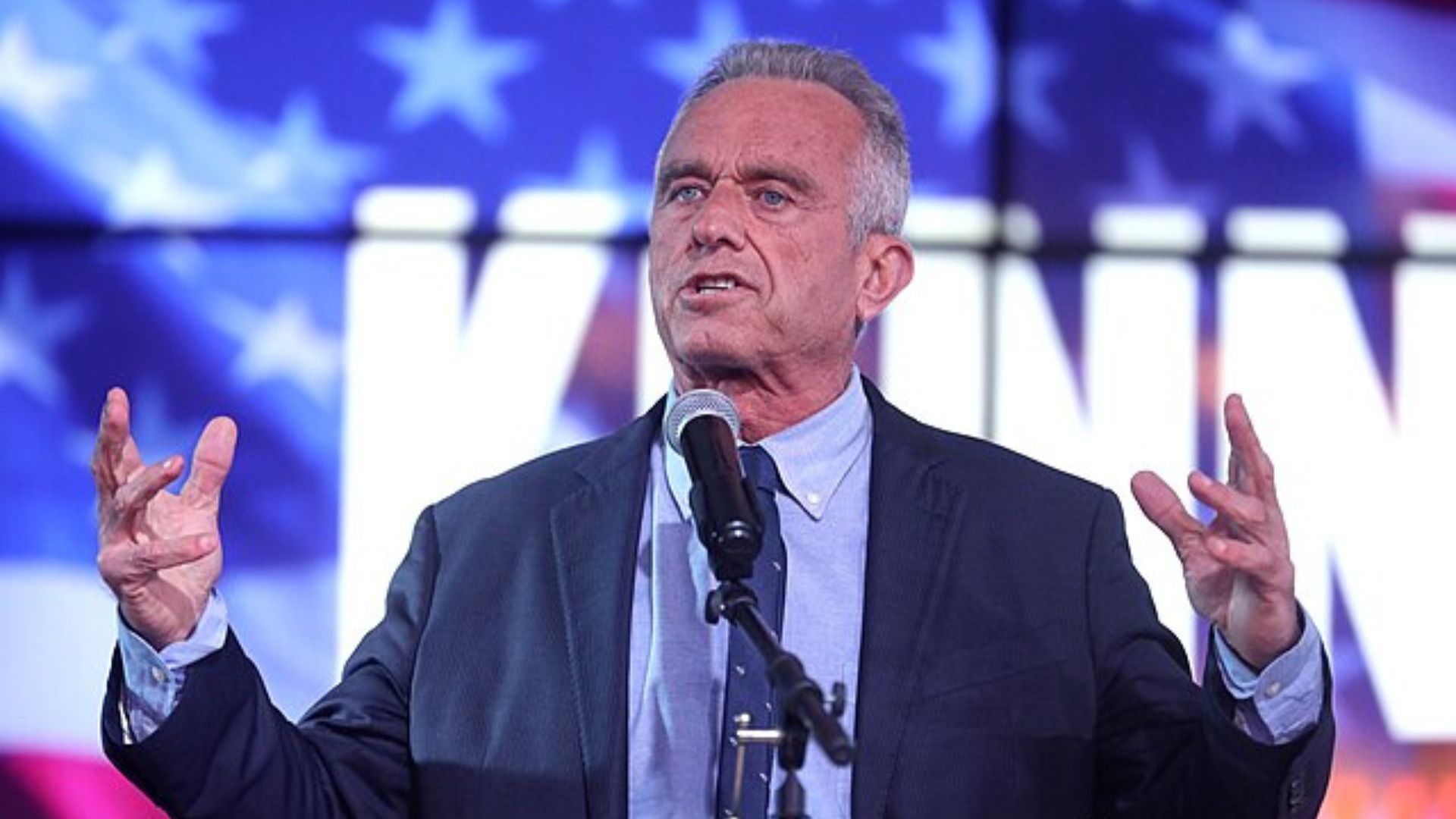
Health and Human Services Secretary Robert F. Kennedy Jr. and Secretary of State Marco Rubio released a joint statement claiming the WHO “tarnished and trashed everything that America has done for it.” The administration accused the organization of mishandling the COVID-19 pandemic, obstructing the timely sharing of critical information, and concealing failures. President Donald Trump signed an executive order initiating withdrawal in January 2025, which required a one-year notice period before the split became official.
WHO Director-General Calls U.S. Claims ‘Untrue’
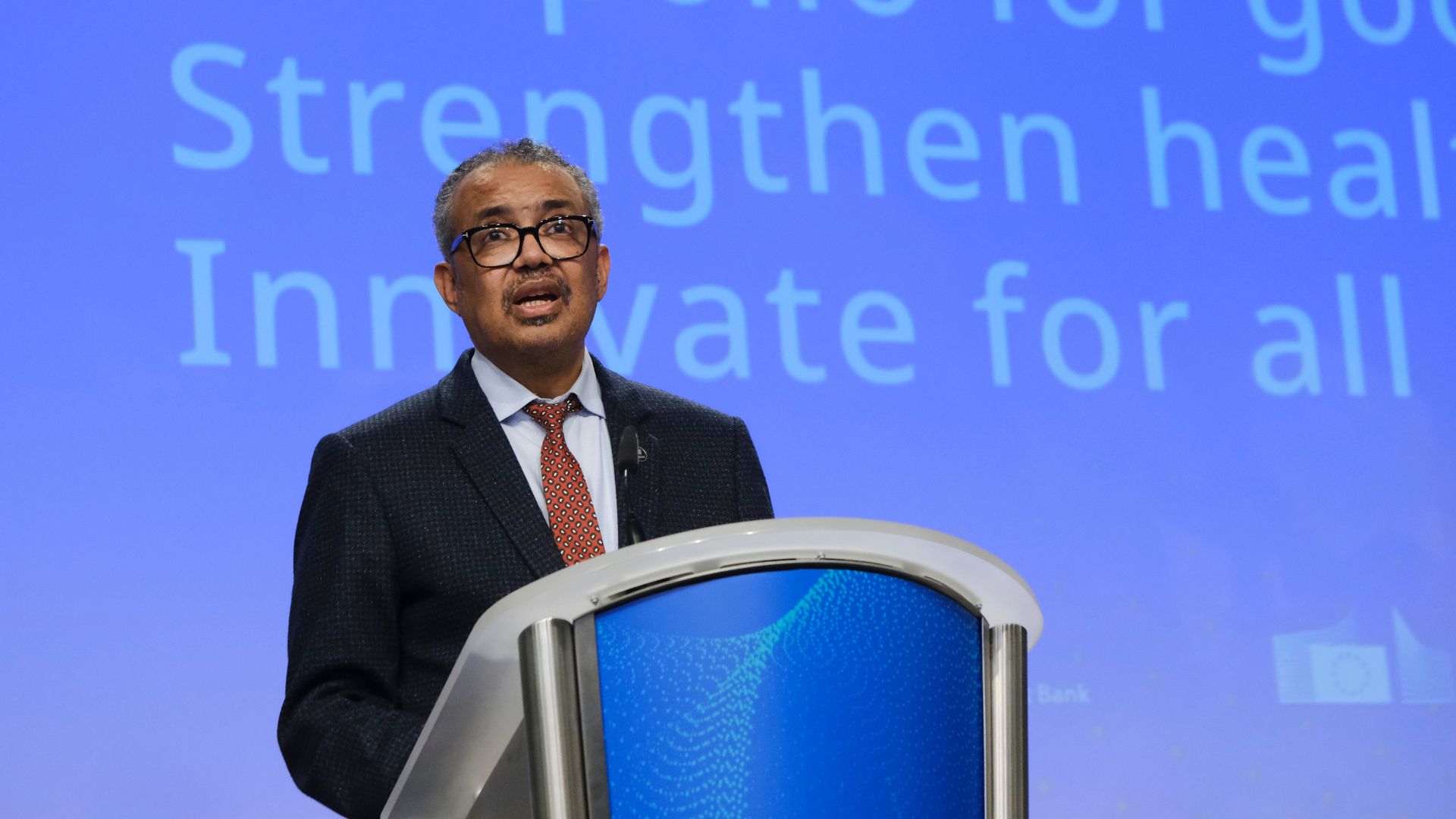
WHO Director-General Tedros Adhanom Ghebreyesus, who has led the organization since 2017, responded directly to the withdrawal on social media. “Unfortunately, the reasons cited for the US decision to withdraw from WHO are untrue,” Ghebreyesus posted. “The notification of withdrawal makes both the US and the world less safe.” In an official statement, the WHO asserted that throughout the pandemic, it “acted quickly, shared all information it had rapidly and transparently with the world.”
The U.S. Loses Access to 127 Global Disease Surveillance Labs

Jesse Bump, a global public health expert at the Harvard T.H. Chan School of Public Health, called the administration’s action “an act of monumental stupidity.” Bump explained that WHO operates a network of 127 laboratories worldwide that detect and sequence flu strains. “WHO is sort of like a library, and the U.S. has had a card to walk right in, get the information you want,” Bump said. “We no longer have access. We don’t have that library card.”
Critical Flu Vaccine Meeting Happens in Days Without U.S. Participation
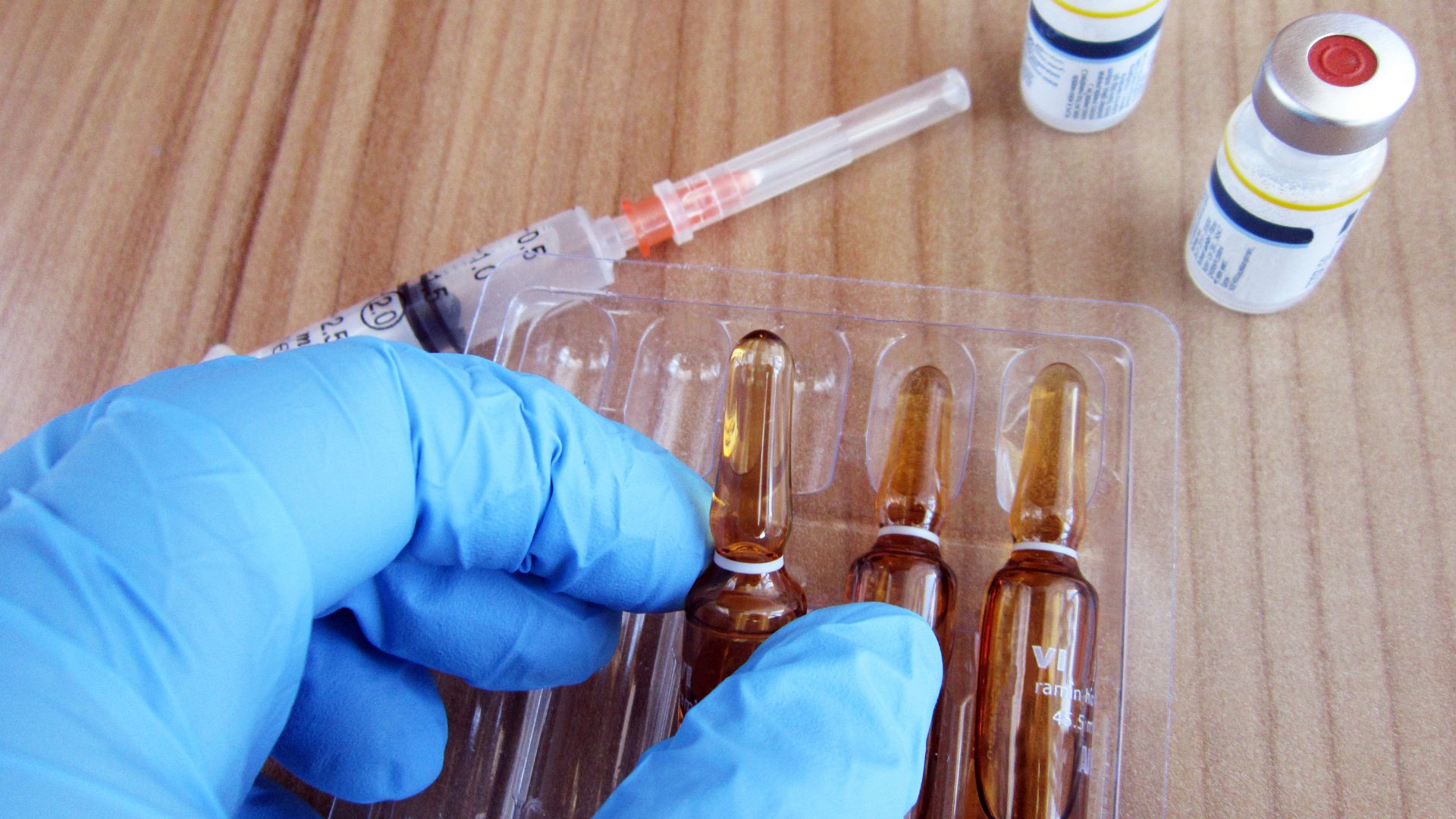
The withdrawal comes just ahead of an annual WHO meeting scheduled for February 27, where officials determine which influenza strains will be targeted in upcoming vaccine formulations. The U.S. has long played a major role in this meeting. HHS officials declined to say whether the U.S. will participate. The timing raises concerns, given that the H3N2 subclade K strain has dominated flu spread this year.
WHO COVID-19 Lead Disputes Deputy HHS Secretary’s Claims

Jim O’Neill, the deputy secretary of HHS and acting director of the CDC since August 2025, posted on social media that the U.S. withdrew from “the so-called World Health Organization,” claiming WHO ignored early COVID warnings from Taiwan in 2019 and promoted lockdowns. Maria Van Kerkhove, the WHO’s technical lead for COVID-19, called O’Neill’s statement “all untrue.” Van Kerkhove explained that WHO detected the Wuhan signal on December 31, 2019, and that Taiwan asked for information that same day rather than providing a warning.
The U.S. Owes $260 Million in Unpaid Fees
Washington has not paid its WHO membership fees for 2024 and 2025, with arrears estimated at $260 million. Although WHO lawyers suggest the U.S. is obliged to pay these fees, the administration has refused. The organization pointed out that the U.S. has traditionally been one of its biggest donors, and the funding cuts have already caused huge job losses at the WHO. All U.S. government funding to the organization has now been terminated.
Officials Cannot Name Alternative Partnerships for Disease Surveillance
HHS officials said the administration plans to rely on bilateral relationships with other countries, as well as partnerships with nongovernmental and faith-based organizations. However, when asked which specific countries the U.S. had established such links with, officials were unable to provide information. They also could not give details of any partnerships yet established or verify that partner organizations have the laboratory expertise needed to track emerging diseases. “We’ve done an analysis. We have plans in place,” a second official said.
Former Biden Official Warns Withdrawal Based on ‘Vendettas From Six Years Ago’

Stephanie Psaki, a distinguished senior fellow at the Brown University School of Public Health who served as coordinator for global health security during the Biden administration, expressed concern that the withdrawal leaves the U.S. more vulnerable than before the pandemic. “These decisions are not being made based on a strategy or a plan to protect Americans,” Psaki said. “They’re being made, it seems to me, based on frustrations or vendettas from six years ago. That is scary.”
Comparing Disease Outbreaks Becomes Nearly Impossible Without WHO

Dr. Judd Walson, chair of the department of international health at the Johns Hopkins Bloomberg School of Public Health, said it’s extraordinarily difficult to compare infectious disease notes between countries without a unifying group like WHO. “If you have a big surge in a particular disease like flu in country A and you don’t see it in country B, but they’re using different diagnostics, they’re sampling different populations, it’s impossible to make those comparisons,” Walson explained.