US Drilling Operation Yields Major Oil Find in Huge Breakthrough


A major oil discovery by a US drilling operation has been reported as a significant breakthrough for domestic energy production, following successful exploration at an offshore site in the Gulf region. The find was made at the Bandit prospect in the Gulf of Mexico, an area known for deepwater oil reserves and long-standing production activity. Energy companies involved in the project say the discovery could strengthen the United States’ long-term oil supply and reinforce the strategic importance of offshore drilling. The development is currently undergoing evaluation to determine its full commercial potential.
Major Offshore Discovery Confirmed in Gulf Region

The discovery occurred in Green Canyon Block 680, located roughly 125 miles south of the Louisiana coast in deep offshore waters. The well is part of an exploration effort targeting untapped reserves beneath the Gulf seabed, an area that continues to produce significant oil output for the US economy. Early assessments suggest promising hydrocarbon presence, although full extraction plans have not yet been finalized. The Gulf remains one of the most productive offshore oil regions in North America.
Companies Behind the Breakthrough
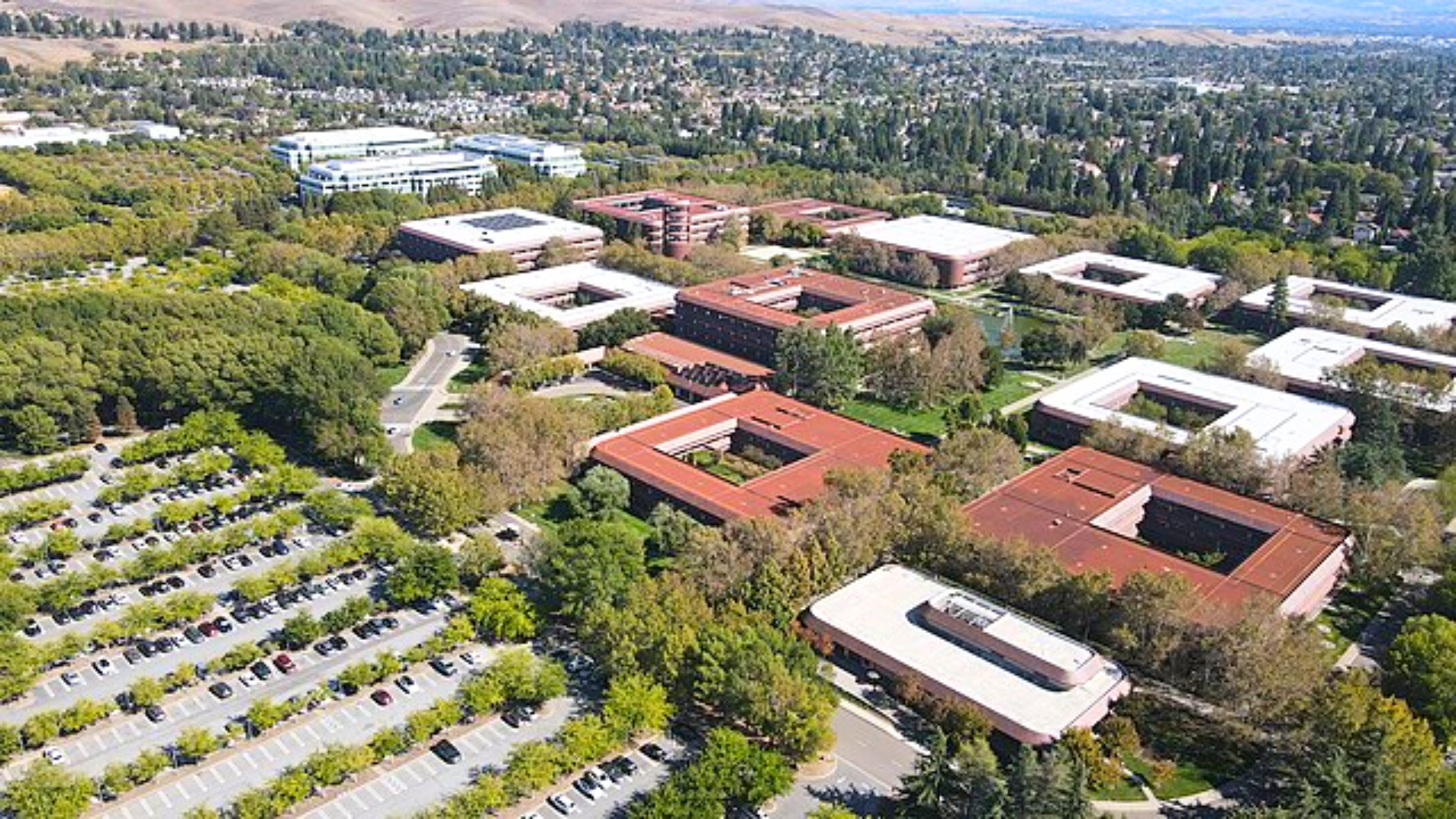
The drilling project is operated by Occidental Petroleum in partnership with Chevron and Woodside Energy, three major players in the global energy sector. Occidental holds the largest stake in the project, with Chevron and Woodside sharing minority interests. These collaborations reflect a broader industry trend where large-scale discoveries are increasingly developed through multi-company partnerships. The combined expertise of these firms is expected to accelerate evaluation of the new oil find.
Evaluation Phase Underway

Following the discovery, the companies involved are currently conducting technical evaluations to determine the size and recoverability of the oil reservoir. This process includes seismic analysis, reservoir modeling, and testing to estimate how much oil can be commercially extracted. Industry experts note that early-stage discoveries often require months or even years of assessment before production decisions are made. The outcome will determine whether the site becomes a major production hub.
Strategic Importance of the Gulf of Mexico
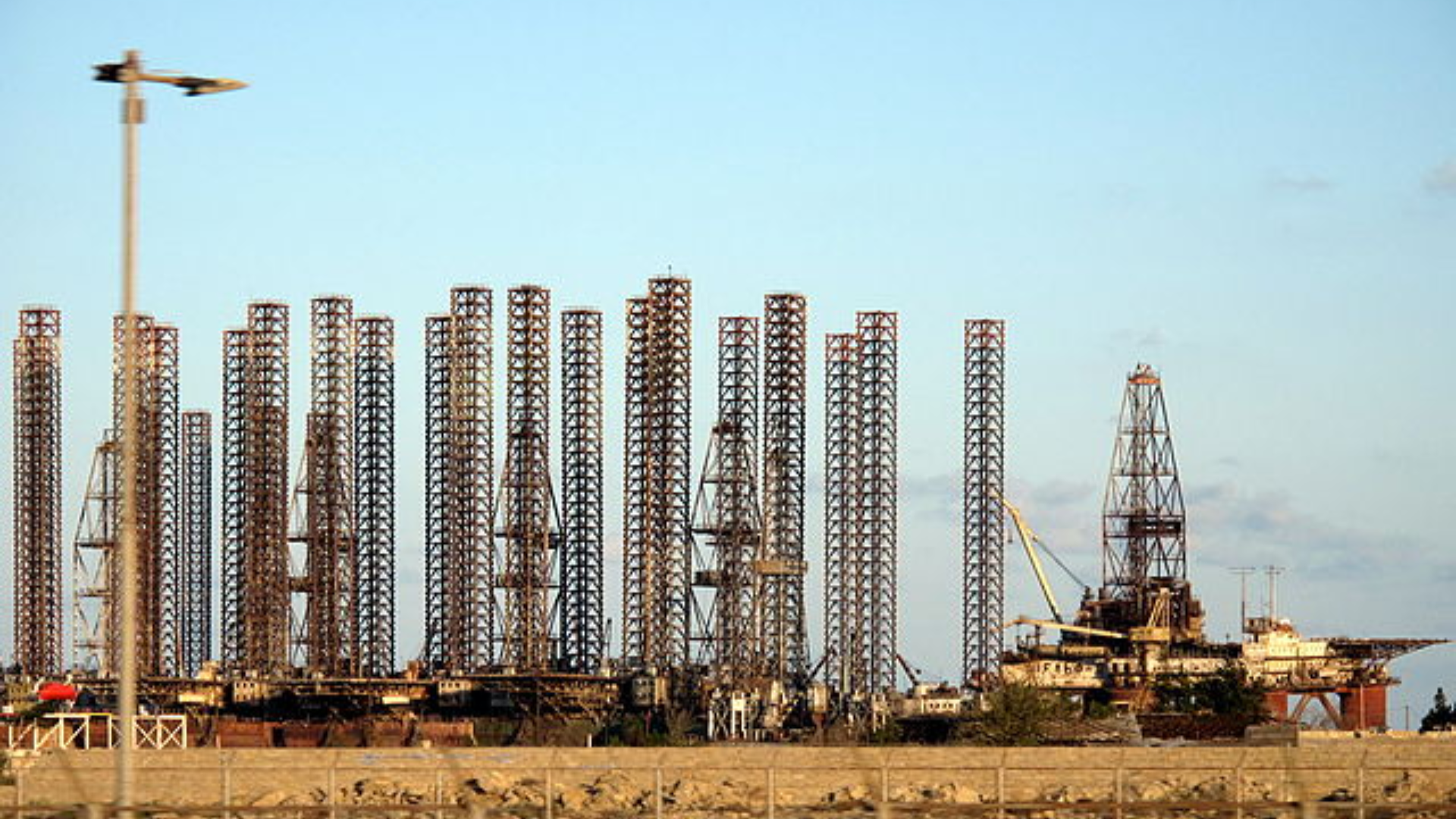
The Gulf of Mexico plays a critical role in US oil production, accounting for a significant portion of domestic crude supply. Its deepwater fields have been developed for decades and continue to yield new discoveries despite mature infrastructure. The region is considered essential for maintaining energy security and balancing domestic demand. New finds like this reinforce the Gulf’s ongoing importance in the global energy landscape.
Technology Driving Faster Discoveries
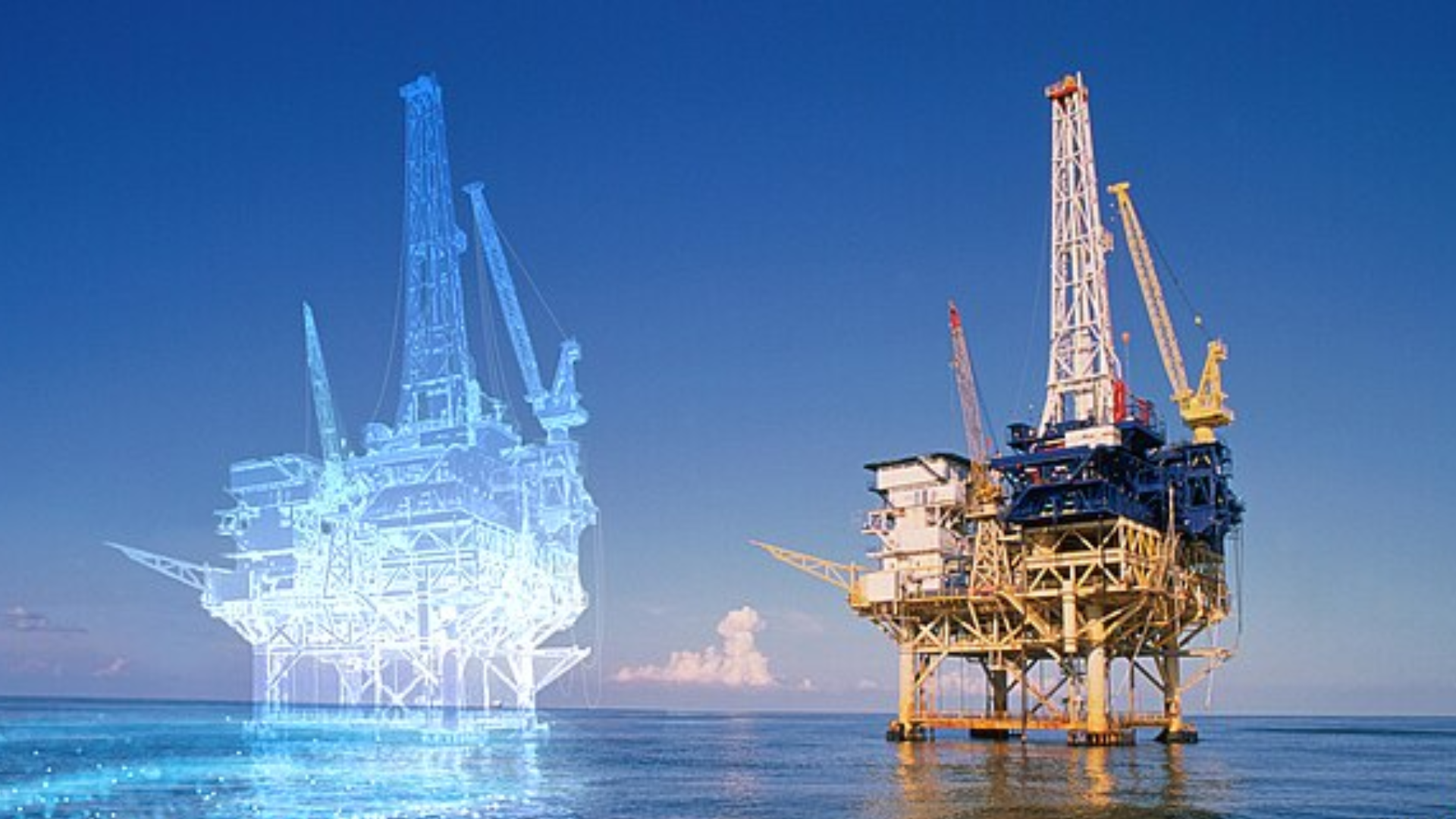
Modern drilling operations are increasingly supported by advanced seismic imaging, automation, and real-time data analytics, allowing companies to locate reserves more efficiently than in the past. These technologies have significantly reduced the time between exploration and discovery, improving operational accuracy in deepwater environments. Industry reports show that technological advances are helping companies bring new wells online faster and with lower risk. This trend is reshaping how oil exploration is conducted globally.
Boost to Domestic Energy Outlook
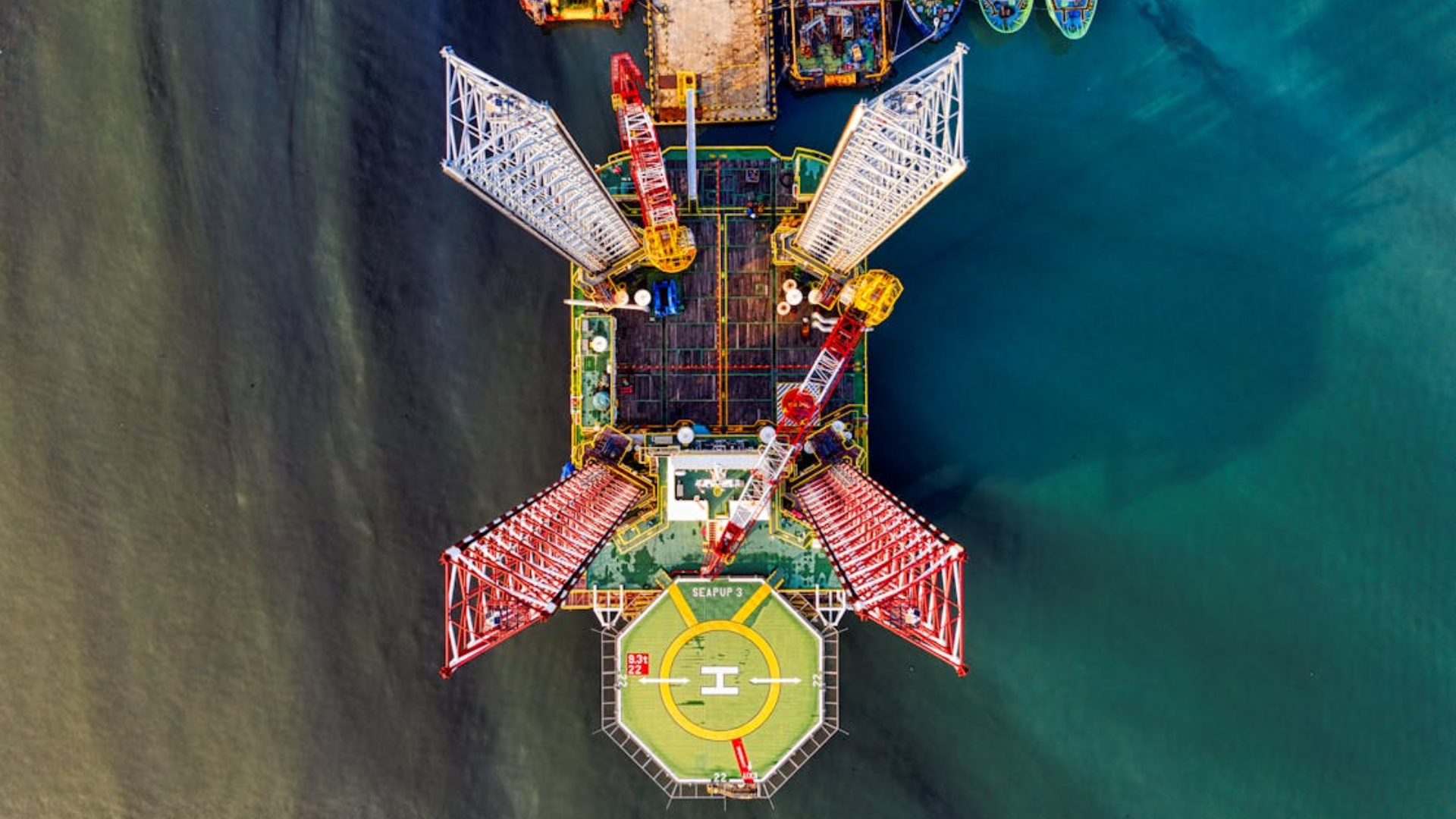
Energy analysts suggest that new offshore discoveries like this one could support long-term US production goals, especially as demand for reliable energy sources remains strong. The discovery adds to ongoing efforts to strengthen domestic supply chains and reduce dependency on imported crude oil. While production timelines are still uncertain, the find is viewed as a positive signal for the US energy sector. It also aligns with broader industry expansion into untapped offshore regions.
What Happens Next for the Project
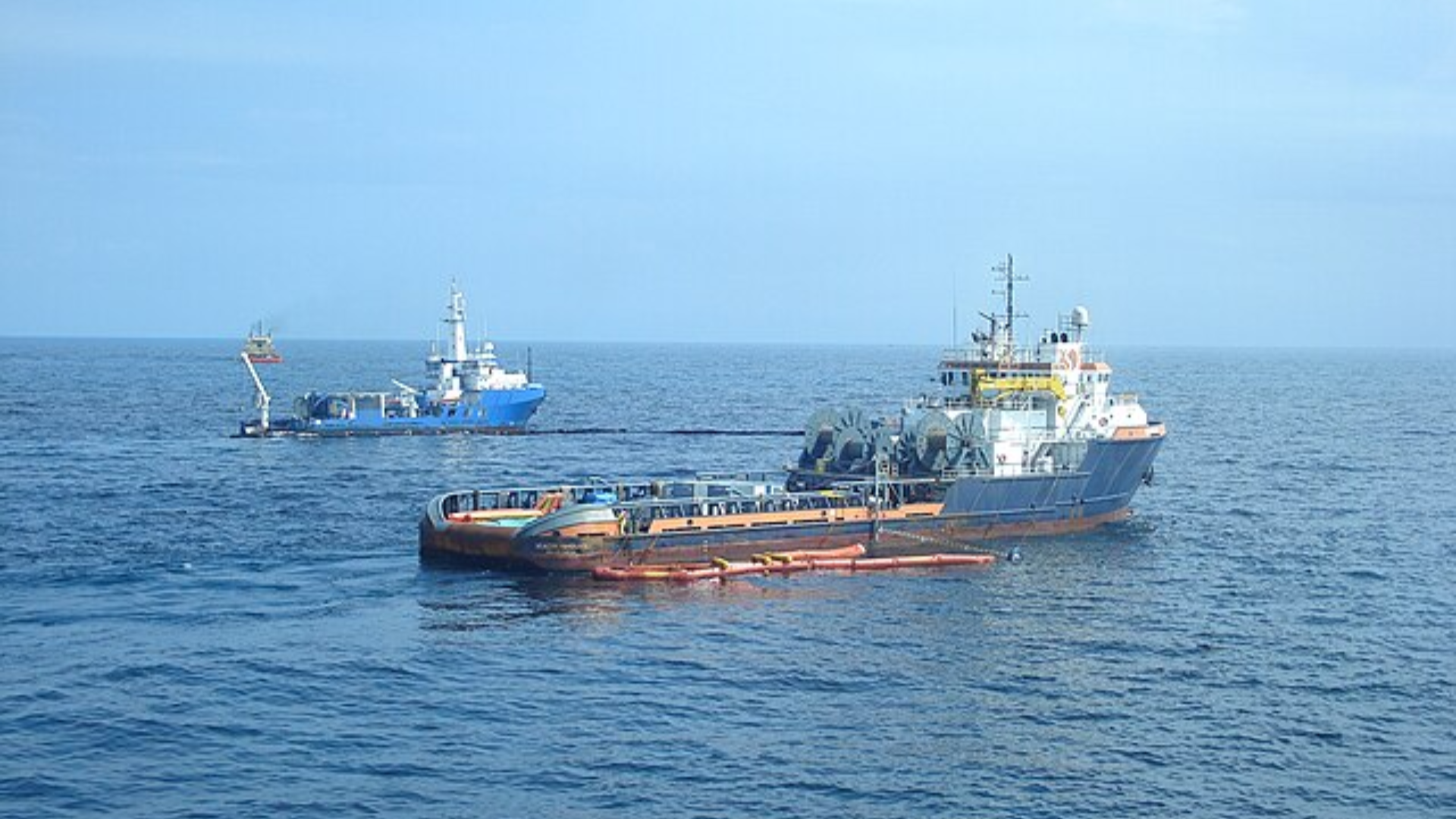
The next phase involves further drilling, reservoir testing, and economic analysis to determine whether full-scale development will proceed. If results confirm strong reserves, the site could be connected to existing offshore infrastructure for faster production. Companies typically weigh development costs, market conditions, and regulatory approvals before moving forward. The project remains in its early stages but is being closely watched by the energy industry.
A Competitive Global Energy Landscape
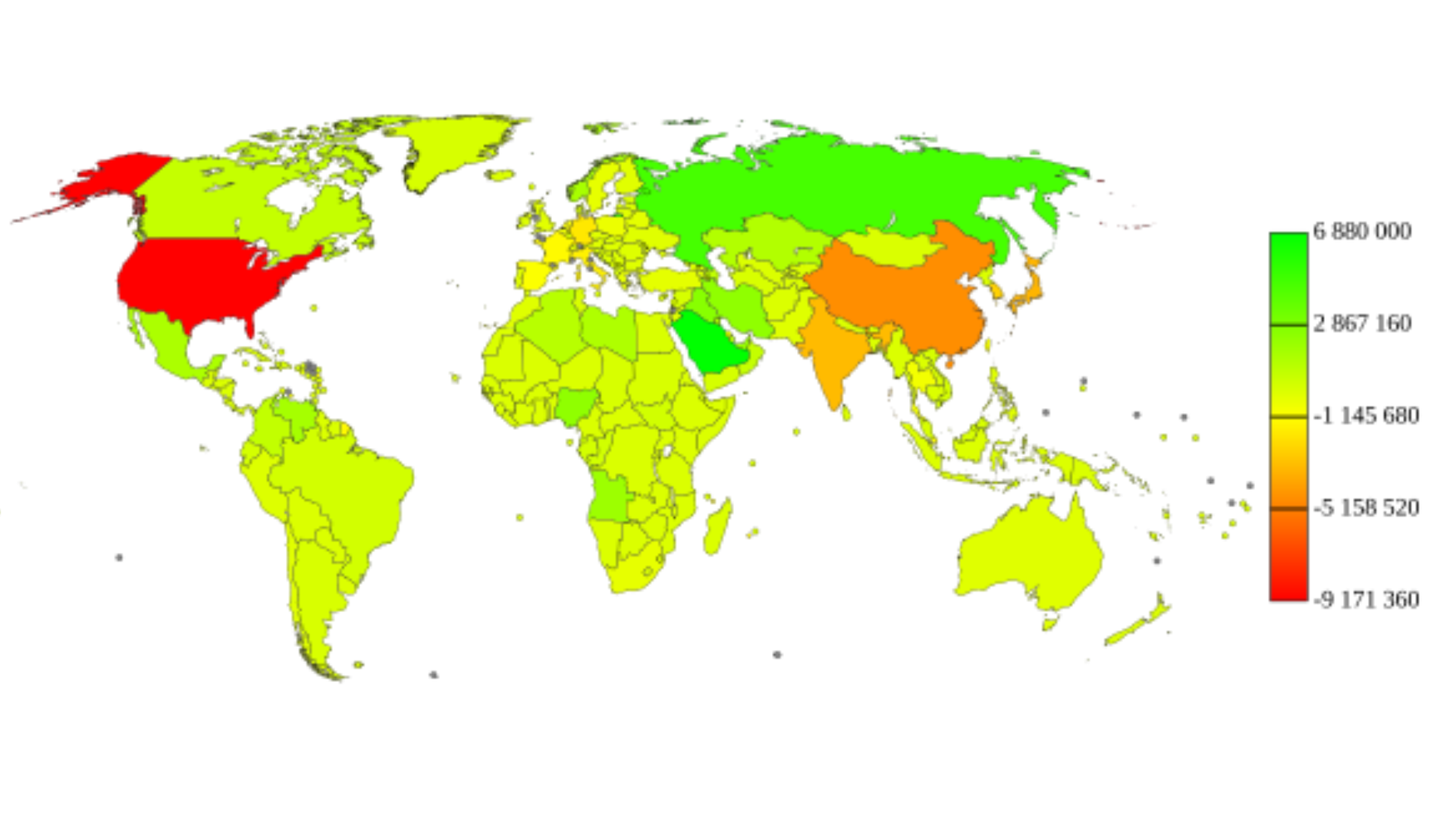
This discovery comes at a time when global energy companies are aggressively expanding exploration efforts to secure new reserves. Rising demand and geopolitical uncertainty have pushed major producers to invest in deepwater and frontier regions worldwide. The US remains a key player in this competition due to its advanced drilling capabilities and established offshore infrastructure. New finds like this help maintain its position in the global oil market.
A Significant Step in Offshore Energy Development
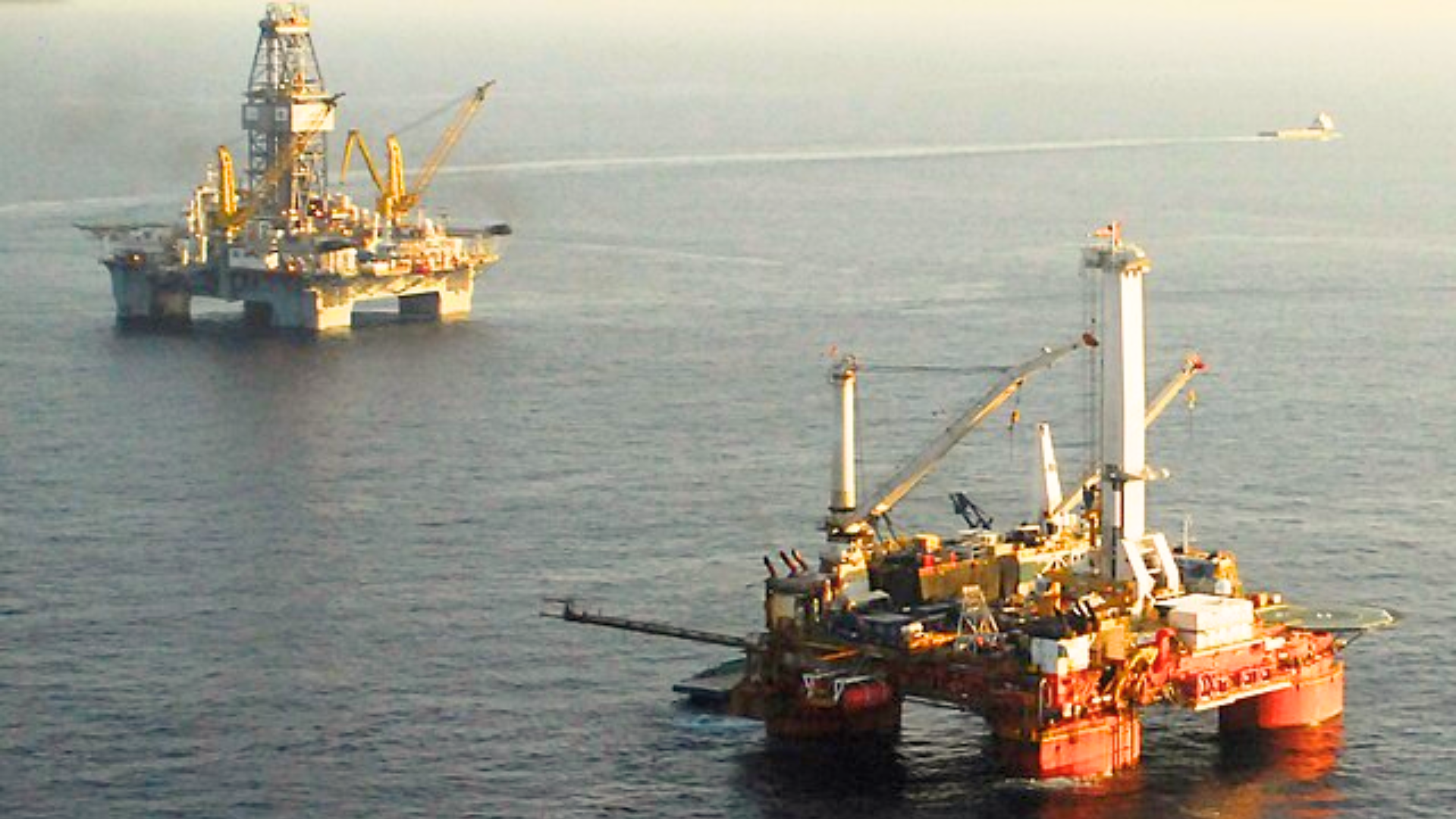
The US drilling breakthrough in the Gulf of Mexico highlights the continued importance of offshore exploration in meeting future energy needs. While the discovery is still being evaluated, it represents a promising addition to domestic oil resources and reinforces the strategic value of deepwater drilling. As companies continue analysis, the project could develop into a major production site in the coming years. For now, it stands as another example of how advanced exploration continues to unlock new energy potential.