US City Declares Water Crisis as Historic Drought Forces Usage Restrictions

A major US city is now facing a serious water crisis as officials respond to one of the driest periods in recent history. Denver has officially declared a Stage 1 drought, marking the first time in over a decade that strict water restrictions have been put in place. For residents, this change signals a shift in daily habits as water becomes a more limited and carefully managed resource.
First Restrictions in Over a Decade

This is the first time since 2013 that Denver has introduced mandatory water restrictions, highlighting how severe the situation has become. While the city has faced dry conditions before, the current drought stands out because of its intensity and timing. Officials say the move is necessary to protect water supplies now and prevent bigger problems in the future.
What Is Causing the Shortage
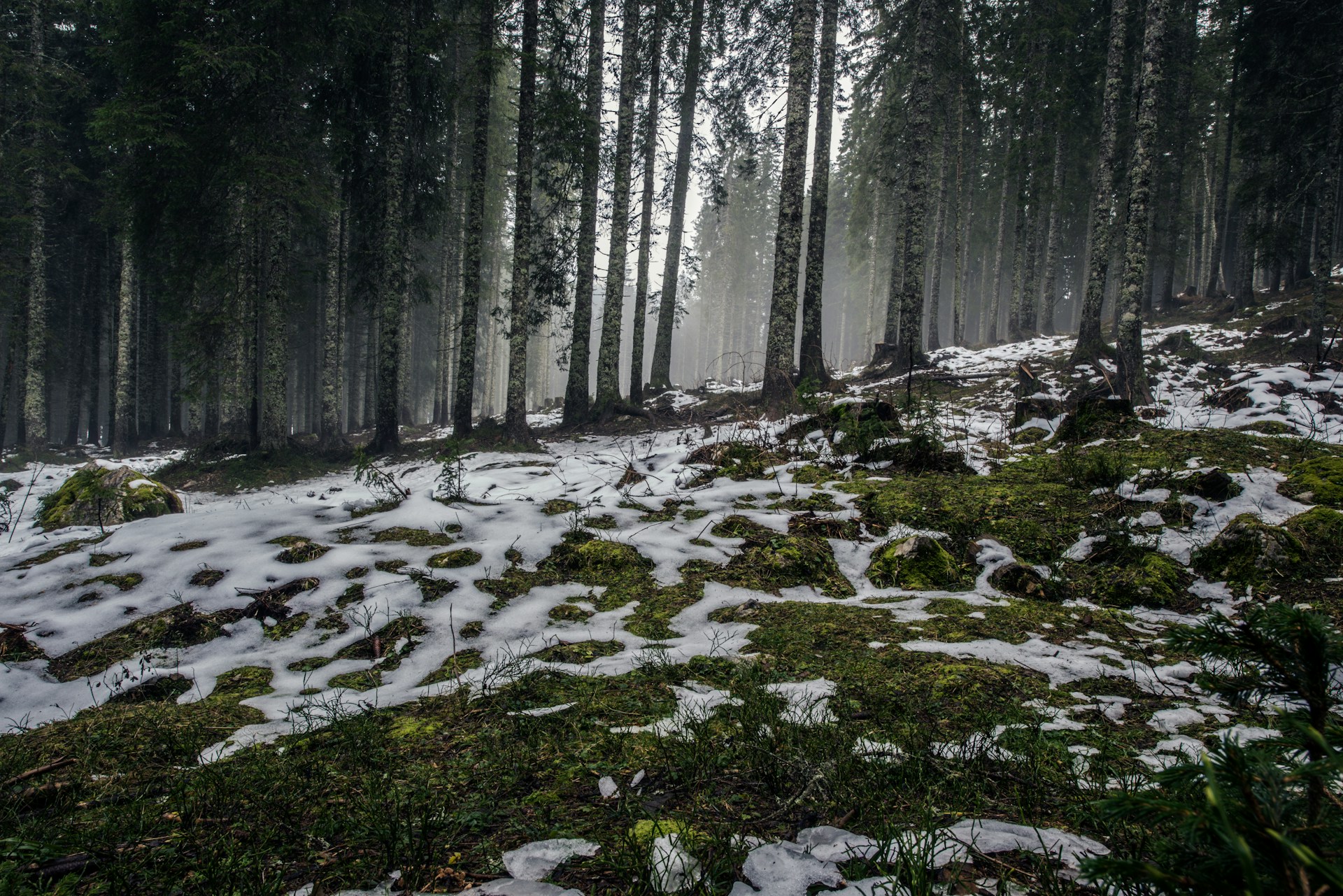
The main reason behind the crisis is a historically low snowpack in Colorado. Snow in the mountains acts as a natural water storage system, slowly melting and feeding reservoirs throughout the year. However, this winter was unusually warm and dry, leading to far less snow than normal. As a result, the region is now struggling to maintain its water supply.
Why Snowpack Matters So Much
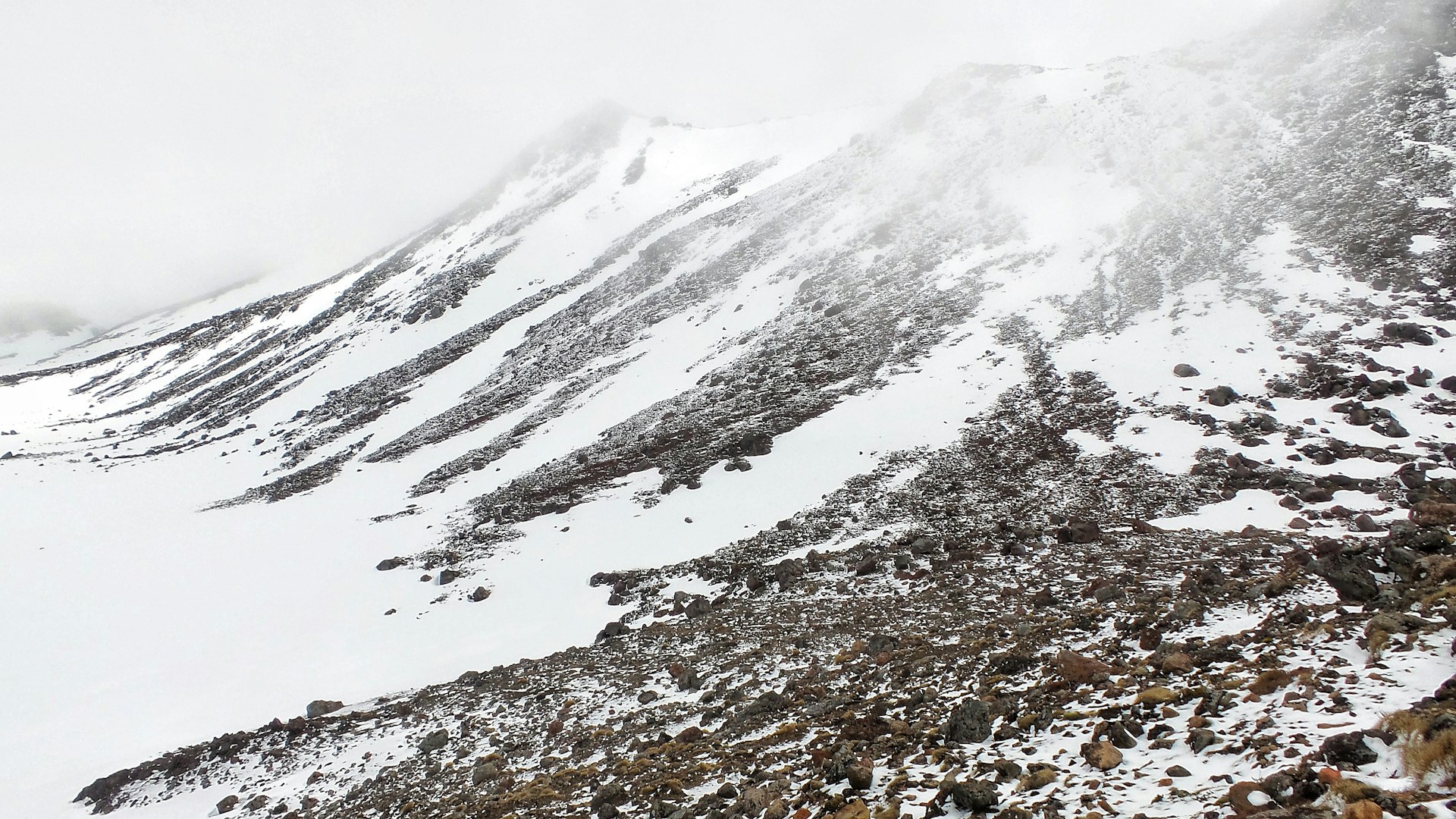
Denver depends on mountain snow for about 90% of its water supply, making it especially vulnerable to changing weather patterns. This year, officials say the snowpack is several feet below where it should be, and there is little time left in the season to recover. In fact, experts estimate that several more feet of snow would be needed just to reach normal levels.
Immediate Changes for Residents
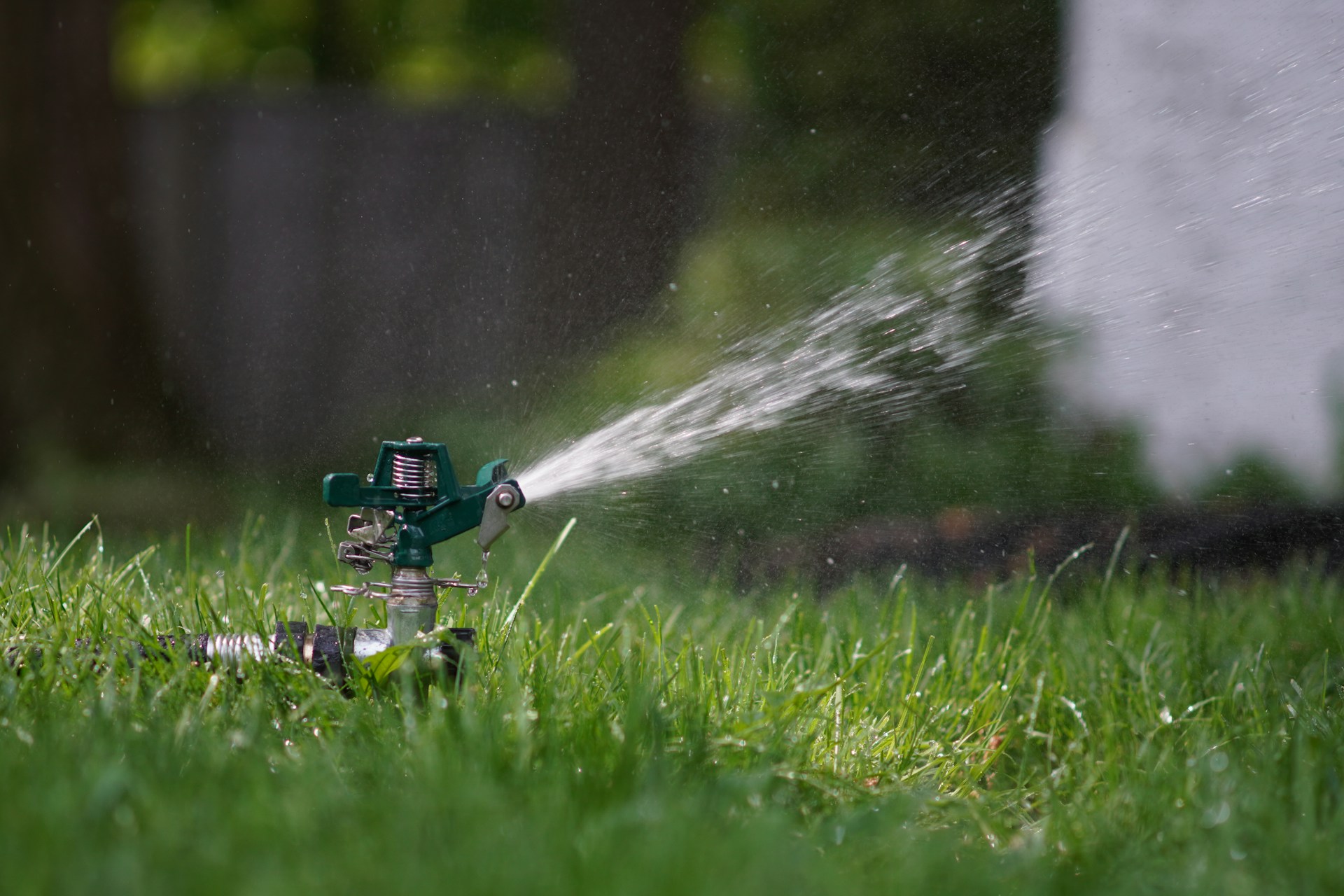
As the drought declaration takes effect, residents are now required to follow strict watering rules. For example, households can only water their lawns on specific days and are limited to just two days per week. In addition, watering must be done during cooler hours to reduce waste. These rules are designed to cut water use by about 20 percent across the city.
A Broader Impact Across the City

The restrictions do not only affect homeowners. Businesses, parks, and even car washes must also adjust their water use. According to reports, around 1.5 million people who rely on Denver Water will feel the impact of these new rules. This shows how widespread the effects of the drought are, touching nearly every part of daily life.
Signs of a Changing Climate
Officials say this drought is also a reminder of how climate patterns are shifting. Warmer temperatures and less snowfall are becoming more common, which makes water management more challenging. In fact, the data shown in the chart on page 3 highlights how current snow levels are far below normal compared to past years, reinforcing how unusual this season has been.
How Residents Are Adapting
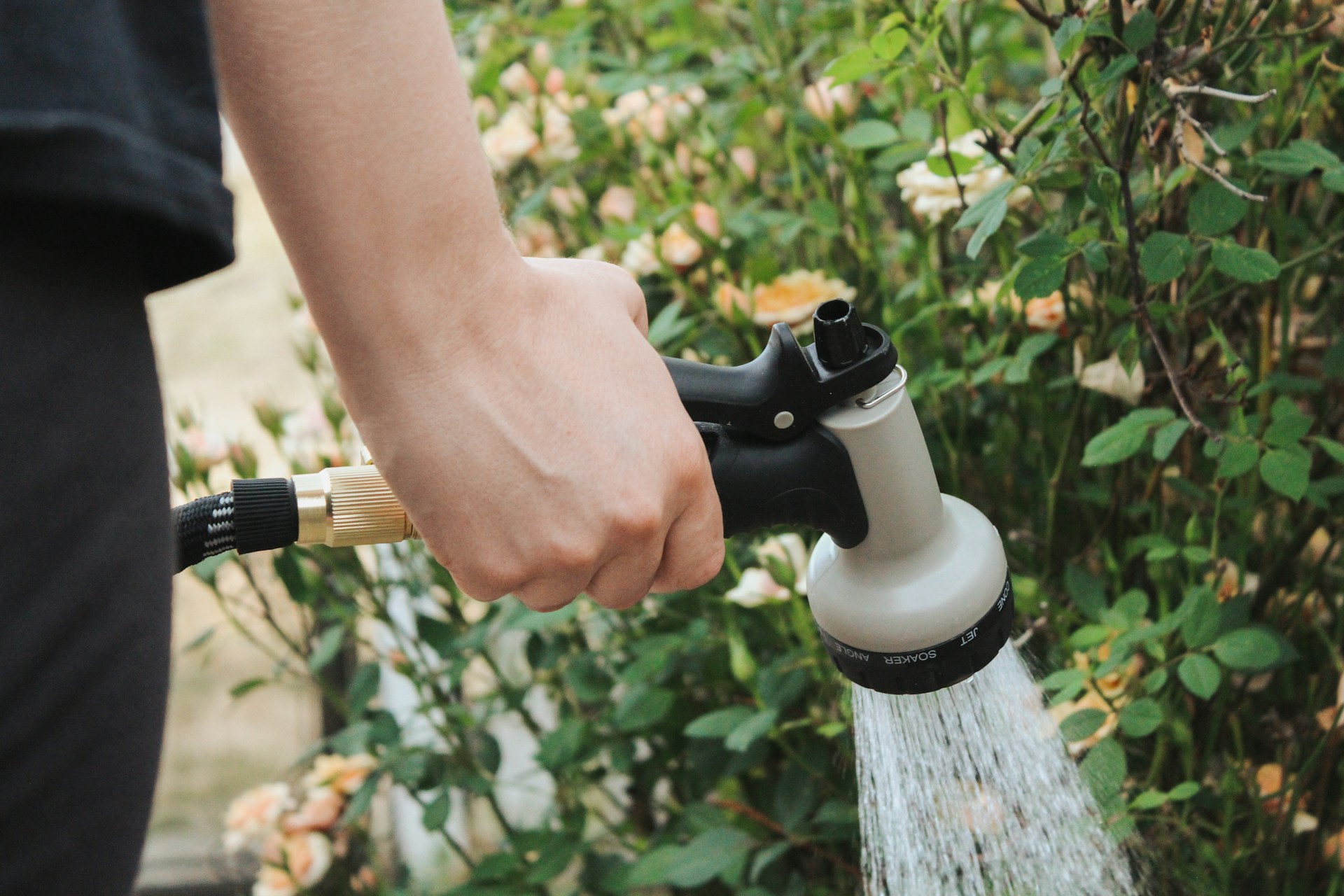
Many residents are already changing their habits to save water. Some are delaying the use of sprinklers, while others are using hoses or drip systems to water plants more efficiently. Experts also suggest choosing plants that require less water and avoiding new landscaping projects during the drought. These small changes can make a big difference when combined across the city.
What Happens If Conditions Worsen
While the current restrictions are already strict, officials warn that even tighter rules could follow if conditions do not improve. In some cases, watering could be reduced to just one day per week. Authorities are also considering pricing changes to discourage excessive water use. This shows how serious the situation is and how quickly it could escalate.
Looking Ahead to an Uncertain Future

For now, the focus is on conserving as much water as possible and preparing for the months ahead. Even if late-season snow arrives, it may not be enough to fully recover from the current deficit. As Denver moves forward, the drought serves as a clear reminder of the need for long term planning and smarter water use in a changing environment.