US Car Prices Could Spike After Trump Raised Tariffs on European Imports

President Donald Trump announced plans to raise tariffs on European car imports from 15% to 25%, escalating trade tensions with the European Union and potentially increasing prices for American consumers. The White House said the move was necessary because the EU had failed to comply with a previously negotiated trade agreement, though European officials strongly disputed that claim.
The Automotive Industry Is Especially Vulnerable To Tariffs
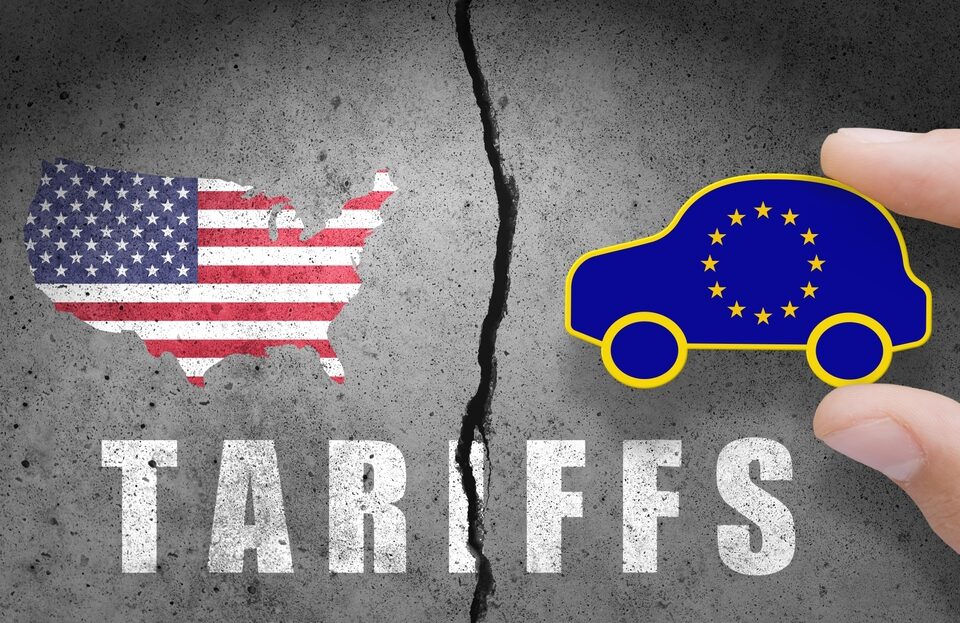
Auto manufacturing depends on complex international supply chains, making the industry highly sensitive to sudden cost increases. Analysts warned that tariffs rarely stay confined to manufacturers because companies often pass higher import costs directly to buyers. Even relatively affordable European vehicles could become significantly more expensive if the tariffs take effect.
Luxury Brands Would Likely Take The Biggest Hit

Experts told Al Jazeera that the steepest impact would likely fall on luxury and high-end European brands that still manufacture many vehicles overseas. Porsche, Audi, Ferrari, Lamborghini, Mercedes-Benz, BMW, and Volkswagen all maintain major exposure to U.S. tariffs because many of their premium models are imported directly from Europe. Vehicles such as the Mercedes-Maybach S-Class or Porsche sports cars could see price increases reaching thousands, or even tens of thousands, of dollars.
Even “Made In America” Cars Could Become More Expensive
The effects may not stop with imported vehicles. European automakers including BMW, Mercedes-Benz, and Volkswagen already operate major manufacturing plants in South Carolina, Alabama, and Tennessee, but many of those factories still depend heavily on engines, transmissions, electronics, and specialty parts sourced from Europe. Industry analysts warned that tariffs on imported components could raise production costs for vehicles assembled inside the United States as well.
Trump Says Europe Violated The Existing Trade Deal
Trump accused the European Union of failing to honor a trade agreement reached less than a year earlier that had temporarily reduced tariffs to 15%. In a Truth Social post, the president said European officials were “not adhering” to the deal but did not publicly specify which provisions had allegedly been violated. European Commission officials responded that the EU was implementing the agreement “in line with standard legislative practice” while keeping Washington informed throughout the process.
Europe’s Car Industry Has Become A Political Pressure Point
The automotive sector represents one of Europe’s most important industries, especially in Germany, where companies like Volkswagen, BMW, and Mercedes-Benz are major economic pillars. According to the European Automobile Manufacturers’ Association, car exports account for roughly 8% of all EU-U.S. trade, with the United States serving as the largest export destination for European-built vehicles. Analysts said targeting automobiles gives Washington leverage over one of Europe’s most economically sensitive sectors.
German Officials Say Trump’s Policies Are Hurting Europe’s Economy

German leaders increasingly argue that Trump’s trade policies are already damaging Europe’s economy. German Finance Minister Lars Klingbeil said in a March speech in Berlin that the administration’s “misguided policies” were directly affecting household finances and worsening economic instability. Germany has already struggled through years of weak growth, rising energy costs, and declining exports following earlier trade disputes and geopolitical tensions tied to the Middle East conflict.
German Investment In The United States Has Already Fallen Sharply
Reuters reported that German investment into the United States fell by roughly 45% during Trump’s first year back in office, according to research from the German Economic Institute. German exports to the U.S. also declined sharply, with automotive exports among the hardest-hit sectors. Researchers said many companies were delaying long-term investments because rapidly shifting tariff policies created uncertainty about future operating costs and supply chains.
The Tariffs Are Also Deepening Political Tensions Between Allies
The trade dispute is unfolding alongside broader disagreements between Washington and Europe involving NATO, military policy, and the Middle East. Trump recently threatened to withdraw thousands of U.S. troops from Germany after Chancellor Friedrich Merz criticized the administration’s Iran strategy. Analysts told The Wall Street Journal that rising tariffs, security disagreements, and disputes over energy policy are all contributing to a widening transatlantic divide between the United States and Europe.
Consumers And Automakers Are Now Waiting To See What Happens Next

It remains unclear whether the tariff increase will ultimately take effect at the full 25% level or whether negotiations between Washington and Brussels will resume. European officials warned they may retaliate if the United States moves forward, while automakers are already considering production changes, pricing adjustments, and alternative sourcing strategies. For American consumers, however, the immediate concern is simpler: if tariffs rise, many vehicles and automotive parts could become significantly more expensive in an already costly car market.