Urgent Warning Issued Over Unapproved Weight-Loss Drug Linked to Liver Damage


A 32-year-old woman injected what she was told was a cutting-edge weight-loss drug. Within days, she was in acute liver failure, facing the prospect of a transplant. The drug she took, sold under the name retatrutide, has never been approved for sale anywhere in the world. And she is far from the only one. Across Melbourne, doctors are now sounding the alarm over a black-market substance circulating under its name.
What Retatrutide Actually Is

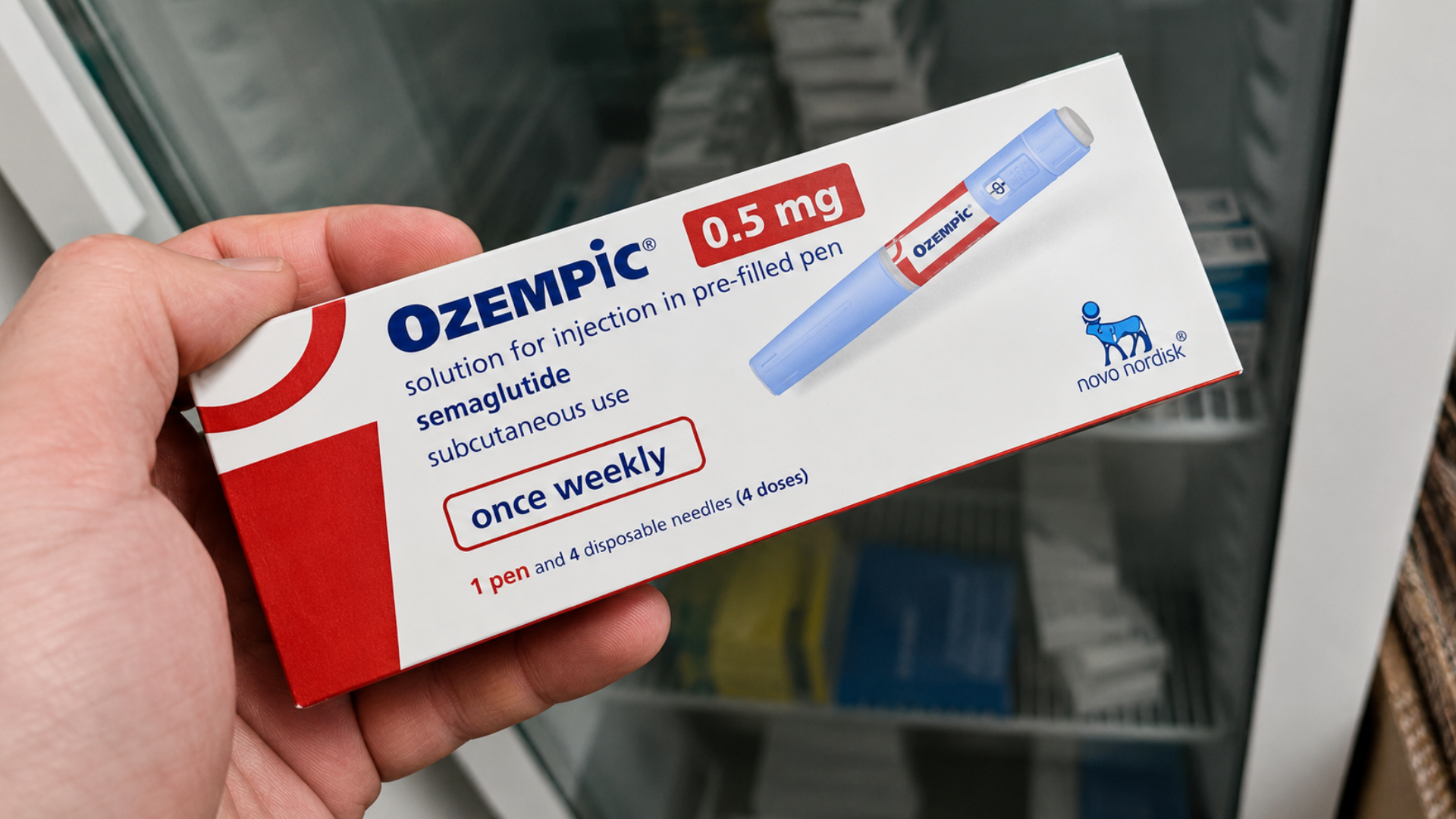
Retatrutide is an experimental weight-loss injection developed by U.S. pharmaceutical giant Eli Lilly. It targets three hormone receptors simultaneously, making it more aggressive than existing drugs like Ozempic or Mounjaro. In Phase 3 clinical trials, participants lost an average of more than 70 pounds over 80 weeks. Those results have generated enormous buzz online, where the drug is widely called “reta.” The problem: it has not been approved by any regulator, including the U.S. FDA or Australia’s Therapeutic Goods Administration.
Social Media Sold a Dream, the Black Market Delivered Something Else

Megan Hancocks, 32, first heard about reta on TikTok and Instagram. During a beauty appointment late last year, a clinician mentioned she had off-market peptides sourced from a Chinese manufacturer available for cash. Hancocks purchased a vial labeled as retatrutide. She hesitated before using it, unsure of dosing without a doctor’s guidance, but eventually proceeded. Her first injection was on December 24. Her second was on December 28. Less than a week later, she was in hospital.
Acute Liver Failure in Under a Week

When Hancocks arrived at the Royal Melbourne Hospital, doctors confirmed she was in acute liver failure. Her symptoms included severe jaundice, constant nausea, vomiting, extreme fatigue, stomach swelling, and serious constipation. She spent roughly a month in the hospital. At one point, her doctors began discussing a liver transplant. Her liver eventually stabilized without one, but the ordeal was far from over. The damage done in those few days after two doses would define the months that followed.
Six Months Later, She Is Still Recovering

Hancocks remains on steroids to support liver repair and has returned to hospital multiple times since her discharge. She cannot work and now lives with her mother. Weight gain, skin sores from treatment, and significant hair loss have compounded the physical toll. “When I look in the mirror I don’t see the same person anymore,” she told the ABC. She has largely withdrawn from social life, leaving home only for medical appointments, and says her experience should deter anyone considering anything labeled as reta.
Other Patients, Other Hospitals, the Same Story

Liver transplant specialist Dr. Marie Sinclair, of the Victorian Liver Transplant Unit at Austin Hospital, first learned of Hancocks when Royal Melbourne flagged her as a potential transplant candidate. Since then, Sinclair has encountered additional cases. A woman in her 20s arrived at the Austin in acute liver failure after purchasing retatrutide vials online based on a gym recommendation. Another woman in her 20s was treated for liver injury. A man in his 40s developed severe kidney damage after experiencing diarrhea roughly 40 times a day.
The Drug in the Vials Remains Unknown
Victoria’s chief health officer has confirmed six cases of acute liver toxicity linked to products labeled as retatrutide since January 2026. Health authorities believe the liver damage may be caused by contaminants in the vials rather than the labeled compound itself, though testing is ongoing. Dr. Sinclair put it plainly: “We don’t know what these things are. It’s quite frankly terrifying.” The Austin Hospital has submitted confiscated vials for laboratory analysis. Nobody yet knows precisely what people have been injecting.
Eli Lilly Says No One Can Legally Sell This Drug

Eli Lilly holds the sole patent on retatrutide and confirmed to the ABC that the molecule remains investigational. “No one can legally sell it for human use,” a company spokesperson said. Any product sold under its name is, by definition, counterfeit. Lilly said it is working with law enforcement, issuing warnings, and trying to identify harmful online content. Gym recommendations and social media posts driving people toward these products represent exactly the kind of unlawful promotion the company says it is actively fighting.
Even the Real Drug Carries Risks for the Wrong Patients

Dr. Niloufar Torkamani, director of the Austin Hospital’s Medical Weight Loss clinic, warns that even legitimate retatrutide would pose risks for people outside the clinical trial profile. Patients with a low BMI who want to lose small amounts of weight were excluded from trials entirely, meaning the consequences for them are genuinely unknown. Torkamani says she regularly receives emails from patients asking to “upgrade” to reta based on TikTok content, a dynamic she describes as a growing and dangerous disconnect between social media hype and medical reality.
The Black Market Has Already Collected Its Casualties

Retatrutide may one day be a legitimate, approved treatment. Its Phase 3 trial results are among the most promising seen in obesity medicine. But that version does not exist yet in pharmacies, and the substances circulating under its name are unregulated, untested, and demonstrably dangerous. Megan Hancocks bought a product from a beauty clinic that left her fighting for her liver. The other patients bought from gyms and online sellers. The drug that harmed them all shares only a label with the one being studied in clinical trials.