UPS and Teamsters Reach Settlement Over Controversial $150K Buyout Program, But Not All Drivers Are Happy
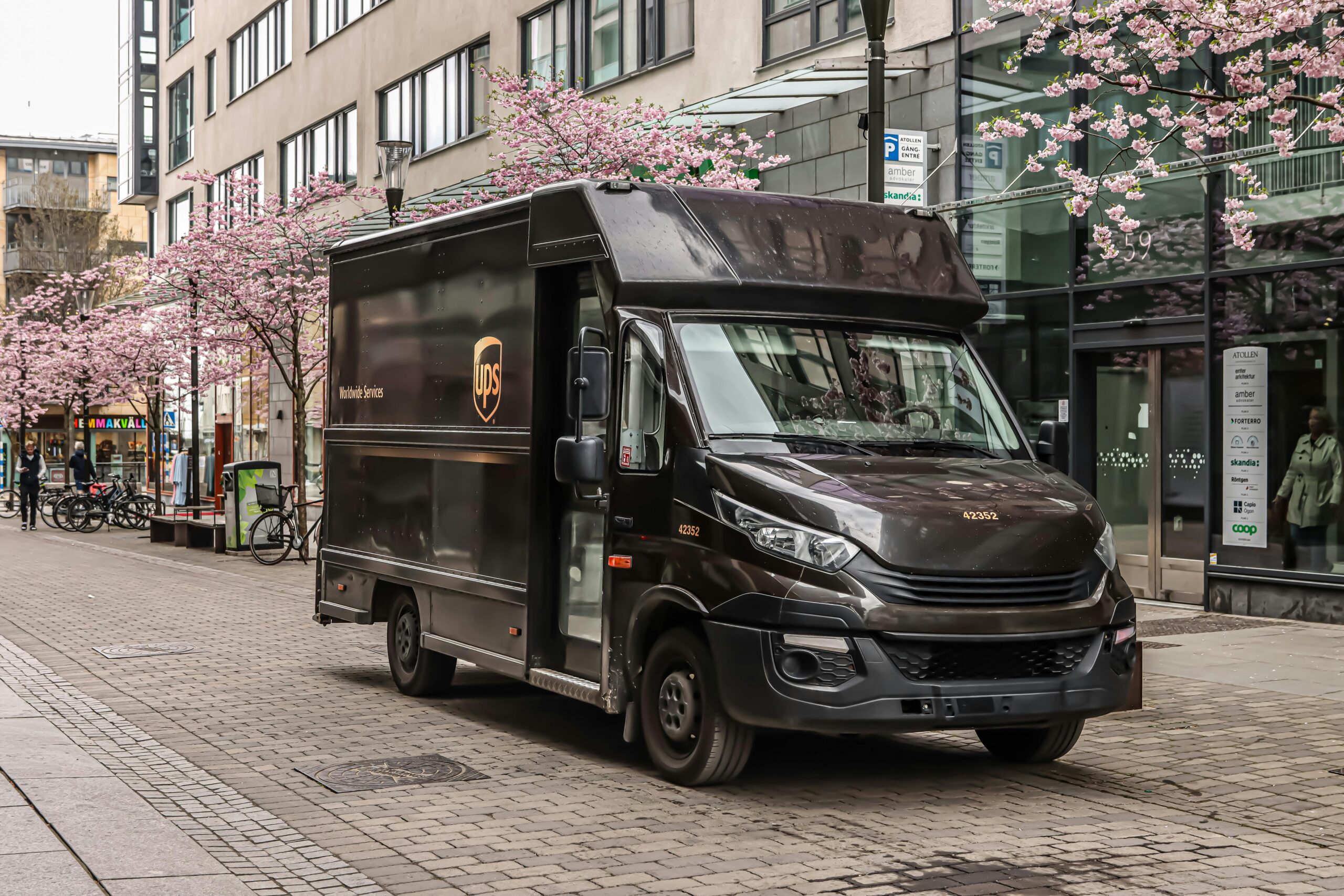

On paper, this looks like a resolution. UPS and the Teamsters union reached a settlement over the company’s controversial $150,000 driver buyout program. The agreement allows the program to move forward but with strict limits that reshape how it works.
The new terms cap buyouts at 7,500 drivers and prioritize who gets them based on seniority. It may sound like a compromise. In reality, it exposes just how divided this situation has become.
Some drivers see the deal as a necessary correction. Others see it as a missed opportunity—especially those who expected to take the payout and now may not get the chance. And the tension is not going away anytime soon.
Why UPS Pushed the Buyouts in the First Place
To understand the frustration, you have to start with the bigger picture. UPS is in the middle of a major reset. The company plans to cut around 30,000 jobs and close multiple facilities as it shifts away from lower-profit deliveries and adjusts to slowing demand.
The $150,000 buyout program—called the “Driver Choice Program”—offered drivers a voluntary exit. No layoffs. No forced cuts. Just a large financial incentive to walk away. From a corporate standpoint, it made sense.
UPS even expanded the offer to a massive pool of workers. About 105,000 drivers were eligible, and the company expected strong interest. For many drivers, that payout represented a rare chance to reset their own lives. Which is exactly why the backlash hit so hard when things changed.
The Union Fight That Changed Everything

The Teamsters didn’t see the buyout program as a benefit. They saw it as a threat. Union leaders argued that UPS introduced the program without proper negotiation and that it could weaken job protections built into the existing labor contract.
The dispute escalated quickly. The union filed lawsuits, raised grievances, and pushed back at multiple levels. At one point, UPS even pulled the program entirely from 13 states after intense pressure. The move alone showed how much leverage the union still holds.
Eventually, both sides landed on a middle ground. The program would continue—but with limits, oversight, and a stronger role for union rules like seniority. The result looks balanced on paper. But left a lot of drivers caught in the middle.
The Real Impact: Workers Caught Between Two Strategies
Here’s where the story shifts from policy to people. Some drivers had already planned their exit. They applied for the buyout, expecting to leave with a six-figure payout. Then the program changed—or disappeared entirely in their region. Now they’re stuck.
In Ohio, some drivers voiced a deeper concern. If management now knows who wanted to leave, what happens next? A question that doesn’t have a clear answer. And it reflects a bigger anxiety across the workforce. The union argues it protected workers from a program that could erode long-term job security. UPS argues it offered a voluntary path to avoid layoffs. Both claims can be true, which makes this situation complicated.
Looking ahead, the takeaway is clear. UPS is still restructuring. The pressure to cut costs and reshape operations hasn’t disappeared. The agreement also locks in restrictions on similar buyout programs through 2028, which means fewer flexible exit options moving forward. For drivers, that creates a new reality. Fewer choices, more uncertainty. A growing sense that major decisions about their future will continue to happen at the negotiating table—not on the road. Because this wasn’t just about a $150,000 offer. It was about who gets to decide how the workforce changes next.