United Airlines Just Raised Checked Bag Fees for the First Time in Two Years, and Here’s Why
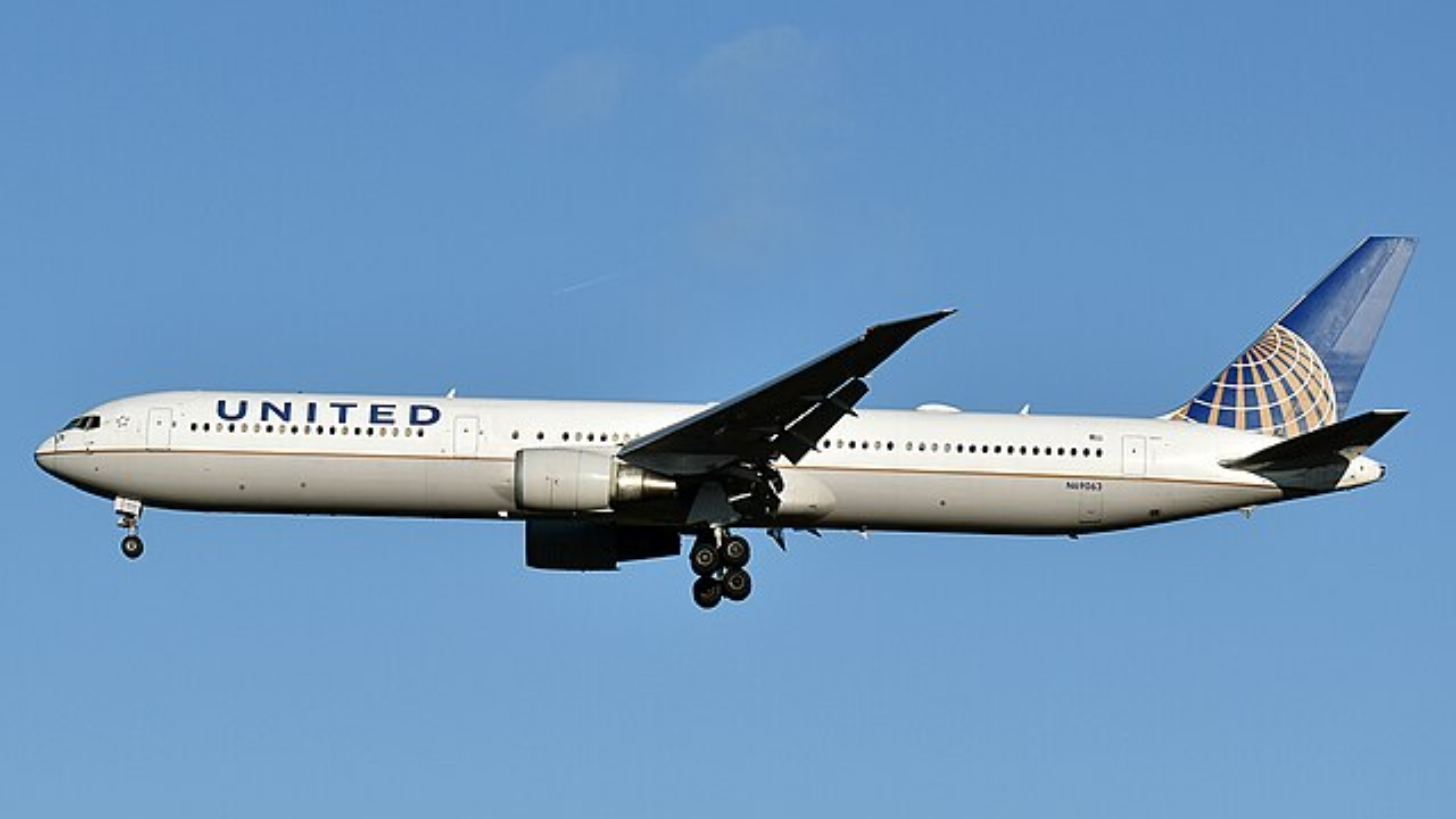

United Airlines has officially raised its checked bag fees for the first time in two years, marking a noticeable shift for travelers who have grown used to relatively stable baggage costs. The increase applies to most domestic and regional routes, including flights within the U.S., Canada, Mexico, and parts of Latin America, signaling a broader trend across the airline industry.
Under the new pricing, passengers will now pay around $45 for a first checked bag and $55 for a second, with even higher fees for additional luggage depending on when and how the bags are checked. These changes may seem incremental at first glance, but they represent a growing reliance on add-on fees as airlines adjust their pricing strategies.
For travelers, the increase highlights how the true cost of flying continues to evolve, as airlines shift more of the total price into optional services rather than base fares. This approach allows carriers to keep ticket prices competitive while still recovering rising operational expenses.
Why United Is Raising Bag Fees Now
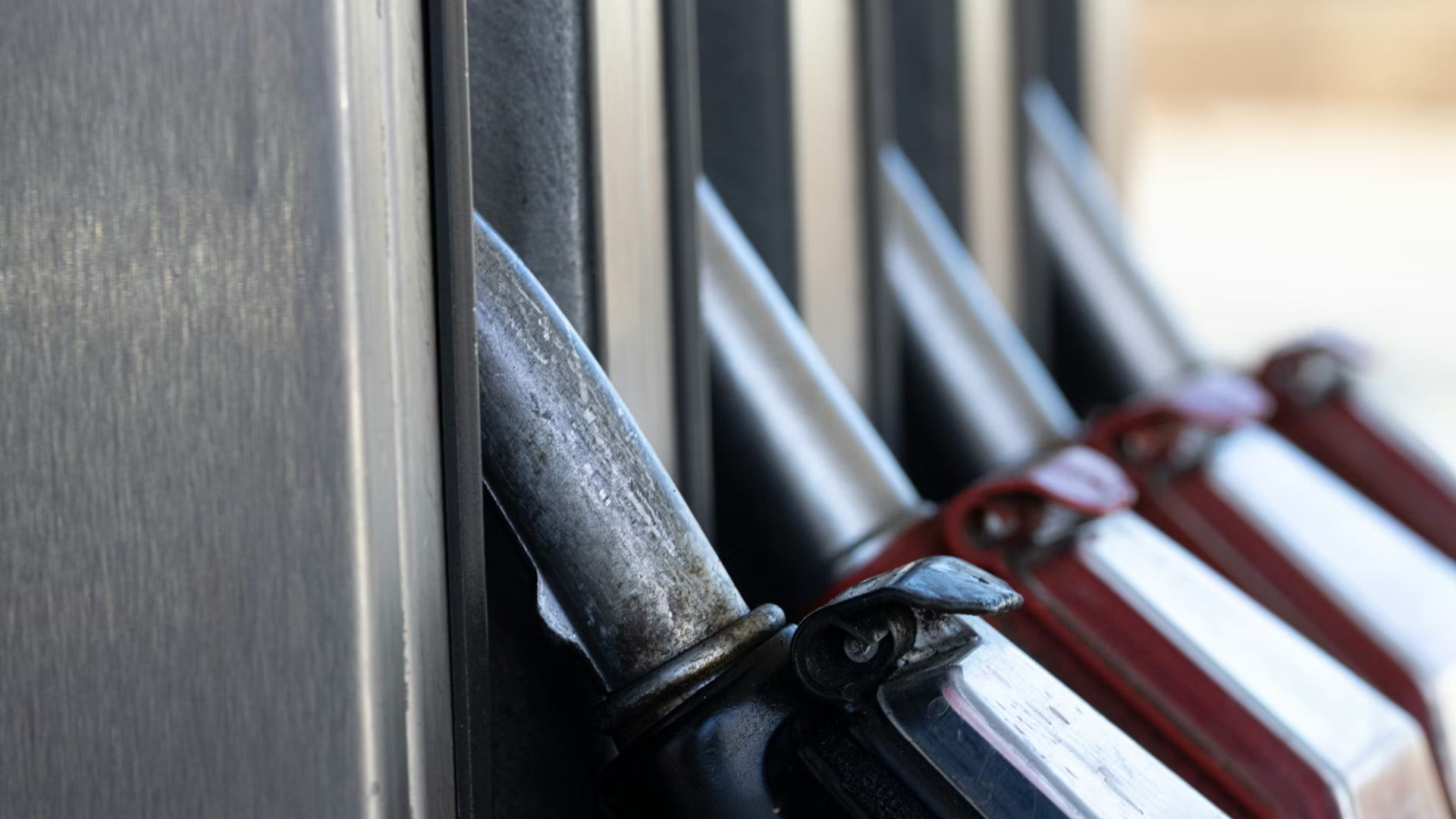
The biggest driver behind the fee increase is a sharp rise in jet fuel costs, which have surged dramatically due to geopolitical tensions affecting global oil supply. Since fuel is one of the largest expenses for airlines, even small price changes can have a major impact on overall operating costs, forcing companies like United to find ways to offset the financial pressure.
In fact, airline executives have reported that fuel expenses have jumped significantly in recent months, adding hundreds of millions of dollars in unexpected costs. Rather than raising ticket prices outright, airlines often turn to ancillary fees like baggage charges, which allow them to generate additional revenue without discouraging price-sensitive travelers from booking flights.
This strategy also aligns with a broader industry trend, where optional fees are used to balance rising costs while keeping base fares attractive. By charging for extras like checked bags, airlines can better manage fluctuating expenses while maintaining flexibility in their pricing models.
What Travelers Can Expect Going Forward
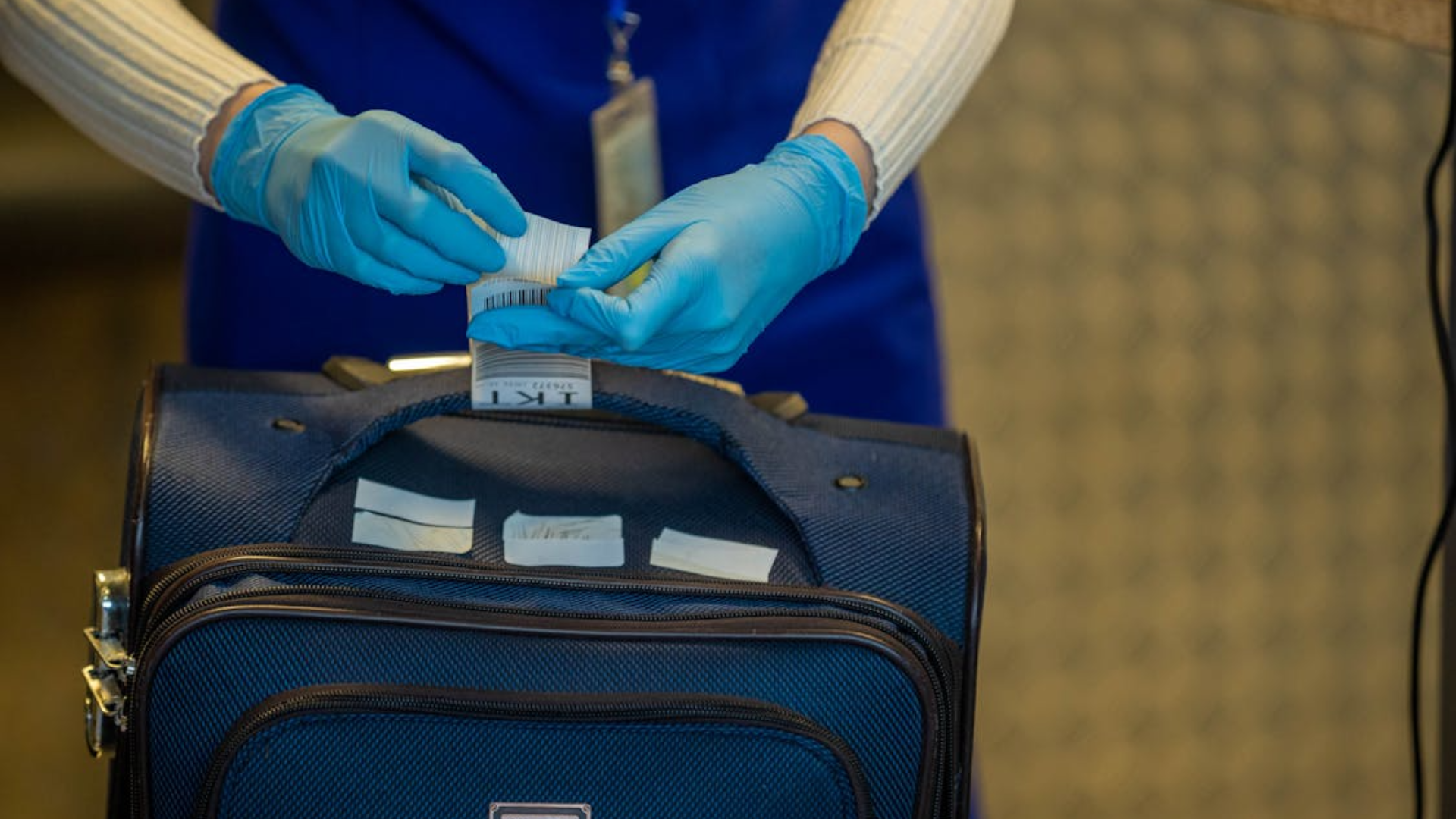
For passengers, the increase means higher overall travel costs, especially for families or those who regularly check multiple bags. While some travelers, such as frequent flyers, credit card holders, and premium cabin passengers, may still qualify for free checked luggage, many others will feel the impact immediately when booking flights.
The change also suggests that baggage fees are unlikely to decrease anytime soon, as once these charges rise, they tend to remain in place even if fuel prices stabilize. This makes them one of the more persistent costs associated with flying, especially during peak travel seasons when demand is high.
In addition, United is not alone in making these adjustments, as other major airlines have implemented similar increases, indicating that this is part of a wider industry shift rather than an isolated decision. As a result, travelers may see fewer opportunities to avoid these added costs across different carriers.
A Small Fee Change With A Bigger Impact
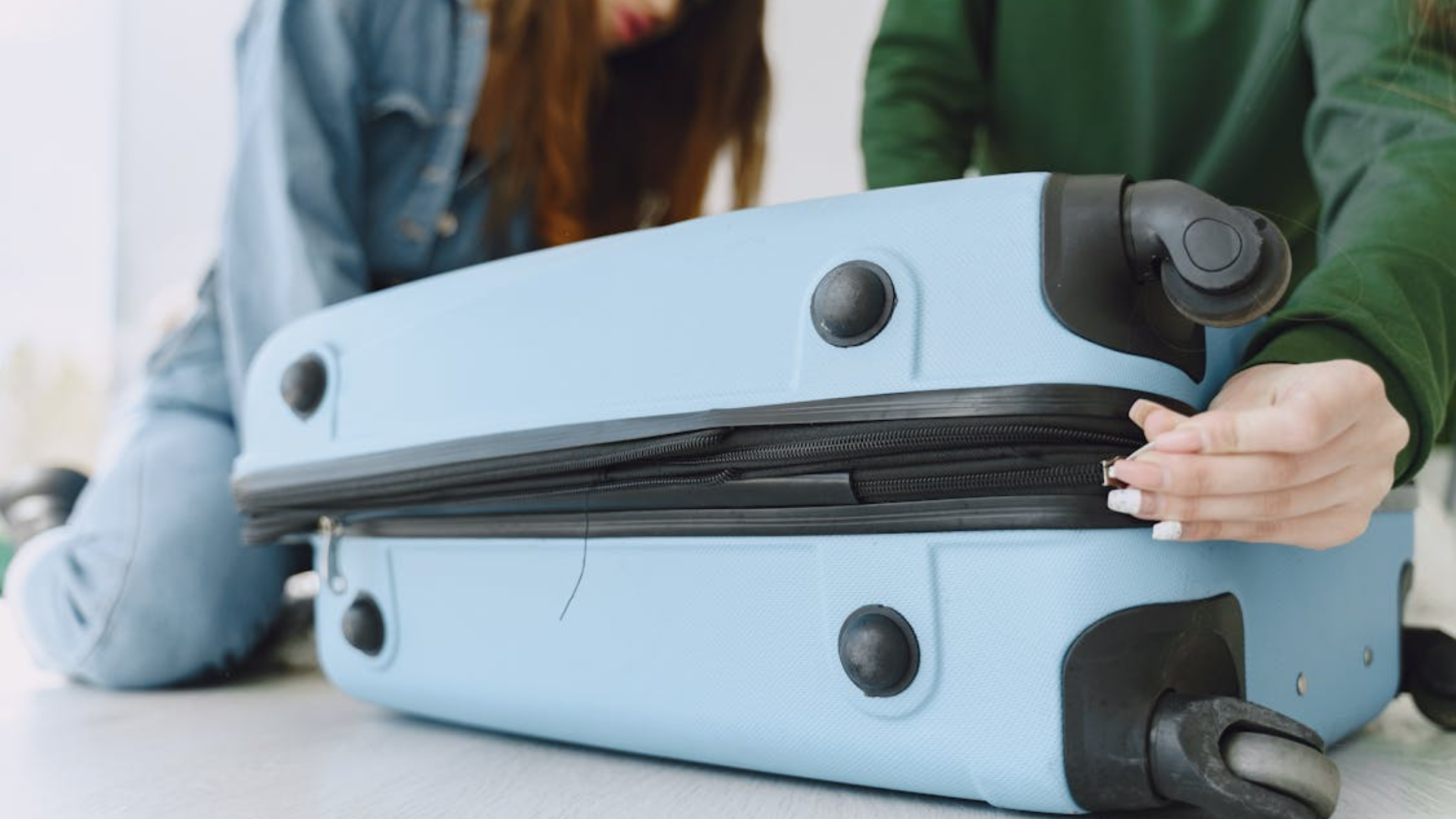
While a $10 increase per bag may not seem significant on its own, it reflects a much larger shift in how airlines are structuring their pricing, relying more heavily on optional fees to manage rising costs and maintain profitability. Over time, these incremental changes can add up, especially for frequent travelers.
The move also underscores how closely the airline industry is tied to global economic conditions, particularly fuel prices, which can quickly influence everything from ticket costs to onboard services. As long as these pressures remain, similar adjustments are likely to continue across the industry.
Ultimately, United’s decision to raise bag fees serves as a reminder that the cost of air travel extends beyond the ticket itself, and for many passengers, understanding these additional charges will be key to managing travel expenses in the months ahead.