Underground Homes Could Solve Some of America’s Major Housing Problems, but Experts Raise a Few Concerns
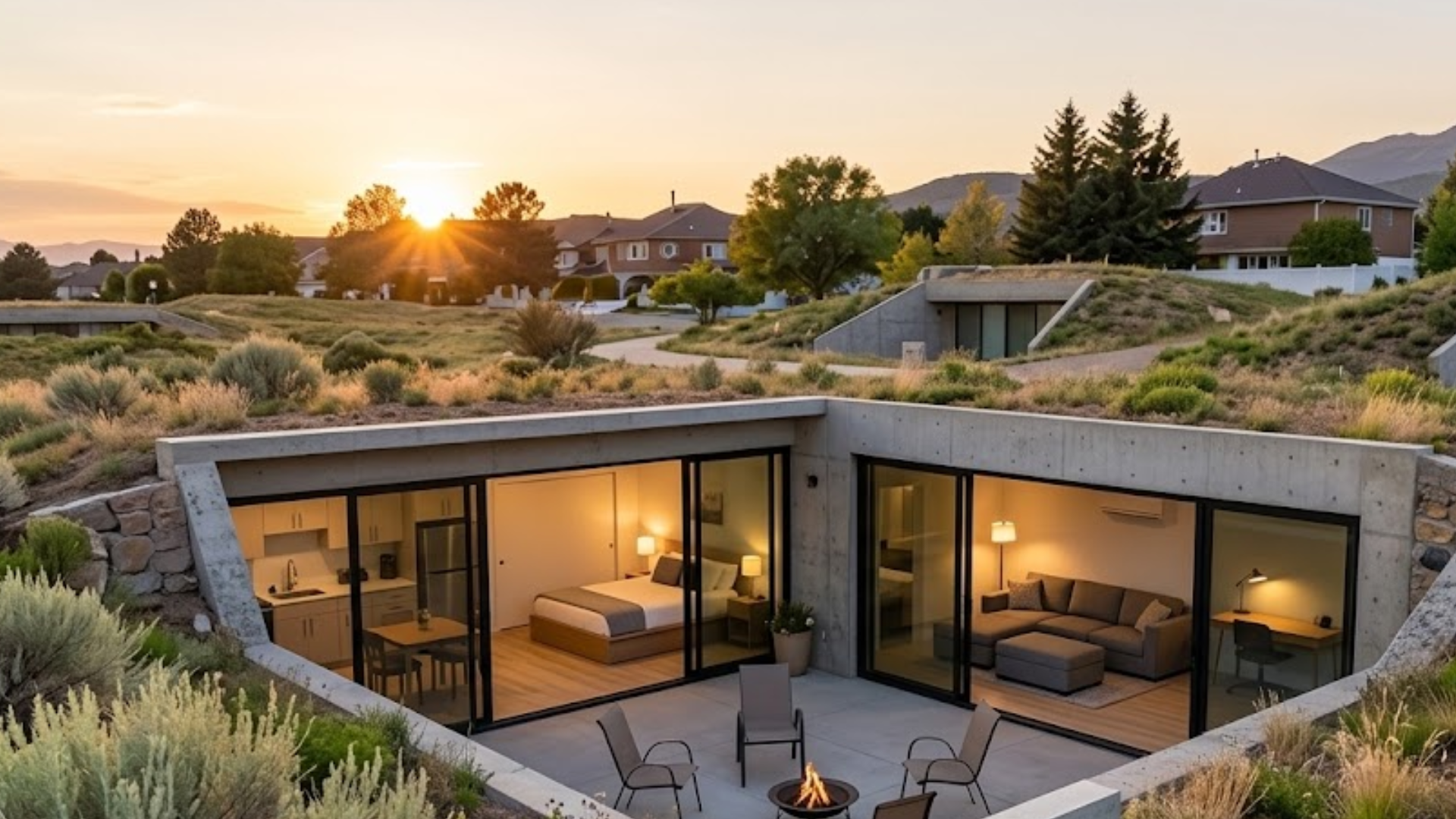

Architects studying how to build on the Moon have landed on a surprisingly old solution to a very modern problem: going underground. The lunar environment’s extreme conditions make subterranean construction genuinely appealing up there, but the same architects and engineers are now asking whether earth-sheltered homes could actually work for everyday life back here on Earth too.
This Building Method “Predates Modern Insulation Entirely”
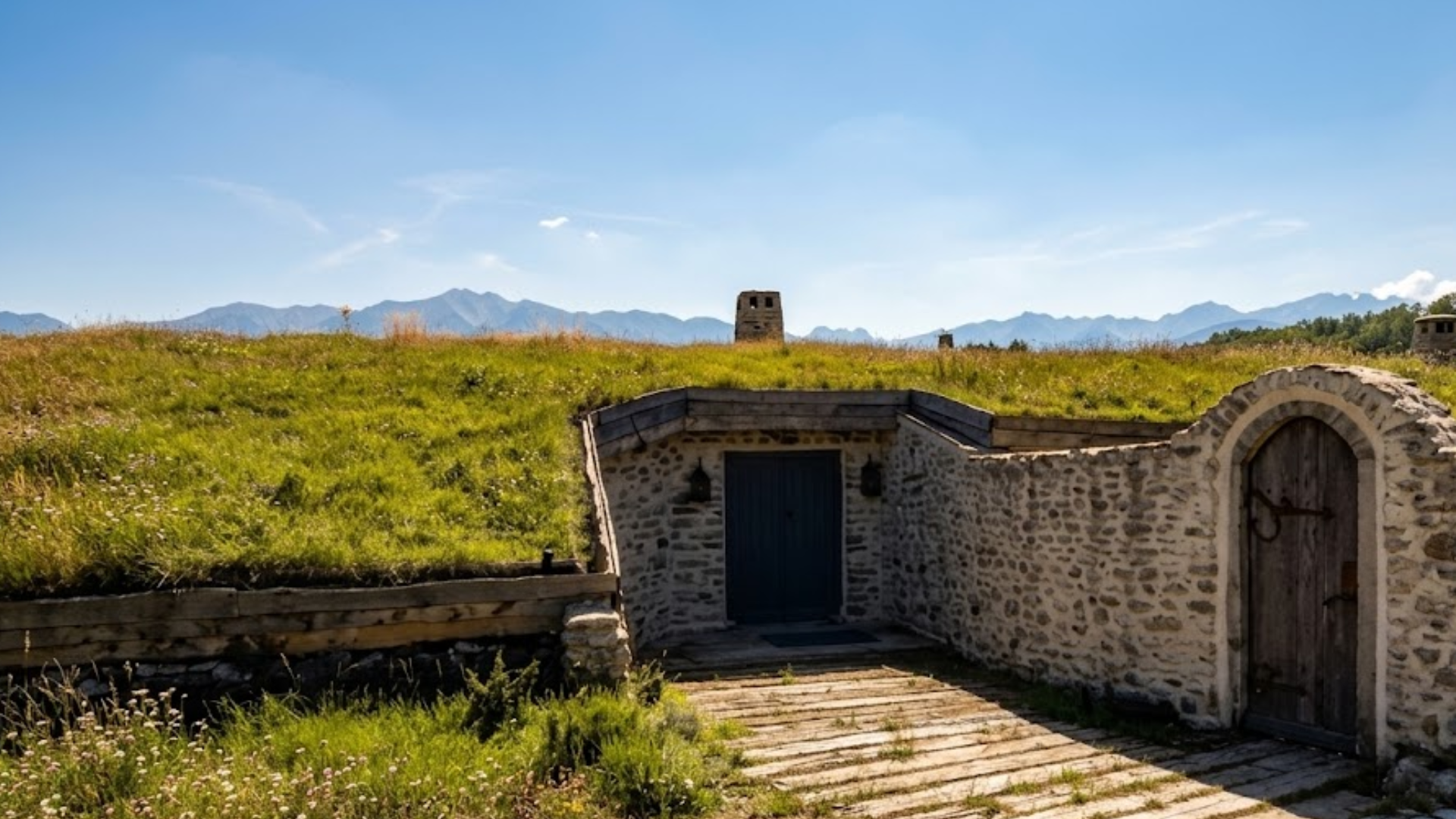
Underground living, formally called earth-sheltering, is a building tradition that “predates modern insulation entirely,” said Erla Dögg Ingjaldsdóttir, co-principal and founder of Santa Monica architecture firm Minarc. She points to Icelandic turf houses, or torfbæir, as an early example, where earth and turf packed against walls and roofs provided insulation against extreme cold back when timber was genuinely scarce.
From China to Arizona, Real Projects Already Exist
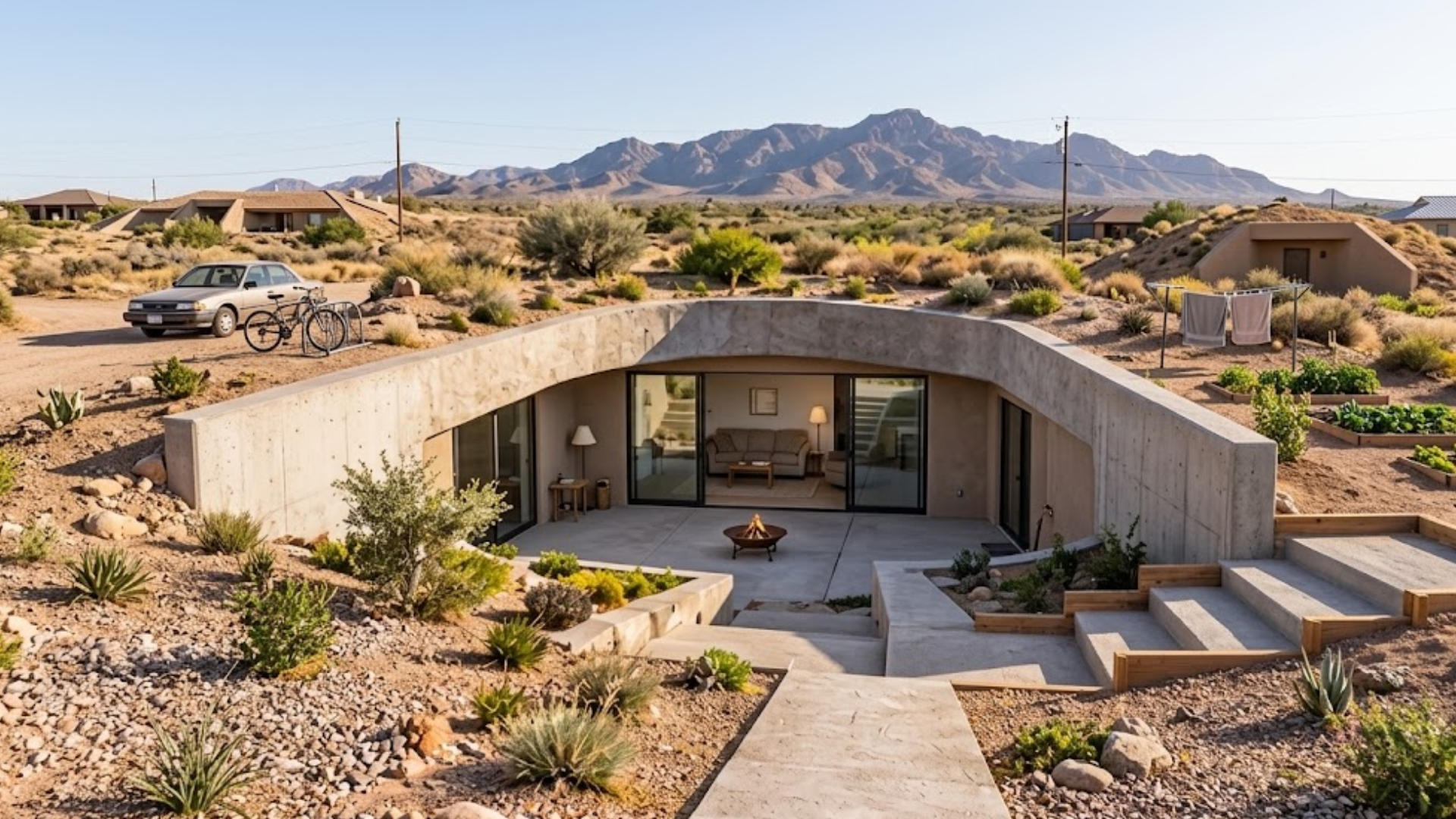
Modern interpretations of the concept have already shown up in real projects around the world. These include the “Underground House of the Future” in northern China, an earth-sheltered home built around a sunken courtyard in Scottsdale, Arizona, and Mexican architect Javier Senosiain’s Casa Organica, covered entirely in grass and soil to regulate indoor temperature naturally year-round.
Half This Australian Town Already Lives Underground
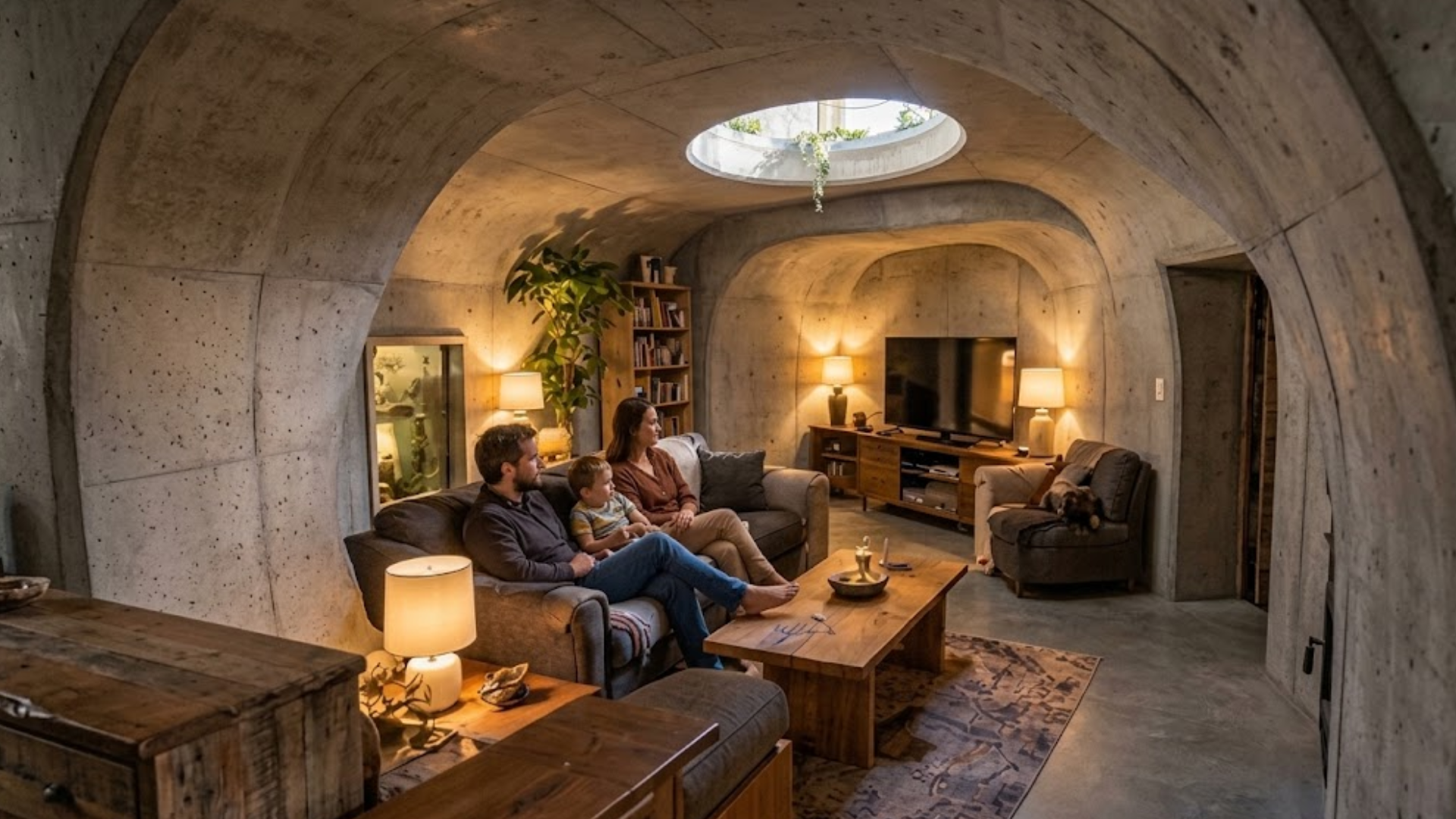
The Australian mining town of Coober Pedy offers perhaps the most striking real-world example of this at scale. Roughly half the town’s population lives underground, enjoying a remarkably stable year-round temperature between 73 and 77 degrees Fahrenheit, regardless of what’s happening on the surface above them at any given moment.
The Energy Savings Case Is Real and Well-Documented

The energy case for underground living is genuinely strong and well-documented, according to Ingjaldsdóttir. Soil temperature just a few feet down stays “remarkably stable” year-round, helping avoid the heating and cooling swings conventional homes constantly face. David Gilliland, CEO of climate-resilient housing nonprofit The Paulele Hale Association, agreed that earth-sheltering can significantly reduce heating and cooling demand while adding real protection from wind and wildfire.
Done Badly, It Becomes “a Very Expensive Swimming Pool”
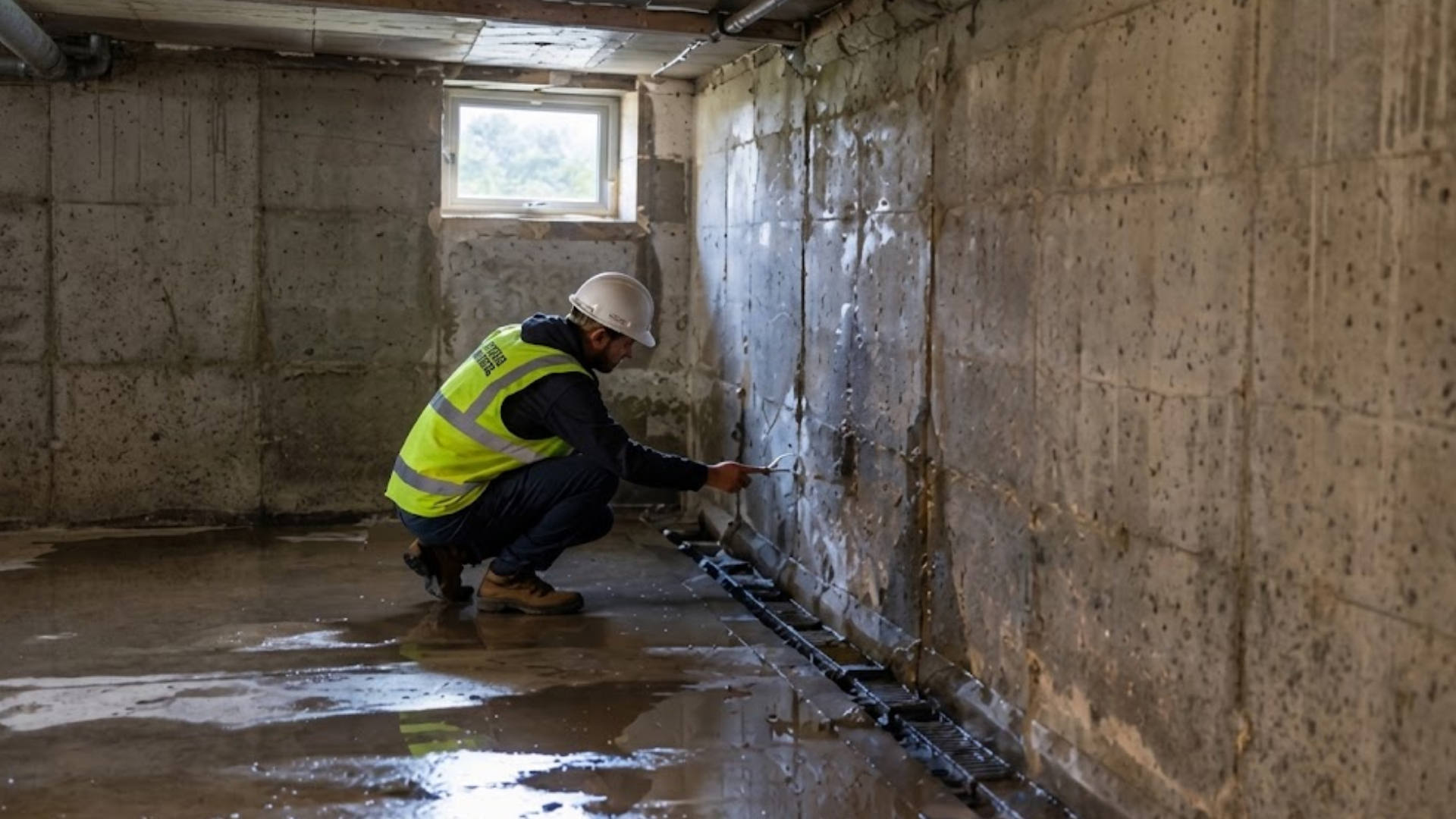
Those benefits come paired with genuine engineering risks that experts warn are often underestimated. Gilliland stressed that water intrusion, drainage, soil pressure, radon, ventilation, and emergency egress all require careful design from the very beginning. “An underground home done well can be remarkably efficient and durable; one done cheaply or badly can become a very expensive swimming pool,” he said.
Lenders and Appraisers Still Don’t Know What to Make of These Homes

Financing and resale present their own distinct hurdle beyond construction itself, according to Ingjaldsdóttir’s own experience. Appraisers and lenders remain far less familiar with underground homes, which can directly affect long-term property value. “None of it is a deal-breaker, but it takes an experienced team and a client willing to spend more upfront for the payoff later,” she said.
The Hardest Part Isn’t the Engineering, It’s Not Knowing What’s Down There
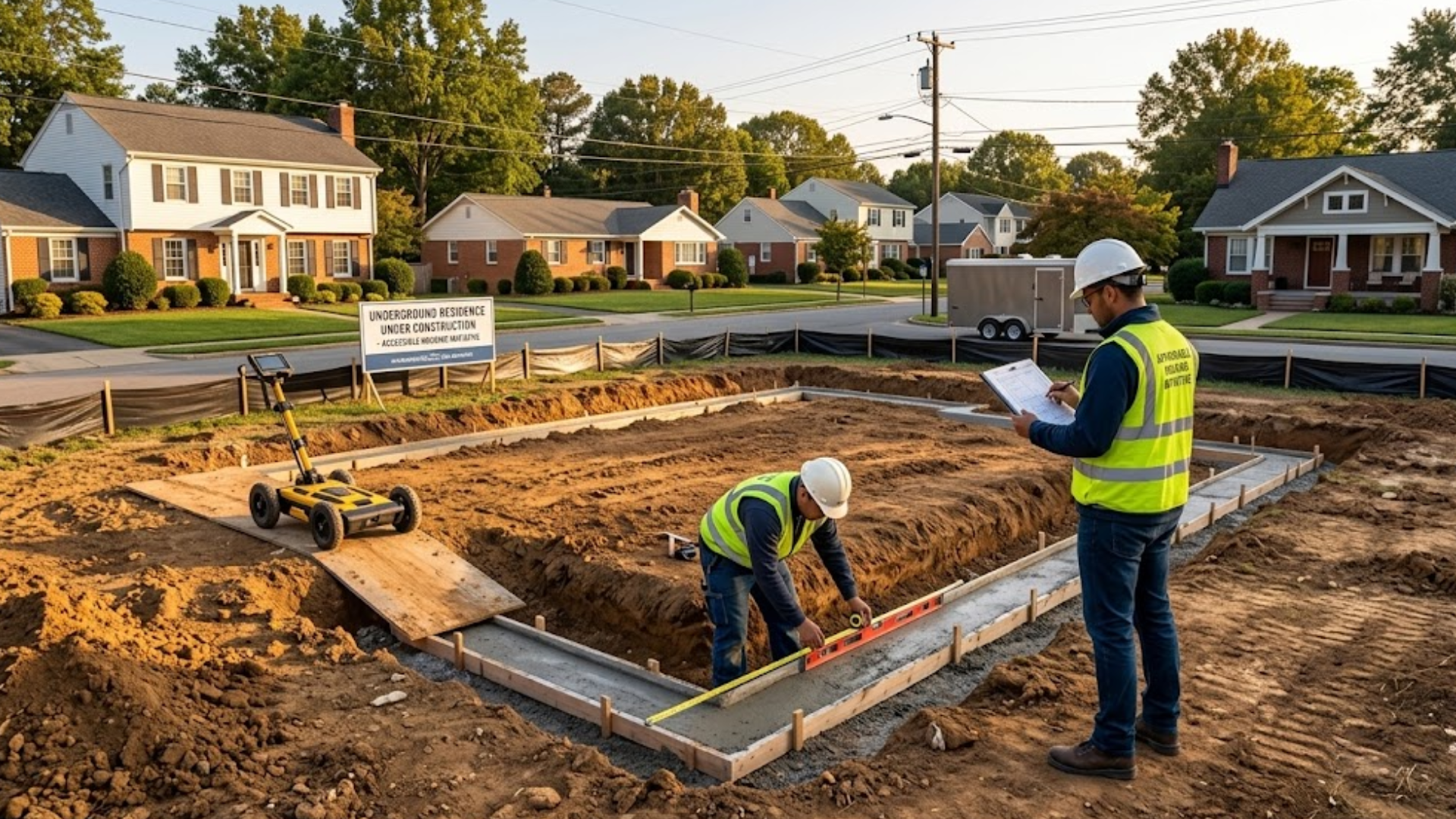
Before any digging even begins, there’s often a more basic problem: not knowing what’s already underground. “The hardest part of building underground isn’t the engineering, it’s the uncertainty about what’s already down there,” said Jeremy Suard, CEO of underground mapping company Exodigo. Damage to buried utilities alone costs the U.S. economy $83.2 billion annually across nearly 669,000 incidents, almost 90 percent occurring in urban areas.
The Real Obstacle Might Just Be Human Psychology
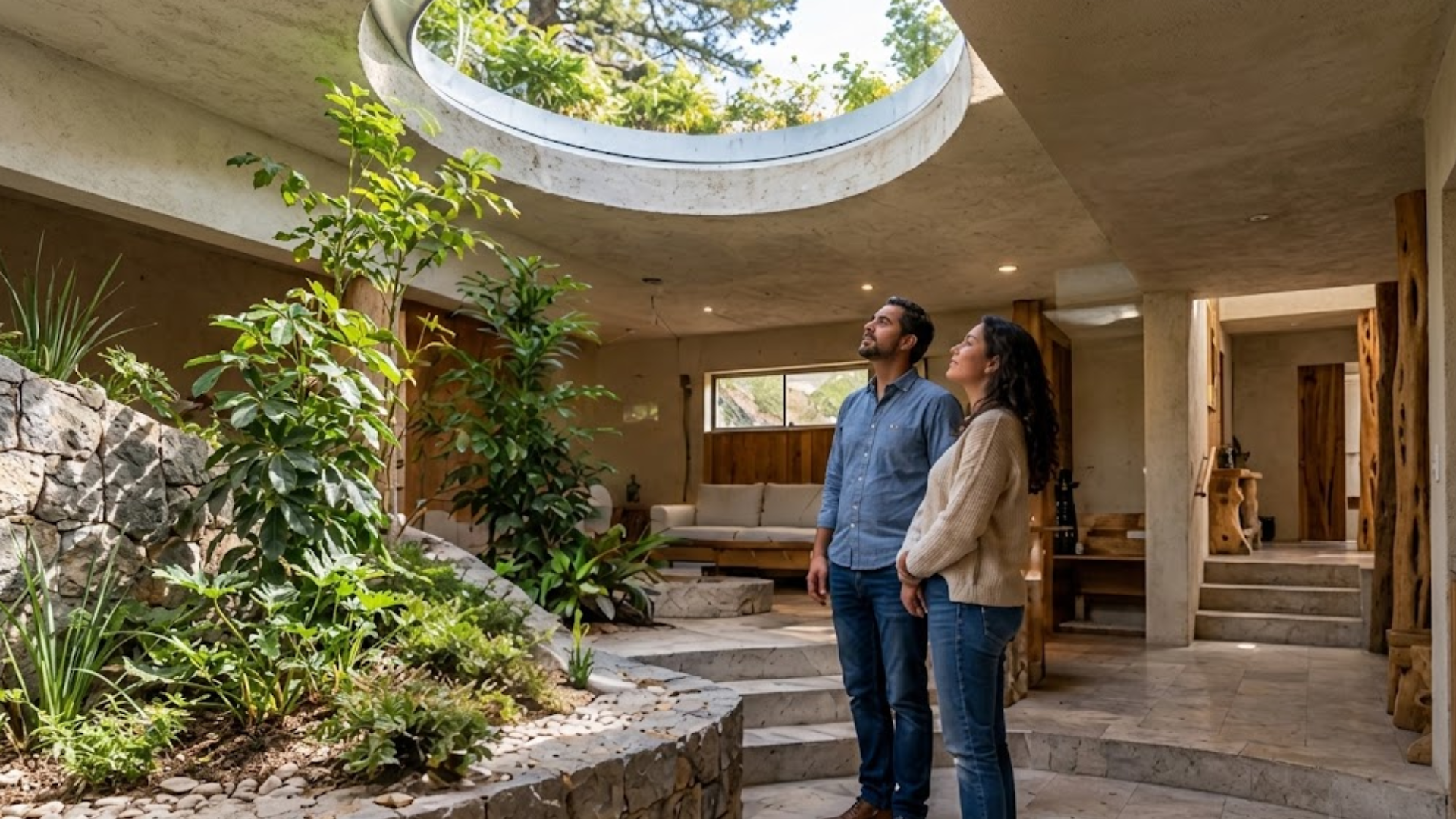
Despite all the engineering and financial hurdles, both Gilliland and Ingjaldsdóttir agree the biggest obstacle is ultimately psychological rather than technical. Most people are deeply attached to daylight, views, and what Ingjaldsdóttir calls “a conventional sense of arrival” at a front door. “That’s the real gating factor, more than the engineering,” she said, noting some buyers simply never grow comfortable with the idea.
Zoning Laws Weren’t Written With This in Mind at All
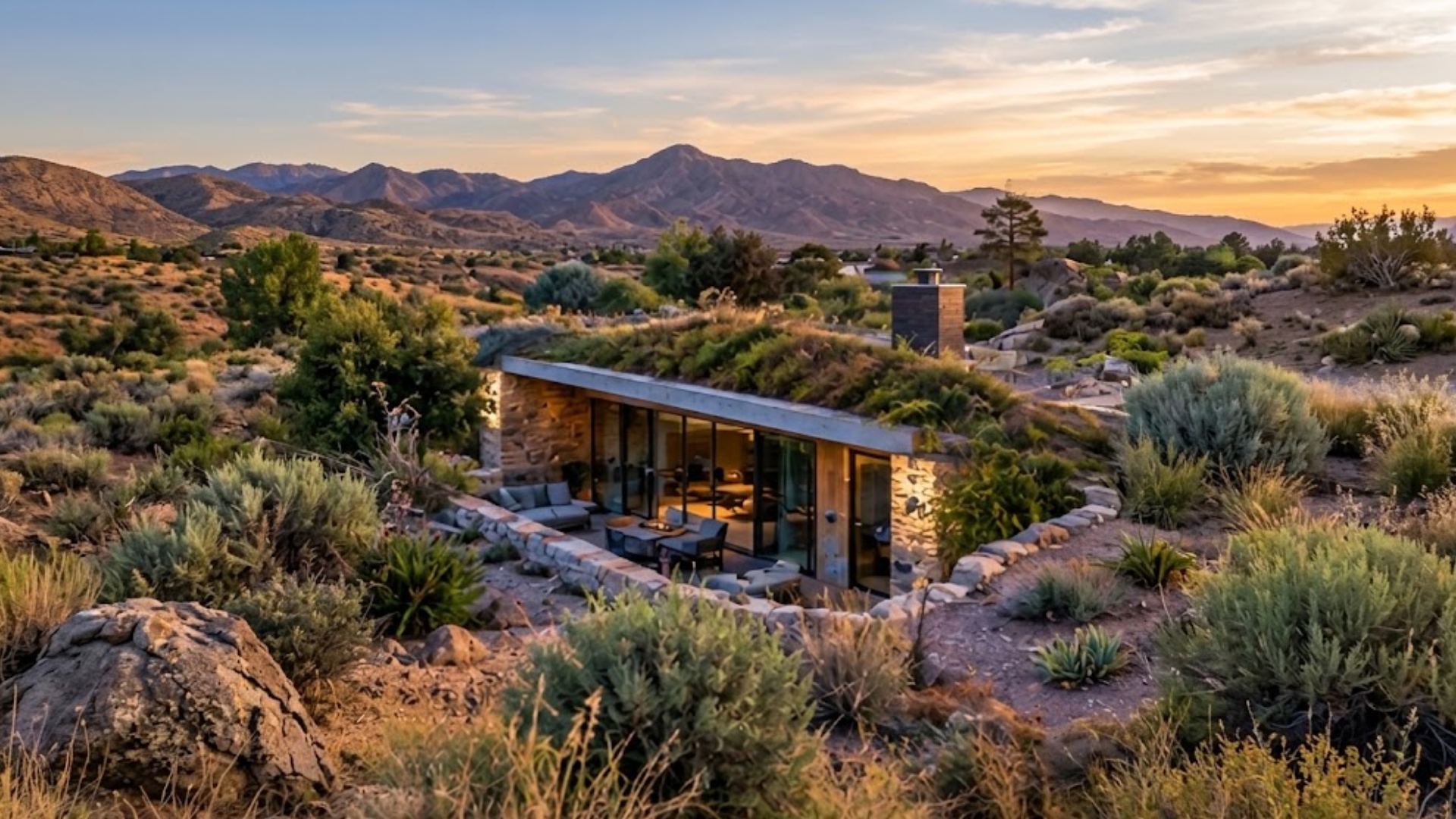
Zoning codes further complicate any path toward mainstream adoption, according to University of Denver professor Stefan Chavez-Norgaard, since many current regulations simply weren’t written with earth-sheltered homes in mind. Rather than becoming a mainstream default, Ingjaldsdóttir predicts earth-sheltering will keep growing mainly as a hybrid strategy, like green roofs and planted insulation layers, concentrated in wildfire- and heat-prone regions rather than spreading nationally.