Unclaimed COVID Tax Refunds Could Be Waiting for Millions of Americans
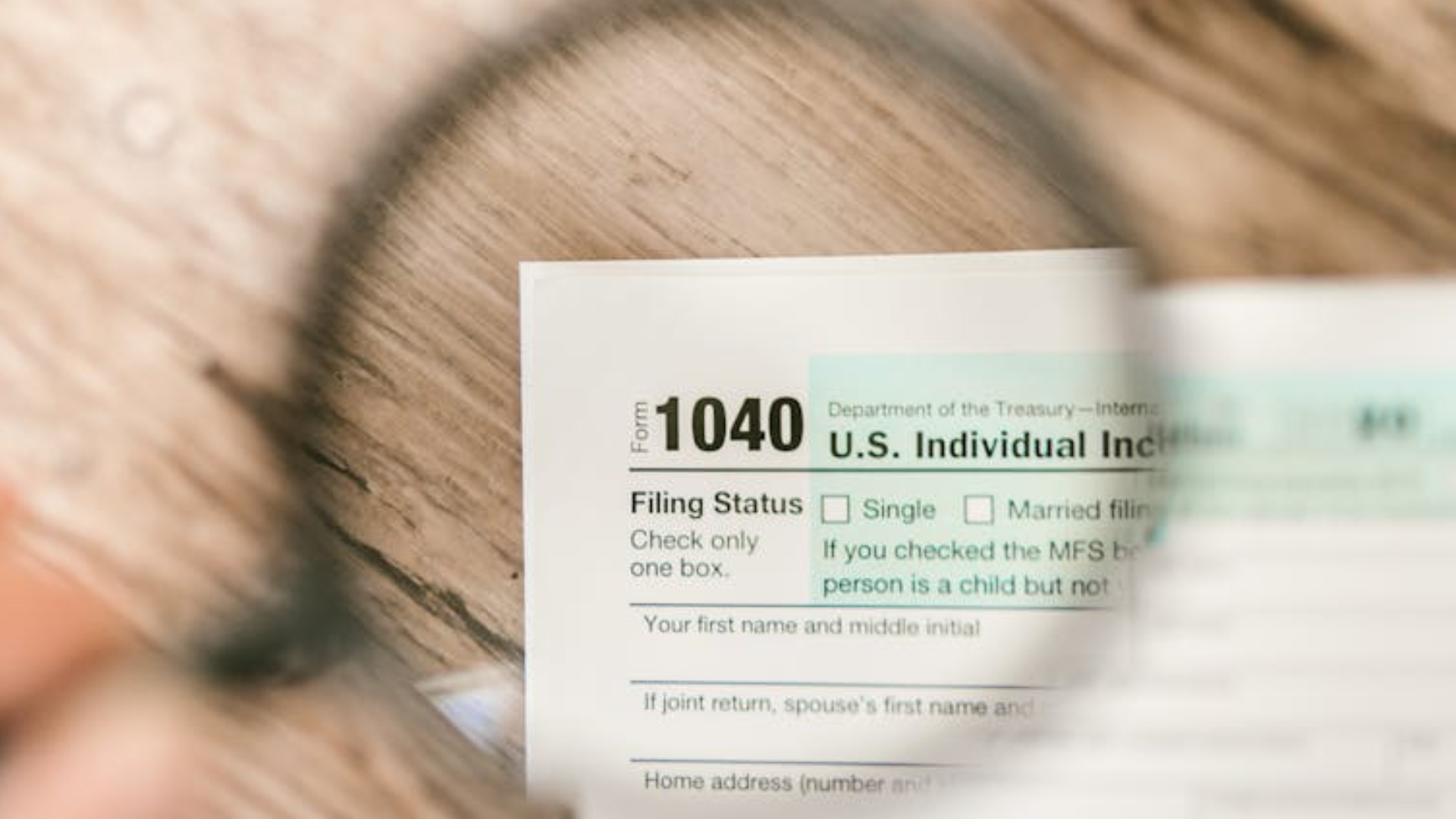

A little‑known tax opportunity could mean extra money for millions of Americans who paid penalties or interest during the COVID‑19 pandemic. A recent court ruling has opened the door for taxpayers to claim refunds from the Internal Revenue Service for fees that were charged during the pandemic, but only if they act soon.
The case, known as Kwong v. United States, concluded that many tax deadlines should have been extended during the pandemic, meaning penalties and interest imposed during that time may not have been legally owed. This has created a limited‑time chance for individuals and businesses to pursue refunds.
However, the window to file these claims is finite, and experts warn that missing it could mean leaving potentially significant refunds unclaimed, even if a taxpayer is eligible. Time is running out for those who want to secure this money.
Who Might Be Owed a Refund
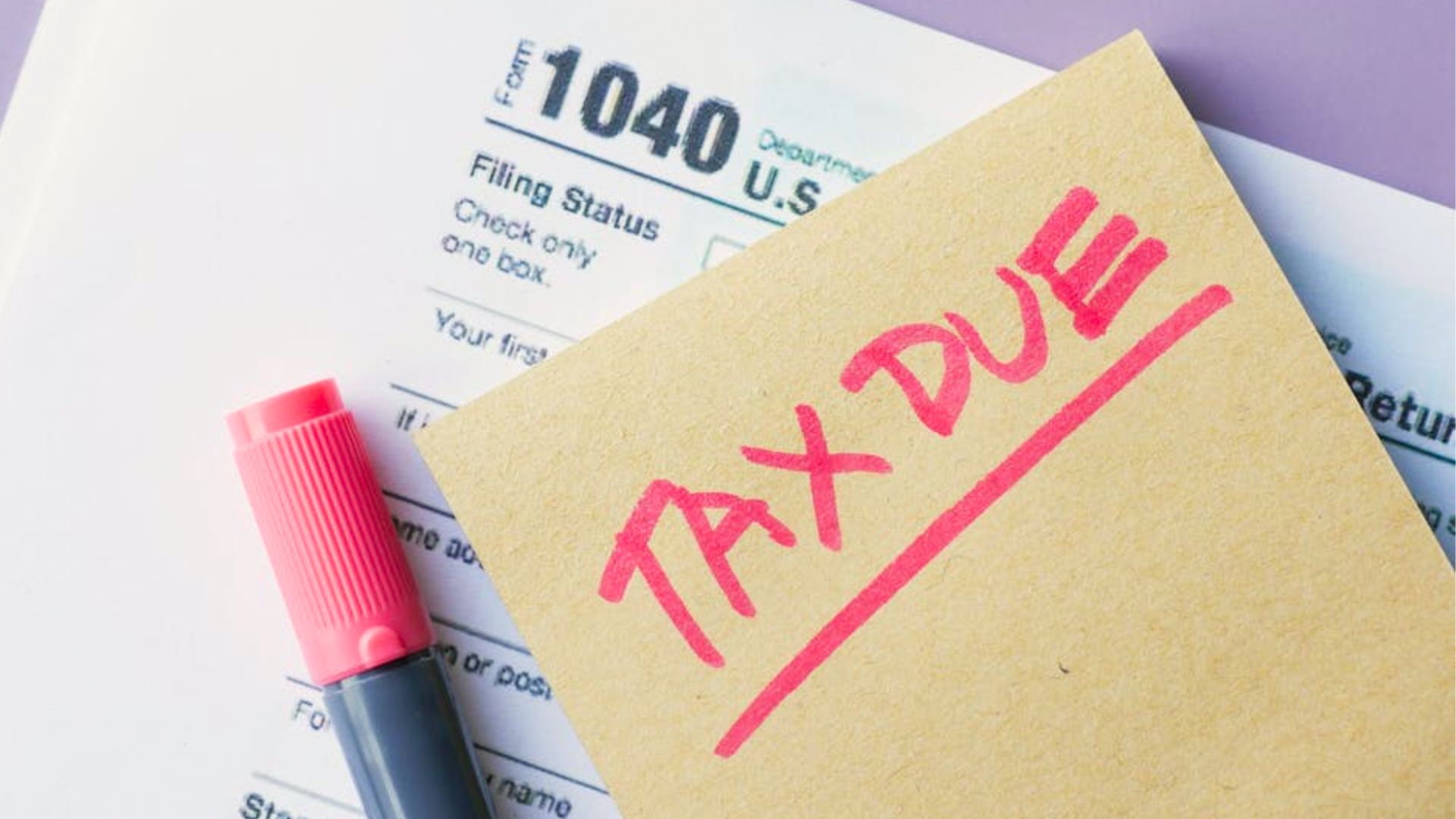
The refunds are related to penalties and interest charged on late returns or late tax payments filed between January 20, 2020 and July 10, 2023, a period when federal disaster‑relief tax provisions were in effect but not consistently applied. Individuals and businesses who were assessed these charges may qualify for a refund.
To find out if you qualify, taxpayers should review their IRS tax transcripts for any fees paid during that timeframe. These transcripts can be accessed online through the IRS “Where’s My Refund?” tool or by requesting copies directly from the agency.
If penalties or interest were wrongly assessed, taxpayers can file a protective refund claim using IRS Form 843. This special form allows filers to request reimbursement for those charges, and it can be submitted by taxpayers or their tax professionals.
Act Now Before the Deadline
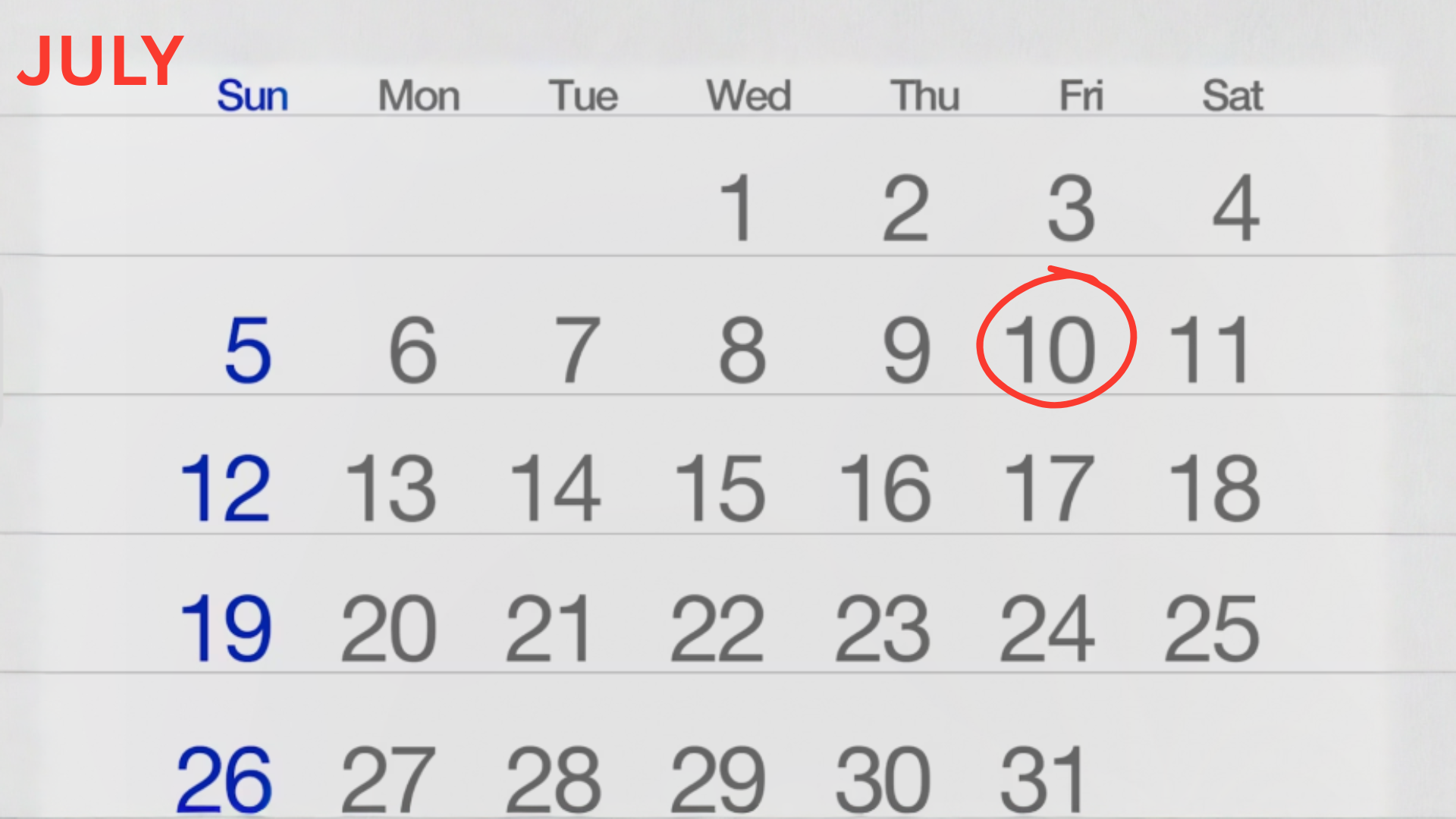
The deadline to request a pandemic‑era refund is July 10, 2026, which falls under standard statute‑of‑limitations rules for tax refund claims tied to the extended filing period. Missed deadlines could mean forfeiting your right to reclaim those funds forever.
Tax professionals stress that taxpayers should not wait until the last minute to gather documents and prepare claims, as reviewing past tax filings and identifying eligible penalties can take time. Filing early increases the chance of a successful refund request.
It’s also important to watch out for scams; the IRS will never contact individuals by phone or email to demand personal information about refunds, so be sure to use official IRS tools or consult a trusted tax advisor.
Don’t Leave Money on the Table

For many Americans, unclaimed COVID tax refunds represent money that could help with everyday expenses, savings, or debt, but only if they take action before the official deadline. The opportunity to recover these funds is rare and tied to a unique legal decision that corrected how pandemic‑related deadlines were interpreted.
Acting soon gives taxpayers the best chance to claim these refunds and put cash back in their pockets. Reviewing old tax returns, checking IRS records, and filing the appropriate forms now may lead to unexpected financial relief.
As the clock counts down, experts urge anyone who filed taxes during the pandemic years to double‑check their records and consult a tax professional if they have questions about eligibility or the claims process. With the deadline approaching, unclaimed refunds could still be waiting for those who qualify.