UN Declares ‘Water Bankruptcy’ With No Way Back, 50% of Earth’s Lakes Depleted

A new United Nations report published Tuesday declares humanity has plunged into “an era of global water bankruptcy” with no path to recovery. According to the study in the journal Water Resources, people are extracting water from rivers, lakes, wetlands, and underground aquifers far faster than rain and snow can replenish them. Kaveh Madani, director of the United Nations University’s Institute for Water, Environment and Health and the report’s lead author, says this overuse has caused permanent, irreversible damage to Earth’s water systems.
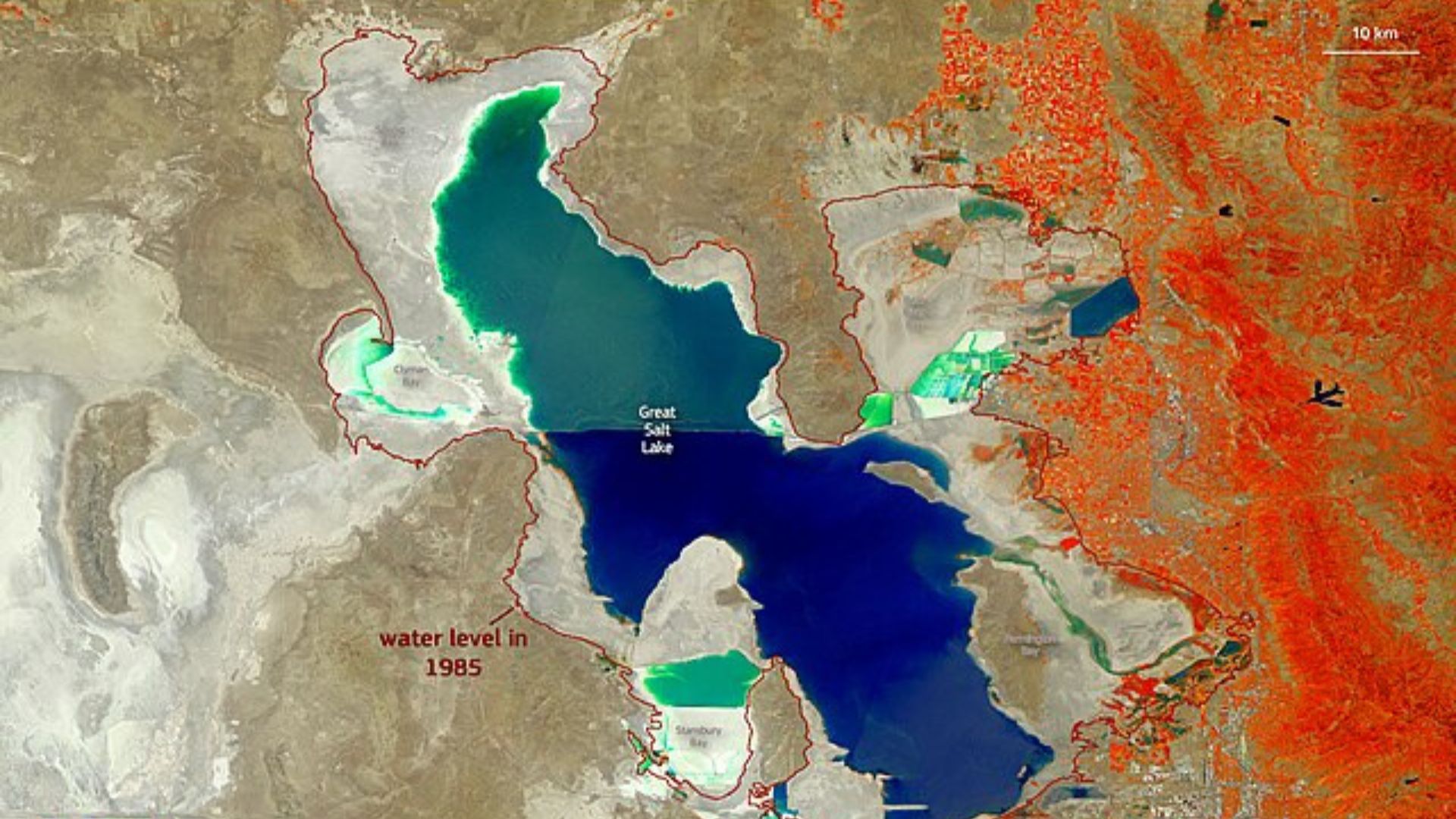
The data paints a dire picture of global water depletion. More than 50% of the planet’s large lakes have lost water since 1990, according to the report. Roughly 70% of major aquifers are declining long-term, while wetlands covering an area nearly the size of the European Union have vanished over the past 50 years. Glaciers have shrunk 30% since 1970. Widespread droughts now cost an average of $307 billion each year, and some 4.4 billion people experience water scarcity at least one month annually.
Madani argues that calling this a “water crisis” or describing regions as “water stressed” misrepresents the reality. “If you keep calling this situation a crisis, you’re implying that it’s temporary. It’s a shock. We can mitigate it,” he told CNN. The bankruptcy framework acknowledges that while mitigation remains important, humanity must “adapt to a new reality, to new conditions that are more restrictive than before.” The goal shifts from restoration to managing a permanently reduced water supply.
Climate Change and Overuse Have Caused Irreversible Damage to Water Systems
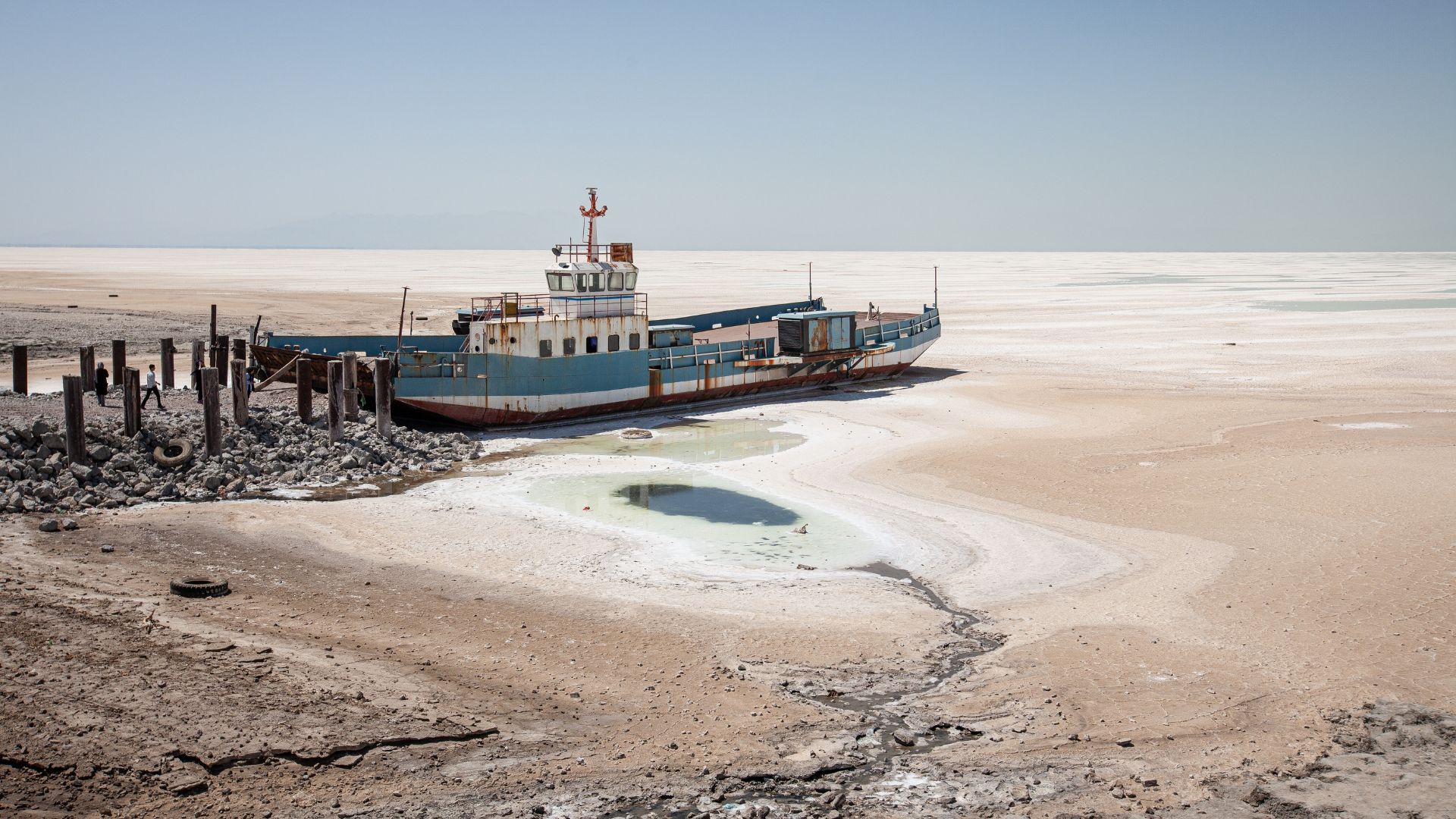
Human activity has inflicted irreversible harm on the systems that generate, regulate, and store freshwater, the report states. Fossil fuel combustion has driven temperatures higher, altering where and when precipitation falls while accelerating evaporation rates across landscapes. Deforestation and development have eliminated ecosystems that naturally filter and purify rainwater. Excessive pumping causes subterranean aquifers storing groundwater to collapse structurally, permanently reducing their storage capacity. Mountain glaciers that accumulated over centuries or millennia continue melting and will not regrow within human lifetimes.
The UN framework compares Earth’s water to a financial system where nature deposits income through precipitation, but humanity withdraws resources faster than they regenerate. Climate change intensifies the deficit by driving heat and drought that reduce available water supplies. The consequences include shrinking rivers and lakes, disappearing wetlands, falling aquifer levels, land subsidence and sinkholes, expanding deserts, diminishing snowpack, and retreating glaciers. The compounding effects leave less water available even as global demand continues rising, deepening the crisis further.
Pollution compounds the depletion crisis. Human waste, agricultural runoff, and industrial operations contaminate dwindling freshwater reserves. “Many regions are living beyond their hydrological means,” and returning to previous conditions is now impossible, Madani said. The report states, “what appears on the surface as a crisis is, in fact, a new baseline.” Losses are unavoidable at this stage, and the central challenge becomes “preventing further irreversible damage while reorganizing the system” around significantly reduced water availability rather than attempting full recovery.
Water Depletion Threatens Major Cities and Entire Populations
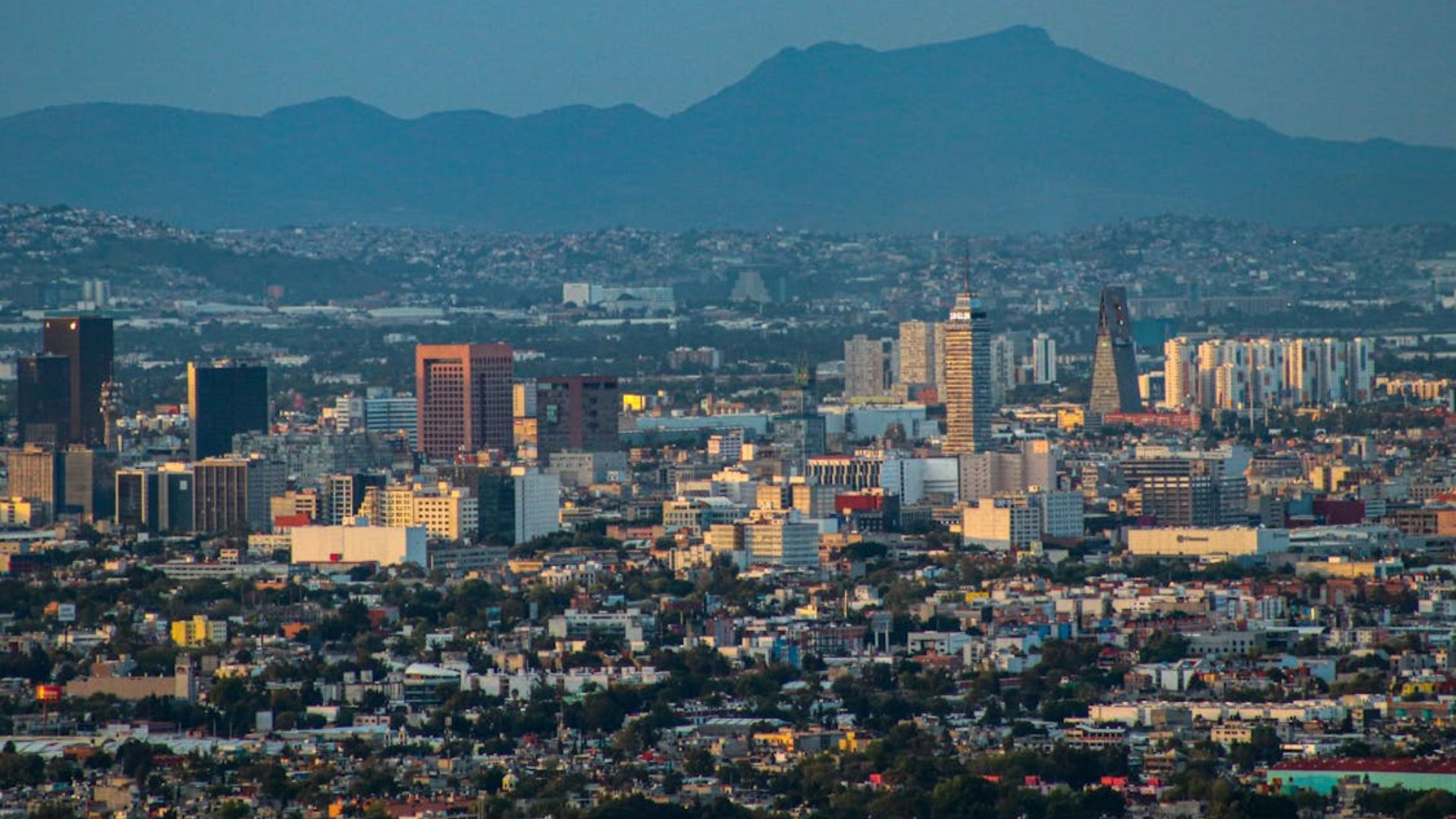
Water emergencies threaten populations worldwide as essential supplies dwindle. Afghanistan’s capital, Kabul, may become the first modern city to completely exhaust its water, according to the report. In Mexico, the capital sinks roughly 20 inches annually as pumping drains the massive aquifer beneath the metropolis. Cities including Cape Town, South Africa, and Chennai, India, have approached “day zero” scenarios where taps would run dry for millions of residents. These crises affect urban areas regardless of size, wealth, or geographic location, researchers noted.
Western US states remain locked in ongoing disputes over the diminishing Colorado River, where drought has permanently reduced flows. Madani emphasized that water allocation agreements rest on environmental conditions that no longer exist. The situation isn’t temporary, he said, but rather “a permanent new condition, and we have less water than before.” Hydropower facilities from Zambia to Nevada have watched reservoir levels fall to depths where electricity generation becomes impossible, compounding energy challenges and demonstrating how water scarcity cascades across multiple sectors.
The Middle East and North Africa face particularly severe water stress combined with extreme climate vulnerability, the report notes. Madani, born in Tehran, recalled watching archival footage where narrators described Iran’s capital facing a water “crisis” decades ago. Today, the same terminology describes ongoing shortages that have prompted President Masoud Pezeshkian to consider evacuating Tehran entirely. Water scarcity across Iran has triggered rationing, electricity cuts, and rising food costs, economic pressures that helped fuel the country’s current mass protest movement and subsequent government crackdown.
Experts Call for Complete Restructuring of Global Water Management
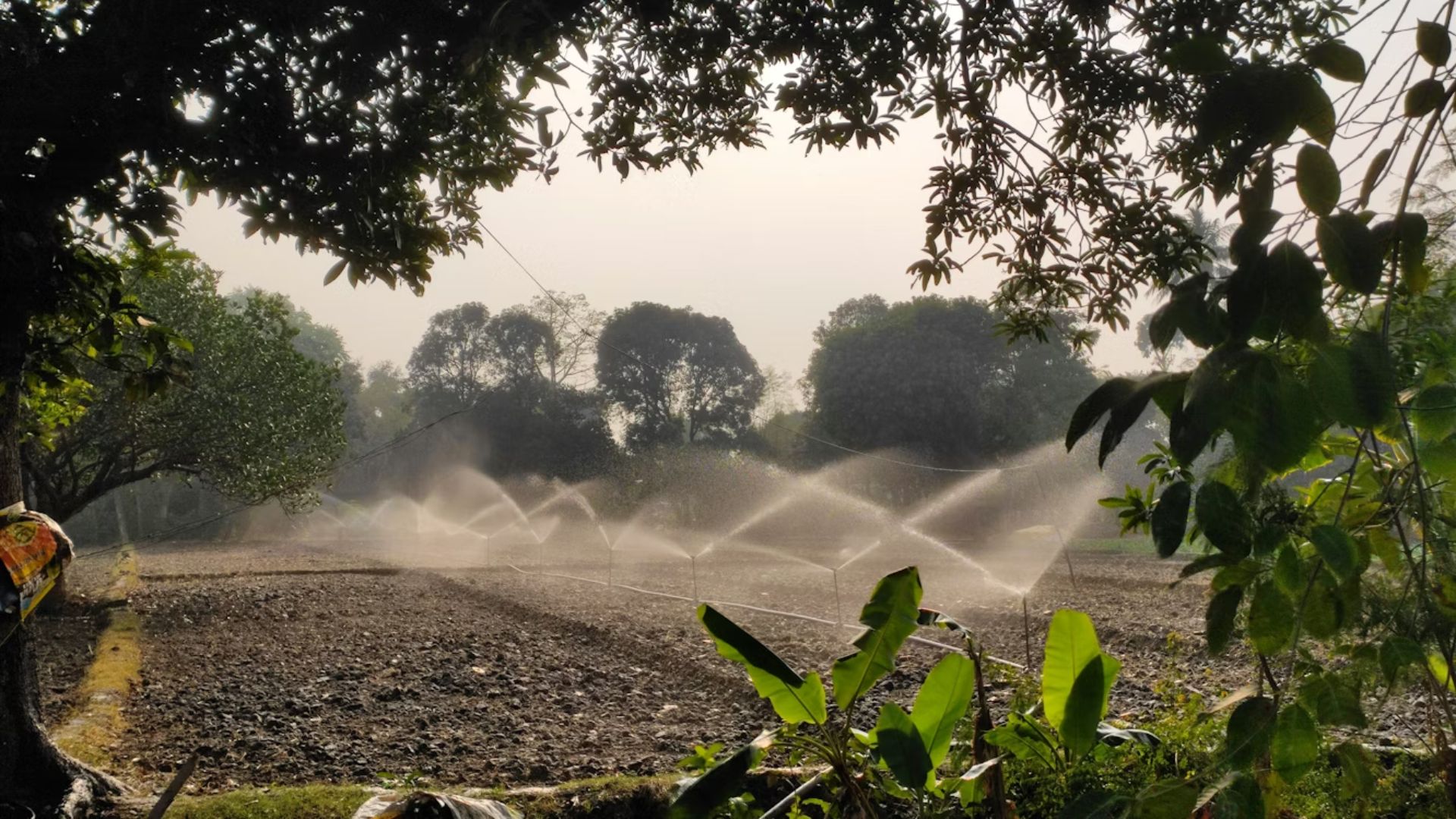
Transforming agriculture represents the greatest opportunity for change, according to the report. Farming consumes 70 percent of global water usage, making it the primary target for reform. Governments may need to restrict irrigation and groundwater extraction or mandate transitions to crops requiring less water, said Rabi Mohtar, a hydrologist leading the Water-Energy-Food Nexus Research Group at Texas A&M University. Additional measures include implementing regulations preventing pesticides, fertilizers, and agricultural runoff from polluting already scarce water supplies.
Additional strategies include better water monitoring, reducing pollution, and strengthening protections for wetlands and groundwater, the report states. Just as companies filing Chapter 11 bankruptcy must restructure operations and renegotiate contracts, nations should reassess actual water availability and prioritize among competing claims. Solutions may require limiting development in water-stressed areas. Cities including Los Angeles, Las Vegas, and Tehran have encouraged expansion despite constrained supplies, Madani noted, where “everything looks right until it’s not,” and recovery becomes impossible.
Recognizing water bankruptcy enables countries to shift from reactive crisis management toward long-term damage mitigation strategies, Madani said. Water issues could serve as a “bridge in a fragmented world,” the report authors wrote, providing common ground that transcends political divisions. “We are seeing more and more countries appreciating the value of it and the importance of it, and that’s what makes me hopeful,” Madani said. Addressing water challenges also yields benefits beyond hydration, including improved air quality from restored wetlands and enhanced carbon absorption in replenished soils.