Students Boo Graduation Speaker After She Calls AI the “Next Industrial Revolution”
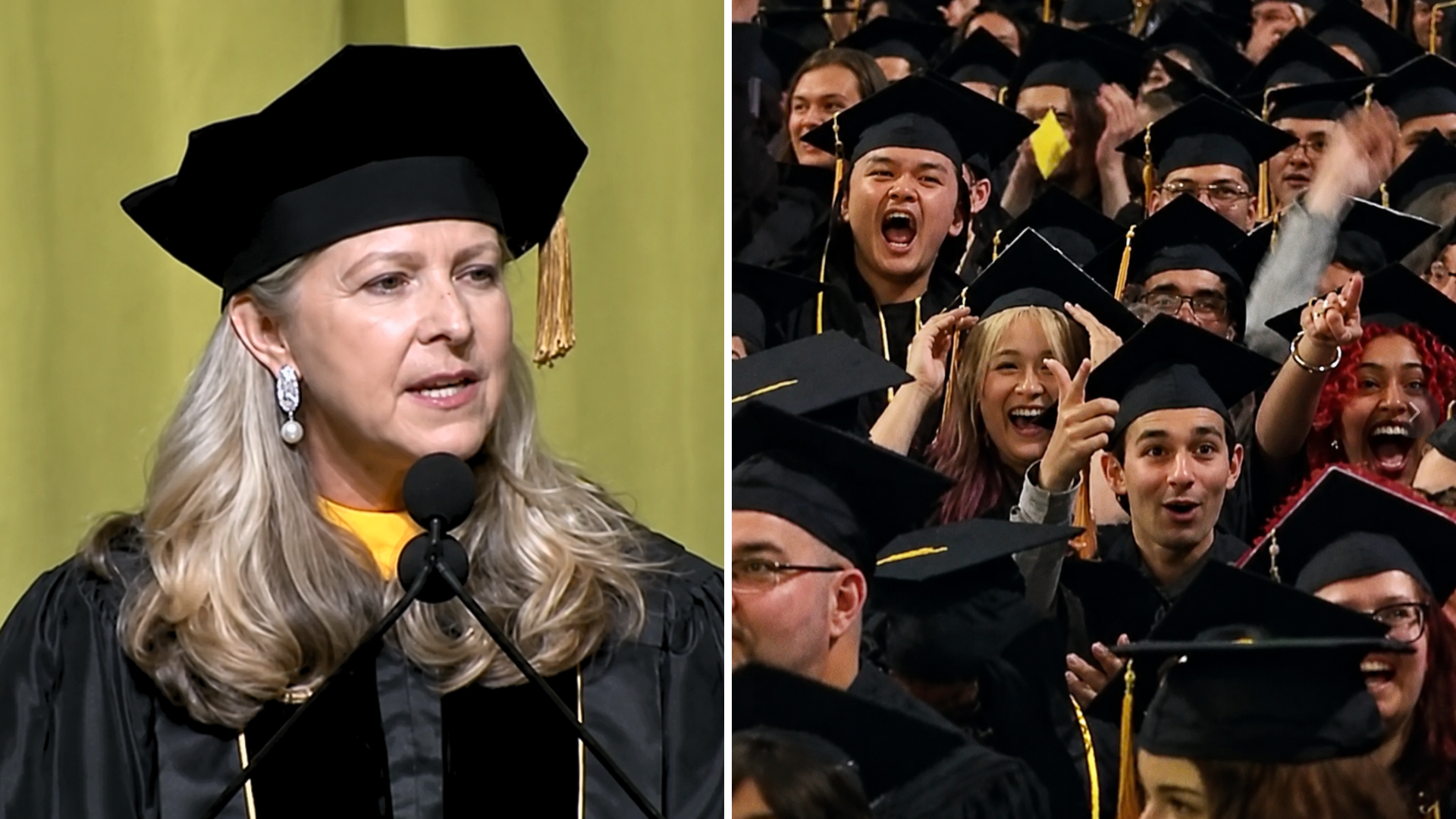

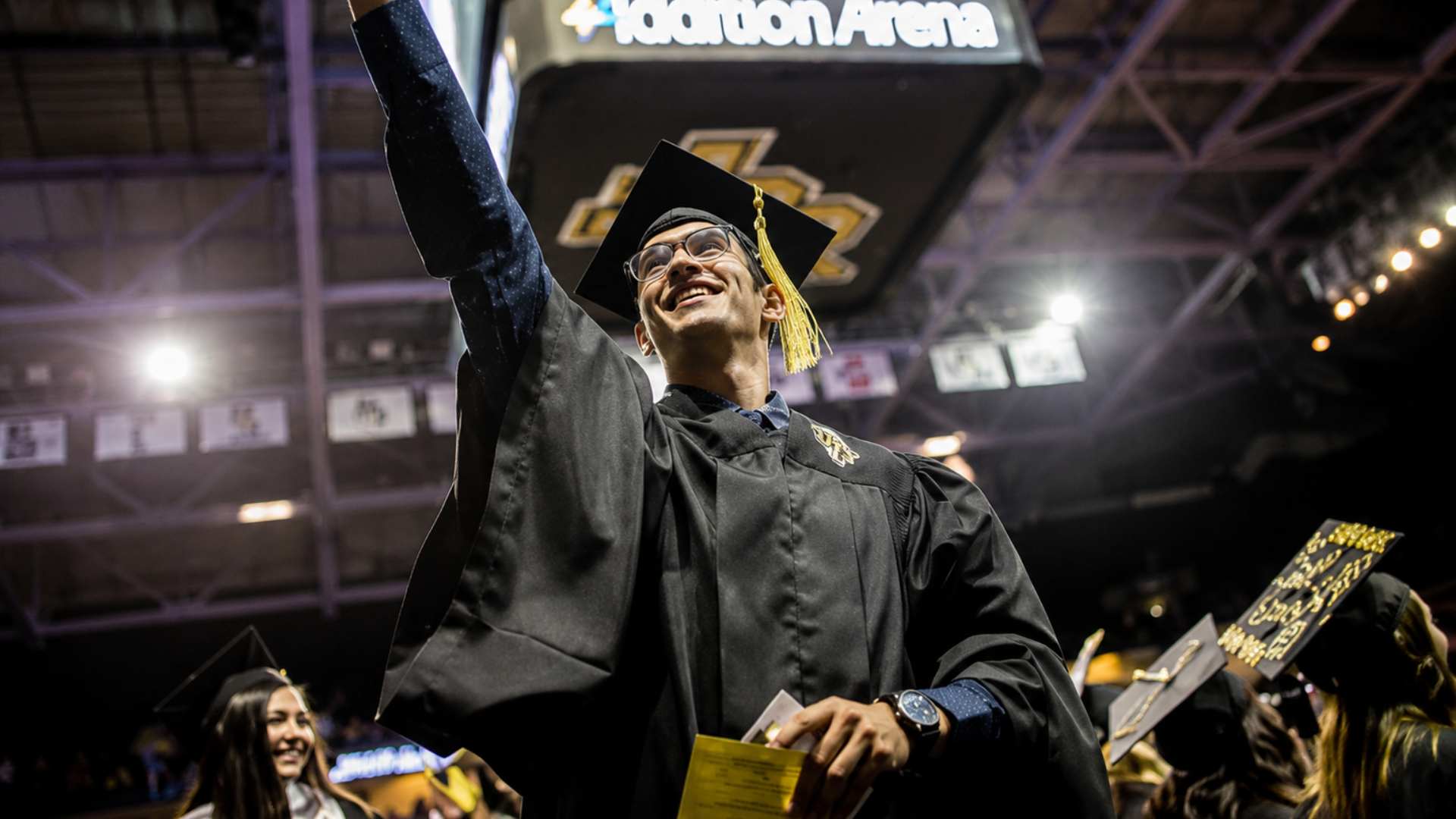
At the University of Central Florida’s commencement ceremony on Friday evening, a guest speaker made a comment about artificial intelligence that she did not expect would go the way it did. Gloria Caulfield, President of the Lake Nona Institute and Vice President of Strategic Alliances at Tavistock, was midway through prepared remarks when she said the rise of AI was “the next Industrial Revolution.” The graduates, thousands of them, started booing. Caulfield laughed nervously, looked behind her, and asked: “Whew! What happened?” The crowd got louder. Someone yelled “AI sucks.” The moment went viral within hours.
Where It Happened and Who Was in the Room
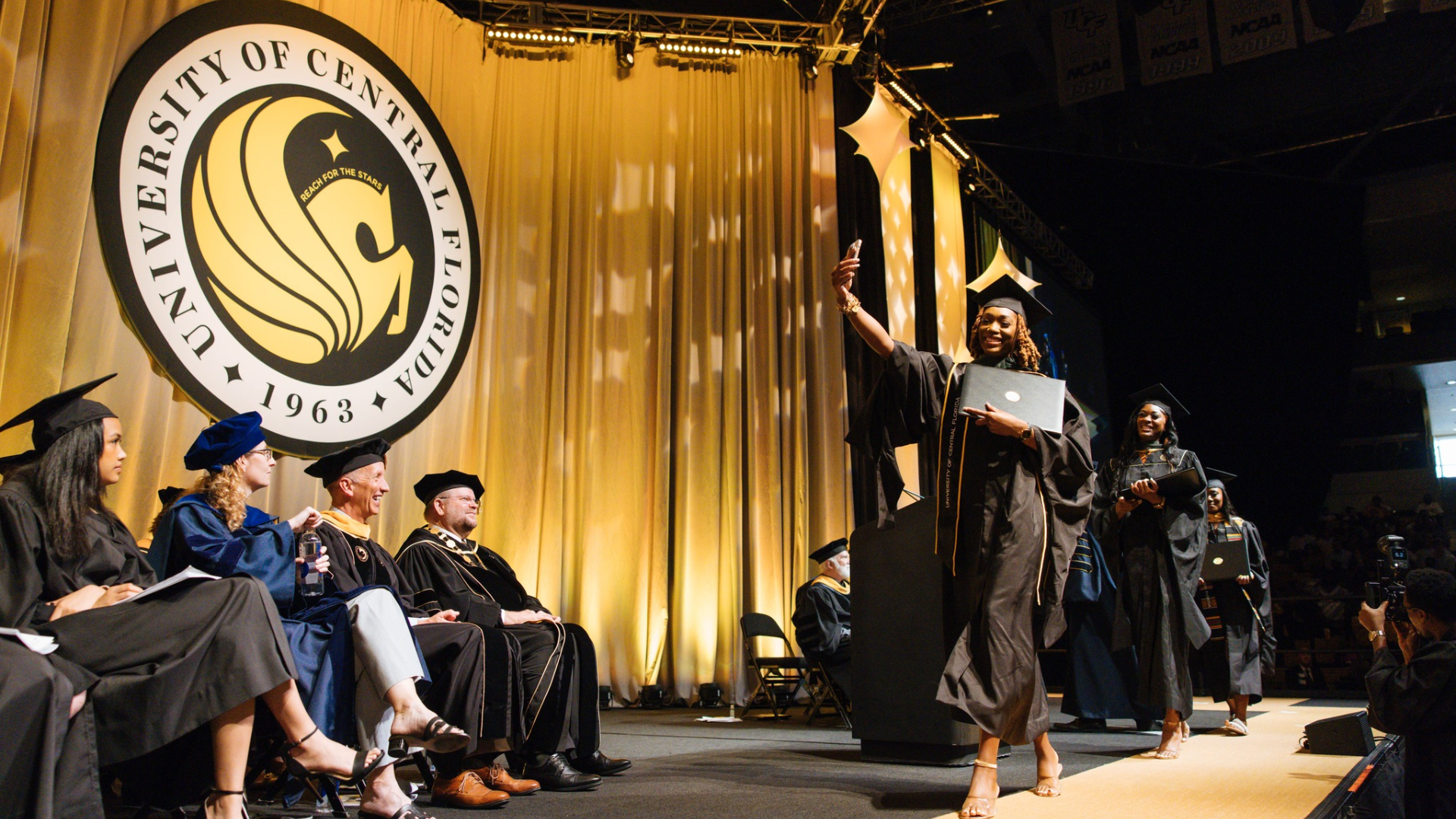
UCF, located in Orlando, Florida, has the second-largest public university enrollment in the United States. The university manages its large graduating classes by holding separate ceremonies divided by college. The Friday evening ceremony was specifically for graduates of UCF’s College of Arts and Humanities and the Nicholson School of Communication and Media. The students in the room had majored in fields including journalism, communications, film and television production, digital media, advertising, public relations, and the humanities. These are among the fields most frequently cited in discussions about AI’s negative effects on employment and creative industries. In hindsight, the audience was not a neutral one for this particular message.
What Caulfield Was Saying When It Happened
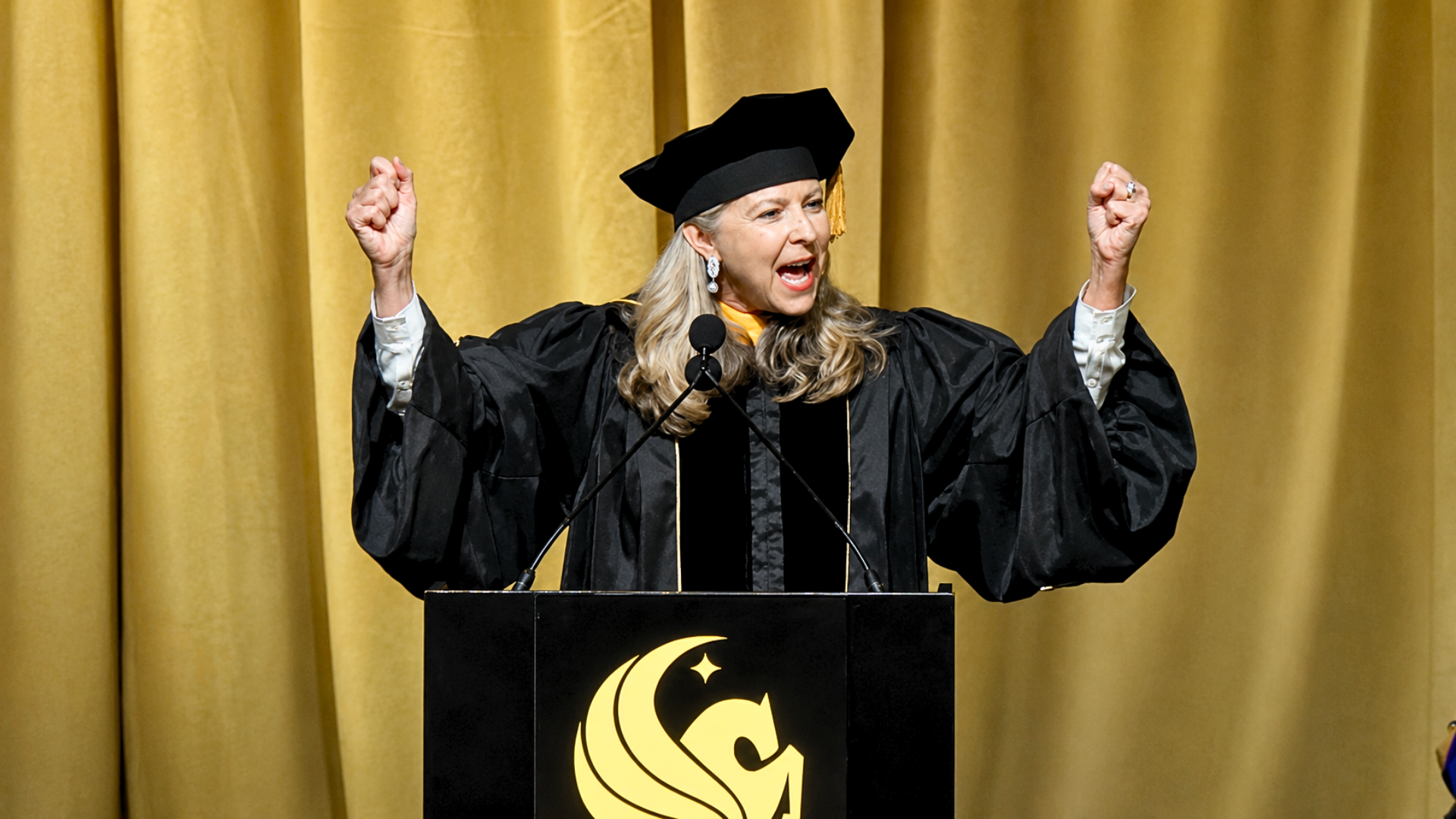
Caulfield was in the middle of a broader point about change and technological innovation when the moment unfolded. She told the graduates they were “living in a time of profound change” and described that change as both exciting and daunting. Then she said the rise of artificial intelligence was “the next Industrial Revolution,” and the booing began. She paused, acknowledged the reaction, and asked if she could finish. When she noted that “only a few years ago, AI was not a factor in our lives,” the crowd cheered loudly. When she then said “AI capabilities are in the palm of our hands,” the booing returned. Caulfield responded each time by acknowledging the energy in the room and pressing forward.
A Graduate Explained Why the Room Reacted the Way It Did

Orlando Weekly reporter Chloe Greenberg covered the graduation and interviewed several graduates about their response to the speech. One of them was Houda Eletr, a graduate of the Nicholson School of Communication and Media, who had joined in the booing and described Caulfield as a “corporate mouthpiece.” Eletr told Orlando Weekly that standing in front of a graduating class of artists and communicators to discuss technology executives and their interests was an affront to the work those graduates had put into their degrees. Her statement reflected a broader frustration: that this particular audience had spent years developing creative and communication skills that AI is now being used to replicate or replace.
The Video Went Viral Across Social Media

Clips of Caulfield’s speech circulated quickly across social media platforms following the ceremony, with multiple posts accumulating millions of views within a short period. The vast majority of commentary across platforms expressed solidarity with the students rather than criticism of them. The moment resonated far beyond UCF’s campus because it put a face and a setting to a tension that exists nationally: a working professional delivering an optimistic technology message to an audience that experiences that technology as a direct threat to their livelihoods. The arena full of booing graduates became, for many viewers online, a proxy for a frustration that had not previously had such a clear and public outlet.
Why Arts and Humanities Graduates Feel This More Acutely

The reaction at UCF was not random. Graduates in communications, journalism, creative writing, film production, and advertising have watched AI tools rapidly enter their industries in ways that directly affect hiring, freelance markets, and the perceived value of their skills. AI writing tools are now used by media companies to generate content. AI image generators have disrupted the work of illustrators and graphic designers. AI video tools are beginning to affect film and television production workflows. For students who spent four or more years and significant money developing expertise in these fields, a speaker celebrating the technology responsible for those disruptions, at their graduation ceremony, landed as a provocation rather than an inspiration.
Caulfield’s Background and Why She Was There
Gloria Caulfield serves as President of the Lake Nona Institute, a nonprofit connected to Tavistock Group, a private investment organization that developed Lake Nona, a master-planned community in Orlando. Her professional background is in strategic alliances and community development rather than in the fields represented by the graduating students. Her selection as a commencement speaker for a college of arts, humanities, and communication students reflects a common practice at large universities of inviting civic and business leaders to address graduates regardless of field alignment. Whether that mismatch contributed to the tone of her remarks is a question that university administrators may be reviewing in the aftermath.
The Graduates Were Not Simply Anti-Technology

The nuance in the graduates’ reaction is worth noting. The booing was directed specifically at AI and at the framing of AI as an unambiguous positive force, not at technology broadly. When Caulfield acknowledged that only a few years ago AI was not a factor in everyday life, the crowd cheered. That distinction matters. These were students who had used digital tools throughout their education, who had grown up online, and who understood technology as a feature of their lives. Their objection was to a specific technology that they experience as a threat to the kind of work they trained to do, presented to them as progress by someone with no apparent stake in the consequences they face.
The Reaction Reflects a Wider National Debate

The UCF moment captured national attention because it surfaced a tension that exists across many industries and communities. Public conversations about AI often divide into two camps: those who frame it as a tool for productivity and economic growth, and those who experience its adoption primarily as job displacement and the devaluation of human creative work. Commencement speeches tend to be optimistic by design, focused on opportunity and possibility. When the framing of opportunity belongs to a technology that many in the room associate with professional risk, that optimism can feel less like encouragement and more like being asked to celebrate something at their own expense.
The Boos Were Loud. The Question They Were Asking Is Still Open.
Caulfield recovered, finished her remarks, and the ceremony concluded. The moment she did not expect has since been watched millions of times by people who saw their own frustration reflected in a UCF arena full of booing graduates. The underlying question those graduates were raising, about who benefits from AI adoption and who absorbs the cost of it, is not one that a commencement speech can answer. It is also not one that will go away. More than 10,000 students graduated from UCF that weekend. Many of them are entering a job market that is actively being reshaped by the technology their speaker celebrated. Their reaction to that fact was, at minimum, honest.