One of OPEC’s Biggest Members Just Walked Away and It Is the Largest Defection in the Cartel’s History


The United Arab Emirates has sent shockwaves through the global economy by announcing its immediate departure from OPEC and OPEC+ effective May 1, 2026. This exit represents the largest defection in the history of the oil cartel, removing its third-largest producer and a critical pillar of its market influence. While previous departures involved smaller players or natural gas giants, the loss of the UAE strips OPEC of one of the few members with the actual capacity to move global markets.
Washington Steps In as the New Partner
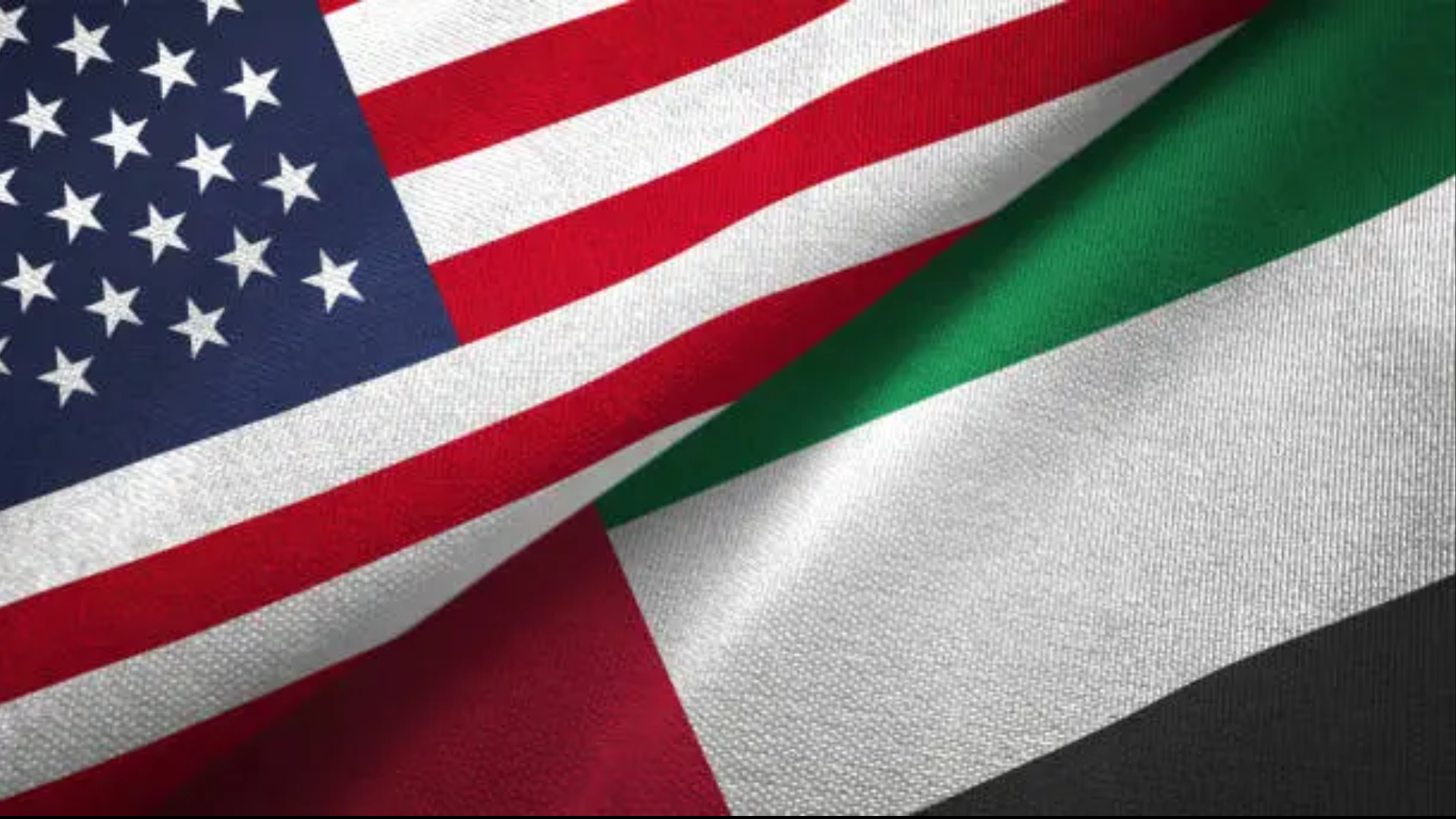
Just days before the announcement, United States Treasury Secretary Scott Bessent signaled a major shift in American regional strategy. Testifying before a Senate subcommittee, Bessent supported an emergency 20 billion dollar swap line to provide liquidity to Abu Dhabi. This financial lifeline is designed to stabilize the regional economy amid ongoing conflict and shipping disruptions. The timing suggests that Washington is moving quickly to integrate the UAE into a new, dollar-aligned energy architecture that operates entirely outside of traditional cartel structures.
The Breaking Point for Abu Dhabi
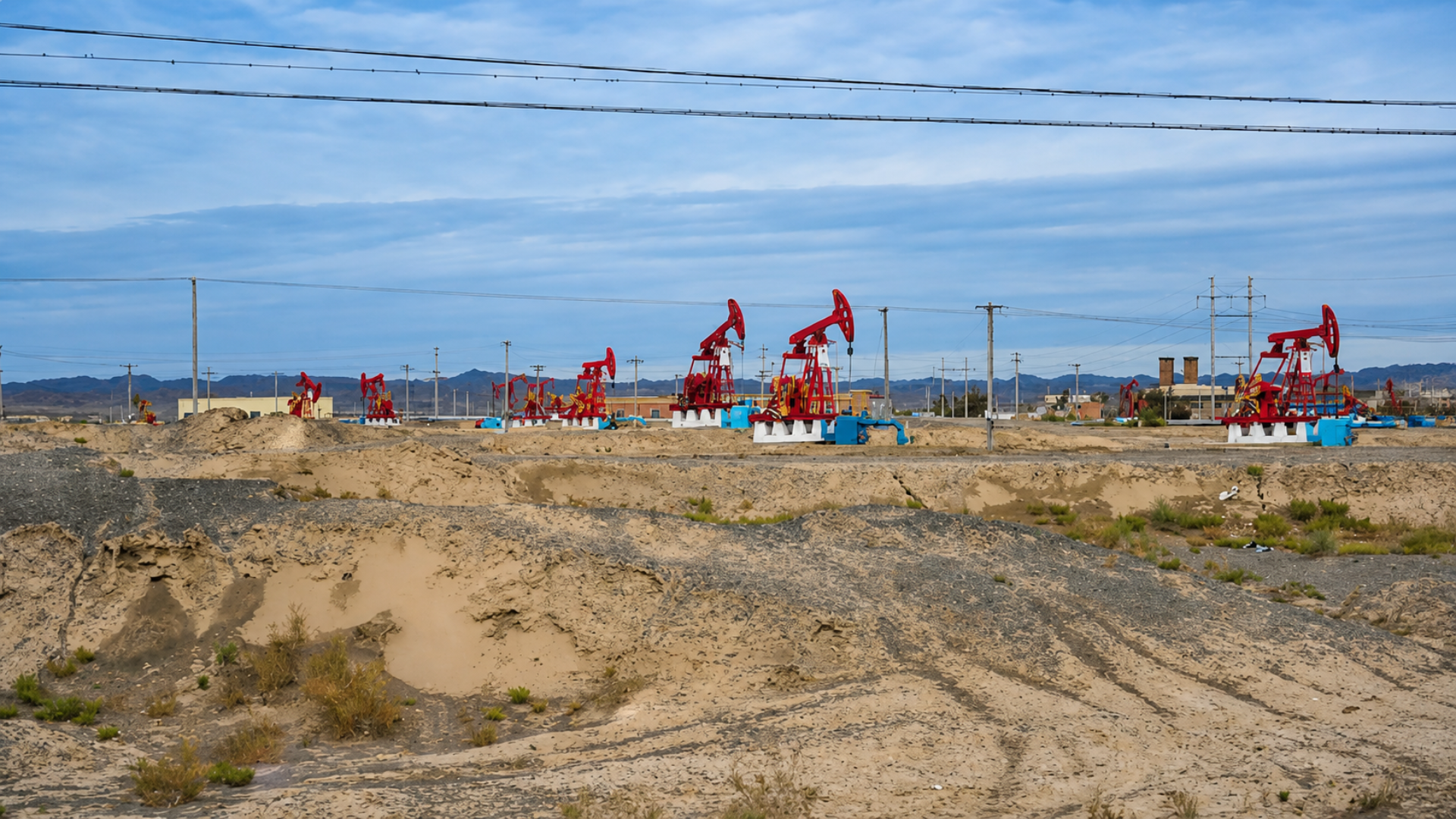
The decision to leave follows years of growing tension between the UAE and the cartel’s de facto leader, Saudi Arabia. Abu Dhabi has invested 150 billion dollars to expand its production capacity, aiming to reach 5 million barrels per day by 2027. However, OPEC quotas had forced the country to operate roughly 30 percent below its actual potential. By walking away, the UAE is prioritizing its own national economic interests over the collective price-fixing goals of the group.
A Massive Blow to Saudi Influence
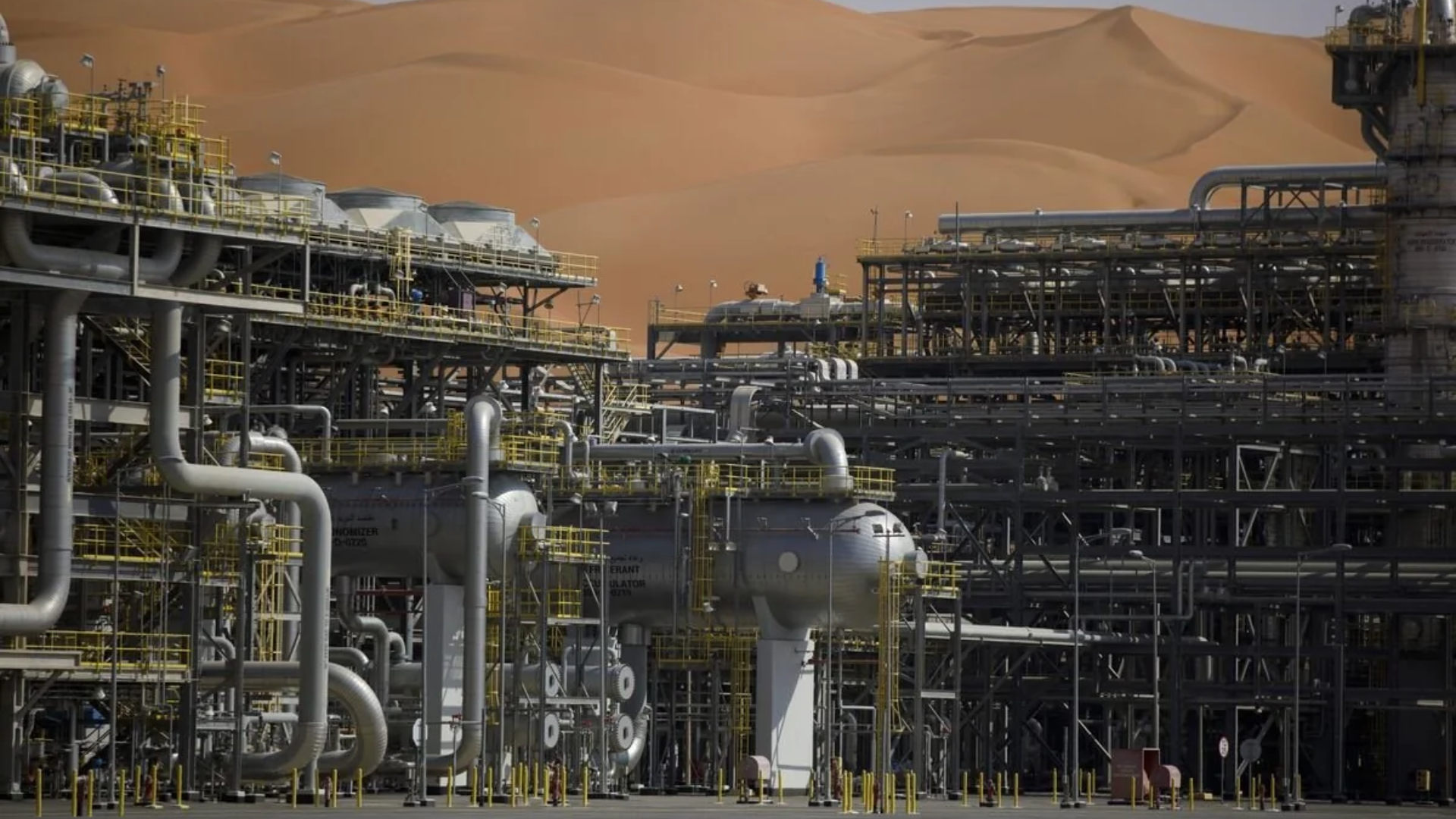
The departure of the UAE severely weakens Saudi Arabia’s ability to coordinate global production cuts. Without the Emirates, OPEC+ loses a significant portion of its spare capacity, which is the buffer used to absorb global supply shocks. This defection leaves the remaining members in a more vulnerable position, as the group’s share of global production continues to dwindle. The rupture highlights a deepening cleavage in the Middle East between those following the Saudi lead and those seeking independent paths.
Protecting the Power of the Petrodollar
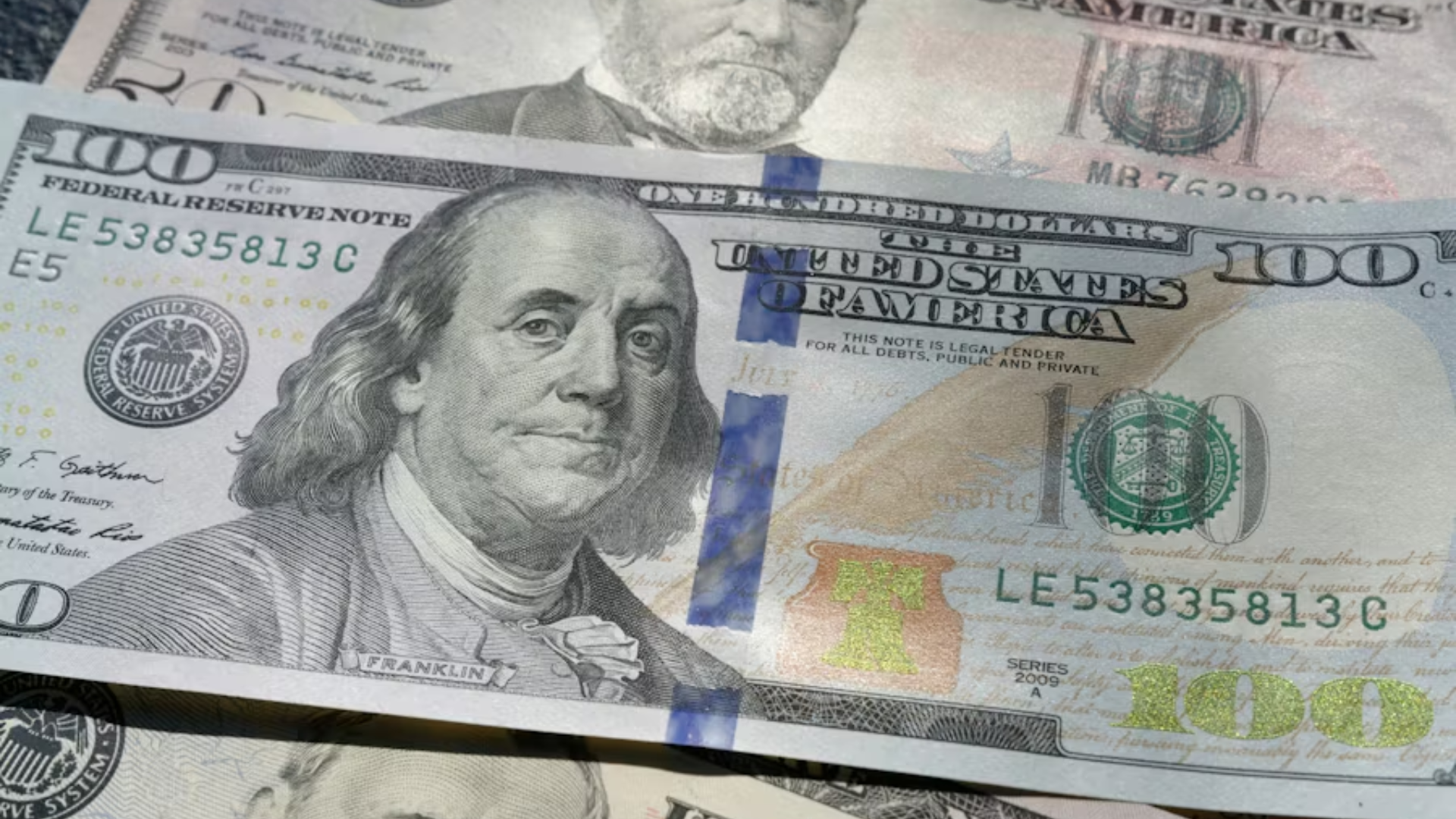
A primary concern for Washington has been the potential for Gulf states to move away from the U.S. dollar in oil transactions. The UAE had recently explored pricing some oil sales in Chinese yuan to manage liquidity. By securing the dollar swap line and deepening military ties, the United States is working to ensure that the petrodollar remains the dominant system for global energy trade. This move effectively blocks a significant pivot toward the petroyuan by one of the world’s most vital energy producers.
Military Ties Solidify the Alliance
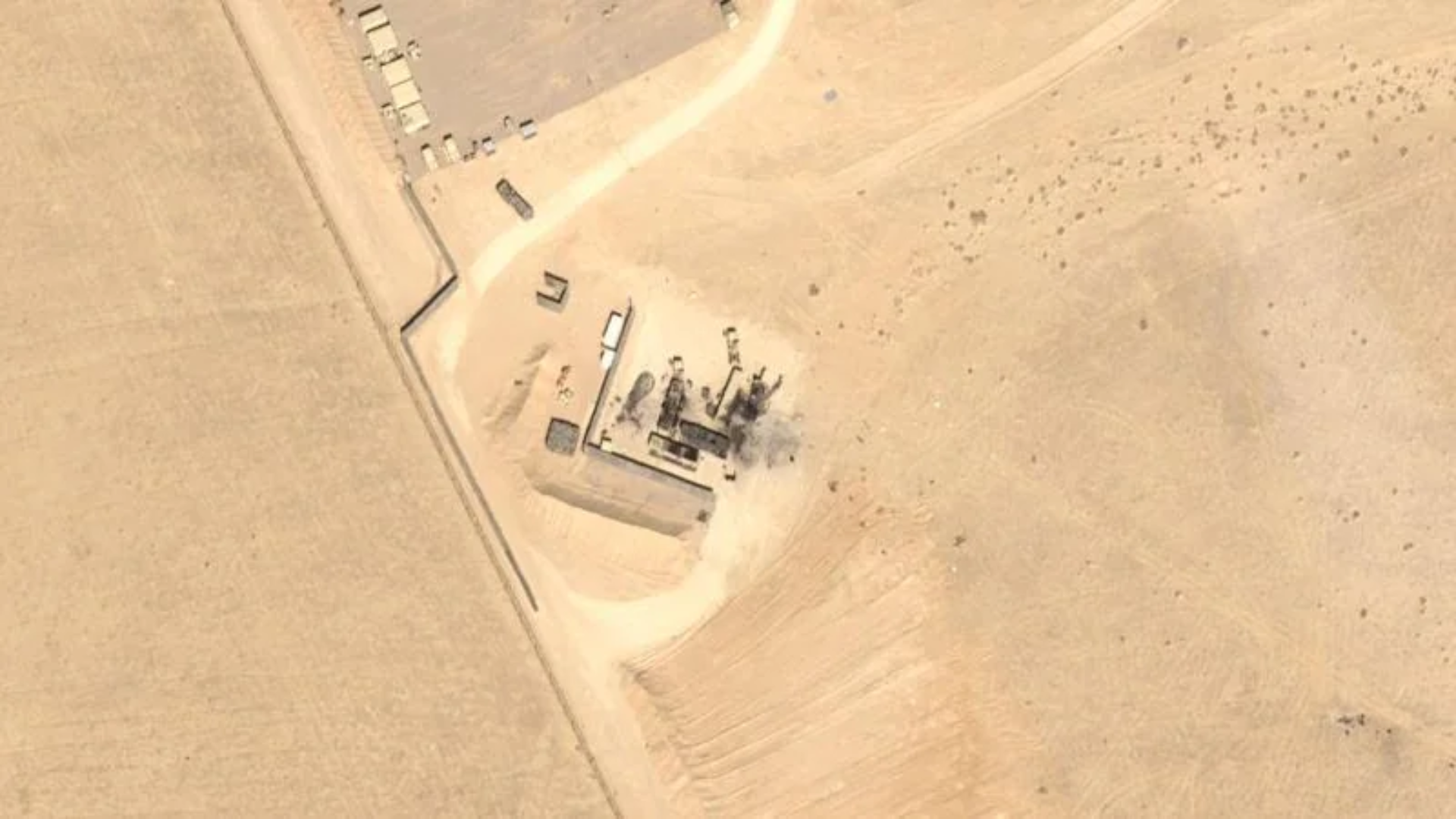
The economic exit is mirrored by a massive expansion of the American military footprint in the region. Israel, with U.S. encouragement, recently deployed its Iron Dome missile defense system to UAE soil to protect against ongoing regional threats. This marks the first time the system has been operated by personnel in a foreign country during an active conflict. Additionally, the U.S. is rapidly growing its presence at Al Dhafra Air Base, making the UAE a central hub for American security operations.
Immediate Impact on Oil Prices
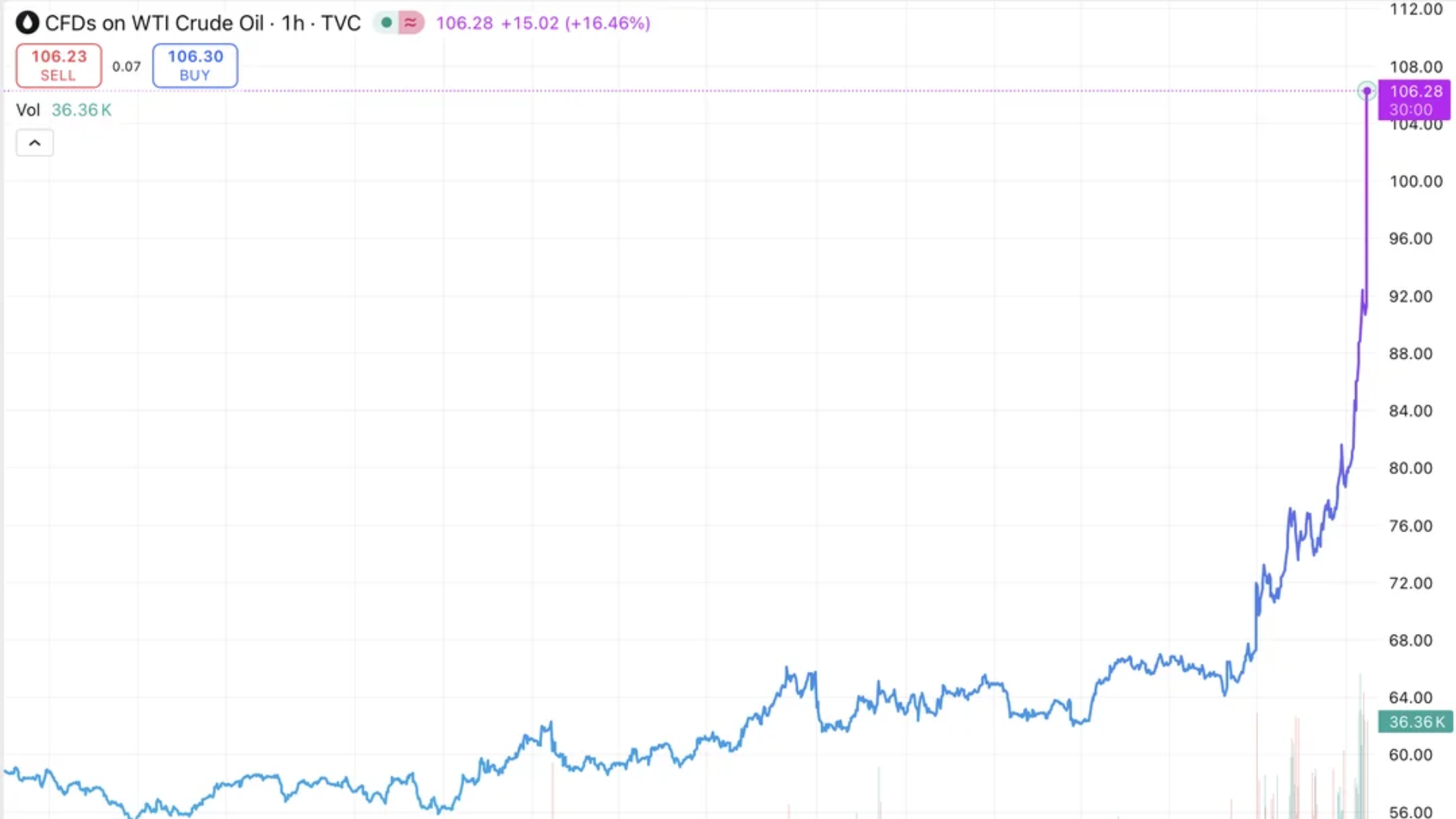
Global energy markets reacted instantly to the news, with Brent crude surging past 110 dollars per barrel. The uncertainty surrounding the exit, combined with the ongoing blockade of the Strait of Hormuz, has created a volatile pricing environment. While a UAE free from quotas could eventually flood the market with cheaper oil, that relief is months or even years away. In the short term, the collapse of a united OPEC front has added a massive risk premium to every gallon of gas.
The Strategic Importance of Hormuz
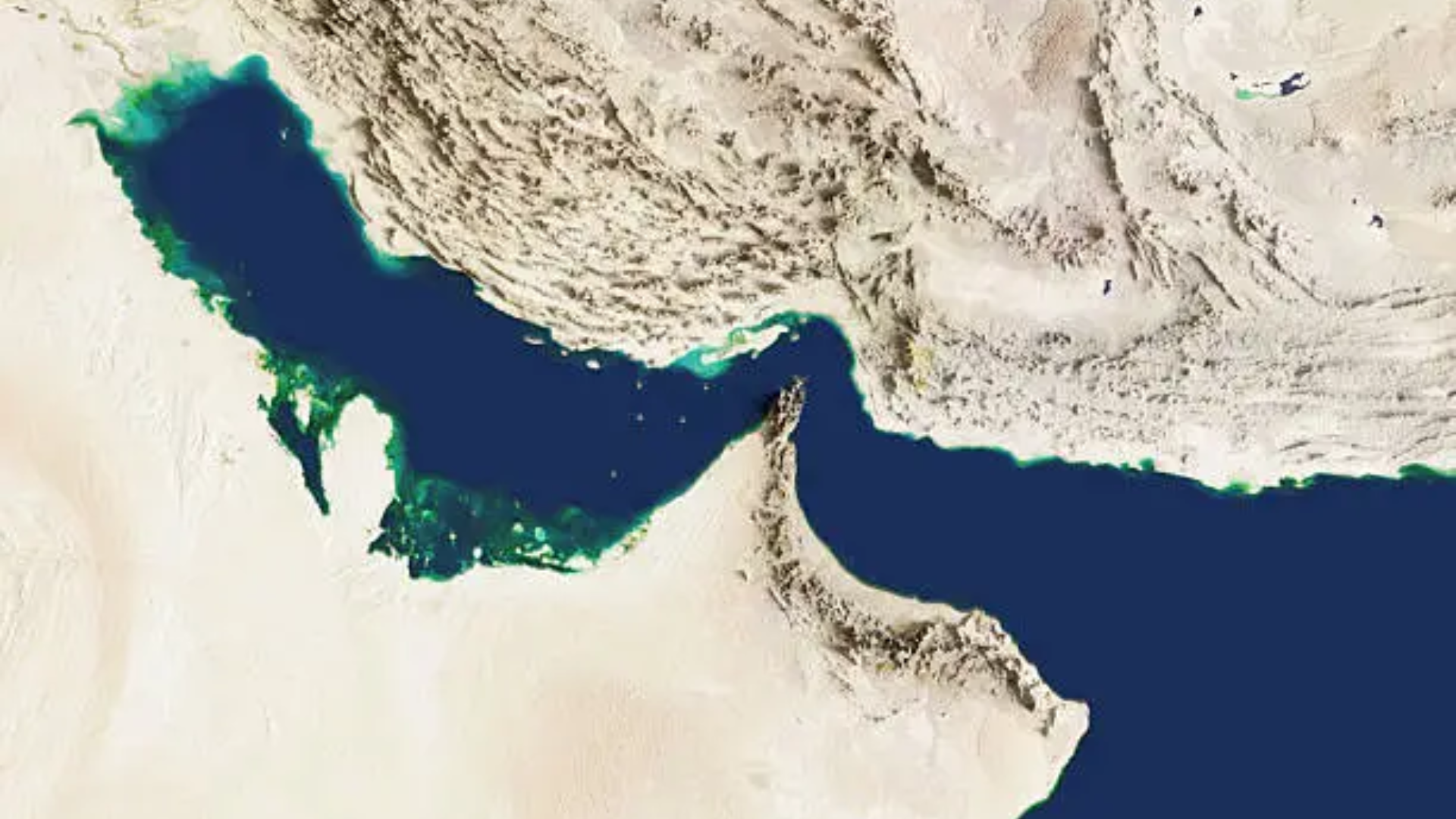
The UAE has made it clear that any future peace settlements in the region must guarantee freedom of navigation through the Strait of Hormuz. This narrow waterway is the world’s most important energy chokepoint, through which 20 percent of the world’s oil and gas flows. By exiting OPEC, Abu Dhabi has positioned itself as a veto player in regional negotiations. They are no longer just a member of a group; they are a direct partner in deciding how energy moves across the globe.
A Win for American Energy Independence
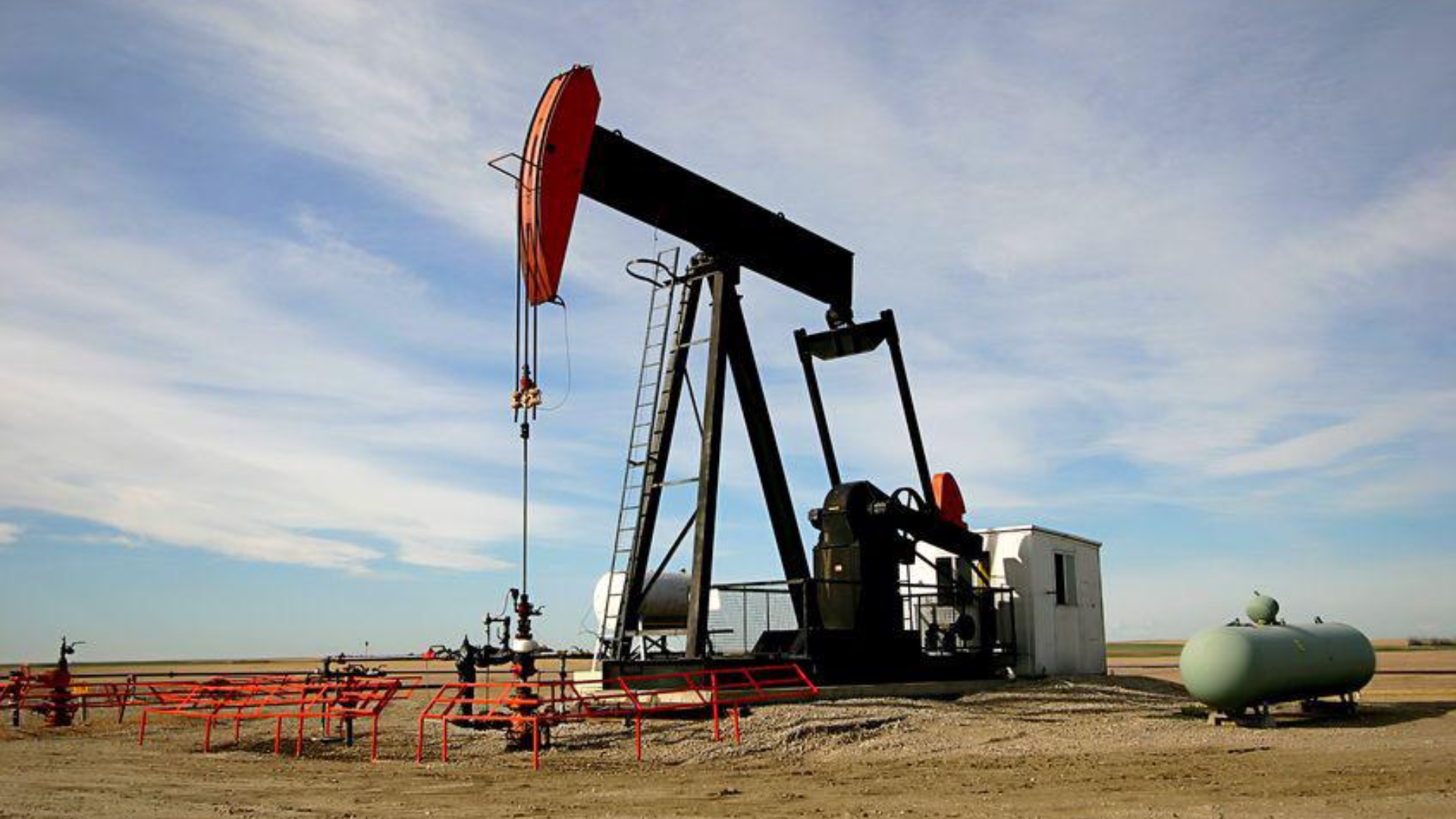
For the United States, the UAE’s defection is being viewed as a major victory against a cartel that has long been accused of artificially inflating prices. President Trump has frequently criticized OPEC for ripping off the rest of the world. By breaking the cartel’s unity, the U.S. gains more leverage to influence global energy supplies through bilateral deals. This shift aligns with a broader strategy of using American financial and military strength to dictate the terms of the global energy market.
The Future of Global Energy Governance

The departure of the UAE signals the end of an era for the traditional oil order that has existed for over fifty years. As the cartel fragments, the world is moving toward a more multipolar landscape where individual nations make their own strategic alliances. The success of the UAE as a free agent will be closely watched by other OPEC members who may also be feeling the strain of production limits. The map of global energy power is being redrawn in real time.