U.S. Uses Emergency Oil Reserve to Calm Global Markets, Raising Future Risk Concerns
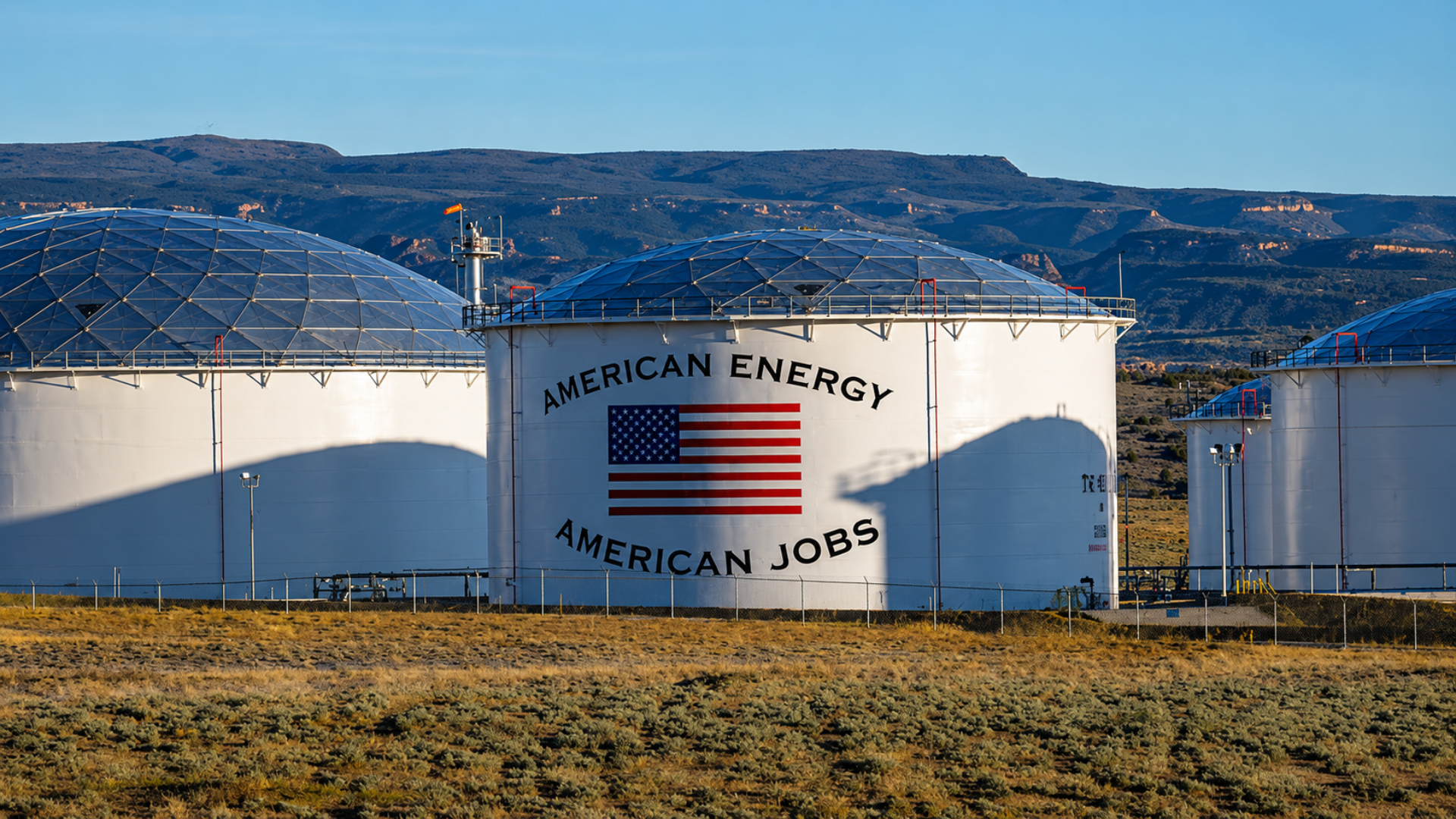

Since the U.S.-Iran conflict began on February 28, 2026, America has released roughly 58 million barrels from its Strategic Petroleum Reserve, a 14% reduction in just a few months. The reserve now sits at around 357 million barrels, its lowest level in years and less than half its total capacity. Washington is draining a stockpile built for national emergencies to keep fuel moving for the rest of the world, and the clock is ticking.
What the Strategic Petroleum Reserve Actually Is
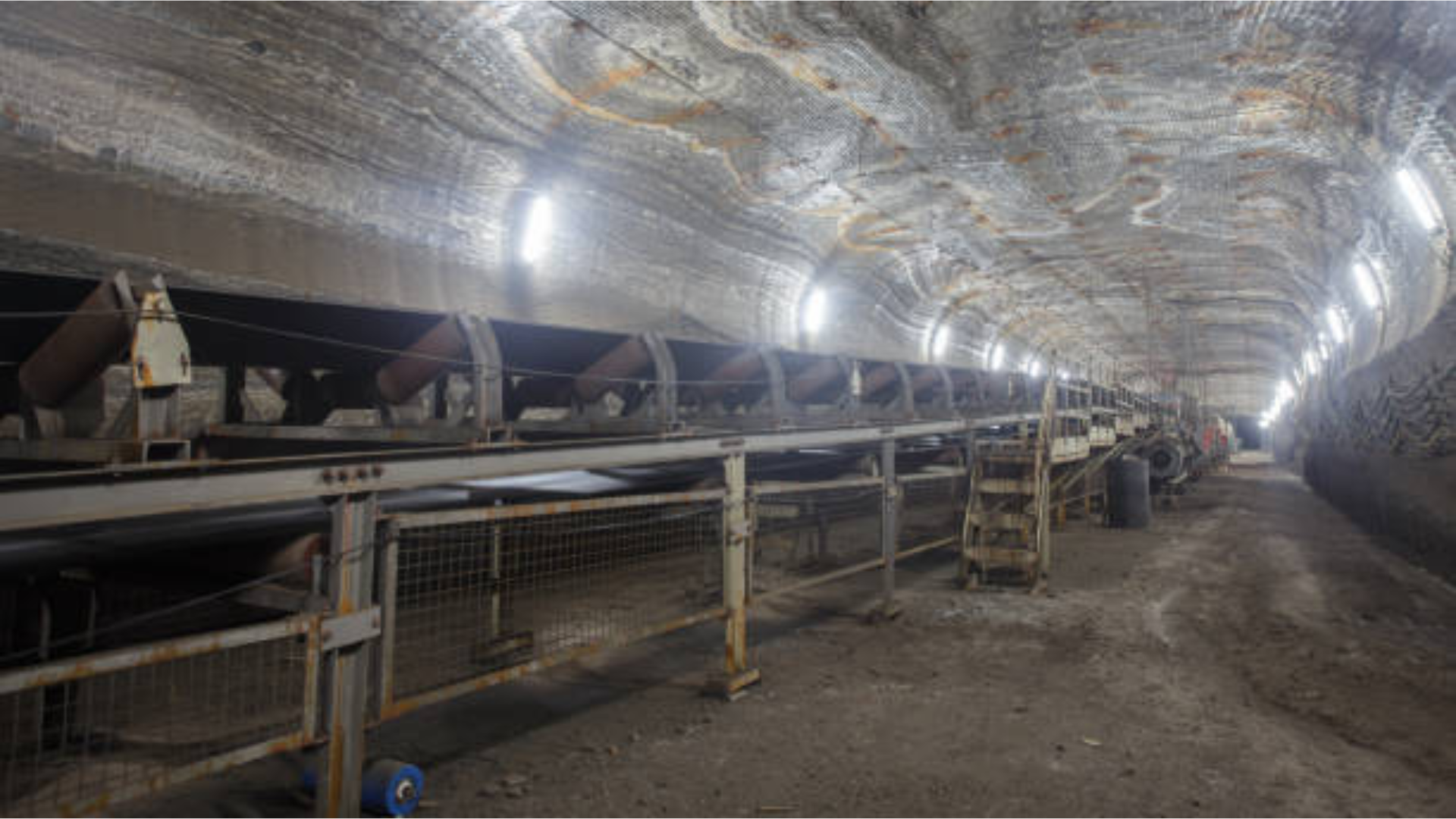
The Strategic Petroleum Reserve was established in 1975 following the Arab oil embargo, when OPEC’s export cutoff triggered fuel shortages and economic chaos across the United States. Stored in underground salt caverns along the Gulf Coast, the reserve was designed to hold up to 714 million barrels of crude oil. It functions as a national insurance policy, a buffer against sudden supply disruptions caused by wars, natural disasters, or geopolitical shocks.
The Strait of Hormuz Choked Off Global Supply
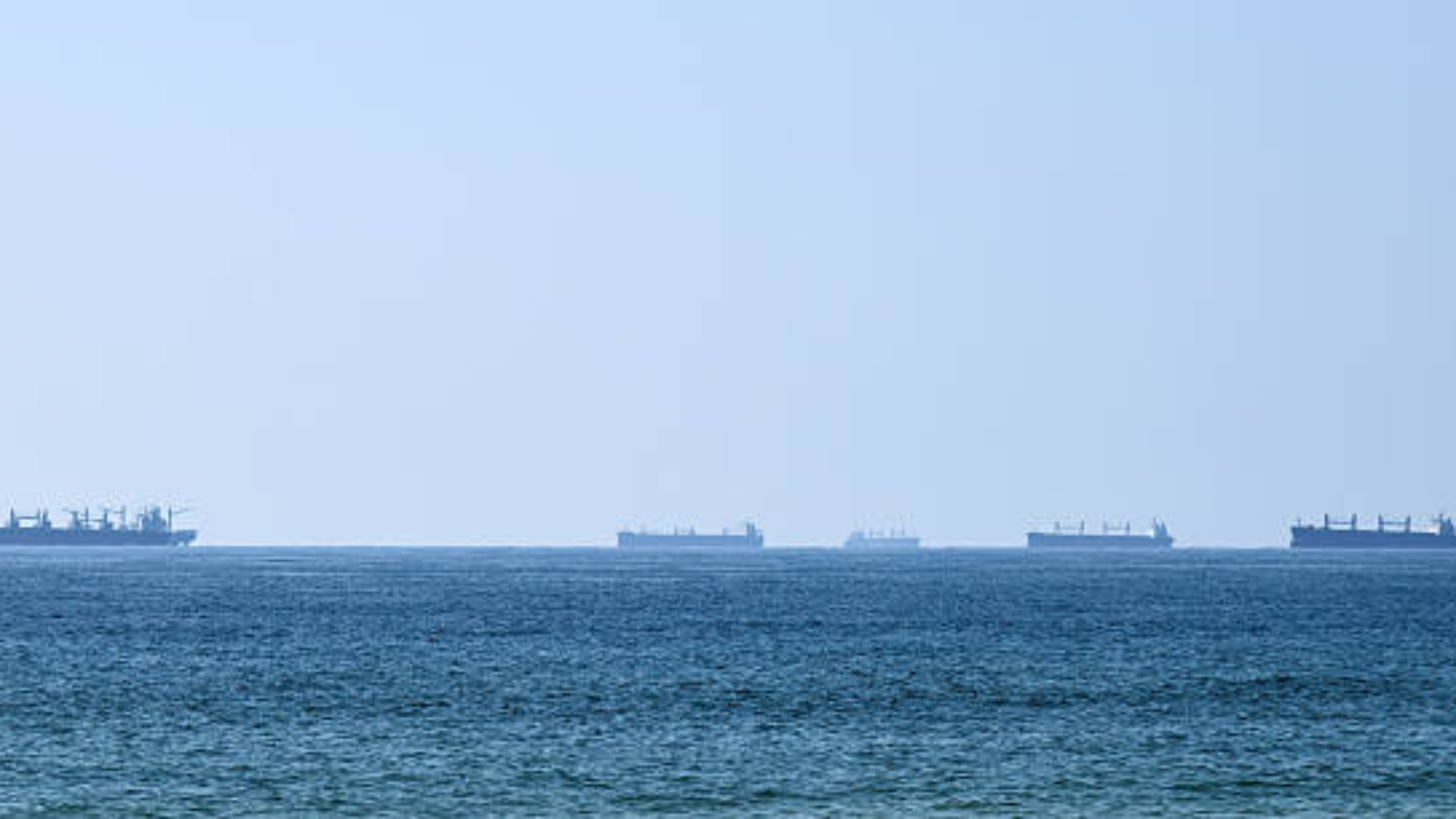
Before the Iran conflict, roughly 20 million barrels of oil and petroleum products moved through the Strait of Hormuz every day, supplying Saudi Arabia, Iraq, Kuwait, the UAE, Qatar, and Iran to global markets. By the first quarter of 2026, that flow had dropped to 14.6 million barrels per day, down nearly 30% year over year, according to the EIA. The waterway’s near-closure created an immediate global shortage that sent buyers scrambling for alternatives.
Asia and Europe Turned to American Crude
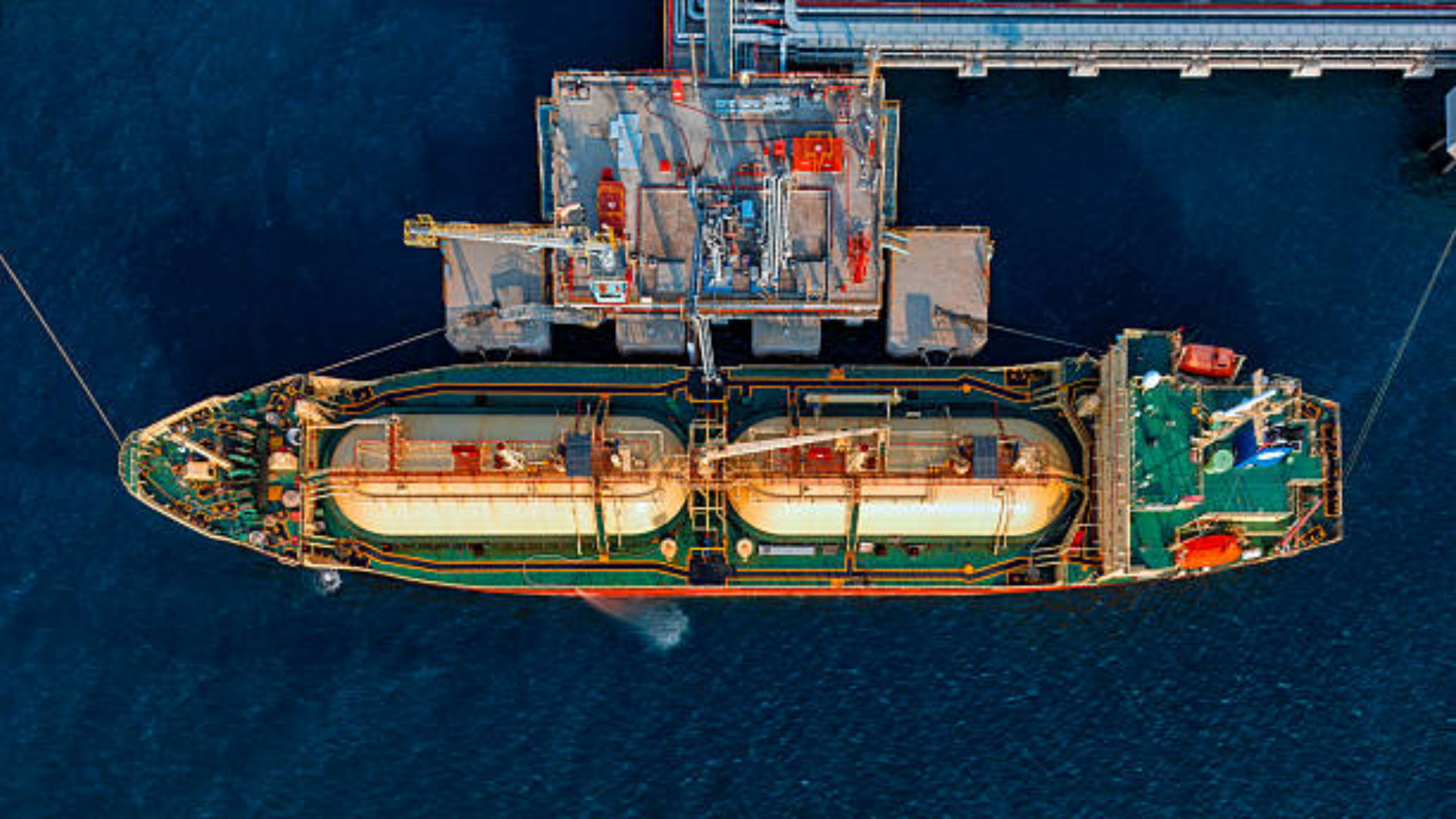
With Persian Gulf exports cut sharply, buyers in Asia and Europe pivoted fast. U.S. crude exports climbed to approximately 5.6 million barrels per day in May 2026, one of the highest levels on record. Imports rose as well, but fell far short of offsetting the overall drain on domestic inventories. American producers were suddenly supplying a share of global demand that would normally be filled by Middle Eastern exporters, placing enormous strain on U.S. stockpiles.
Commercial Inventories Are Falling Too
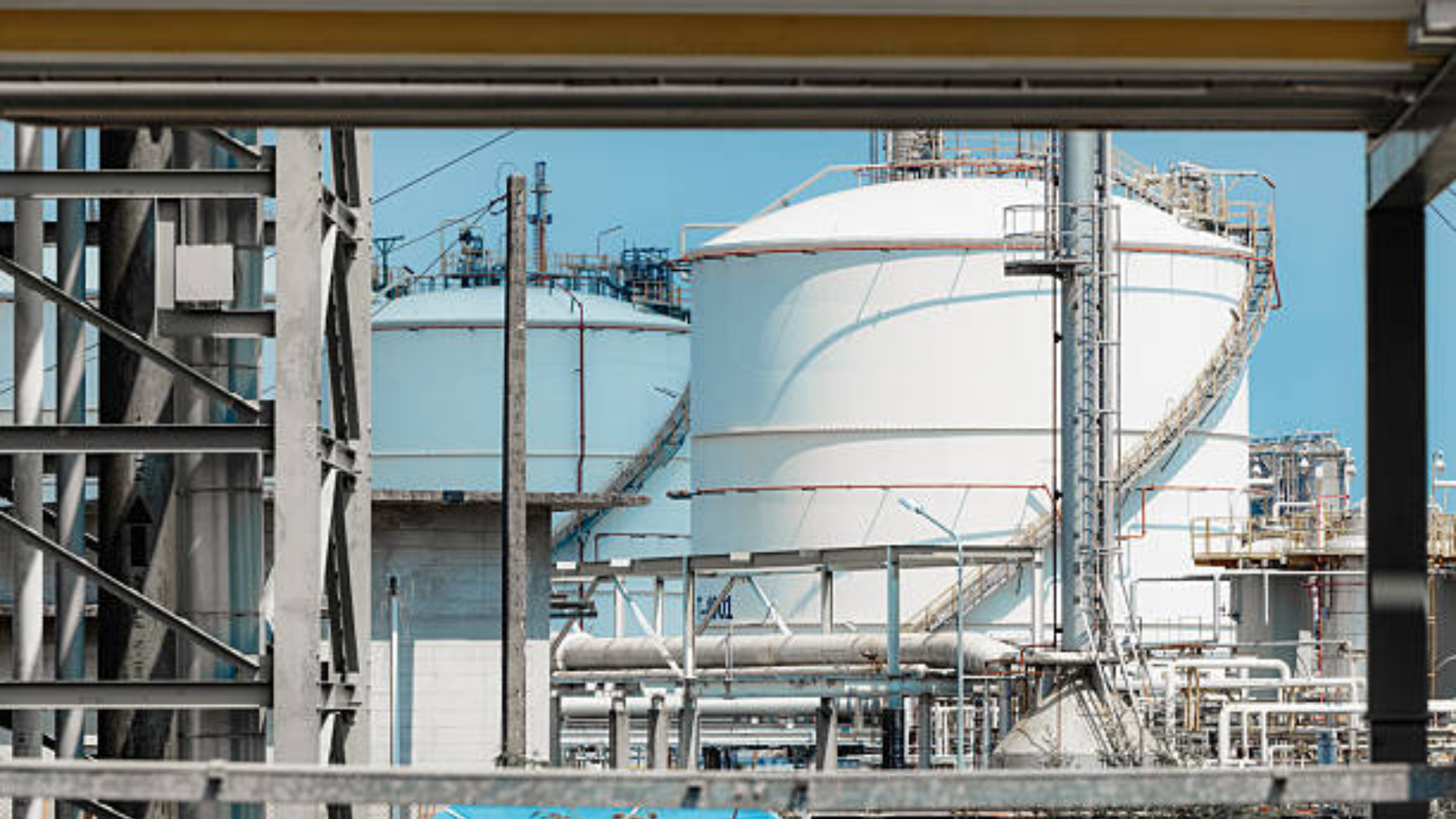
The pressure extends beyond the SPR. EIA figures showed commercial crude inventories declined by 7.9 million barrels for the week ending May 15, far exceeding analyst expectations. Industry analysts noted that U.S. commercial stockpiles had effectively erased all gains accumulated earlier in 2026 within just five weeks. Combined with the SPR drawdown, total U.S. crude inventories recorded their largest single-week fall since EIA tracking began in 1982, according to Bloomberg.
Washington’s Emergency Response Plan
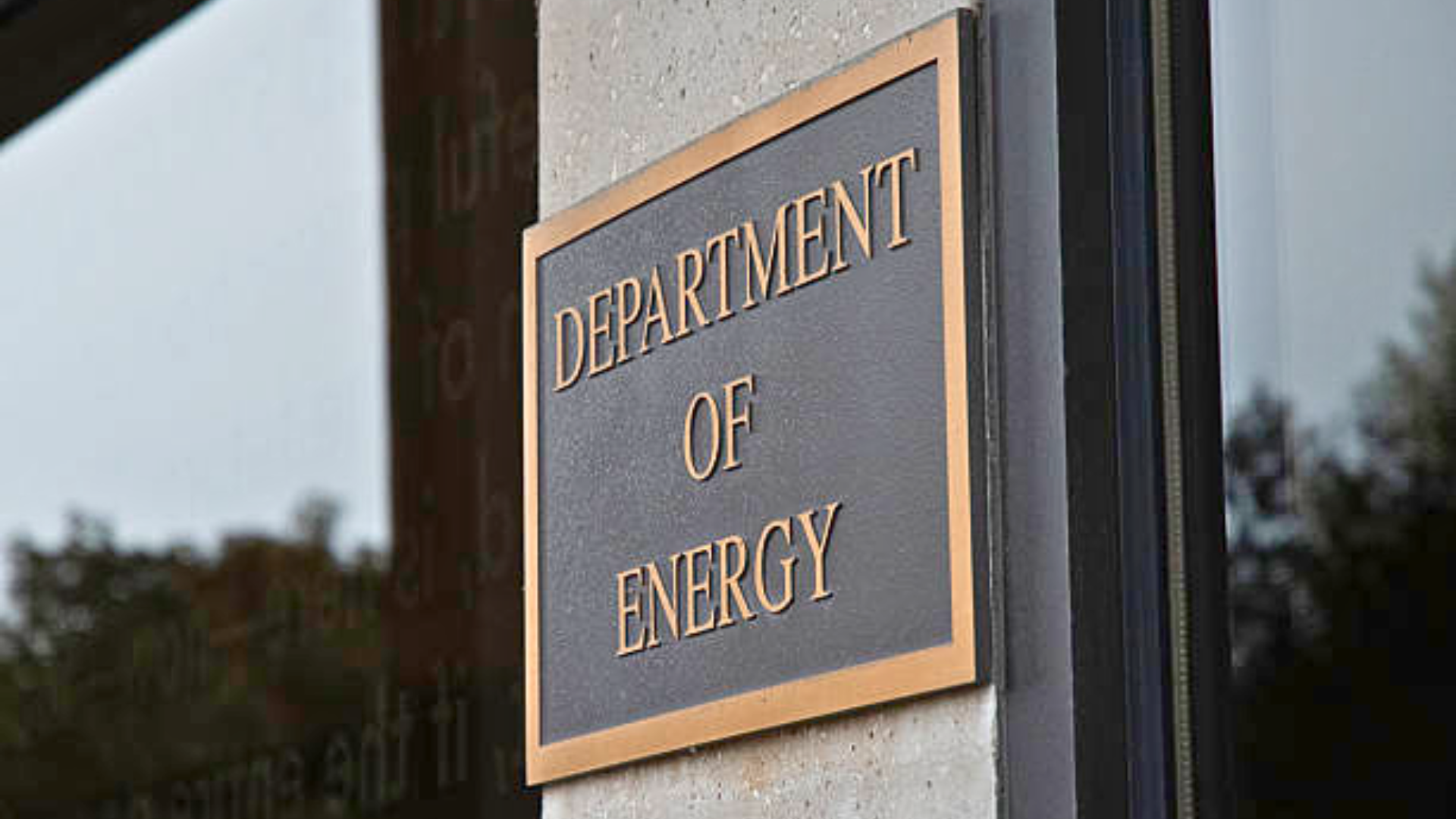
The Trump administration has defended the releases as precisely what the reserve exists for. In March 2026, the Department of Energy announced that 172 million barrels would be made available in coordination with the International Energy Agency, part of a broader program making approximately 400 million barrels accessible across allied nations. On May 11, the DOE announced loans of 53.3 million barrels to companies including Exxon Mobil and Trafigura to stabilize markets without direct taxpayer subsidies.
The Biden Administration Left the Reserve Half-Empty
The current crisis arrived with the SPR already weakened. When President Biden took office in January 2021, the reserve held approximately 638 million barrels. Biden’s administration authorized the largest emergency drawdown in U.S. history, selling more than 200 million barrels in 2022 and 2023, largely in response to the Russian invasion of Ukraine and high domestic fuel prices. Trump campaigned on a pledge to refill the reserve, but five months into his second term, the SPR is moving in the opposite direction at a historic pace.
Prices Have Gone Up Anyway

The releases have cushioned the blow, but consumers are still paying significantly more. West Texas Intermediate crude spiked to $114.58 per barrel during the acute phase of the conflict in April before pulling back to around $95 by early June. U.S. gasoline prices have climbed well above $4.50 per gallon, and analysts project a summer average near $4.80 if the conflict continues at its current pace. Consumer sentiment hit an all-time low of 44.8 in May 2026, reflecting how sharply rising energy costs are squeezing household budgets.
The Refill Problem Is Bigger Than the Drawdown
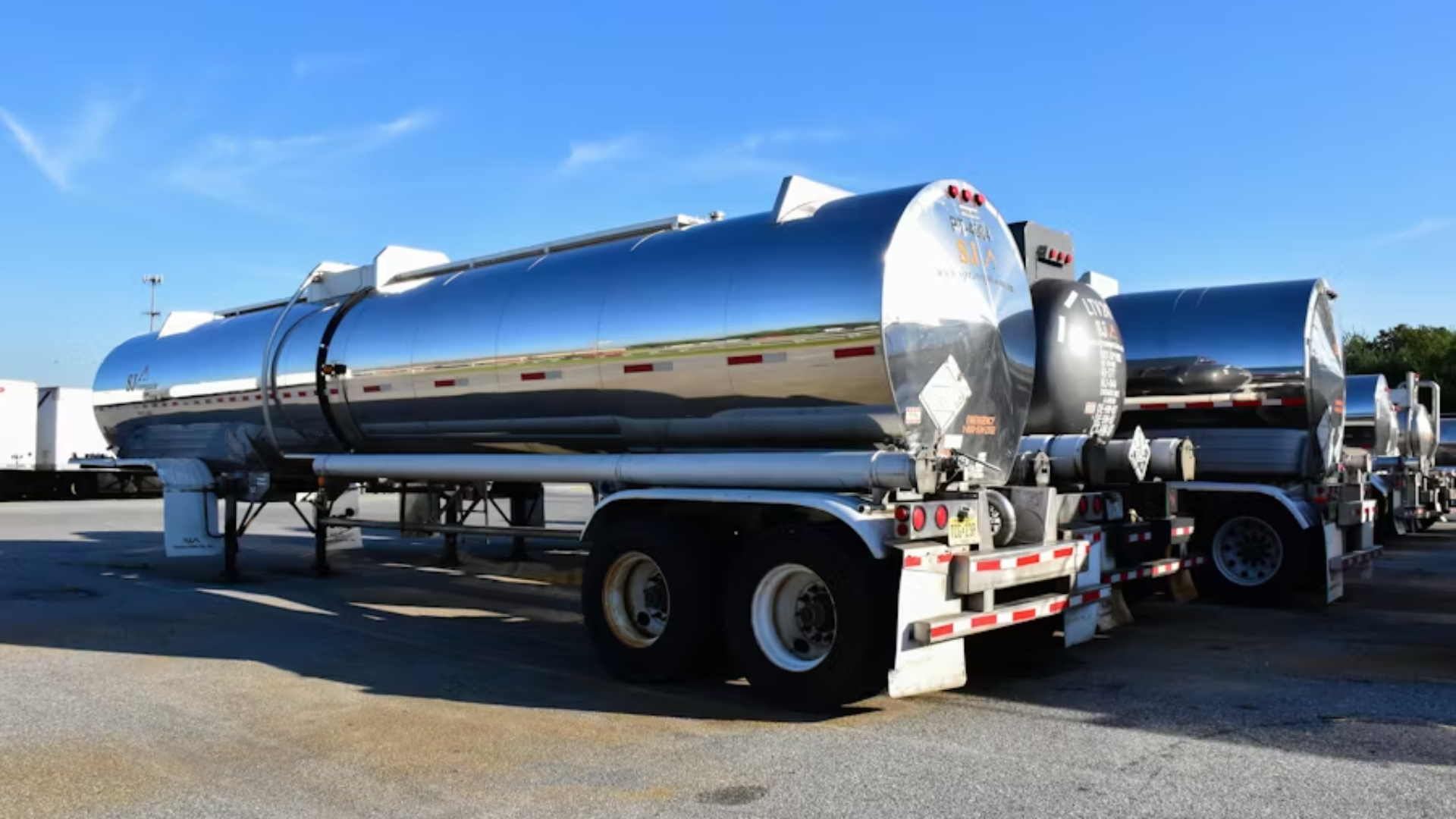
Every barrel released today creates a future obligation, and refilling the reserve is far slower than emptying it. The SPR’s maximum drawdown rate is 4.4 million barrels per day, while its maximum refill rate is just 785,000 barrels per day, roughly one-sixth the extraction speed. Restoring the reserve from its current level to its 2010 peak would take at least 15 months at maximum fill capacity, assuming no further draws and no interruptions. Refill costs would also likely be elevated, given that oil prices remain well above pre-conflict levels.
A Reserve Built for Crises Can Only Absorb So Many
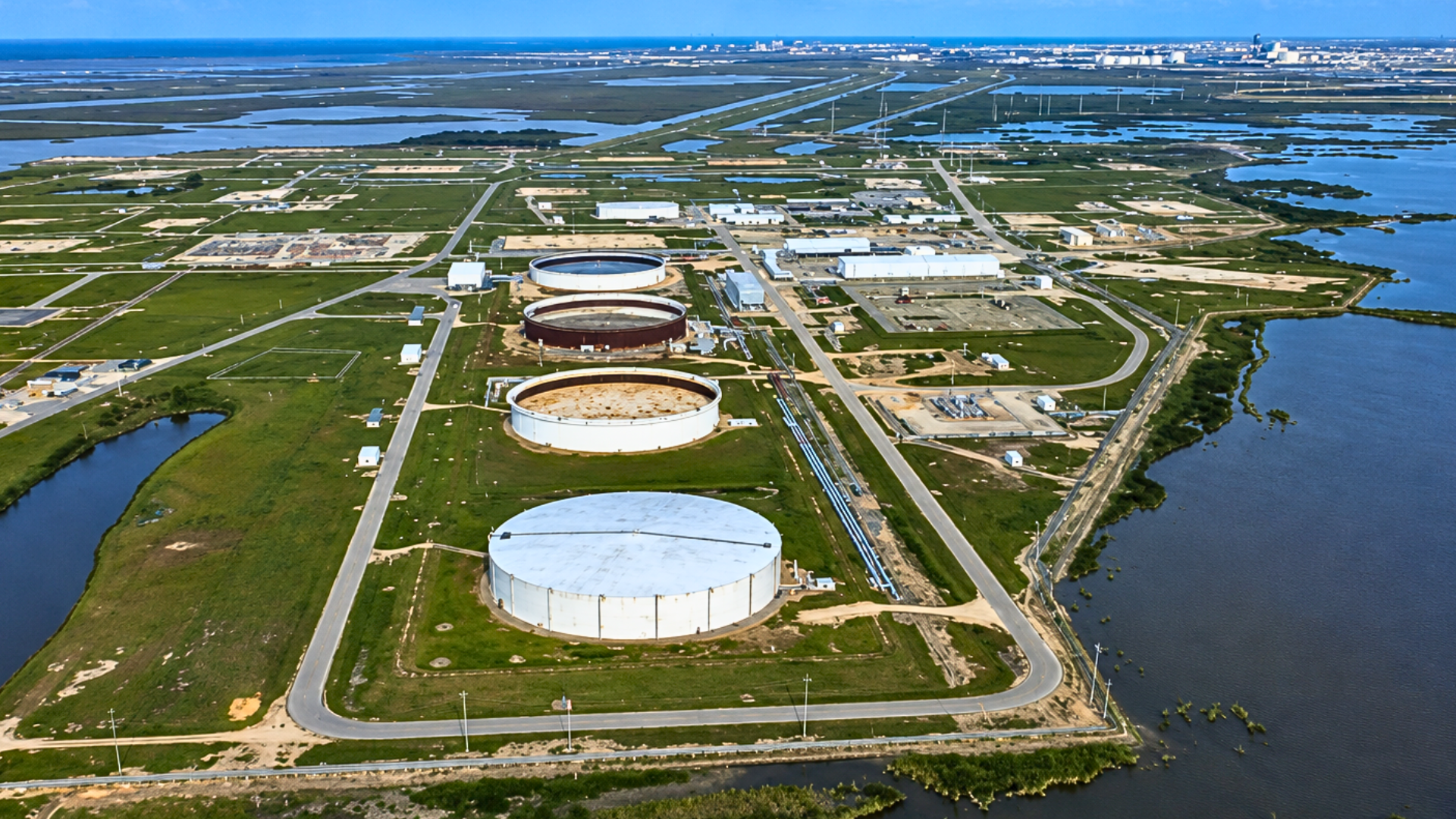
The SPR is doing its job, but the job is getting harder. With roughly 357 million barrels remaining and withdrawals continuing at record weekly rates, the buffer America relies on in emergencies is shrinking fast. If weekly draws persist near the 9 to 10 million barrel pace seen in mid-May, the reserve could drop below 350 million barrels within weeks, approaching levels not seen since the early 1980s. Every barrel released now narrows the margin available for the next crisis, whatever form it takes.