U.S. Now Facing Hurricane Season ‘Less Prepared’ Than Ever as National Weather Service Loses Experienced Staff


On an April evening in 2026, five tornadoes tore through the Kansas City area, one powerful enough to flatten buildings in Ottawa, Kansas. Hours earlier, the National Weather Service had forecast zero chance of tornadoes that day. In a region built on tornado warnings, a total miss like this raises an uncomfortable question: what happens when the agency responsible for keeping Americans safe from severe weather is running short on the people who know how to read the sky.
Investigators still don’t know exactly why the forecast failed, but several weather balloon launches near Kansas City were missed or delayed that morning, a gap tied to a wave of departures across the agency. In 2025, more than 1,000 workers left the National Oceanic and Atmospheric Administration, including senior meteorologists at the Weather Service, after firings and buyout offers pushed through by the Trump administration. NOAA insists forecasting has not slipped. Meteorologists watching the data disagree.
Prof. William Gallus, a meteorologist at the University of Iowa, said forecasters tracking severe weather closely have noticed more “less-than-perfect” predictions than usual from the Storm Prediction Center. That matters beyond a ruined picnic: accurate forecasts save lives as hurricanes intensify faster and heatwaves break records more often. A possible “super El Niño” brewing in the Pacific could soon test a weather service that outside experts already call less prepared than ever.
Rep. Sharice Davids Demands Answers Kansas Never Got
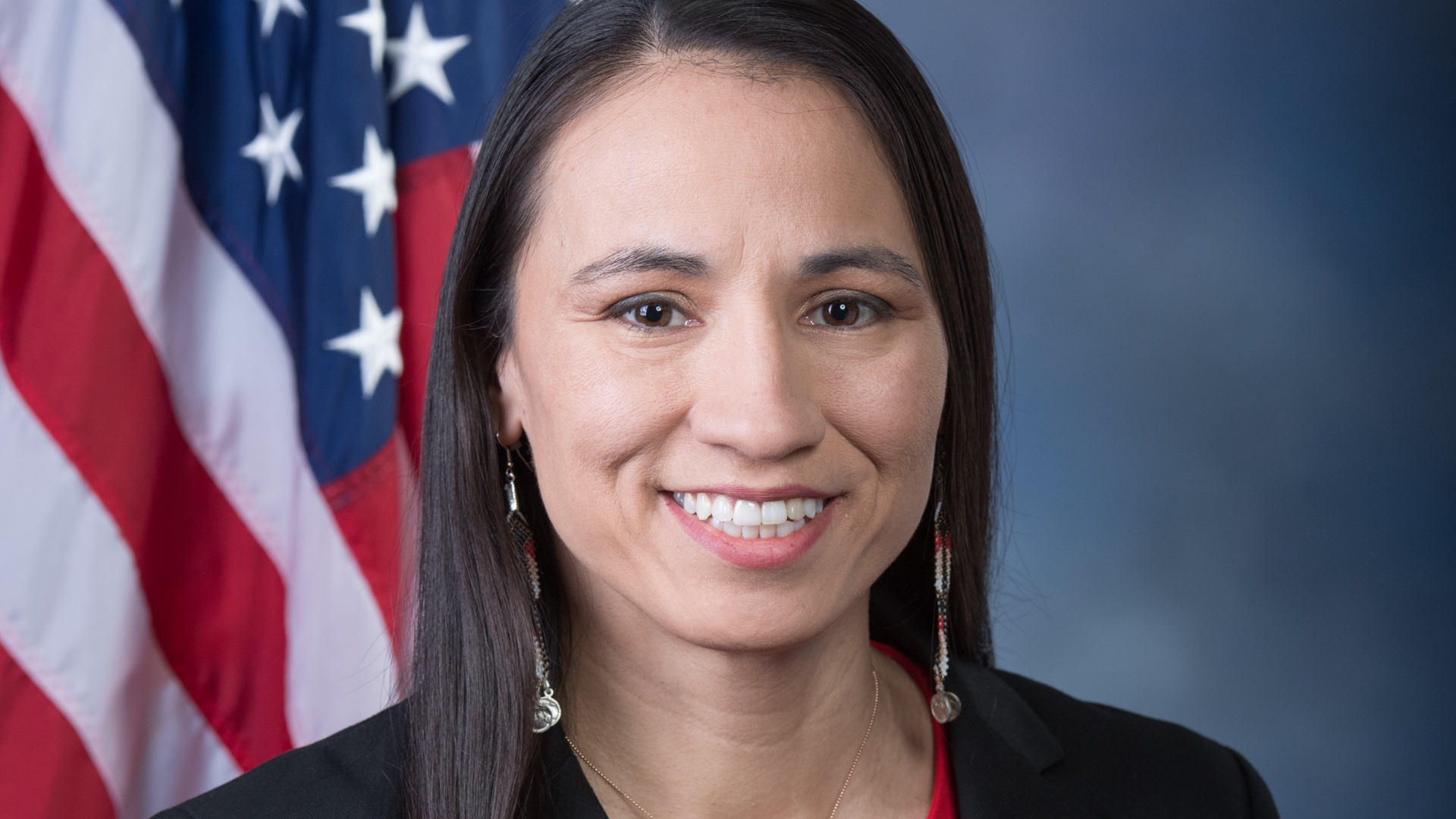
Democratic Rep. Sharice Davids, whose district includes the tornado-hit area, wrote to the Trump administration in April demanding to know why the balloon launches were missed and whether that failure shaped the flawed forecast. She said Kansans should not have to wonder if the systems meant to protect them are actually working during severe weather. A month later, according to BBC Science Focus, her office says the administration still hasn’t responded.
The Weather Service has since launched a hiring push, filling roughly 280 positions after last year’s cuts trimmed the agency by about 600 employees, mostly through early retirements. Congress also rejected the administration’s push for deeper funding cuts in its final budget. Even so, the agency remains hundreds of staffers short of pre-cut levels, and the new roles are overwhelmingly entry-level, a detail that worries some who left.
Alan Gerard, who spent 35 years at the Weather Service before retiring last year, said new hires are meant to learn under experienced colleagues, not arrive after those colleagues are already gone. Former NOAA chief scientist Craig McLean put the loss in blunter terms: departing staff represented a combined 27,000 years of forecasting and climate expertise. “You simply do not have the same agency,” he said.
Alaska Weather Balloons Haven’t Flown Since Last Year
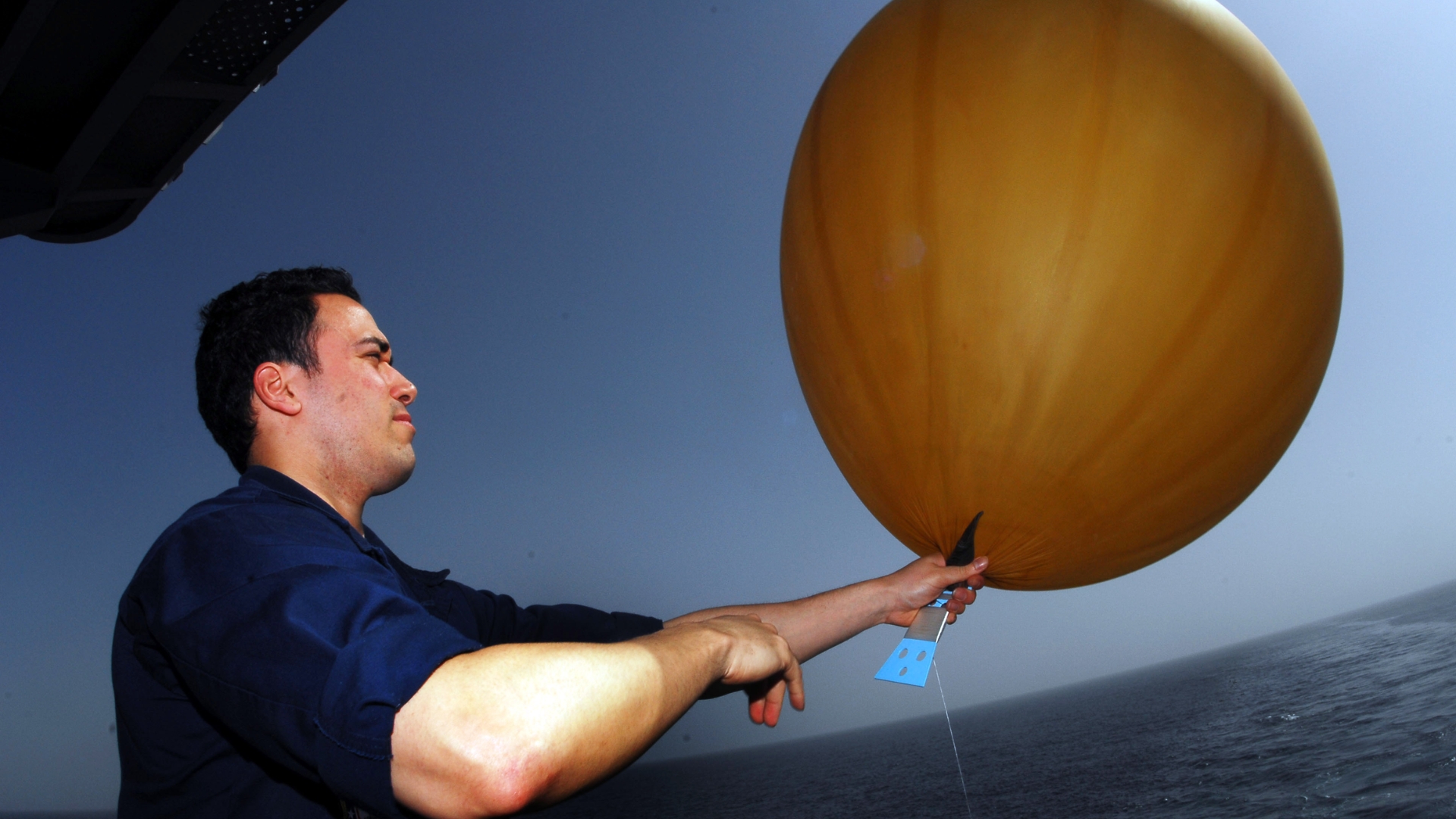
Staffing gaps have hit the collection of “upper air” data, gathered mainly by weather balloons launched twice daily at sites across the country. Federal records reviewed by CBS News show NOAA employed nearly 300 fewer meteorologists and hydrologists by the end of May than it had in January 2025. Several U.S. stations have stopped launching balloons on schedule, or launch less often, changes the Weather Service attributes to “temporary resource and equipment constraints.”
In Alaska, the losses cut deeper. Rick Thoman, a former Weather Service meteorologist who forecast the state’s weather for three decades, said two remote outposts haven’t launched a balloon since February and August of last year. Alaska has no university meteorology program, so forecasters normally learn high-latitude patterns on the job, from veterans who no longer work there. “There are no old-timers left,” Thoman said.
The data gap isn’t theoretical. Thoman pointed to a storm last October that weather models misjudged, sending it on the wrong track toward the Bering Sea and displacing roughly 1,000 people. More than half of the balloon launches scheduled in the days before the storm hit never happened. “It’s inconceivable to me, as a meteorologist,” he said, that the missing data had no effect on the forecast.
Humans Still Beat AI During History’s Worst Storms
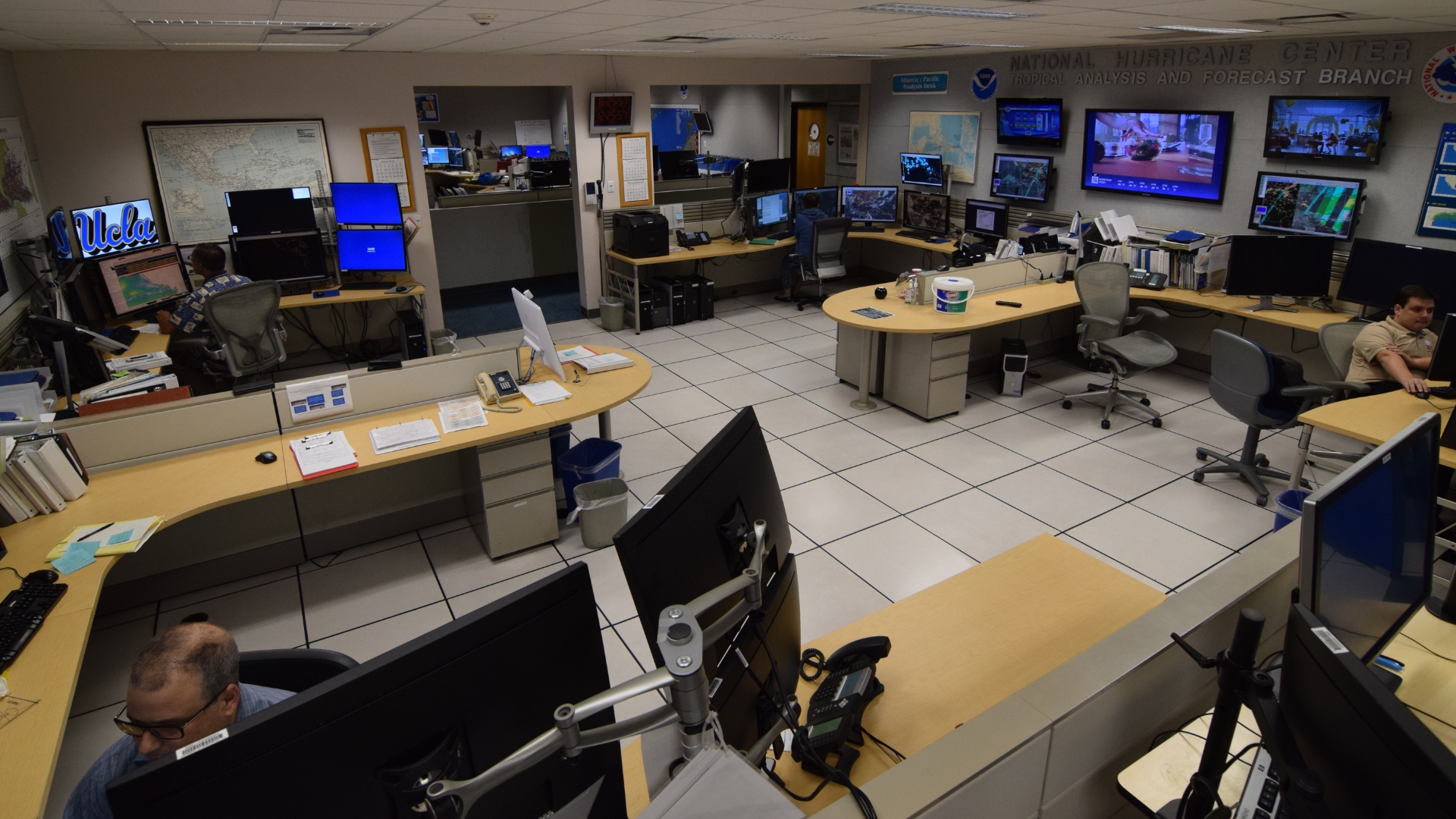
NOAA is leaning on artificial intelligence to help fill the gaps, and officials describe it as a supplement to human forecasting, developed alongside existing tools rather than in place of them. AI models learn from decades of past weather data instead of simulating the atmosphere directly, letting them run on a laptop instead of a supercomputer. Columbia researcher Jeffrey Shrader found human-compiled forecasts still beat pure statistical output by about 20 percent, largely thanks to local knowledge no algorithm has learned.
AI’s blind spot is the extreme case. A May study out of Germany and Switzerland found AI models underestimated record-breaking heat and overestimated record-breaking cold compared with physics-based forecasts, growing less reliable the more extreme an event became. The stakes are real: research shows a forecast that misses the temperature by just one degree can raise deaths during a heatwave. Algorithms running without human oversight tend to drift further from the truth.
None of this technology replaces a weather balloon that never launched, or a hurricane hunter flight that never flew. Brian Tang, a meteorologist at the University at Albany, put it simply: “We can’t just have the technology. We need the people.” A year after the cuts, the Weather Service is rebuilding piece by piece, but this year’s storms are already forming, and they won’t wait for the agency to catch up.