Two Major U.S. Reservoirs Reach Record Low as Water and Power Concerns Grow
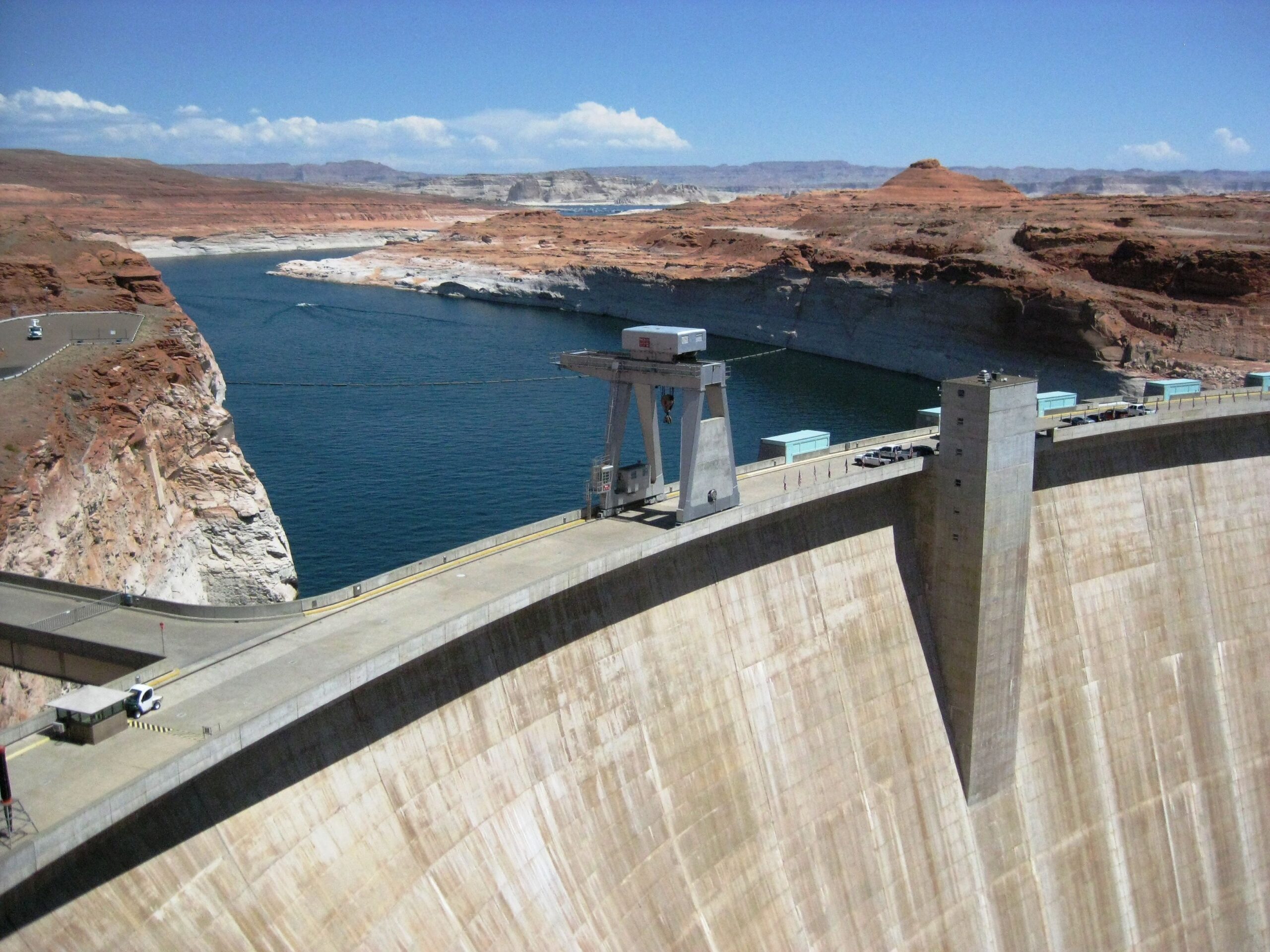

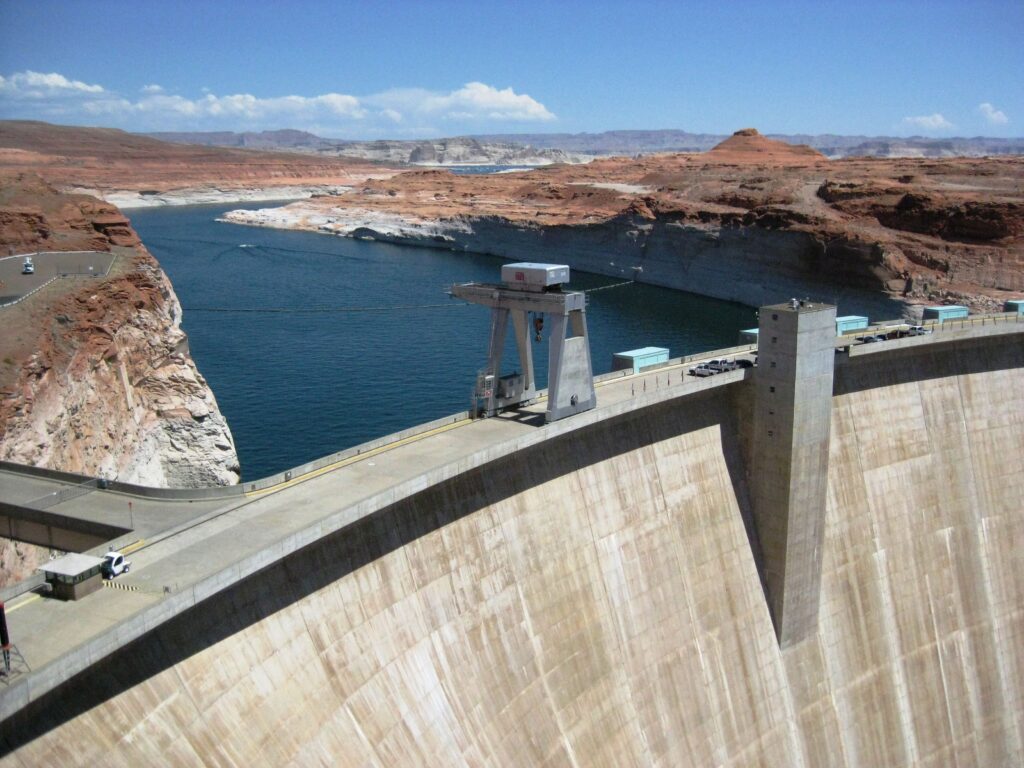
The pale “bathtub rings” around Lake Powell and Lake Mead are becoming more than a striking symbol of drought. The two largest reservoirs in the United States now hold less combined water than at any point since 1957, when Glen Canyon Dam was still under construction and Lake Powell did not yet exist. Their decline is raising urgent questions about how the Colorado River will continue supplying cities, farms, tribal communities and power systems across the Southwest.
Lake Powell Is Approaching a Historic Threshold
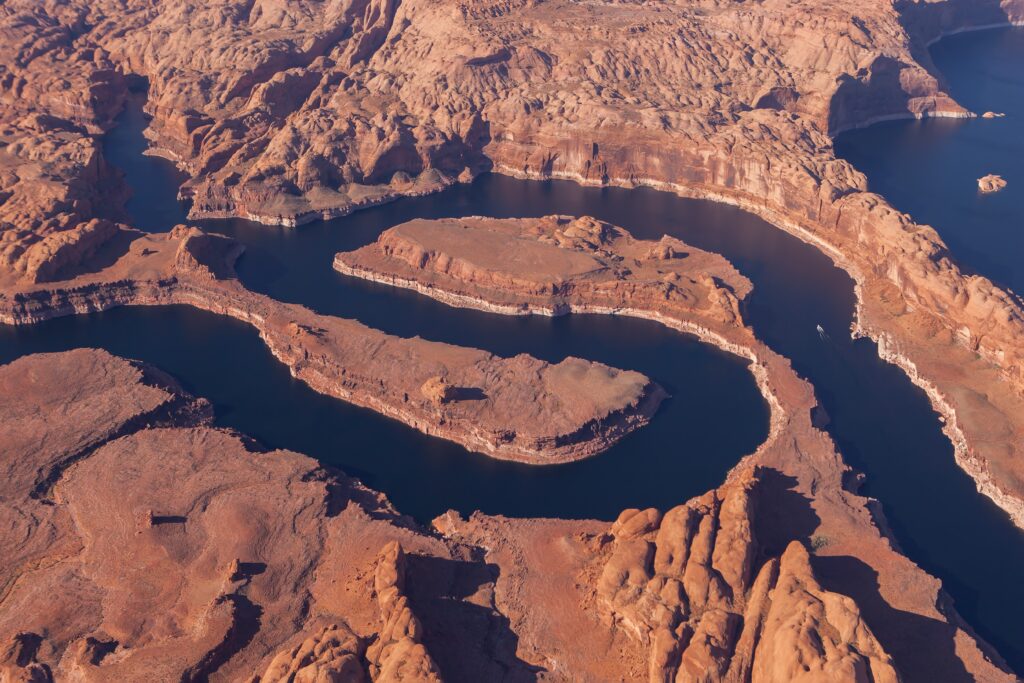
Lake Powell, which stretches across the Utah-Arizona border, is approximately 23% full and nearing its previous record-low elevation. The reservoir entered 2026 in a vulnerable position, then received little help from an exceptionally poor snow season and intense spring heat. Unlike a typical year, when melting mountain snow produces a noticeable rise, the reservoir experienced virtually no spring recovery. Federal officials told Congress in June that Powell was around one-quarter of capacity as the broader Colorado River system entered its 27th year of prolonged drought.
Lake Mead Is Losing Its Downstream Cushion
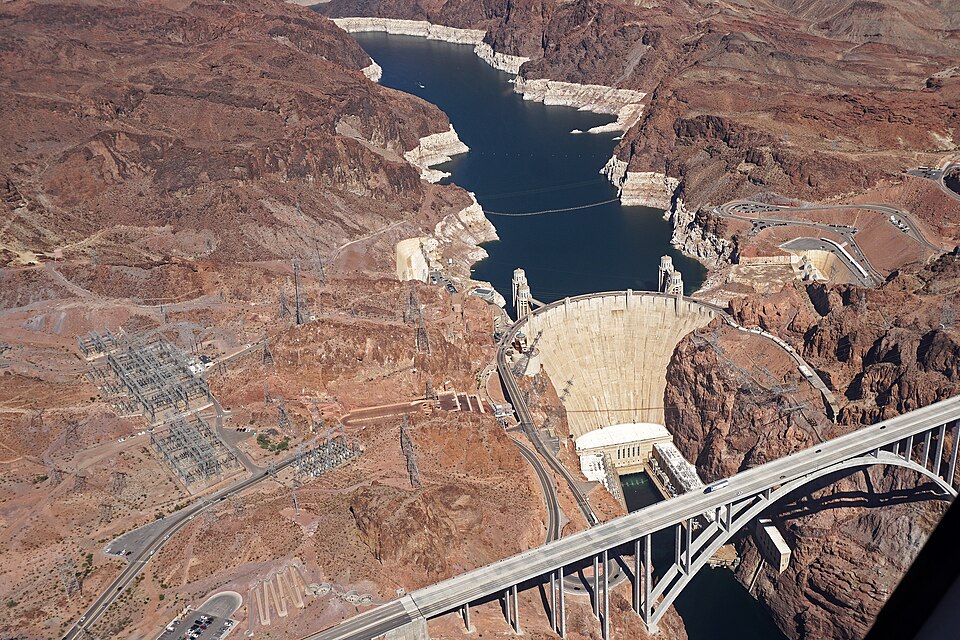
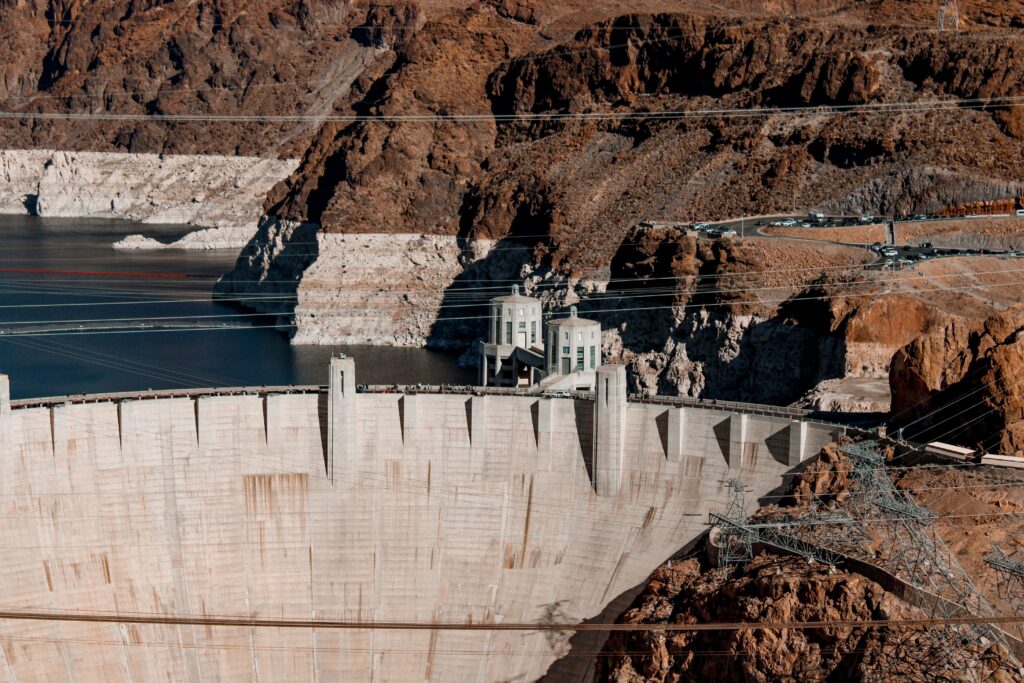
Lake Mead, formed by Hoover Dam, is also hovering near historically low levels at roughly one-quarter of capacity. It receives much of its water from releases made upstream at Glen Canyon Dam, meaning attempts to protect Lake Powell can accelerate Mead’s decline. The Bureau of Reclamation has warned that reducing Powell’s releases could produce an additional reduction of as much as 40% in Hoover Dam’s hydropower capacity. That connection makes the two reservoirs a single operating system rather than separate crises.
A Dry Winter Left Little Water to Capture
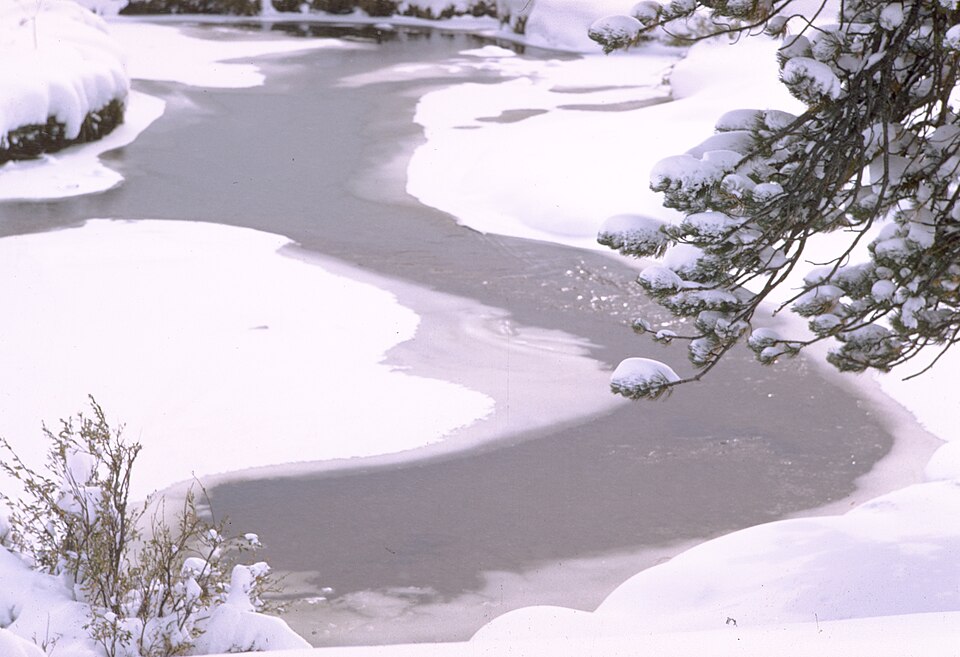
Most Colorado River water begins as mountain snow in Colorado, Wyoming, Utah and New Mexico. That snowpack acts as natural storage, releasing water into streams and reservoirs as temperatures rise. In 2026, weak accumulation and rapid spring warming sharply reduced runoff reaching Lake Powell. Dry soils also absorb part of the melting snow before it reaches the river. One wet storm or snowy month can improve conditions temporarily, but rebuilding reservoirs of this scale requires repeated years of strong runoff paired with lower withdrawals.
Drought Is Only Part of the Problem
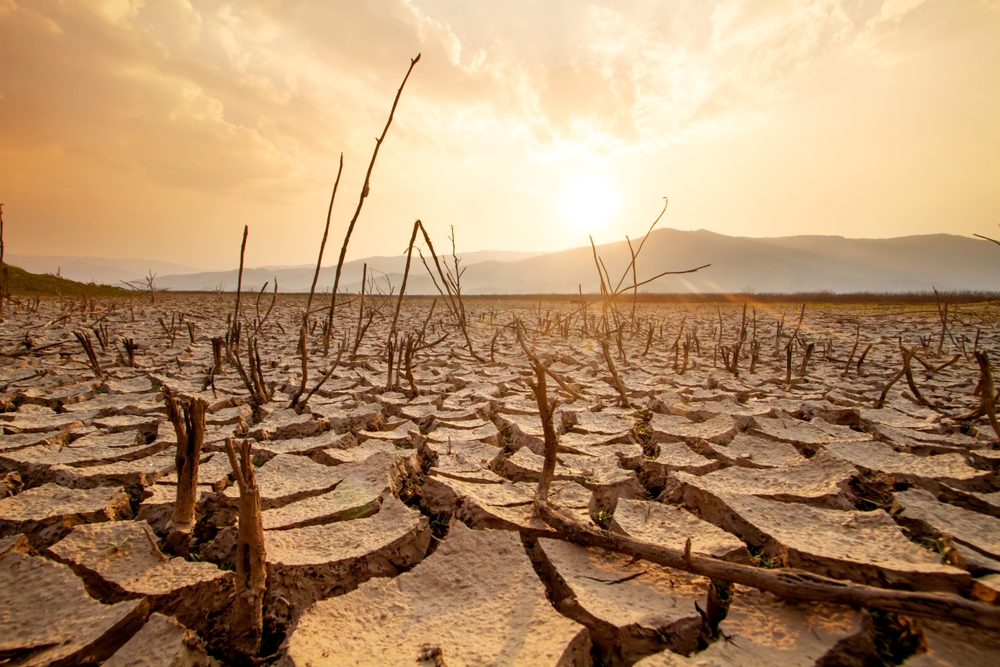
The reservoir decline reflects both climate conditions and human demand. Rising temperatures increase evaporation, dry the landscape and reduce the portion of snowmelt that reaches rivers. At the same time, the Colorado River’s water was divided under agreements developed when flows were unusually high. Cities, irrigation districts and other users have built long-term plans around allocations that the river increasingly struggles to provide. The result is a structural gap between promised water and the amount reliably available, even when occasional wet years briefly lift reservoir levels.
Millions Depend on the Colorado River

The stakes extend far beyond boat ramps and lakeside communities. The Colorado River system serves more than 40 million people across seven U.S. states, tribal nations and Mexico, while supporting irrigation across millions of acres of farmland. Water from the river reaches major metropolitan areas including Phoenix, Las Vegas, Los Angeles and San Diego. Agricultural districts also use it to produce vegetables, livestock feed and other crops, connecting reservoir conditions to food production, rural employment and grocery supply chains throughout the country.
Falling Water Reduces Hydropower Output
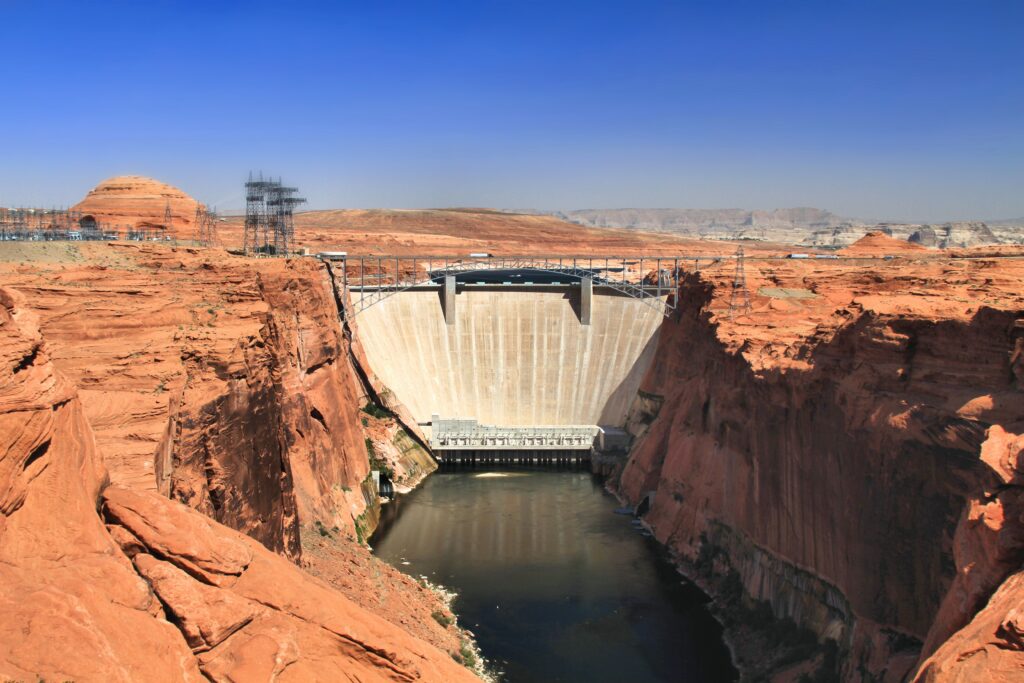
Hydropower generation becomes less efficient as reservoir elevations fall because lower water pressure produces less force through dam turbines. Lake Powell is roughly 33 feet above the elevation at which Glen Canyon Dam could no longer generate electricity, according to recent reporting. Hoover Dam faces similar pressure as Lake Mead declines. The consequences would extend beyond lost electricity: hydropower revenue helps fund federal programs involving environmental protection, salinity control and river management, so diminished production can weaken other parts of the Colorado River system.
Recreation Economies Are Already Adapting
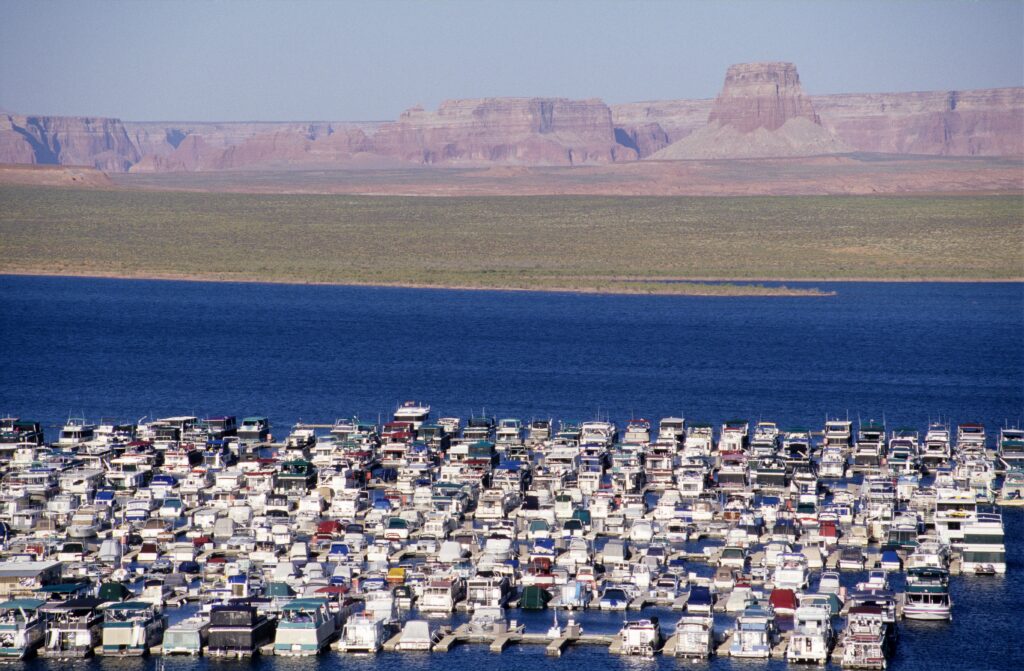
Low water is creating immediate problems for businesses and visitors around Lake Powell. Boat ramps that once reached the shoreline have become unusable, while marinas must move equipment, extend access routes and warn boaters about newly exposed rocks and navigation hazards. Communities supported by boating, fishing, lodging and tourism face reduced visitor access even though substantial areas of the reservoir remain open. These disruptions illustrate how declining storage can affect local income long before municipal taps stop running or mandatory cuts deepen.
The States Still Disagree Over Who Should Cut Back
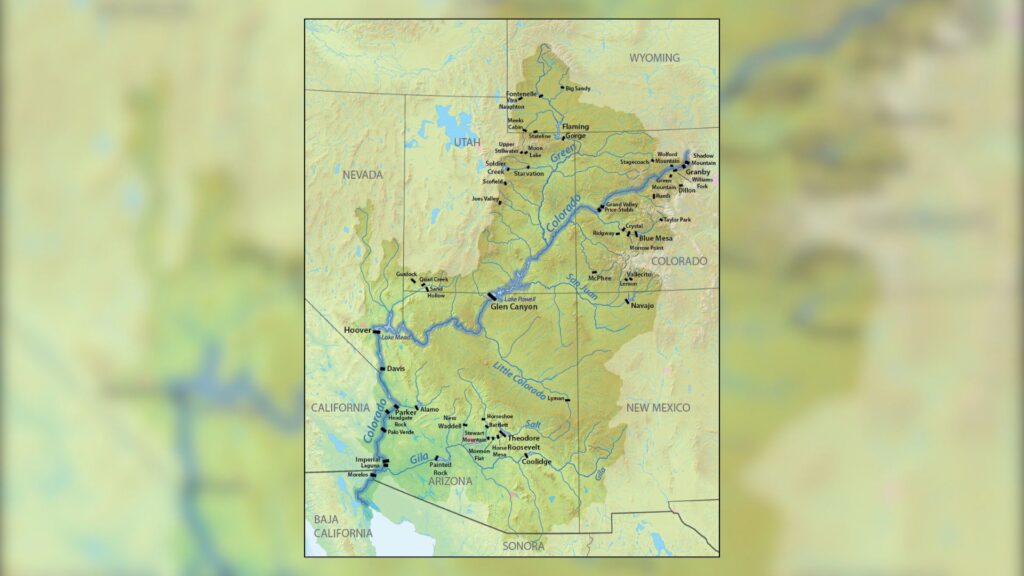
The seven Colorado River Basin states have struggled to agree on rules for operating Lake Powell and Lake Mead after the current framework expires. Upper Basin states argue that variable snowfall already limits how much water they can use and resist fixed mandatory reductions. Lower Basin states, which include Arizona, California and Nevada, want cuts measured across the entire system and have pressed for commitments from upstream users. Tribal nations and Mexico also hold major interests in the outcome. Without consensus, the federal government may have to impose a plan that leaves some parties dissatisfied.
The Next Rules Will Determine How Much Risk Remains
The record-low combined storage is arriving as federal officials develop a new operating system for the river. The central decision is no longer whether users must conserve, but how reductions will be divided, enforced and adjusted during increasingly dry years. Water recycling, agricultural efficiency, compensated conservation and new urban supply projects may help, but none can substitute for aligning total use with the river’s diminished flow. What happens next at Lake Powell and Lake Mead will depend less on a single winter than on whether governments can agree before emergency conditions make the choices for them.