Turning Your Savings Into Gold Bars Comes With Another Question: How Will You Turn Them Back Into Cash?



There is something reassuring about turning numbers in a savings account into an object you can actually hold. Gold bars are tangible, portable and often bought as protection against inflation or economic uncertainty. They also come in surprisingly accessible sizes, starting around one gram rather than the movie-vault bricks most people picture. But physical ownership changes something important about your money. Cash can be spent instantly. A gold bar has one extra step, and that step is where things get interesting.
That Extra Step Is Easy to Ignore
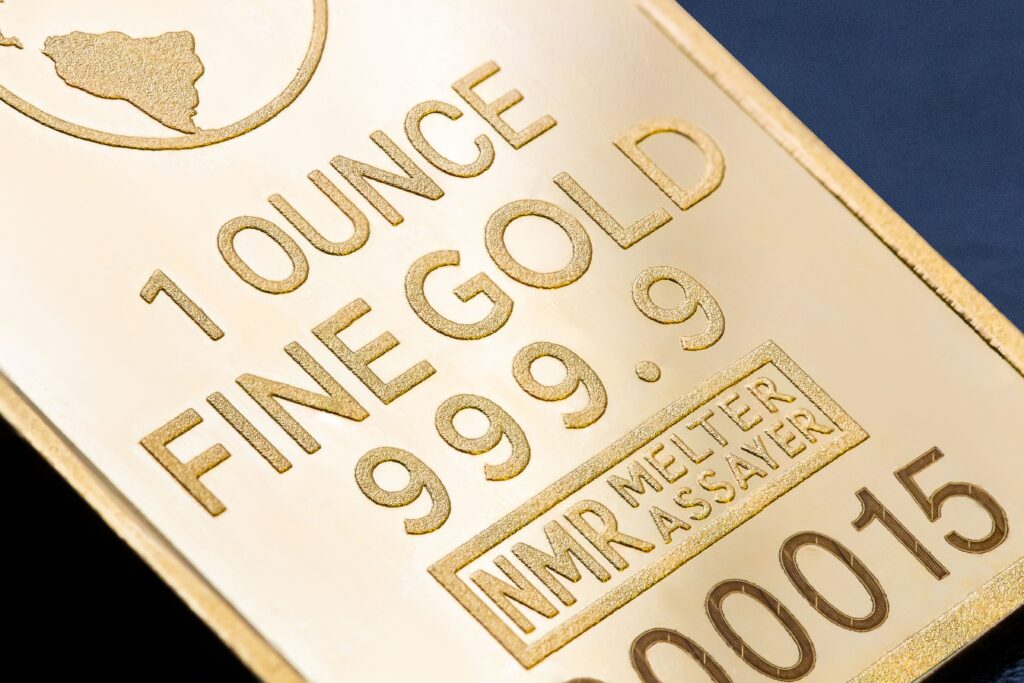
Buying gold has become remarkably ordinary. Investors can use online bullion dealers, local coin shops and even major retailers such as Costco. Recognized bars generally carry stamps showing weight, purity and the refiner, while minted versions often arrive in tamper-evident packaging with an assay certificate. Everything about the purchase can feel clean and straightforward. Then imagine needing several thousand dollars tomorrow for an emergency. You cannot hand your gold bar to the mortgage company. First, somebody has to turn it back into money.
Here’s the Catch: Selling Has Its Own Price

That is the part new buyers can underestimate. The price of gold is not automatically the amount someone will hand you. Personal finance expert Kathy Kristof compared selling gold to exchanging currency: you buy at one price and sell at another. Dealers need room for operating costs and profit, so sellers generally aim to get as close to the current spot price as possible rather than expecting the full quoted market value. Suddenly, choosing where to sell matters almost as much as deciding when.
Your Bar Size Can Box You In

Here is a decision worth making before the gold ever reaches your safe. Larger bars generally cost less per ounce because production and distribution costs are spread across more gold. Great for efficiency. Not so great when you only need part of the money. Multiple 10-gram bars can be sold individually, while a conventional 100-gram bar normally goes as one piece. Tax advisor David Kang puts the trade-off neatly: “It’s usually a choice between premium and flexibility.” Bigger can be cheaper. Smaller can be easier to escape.
Reddit’s Gold Fans Had a Warning

Someone on r/Gold once asked whether they should convert all their savings into gold. You might expect enthusiastic approval from a community devoted to the metal. Instead, user Silverstacker60 answered: “My answer is not a chance.” Another commenter, Romulus1300, argued that having everything in one asset was simply too risky. That reaction gets at the liquidity problem. Gold may have substantial value, but emergency savings have another job: being available exactly when life decides not to cooperate.
Not Every Buyer Offers the Same Deal
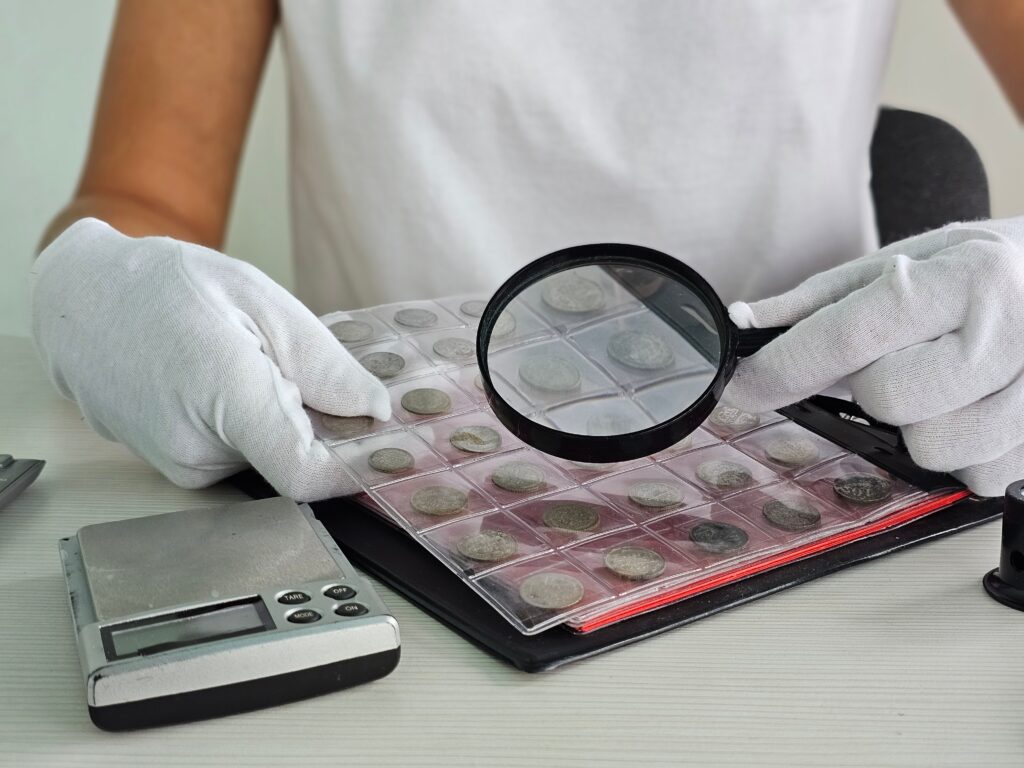
Need cash immediately? A local gold dealer offers face-to-face convenience and potentially same-day payment, but physical stores have overhead that can translate into lower offers. Online buyers may offer stronger payouts because of lower operating costs, but now you are shipping something extremely valuable and waiting for evaluation. Auctions can make sense for unusual or collectible pieces, yet fees can eat into the proceeds of ordinary bullion. There is no magic cash-out button. Every route makes you trade something: money, time or convenience.
And This Is Where Scammers Enter
A seller focused on getting cash quickly can become an attractive target. Kristof recommends checking complaints, lawsuits and reviews, including whether customers say a buyer claimed their gold never arrived or undervalued its content. Shipping deserves particular attention. Read the terms, confirm insurance and tracking, and know who bears the loss if a package disappears. Reputable buyers should also be transparent about how offers work. If somebody is rushing you while being vague about the price, the shiny object in the transaction may be distracting you from the real risk.
Keep the Packaging You Wanted to Tear Open

That sealed assay card is more than presentation. Original receipts, authenticity cards, matching serial numbers and tamper-evident packaging can make a bar easier for a buyer to verify. USA Today notes that bars from recognized, LBMA-accredited refiners are generally more trusted and easier to resell. Minted bars may cost more than cast bars, but their standardized appearance and packaging can help at resale. In other words, the paperwork sitting beside your gold may eventually help determine how smoothly your gold becomes cash.
Know Your Number Before Someone Gives You Theirs

Before accepting an offer, know the bar’s weight, purity and current spot price. Alloy recommends calculating melt value, gathering documentation and getting quotes from at least three buyers. And remember the final number can shrink through shipping, insurance, commissions or other fees. As one r/Gold commenter, FFFF-, warned about emergency situations, converting gold back into cash “will take time and $$.” That is the sentence worth remembering before turning an entire rainy-day fund into metal.
Buy Gold With the Exit Already in Mind

Physical gold can play a role in a broader financial plan, but the smartest question may come before the first purchase: How would I sell this if I needed cash next week? Bar size, refiner, documentation, storage and access to trustworthy buyers all affect that answer. Gold can sit quietly for years. Emergencies rarely give the same courtesy. So if you are tempted to turn savings into bars, decide where the exit door is first. Would you feel safer with your emergency money in gold, or safer knowing you could spend it tonight?