TSA Shared 31,000 Traveler Records With ICE Despite Its Program Being Built to Fight Terrorism
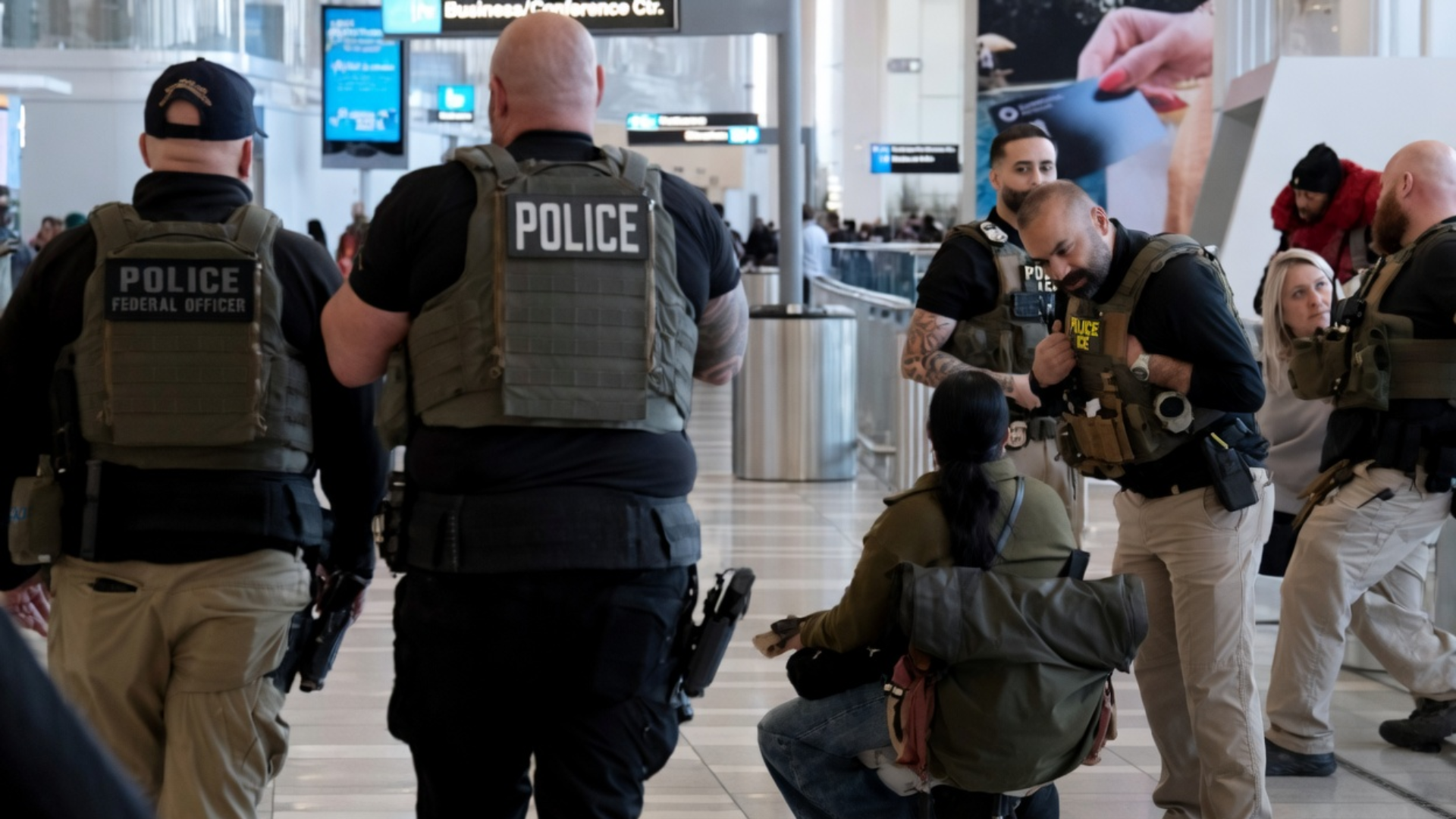

A program built after the September 11 attacks to keep terrorists off airplanes has become a primary data source for immigration arrests under the Trump administration. Internal ICE data reviewed by Reuters reveal that the Transportation Security Administration shared records on more than 31,000 travelers with immigration enforcement officials, leading to the arrest of more than 800 people, a figure far larger than anything previously disclosed to the public. The scope of the operation signals a dramatic expansion of how airport security infrastructure is now being used.
The data covers the period from the start of Donald Trump’s current presidency through February 2026. The TSA records were gathered through a program called Secure Flight, created in 2007 specifically to screen passenger information against government watchlists as a counter-terrorism measure. The regulation outlining the program’s purpose makes no mention of immigration enforcement. That original mandate, according to Reuters reporting, did not include tracking down individuals for immigration violations, a distinction now at the center of a growing legal and political debate.
ICE and TSA both operate under the Department of Homeland Security, and the two agencies have historically shared information tied to national security concerns. What changed under the current administration is the focus: tips that once flagged potential terrorism threats are now being used to identify when specific individuals plan to travel, allowing immigration officers to intercept them. Reuters could not determine how many of the 800-plus arrests occurred inside airports, though the nature of the tips makes airports a logical enforcement point.
Arrests at Gates, Terminals, and Boarding Lines: What the Cases Reveal

Several individual arrests linked to airport immigration enforcement have drawn public attention and legal scrutiny. In November, ICE officers detained a college student who was traveling from Boston to Texas to celebrate Thanksgiving. The following day, a mother was arrested at San Francisco International Airport, the day before Trump formally deployed ICE agents to more than a dozen airports across the country. DHS defended both arrests, stating that each person was subject to a final order of removal.
Immigration attorneys who spoke with Reuters described cases that extended well beyond those two incidents. One attorney, Christina Canty, detailed the detention of an Irish couple who had lived in the United States for more than 20 years. They were arrested by immigration authorities in front of their children while attempting to fly from Florida to New York after a family vacation. Both parents had pending applications for permanent residency at the time. They were deported, leaving behind two children, aged seven and ten, in the care of adult siblings.
In a separate case, a Chinese woman with a final order of removal who was simultaneously seeking permanent residence was detained by ICE at the Atlanta airport while traveling to Philadelphia. Three immigration attorneys told Reuters they were each familiar with cases involving people without legal immigration status being arrested in airport settings. Together, the cases sketch a picture of enforcement that is operating across multiple airports, targeting individuals whose travel plans have been flagged through the Secure Flight data-sharing pipeline.
A Funding Standoff, Missed Paychecks, and ICE Officers Filling Airport Security Roles
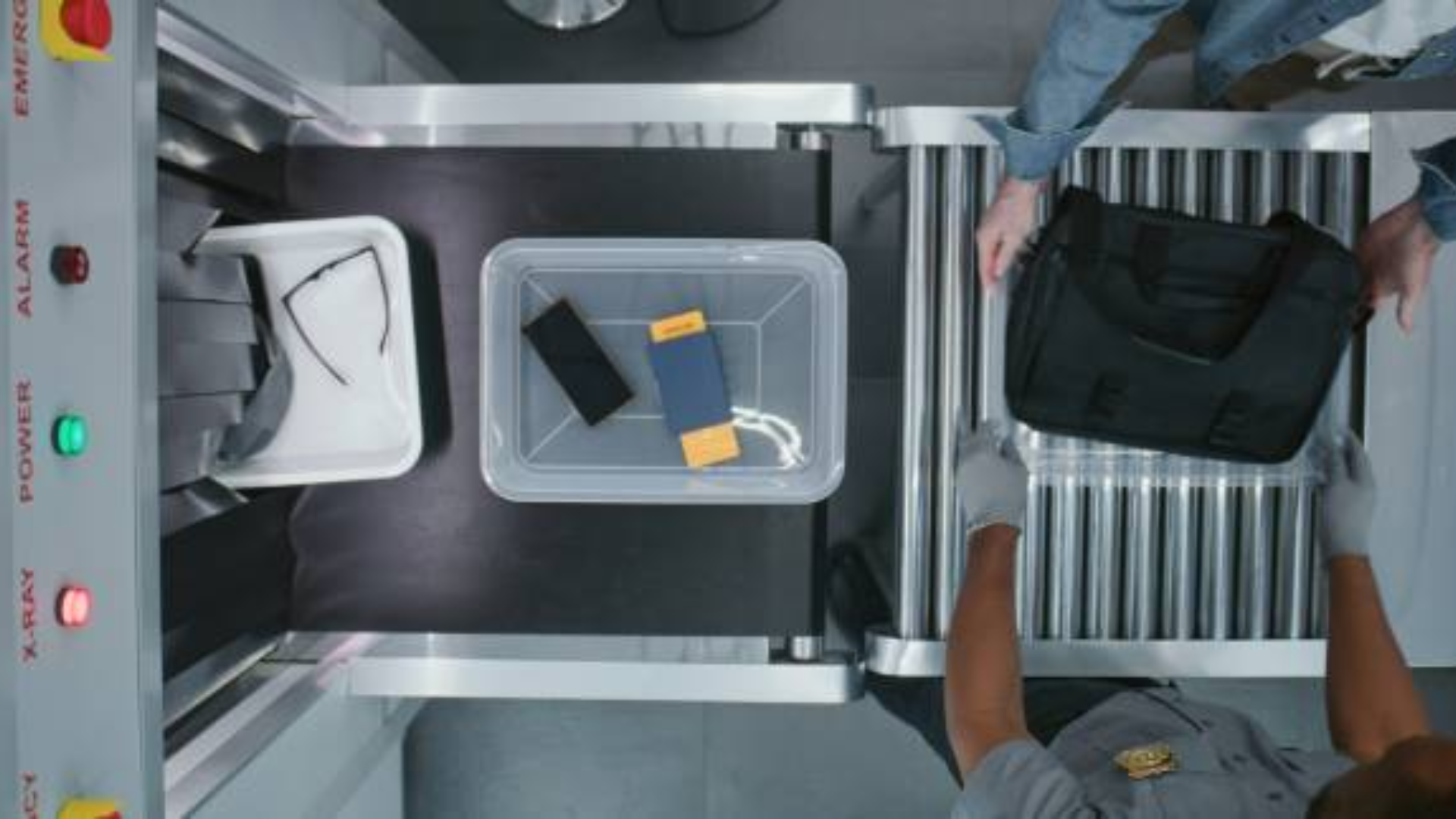
The expansion of ICE’s airport presence did not happen in isolation. It emerged directly from a partisan funding dispute that began in mid-February, when Democratic lawmakers refused to support additional funding for the Republican administration’s immigration crackdown without reforms to limit what they characterized as overly aggressive enforcement tactics. The standoff blocked passage of a bill to fund the Department of Homeland Security, with consequences that cascaded quickly through airport operations across the country.
TSA security officers missed at least two full paychecks as a result of the funding impasse. As unpaid officers began calling in sick in increasing numbers, the administration responded by deploying ICE agents to more than a dozen airports in March to fill the security gaps. The move blurred the line between immigration enforcement and airport safety in a way that drew immediate Democratic opposition. More than 40 House Democrats wrote to Homeland Security Secretary Markwayne Mullin warning that the presence of ICE officers in airports “will cause confusion and fear” among the traveling public.
DHS did not respond to Reuters questions about the specific practice of TSA sharing passenger data with ICE. In a broader statement, the department said that under the Trump administration, TSA “is pursuing solutions that improve resiliency, security, and efficiency across our entire system.” What that statement leaves unaddressed is the foundational question raised by the Secure Flight program’s original design: whether a system built to protect air travel from terrorism can legally and ethically serve as an instrument of routine immigration enforcement without any change to the regulation governing its use.
The Legal Gray Zone Where Counter-Terrorism Infrastructure Meets Deportation Policy
The Secure Flight program operates under a specific regulatory framework that defines its purpose as counter-terrorism screening. Using it to generate immigration enforcement leads represents a functional expansion of the program’s scope that has not been publicly authorized through any regulatory update or congressional action. Figures on how many traveler records TSA shared with ICE before Trump’s current term were unavailable, making it impossible to establish a clear baseline for how dramatically the practice has accelerated.
The 31,000 traveler records shared with ICE represent a broad funnel: a large pool of individuals flagged for potential immigration enforcement, from which 800-plus arrests ultimately resulted. That conversion rate raises questions about how the records are being used, what legal standards govern their transfer between agencies, and whether travelers have any meaningful notice that booking a domestic flight could result in their information being forwarded to immigration authorities. Immigration attorneys are now advising clients with uncertain legal status on the risks of air travel in ways that were not necessary before this program’s expansion.
The deeper issue may outlast any single administration. Once federal agencies establish new uses for existing surveillance infrastructure, those uses rarely disappear when political leadership changes. The Secure Flight program will continue to collect passenger data. The question of whether sharing that data with ICE becomes a permanent feature of how American airports operate — or whether courts, Congress, or a future administration draws a boundary — remains open. For the 31,000 people whose records were already transferred, that question arrived before anyone thought to ask it.