Airport Wait Times Crash From Hours to Minutes as TSA Back Pay Finally Hits Bank Accounts

Last week, some American travelers stood in airport security lines for four hours. Not because of a storm, a system failure, or a terror threat but because the people running those checkpoints had not been paid in over a month. Roughly 61,000 TSA employees worked through a partial government shutdown without a single paycheck, missing more than one billion dollars in collective wages. When back pay finally started hitting bank accounts on Monday, the lines collapsed almost immediately. The question is what was left standing after them.
The Shutdown That Started It All
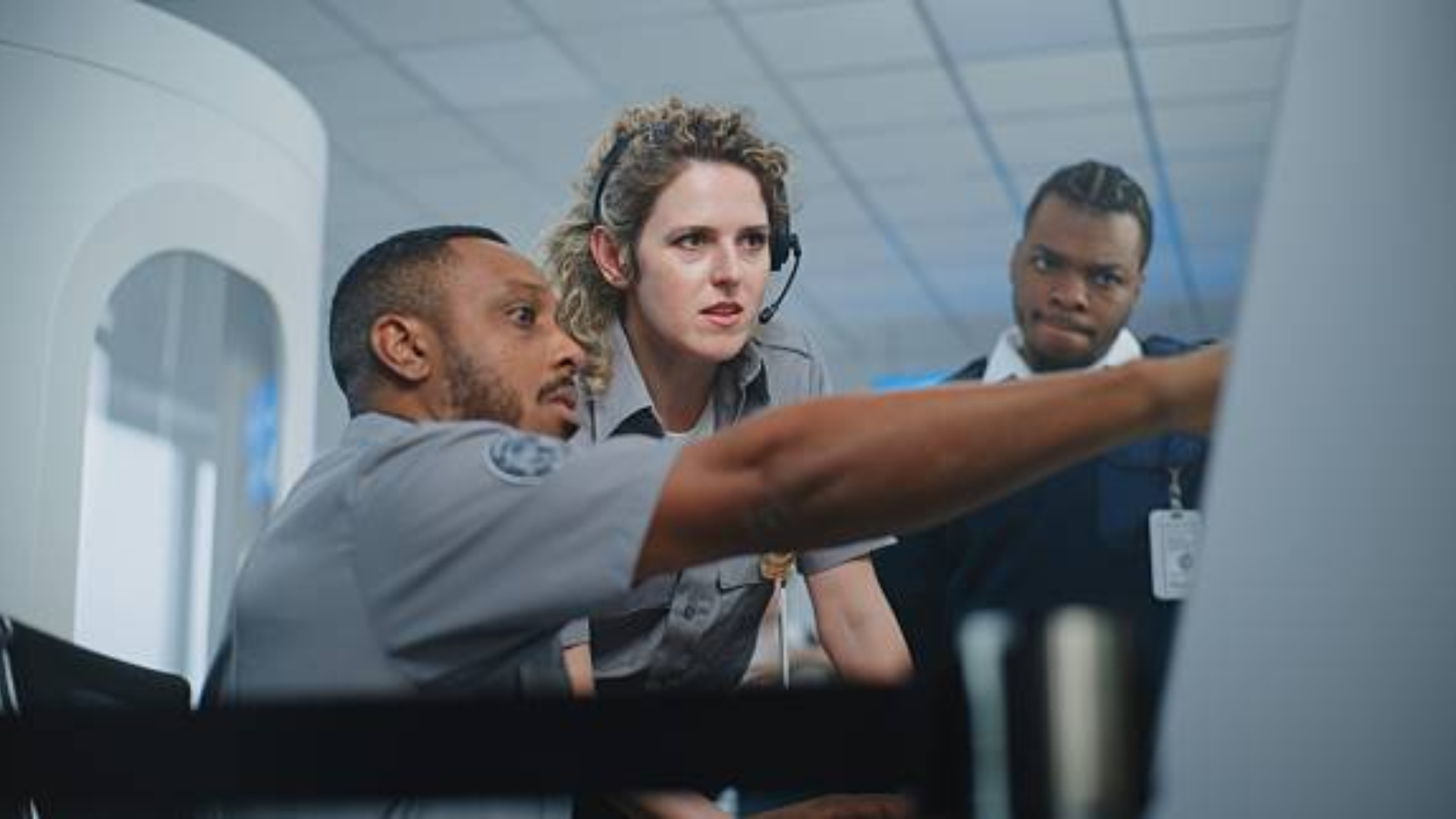
On February 14, a partial government shutdown began, and TSA employees became its most visible casualties. Unlike some federal workers who were furloughed and stayed home, TSA agents were deemed essential. Meaning they were legally required to keep showing up to work the security lines at America’s airports, regardless of whether a paycheck was coming. For more than a month, tens of thousands of people woke up, drove to work, screened passengers, and went home with nothing deposited in their accounts.
The Lines That Shocked Travelers
As more agents called out sick or simply stopped showing up, wait times at major airports spiraled. Houston’s George Bush Intercontinental Airport became one of the worst flashpoints, with travelers reporting security lines stretching 75 minutes before dawn on some days, and far longer during peak hours the week prior. Airports that normally move thousands of passengers efficiently ground to a near halt. Flights were missed. Connections were lost. And for many travelers, the reason behind the chaos was not immediately clear.
Then the Back Pay Arrived
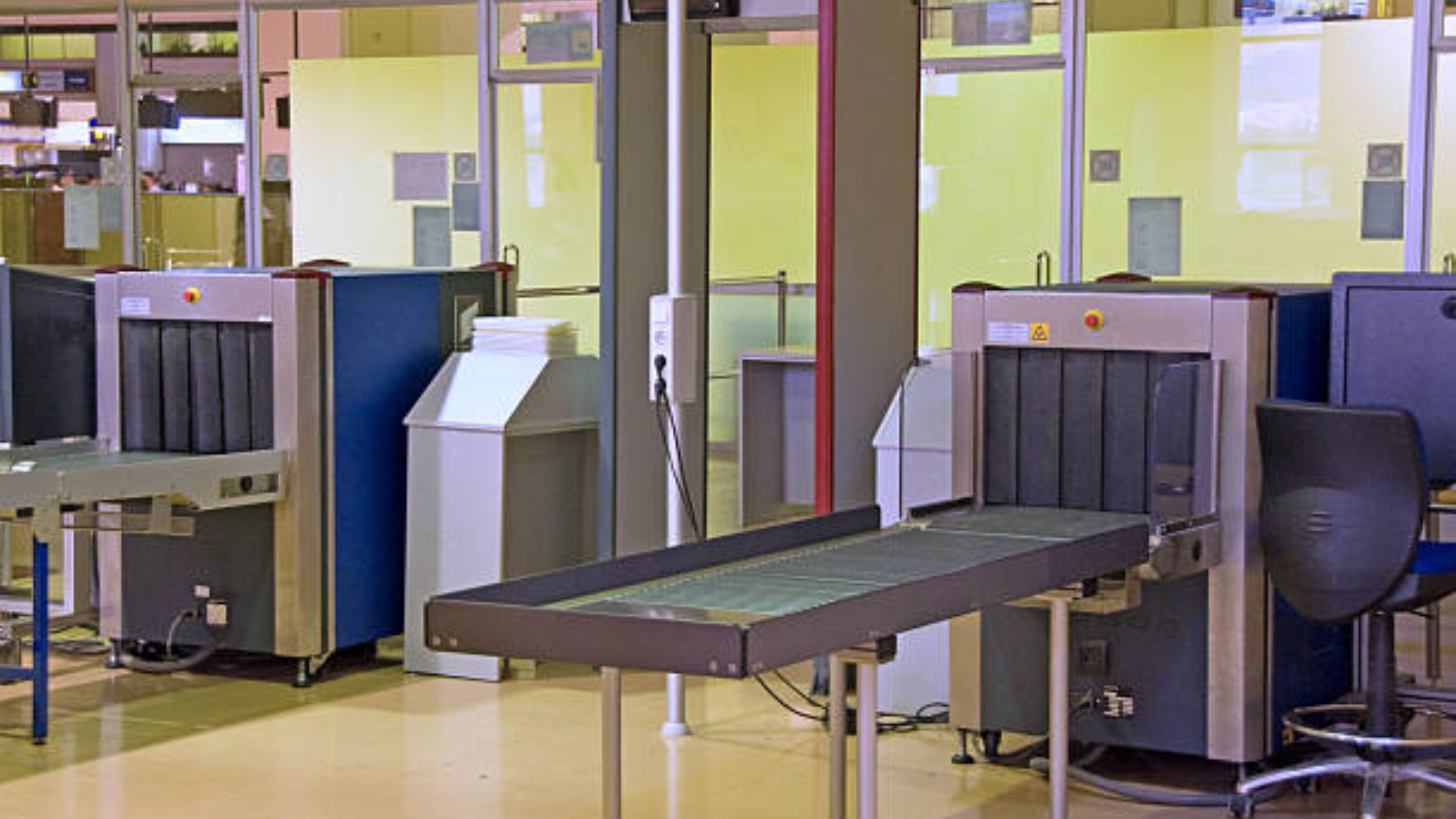
President Donald Trump ordered the agency on Friday to immediately resume paying its workers, and by Monday, direct deposits began landing in TSA employees’ bank accounts. The effect was rapid and measurable. Houston’s wait times dropped from 75 minutes to as low as 9 minutes within hours. At Hartsfield-Jackson Atlanta International lines fell to just 3 minutes. The connection between a paid workforce and a functioning airport had never been demonstrated quite so clearly or so quickly.
Real People, Real Damage

Behind the improved wait time numbers were workers describing a month of compounding financial wreckage. One TSA agent in Houston said the back pay would finally allow him to buy groceries, fill his gas tank, and pick up medication he had been going without. Others said their first priority was paying overdue rent before eviction proceedings moved forward. An Atlanta officer described colleagues who had maxed out credit cards just to cover basic needs, accumulating late fees they still cannot afford on top of the original debt.
Credit Wrecked. Cars Gone. Evictions Filed.
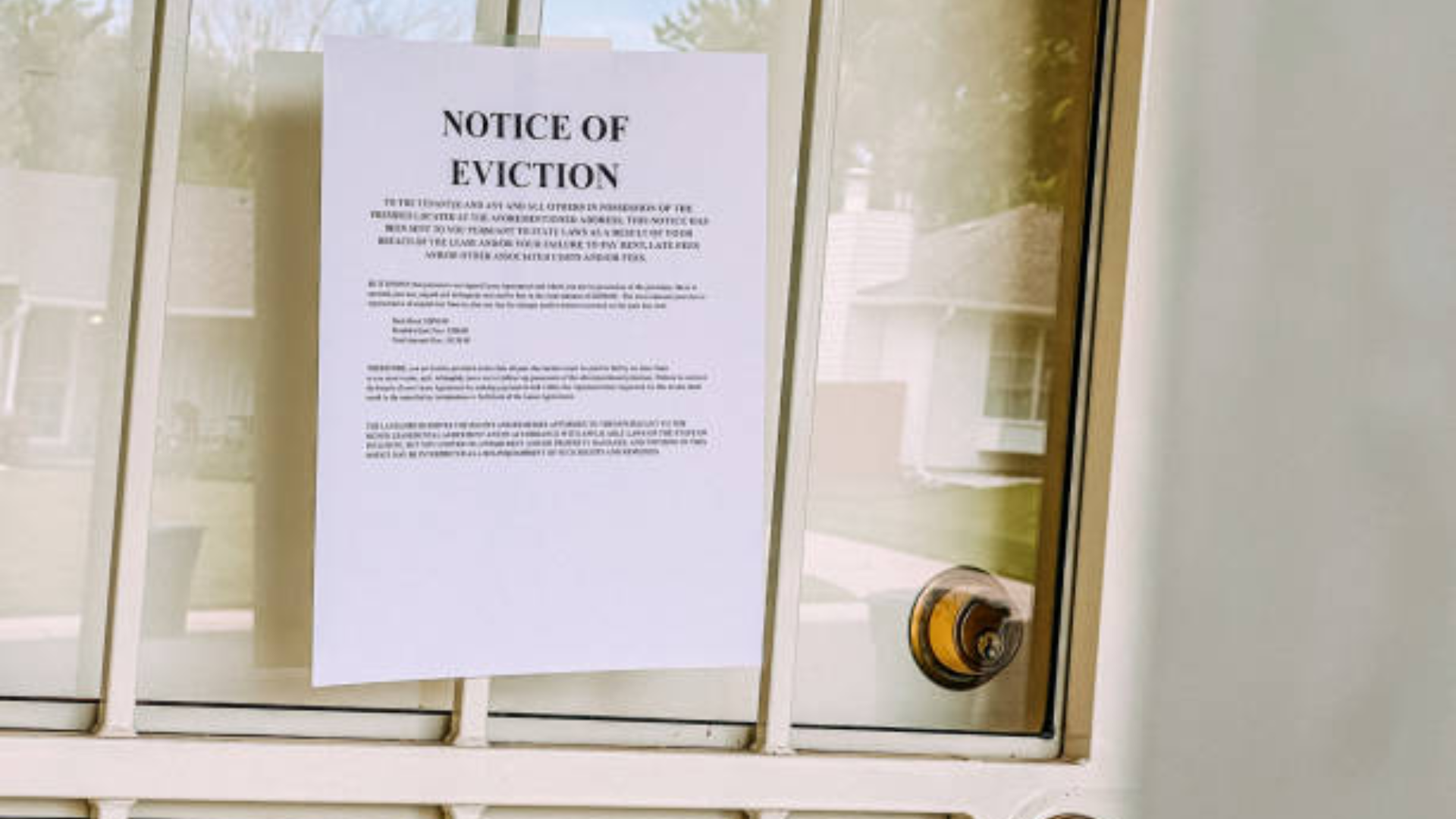
Aaron Barker, an Atlanta TSA officer and president of AFGE Local 554, did not sugarcoat the damage when speaking to reporters. According to Barker, officers went into debt, had their credit scores destroyed, lost their cars to repossession, and in some cases were evicted from their homes, all while continuing to report to work every day. He warned that the back pay was unlikely to stop the bleeding, predicting a mass exodus of officers who have simply lost confidence in the stability of a federal paycheck.
More Than 500 Have Already Quit
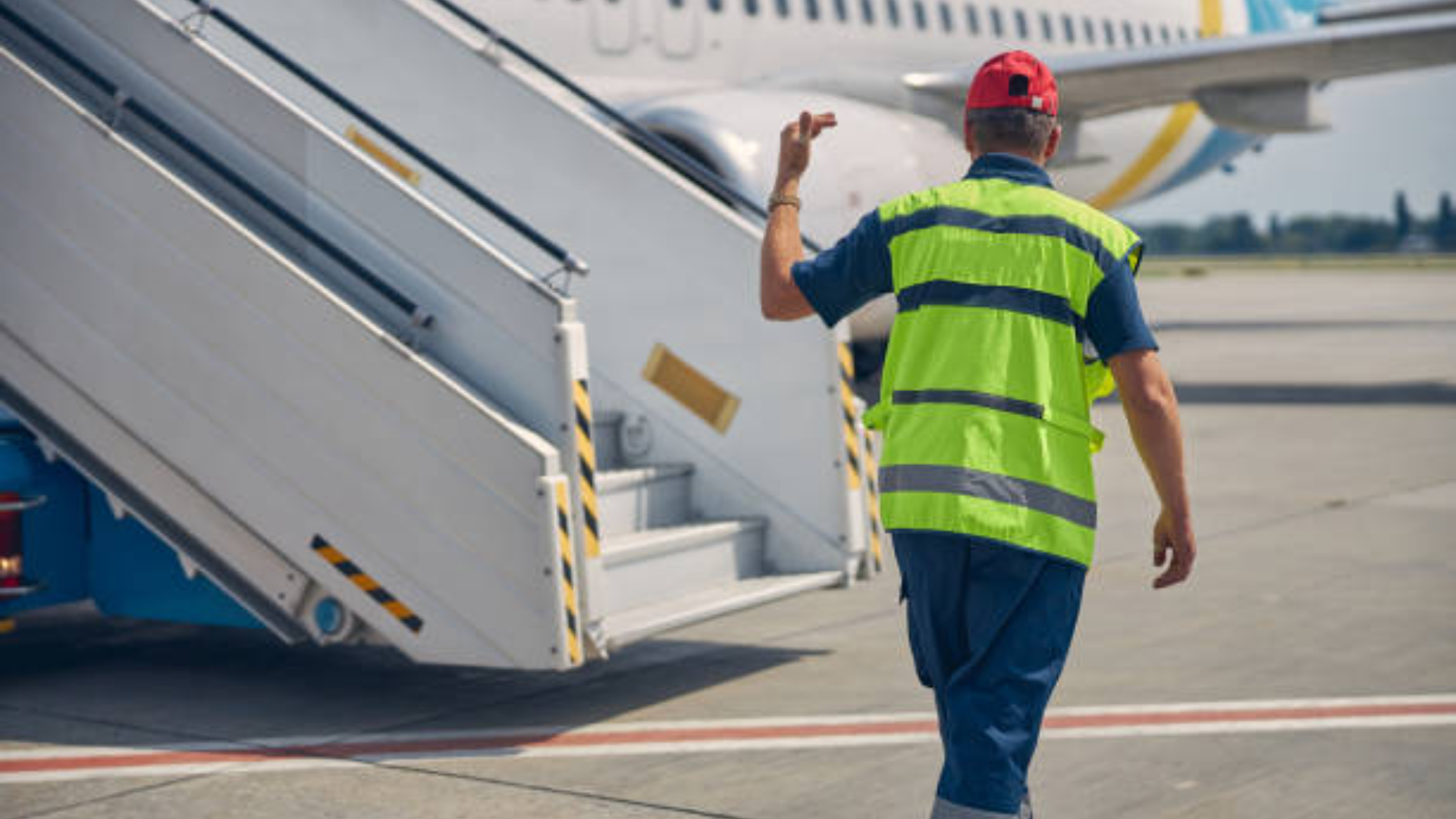
The numbers support Barker’s concern. Since the partial shutdown began on February 14, more than 500 TSA employees have resigned; approximately 0.82 percent of the total workforce. That figure may seem small, but in an agency where every checkpoint depends on adequate staffing, even modest losses in headcount ripple outward quickly. The American Federation of Government Employees, which represents around 47,000 TSA officers, said it could take a week or more for remaining workers to stabilize their personal finances enough to return to full attendance.
The Back Pay Came With Its Own Problems
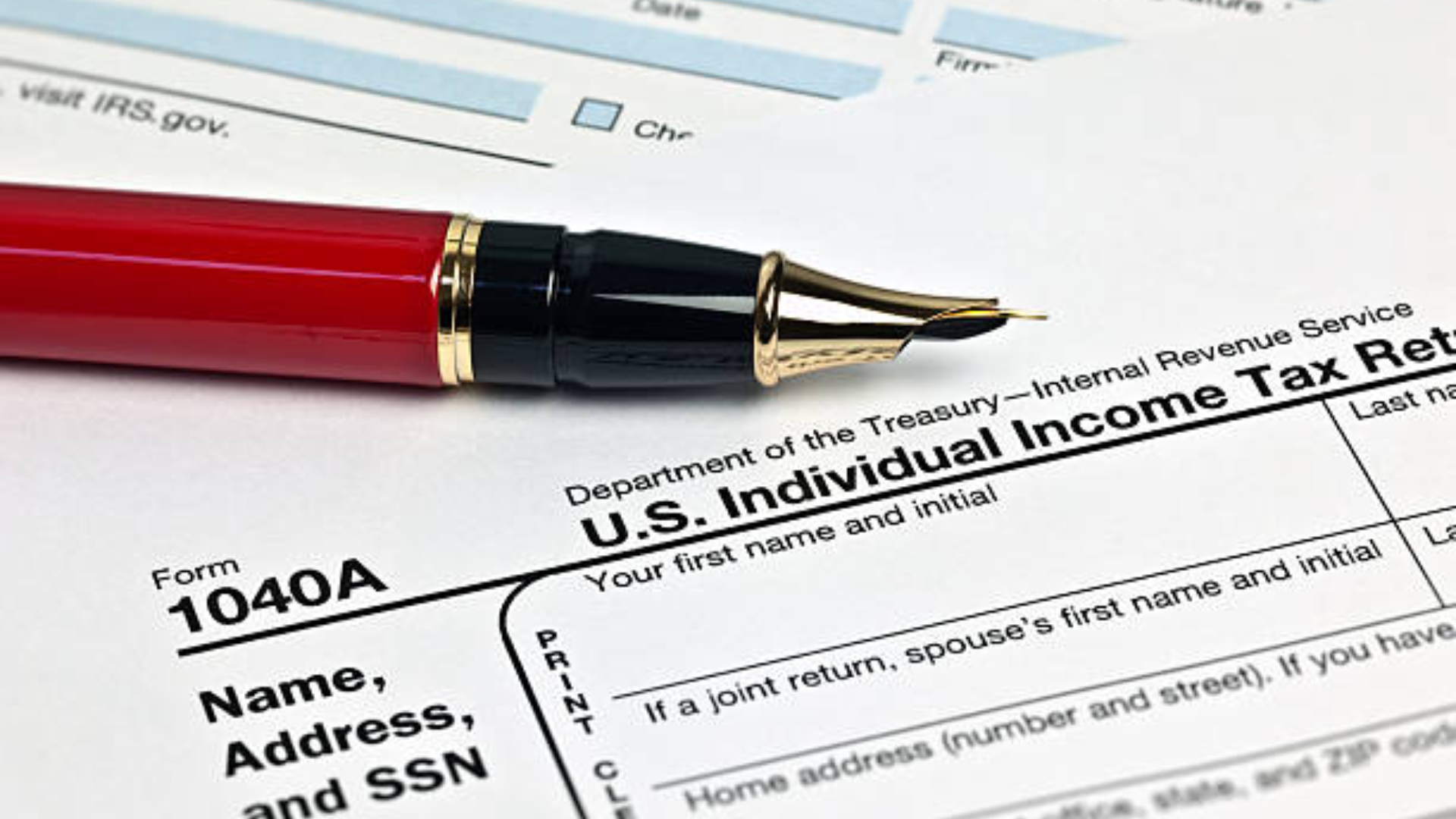
Even workers who did receive deposits reported that the situation was not fully resolved. Some received only two of the three missed paychecks they were owed. Others flagged concerns about missing overtime payments and taxes withheld at an unusually high rate on their back pay, a discrepancy that could leave workers with unexpected tax bills they are in no position to absorb. As of Monday, DHS had not addressed questions about the tax withholding issue, and the agency said it was still processing partial paychecks owed from late February.
A Pattern, Not a Fluke
Johnny Jones, secretary-treasurer of AFGE’s TSA Council 100, placed the crisis inside a larger and deeply frustrating pattern. According to Jones, in the past five months alone, the government has been shut down roughly half the time. TSA agents, he said, have long been treated as political pawns when lawmakers cannot agree on funding. His assessment was unsparing: back pay addresses the immediate financial wound but does nothing to treat the underlying condition. The people keeping airports secure are the first to suffer every time Congress fails to pass a budget.
The Lines Are Short Again But The Problems Are Not.
Airport security is moving again, and most travelers will quickly forget the chaos of the past several weeks. But the workforce running those checkpoints has been changed by this experience. Credit is damaged. Trust in the stability of federal employment has eroded. Hundreds have already walked away, and more may follow. The next time a government funding deadline approaches, the same essential workers will be watching the same clock. A system that functions only when its people are desperate enough to keep showing up is not a system that is actually working.