TSA Rolls Out $781 Million Scanner Upgrade That Changes 3 Common Flyer Habits
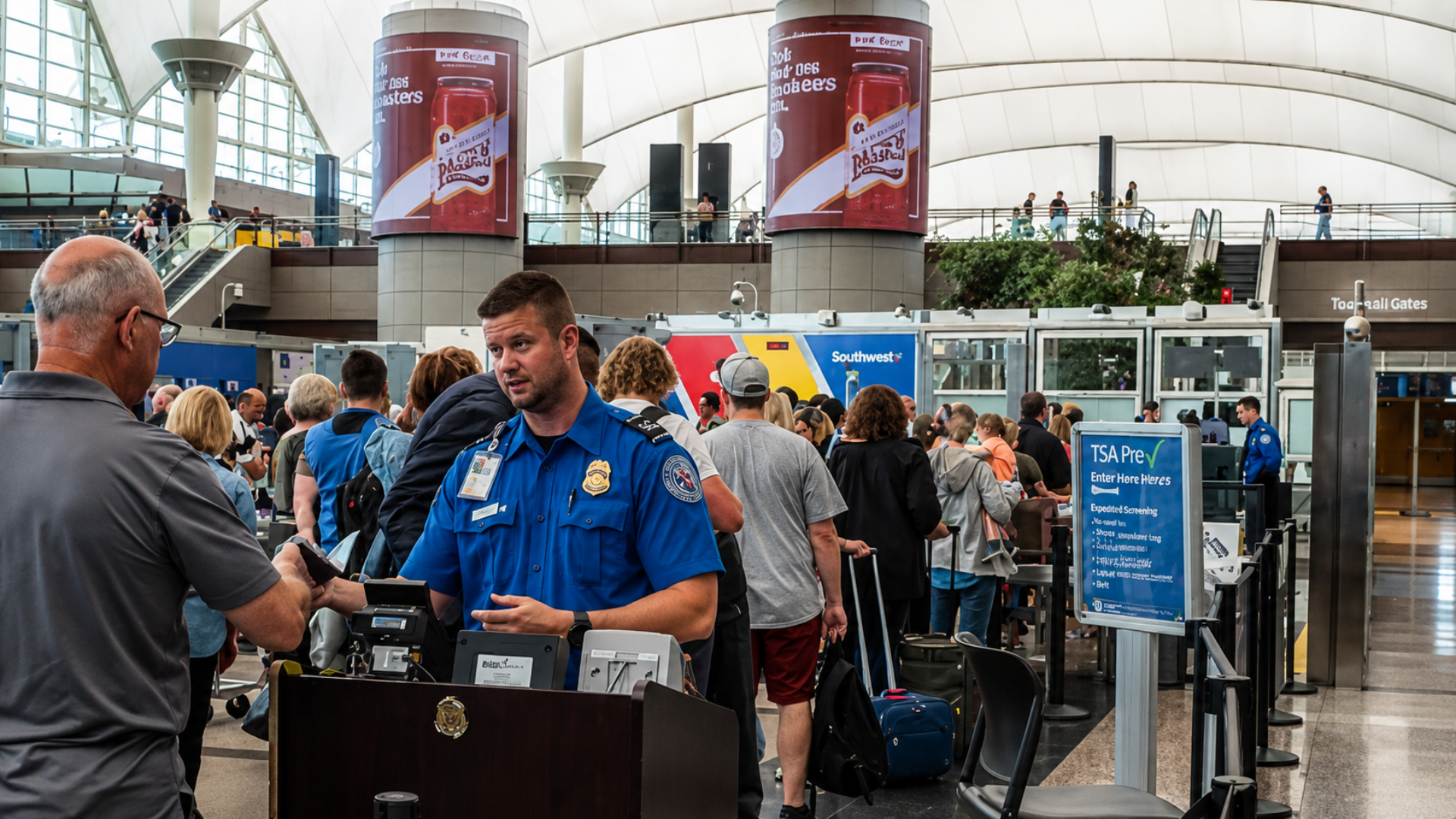

Many American travelers packing for a weekend trip are finding their favorite carryon bags abruptly rejected at airport security checkpoints before they ever reach the boarding gate. These automated screening lanes physically block oversized or overstuffed luggage from entering the system. Because the advanced machinery requires exact clearances to build three dimensional images, a suitcase that is stuffed just slightly too full will halt the queue, forcing passengers to exit the line entirely.
Federal Aviation Security Infrastructure Data Validates New Rules
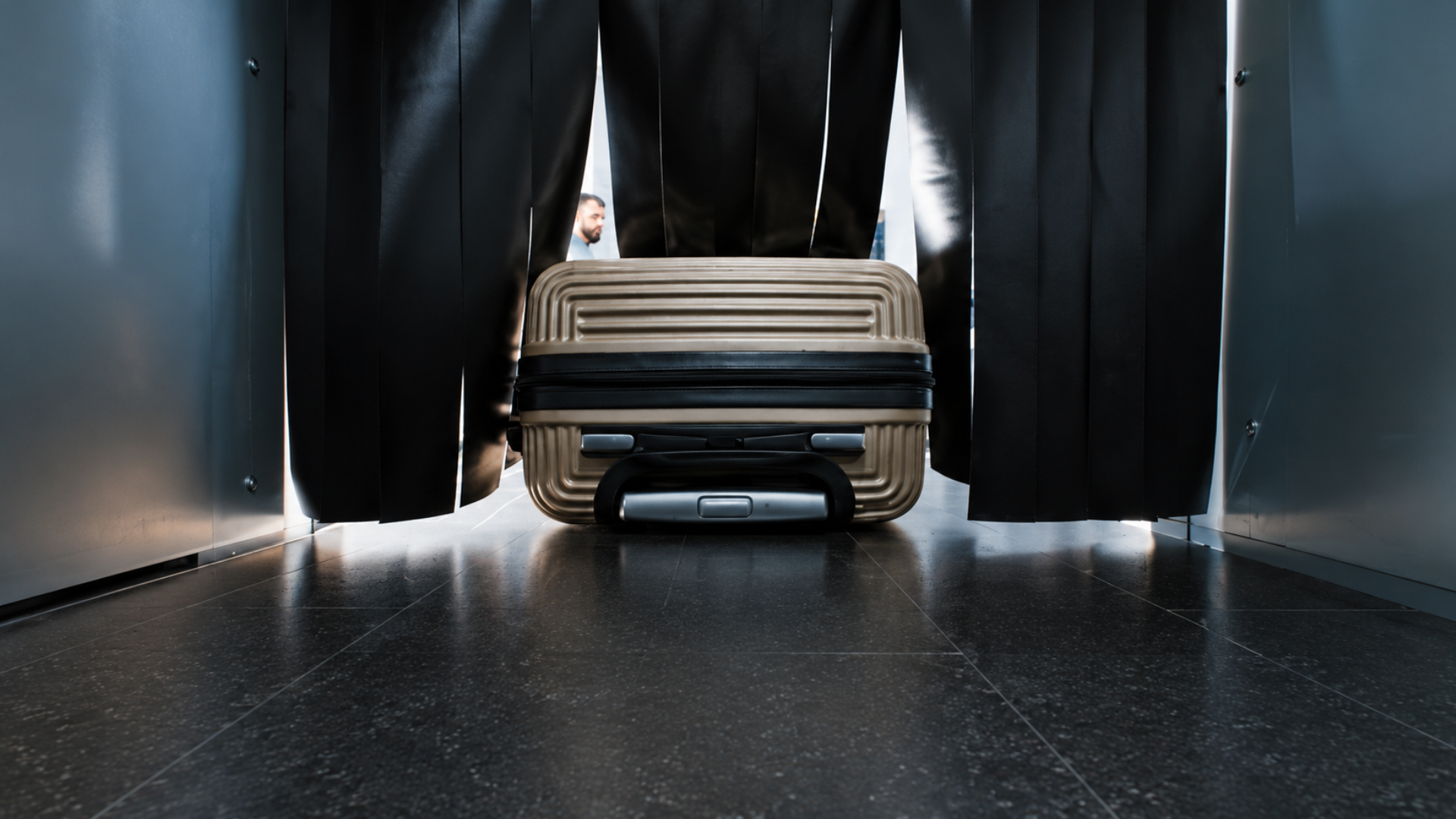
The Transportation Security Administration confirms that this strict operational shift is a direct result of its ongoing nationwide checkpoint modernization initiative. Official agency procurement logs and equipment specifications detail the deployment of advanced three dimensional computed tomography systems at major domestic transit hubs. This multiyear security upgrade program is rolling out across the country to replace legacy screening systems, validating why travelers are suddenly encountering rigid physical limitations during their routine airport screenings.
Massive Procurement Contracts Detail Full Nationwide Equipment Deployment
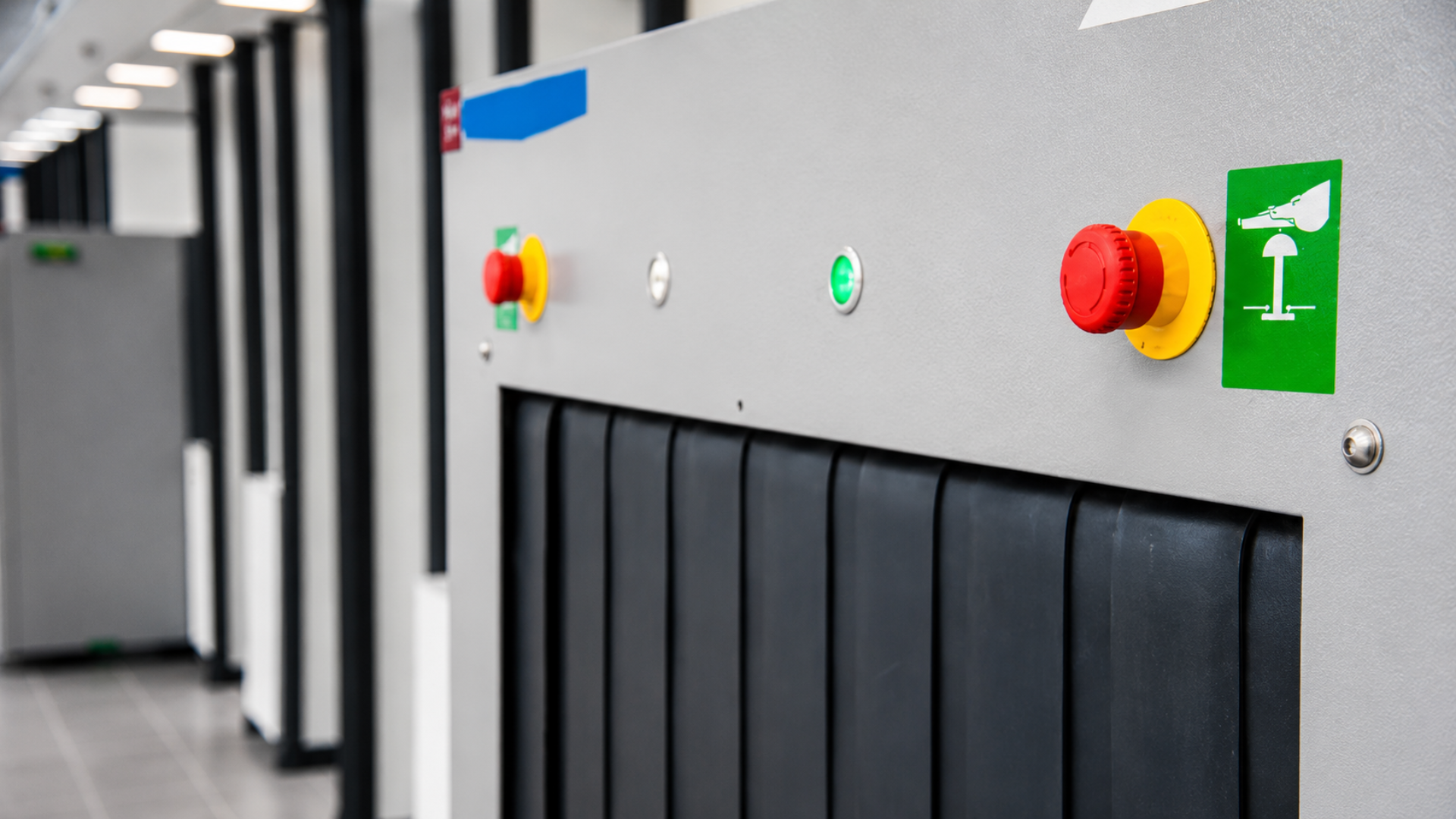
Federal budget records show the agency manages procurement contracts valued at up to 781.2 million dollars to purchase hundreds of these high tech checkpoint systems. This financial investment, which equals roughly two dollars for every single citizen in the United States, funds a highly sensitive scanning network. The newly installed units feature slightly smaller entry portals than traditional units, meaning a suitcase exceeding standard domestic dimensions cannot physically pass through the screening machine.
Automated Enforcements Eliminate Traditional Human Leniency At Gates
This structural transition disrupts decades of established flying habits because baggage size enforcement historically depended on visual assessments by airline gate agents. Travelers frequently utilized flexible, soft-sided bags that technically exceeded official regulations, relying on human leniency to avoid extra fees. The newly deployed technology completely removes human discretion from the initial screening phase, transforming luggage dimensions from a flexible airline policy into an uncompromising security prerequisite at the checkpoint.
Federal Administrators Prioritize Enhanced Threat Detection Capabilities
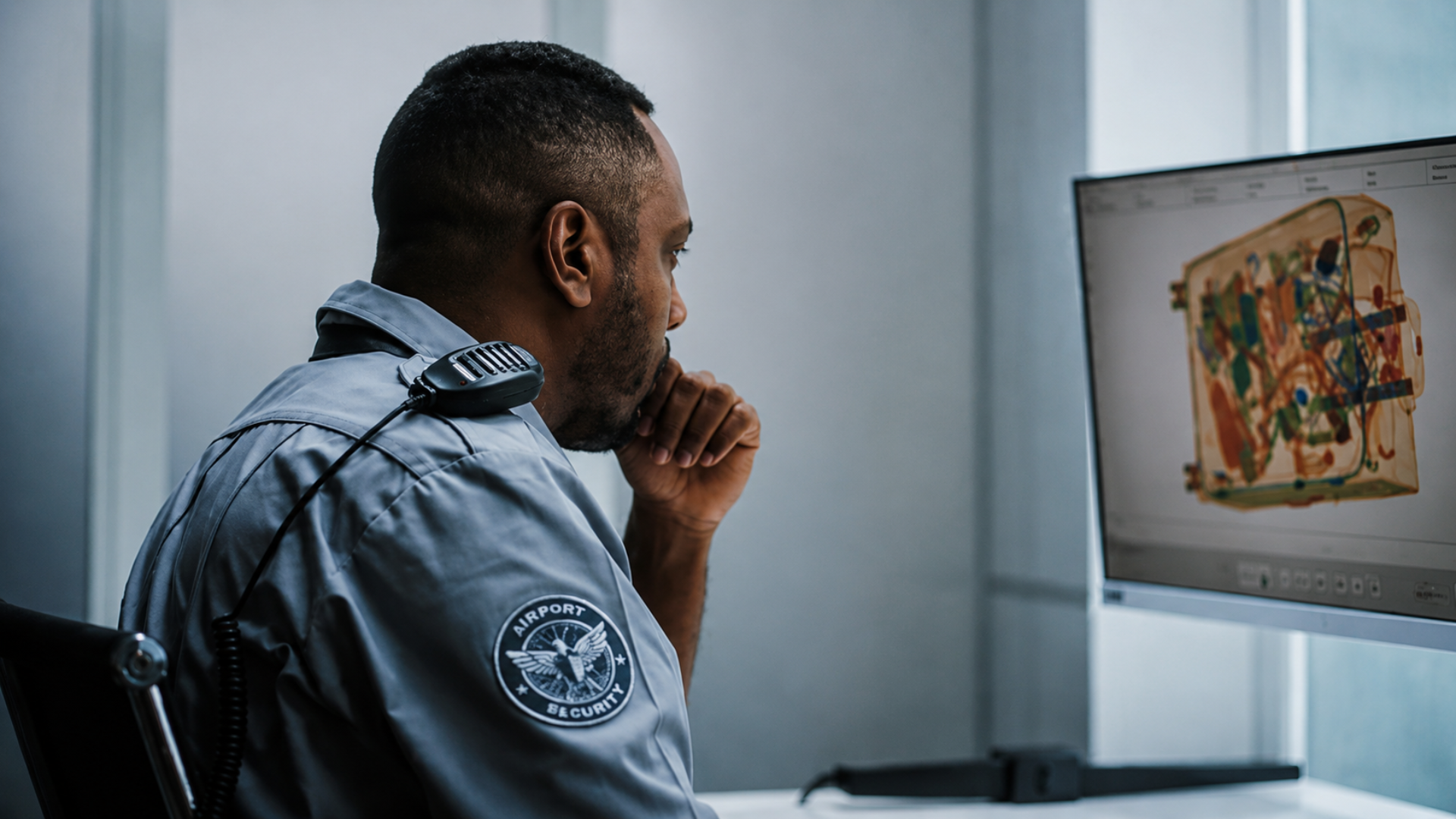
Government security officials emphasize that the primary objective of this computed tomography rollout is improving threat detection accuracy rather than punishing travelers with oversized luggage. Security officers utilize the highly detailed digital models to rotate and inspect bag contents from multiple angles without requiring passengers to unpack their electronics or liquids. However, agency leadership acknowledges that the physical architecture of these new machines inherently demands total compliance with standard luggage dimensions.
Modernized Checkpoints Escalating Operational Friction For Traditional Travelers
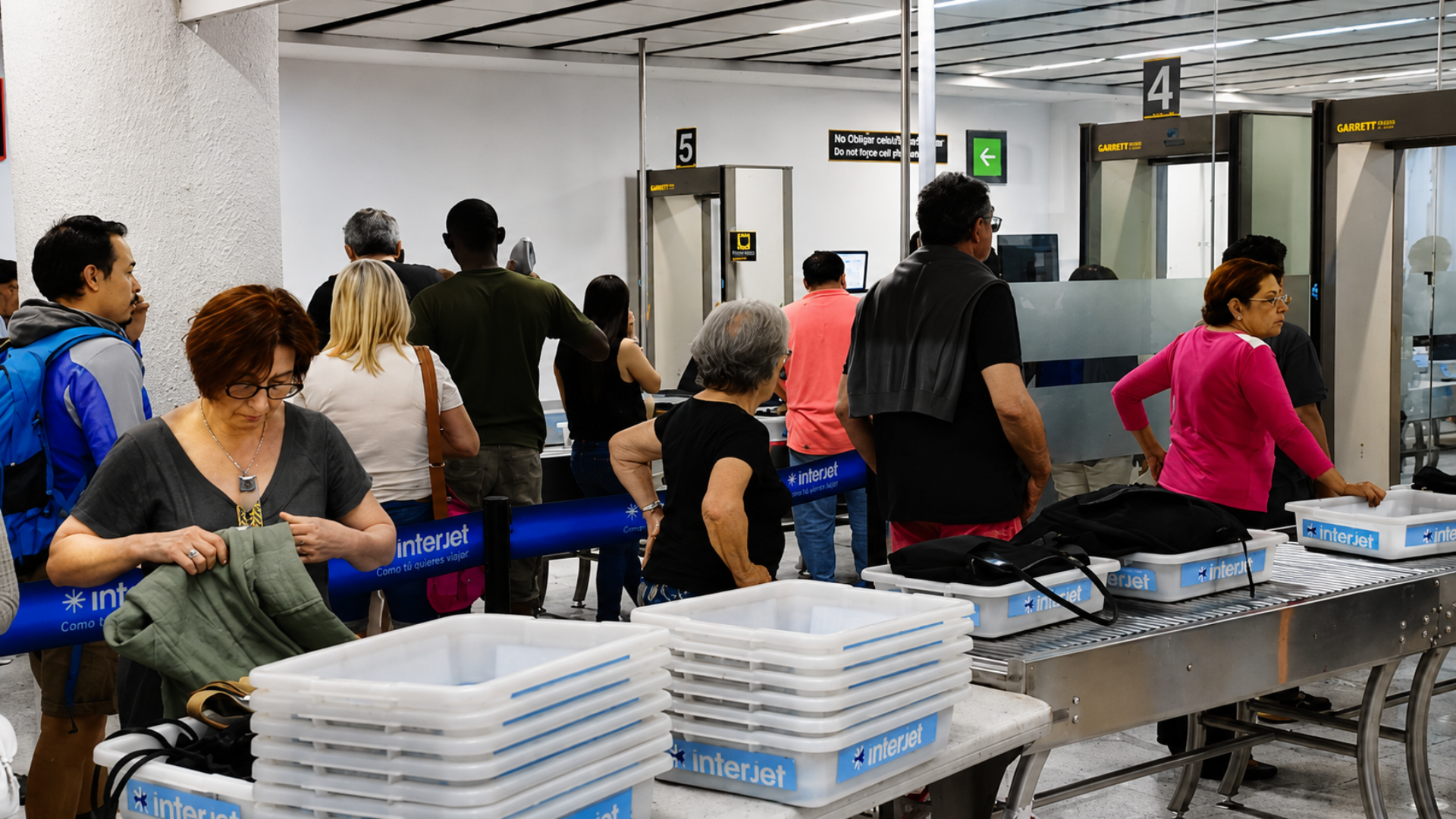
The implementation of these computerized systems successfully accelerates passenger processing by eliminating the tedious ritual of unpacking electronics, yet it simultaneously creates a severe dilemma for certain flyers. Travelers are learning that the increased power which makes checkpoints faster also introduces distinct hazards for specialized items. This tension highlights a broader escalation in airport security, where automated systems optimize speed for the masses while imposing strict new rules on individual habits.
Photographic Film Vulnerable To Severe Damage From High Radiation
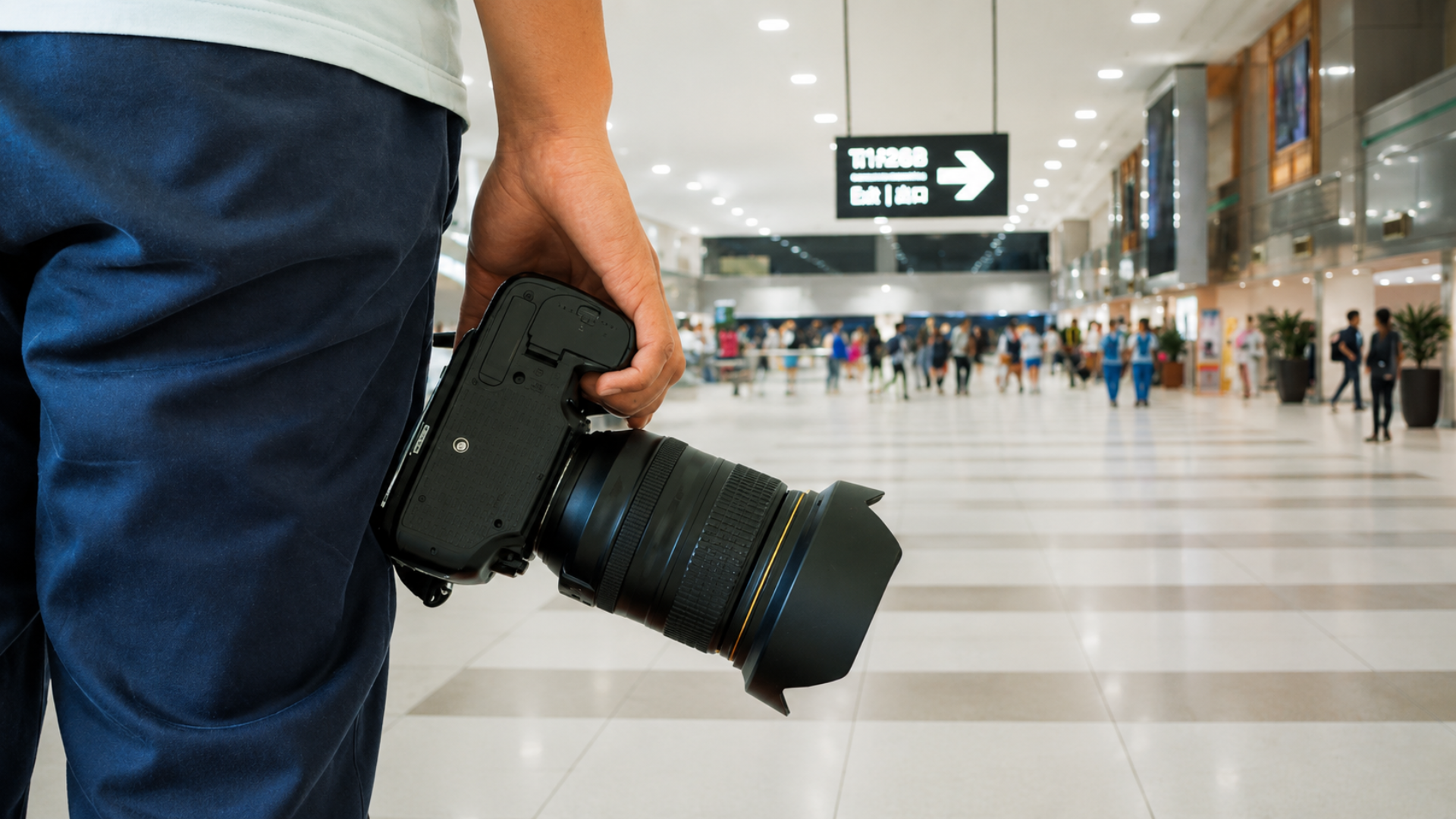
Analog photographers face a unique operational hurdle because the intensive radiation emitted by these three dimensional scanners permanently ruins unprocessed photographic film. Unlike older screening machinery that lower speed film could typically survive, a single pass through the updated system causes severe fogging and irreversible loss of image quality. Professional artists must now manually unpack all film materials and request individual hand inspections from security personnel to preserve their work.
Biometric Scanning Systems Expand Across Hundreds Of Domestic Airports
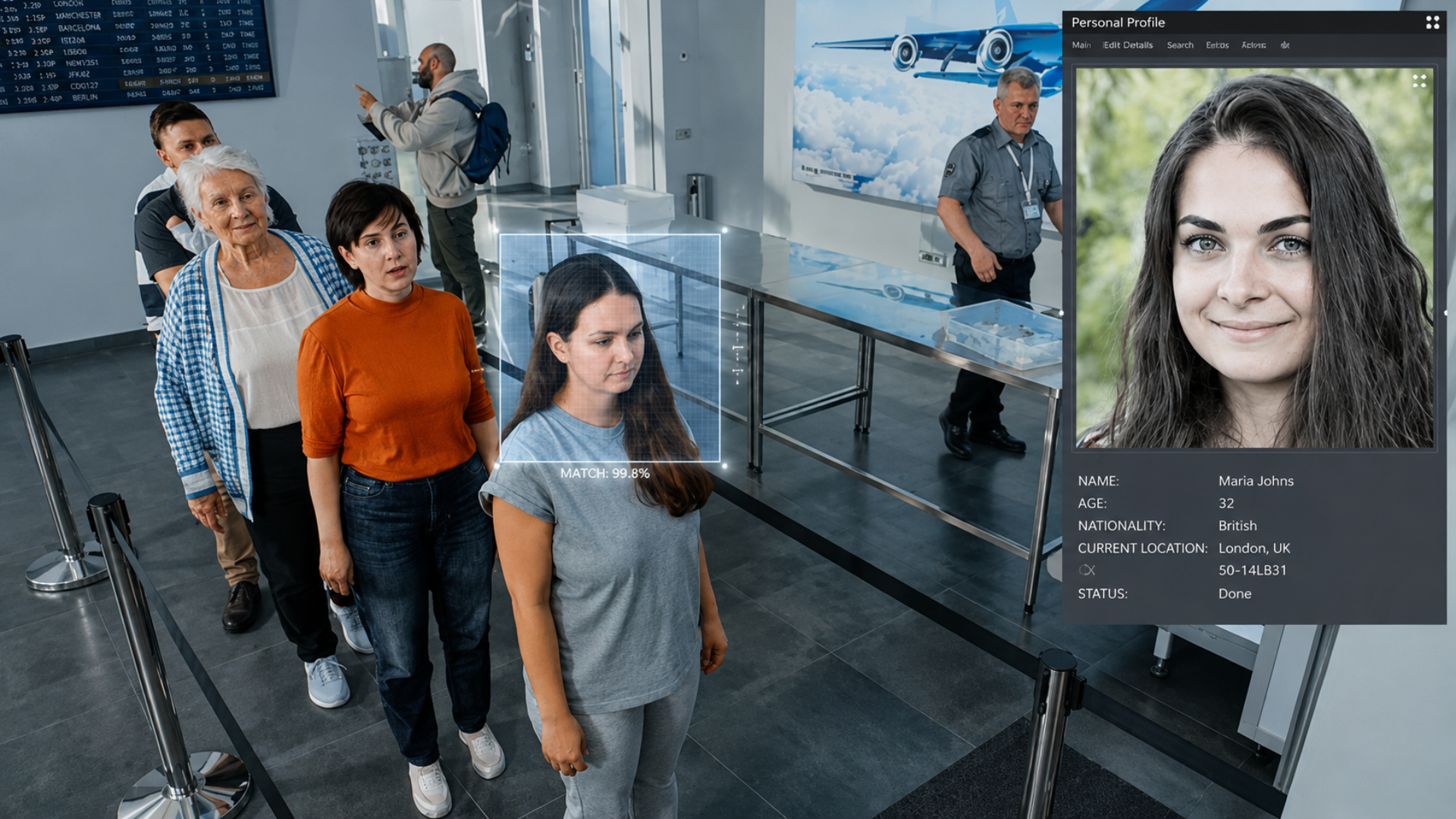
Beyond baggage screening, federal authorities are simultaneously transforming passenger identification through automated digital biometric verification networks. The agency has deployed advanced facial recognition platforms, known as Credential Authentication Technology 2, to more than 350 domestic airports, including busy hubs like Miami and Denver. These automated camera systems instantly compare a traveler’s live face against their physical photo identification document to confirm individual identities in less than three seconds.
Domestic Travelers Retain Right To Refuse Facial Recognition Cameras
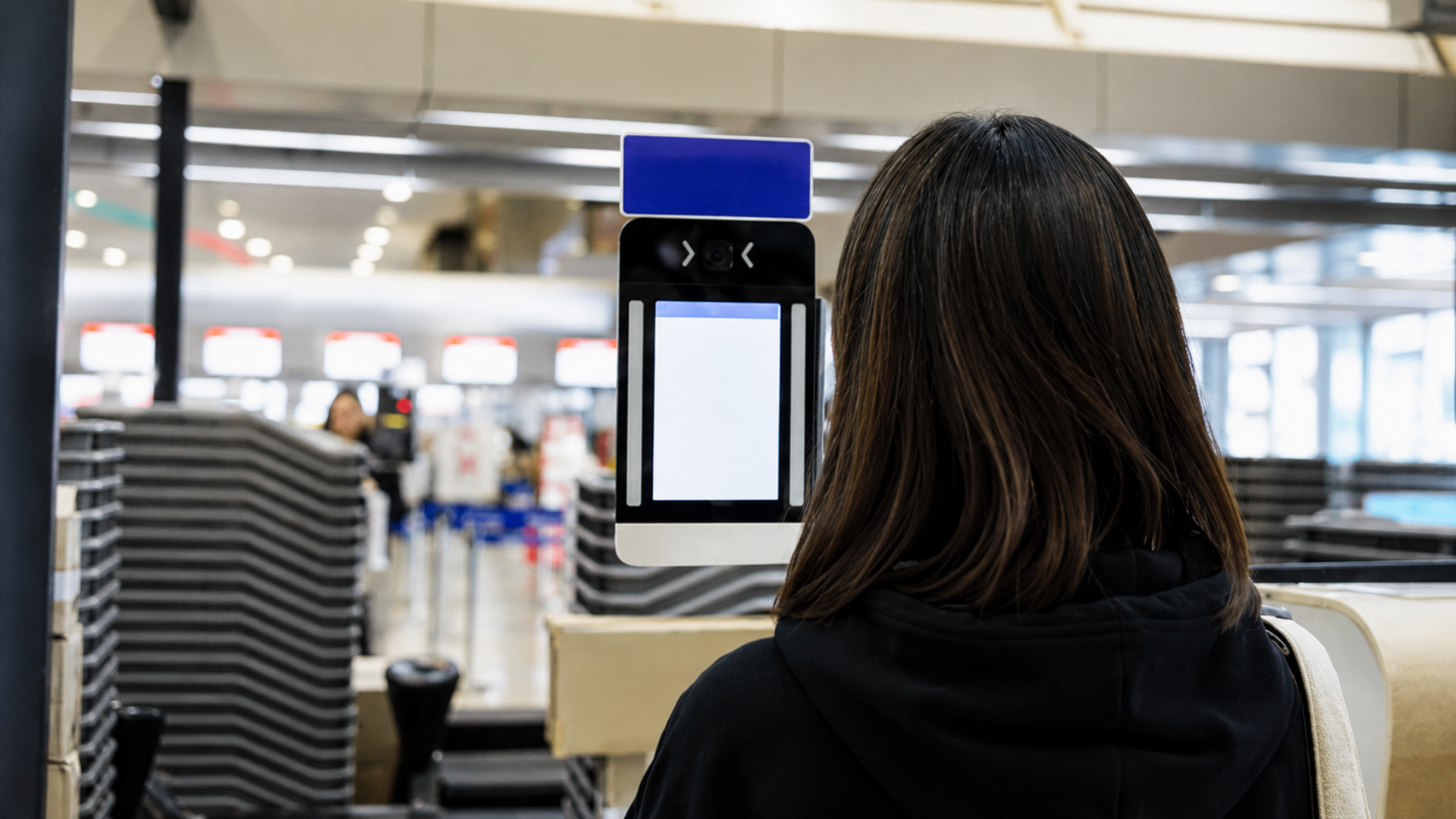
Everyday citizens retain important choices regarding their biometric data at security checkpoints. Passengers are never mandated to participate in automated facial scanning. “A passenger can verbally inform the TSA officer that they wish to opt out of facial scanning before presenting identification. The officer then conducts a traditional document and identity verification process without using facial recognition technology.” This policy was stated by agency administrators during the nationwide checkpoint rollout.
Future Transit Systems Rely Entirely On Automated Touchless Tracking
The current procedural friction over baggage dimensions and biometric cameras represents merely the opening chapter of a total transformation in global transit. Emerging trials like offsite screening programs signal that traditional airport lines will eventually disappear completely. Long after these initial technical upgrades become routine, travelers will find themselves navigating frictionless corridors where identity verification and luggage compliance are evaluated continuously from the moment someone enters the terminal.