Trump’s Proposed Arch Could Block Familiar Views of Washington’s Most Famous Landmarks
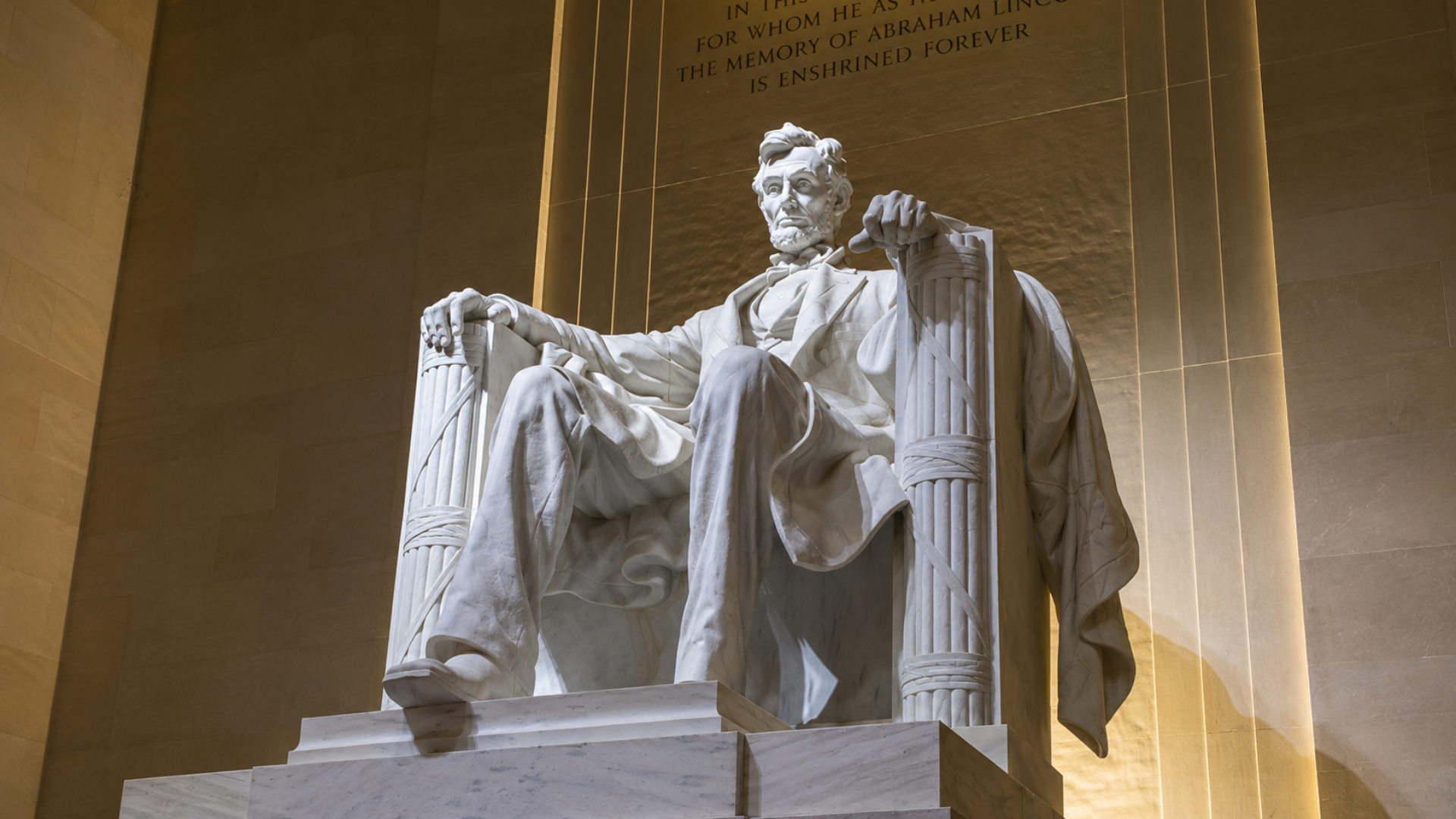

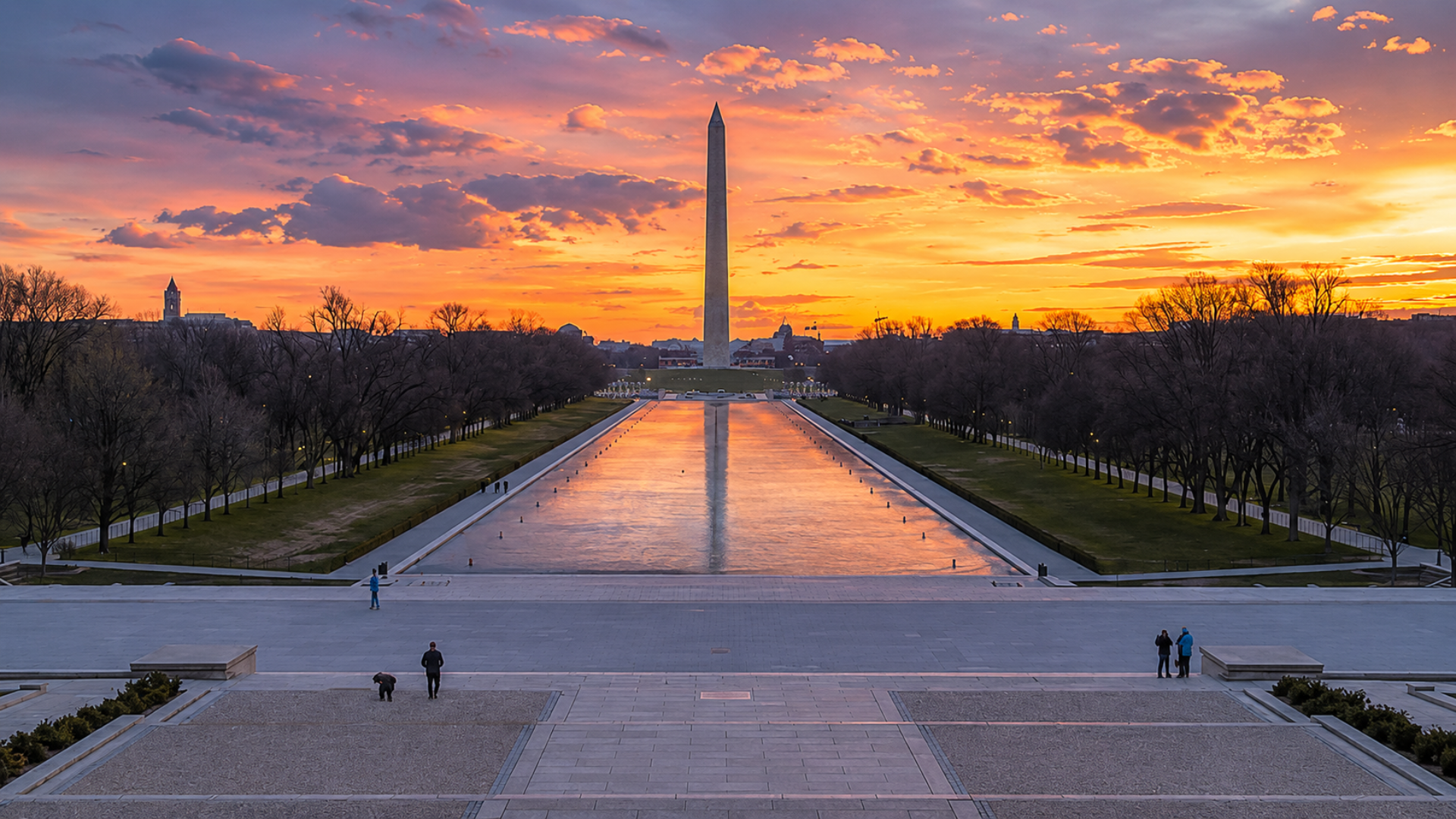
A federal agency just delivered a setback to one of Donald Trump’s signature legacy projects. The National Park Service has determined that his proposed 250-foot “Triumphal Arch” would cause “adverse” effects on nearly 40 historic sites across Washington, D.C., including the Lincoln Memorial, the Washington Monument and Arlington National Cemetery. The finding threatens to complicate a project already racing toward final approval.
Arlington Memorial Bridge Sits at the Center of the Dispute
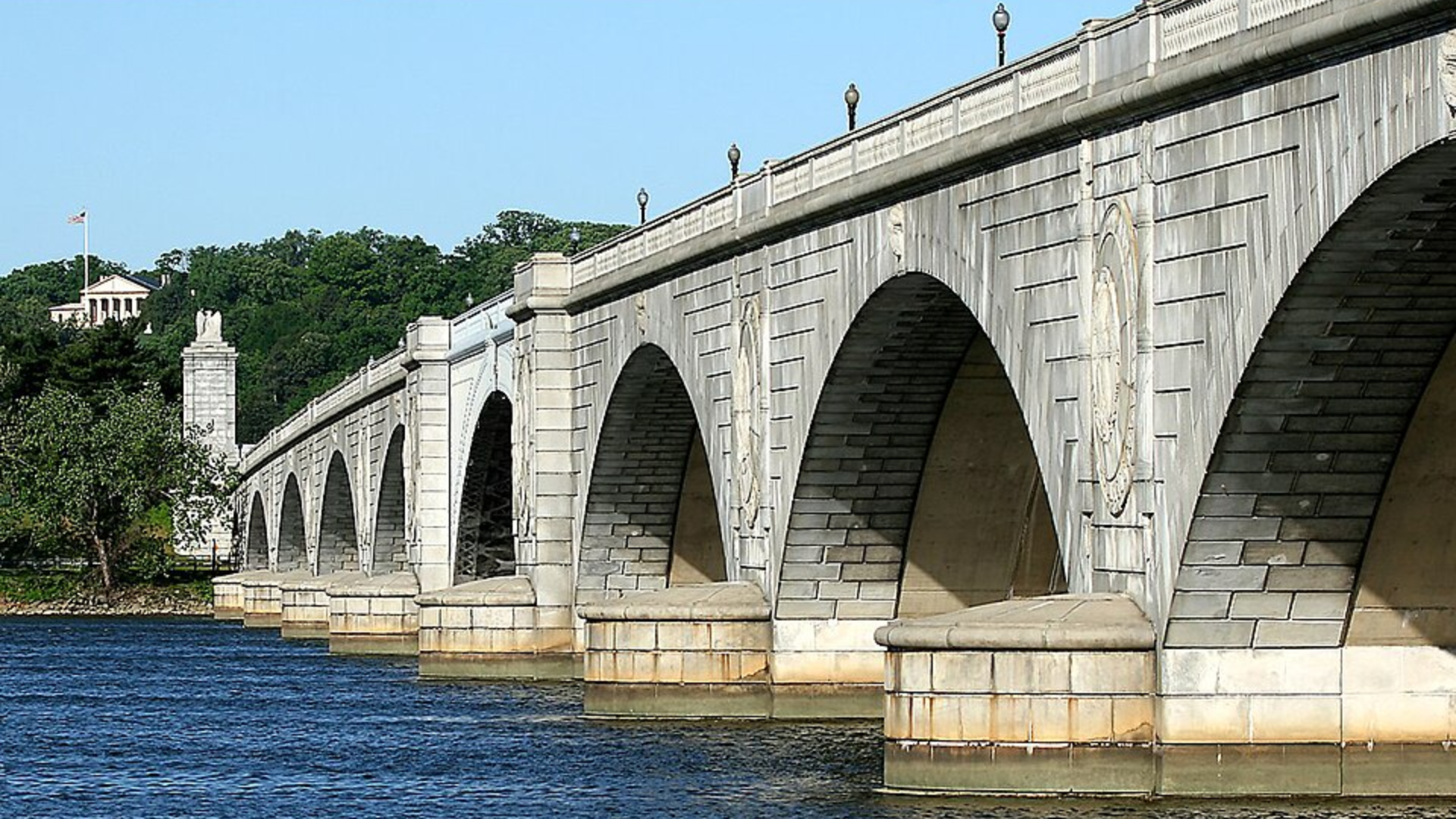
The arch is planned for Memorial Circle, along the Arlington Memorial Bridge, a span built decades ago to symbolize the reunification of North and South after the Civil War, according to Denver7. Standing nearly double the height limit of most D.C. buildings, the structure would rise directly between Arlington House, once home to Confederate general Robert E. Lee, and the Lincoln Memorial.
Federal Law Forces a Hard Look at “Adverse Effects”
The finding came through a Section 106 review, a process required under the National Historic Preservation Act of 1966. The law directs federal agencies to examine whether a new project will alter the physical, visual or symbolic qualities of a historic property. An adverse effect can be as simple as blocking a sightline that connects two culturally significant sites to one another.
Nearly 40 Sites Named, From the Capitol to the Cemetery
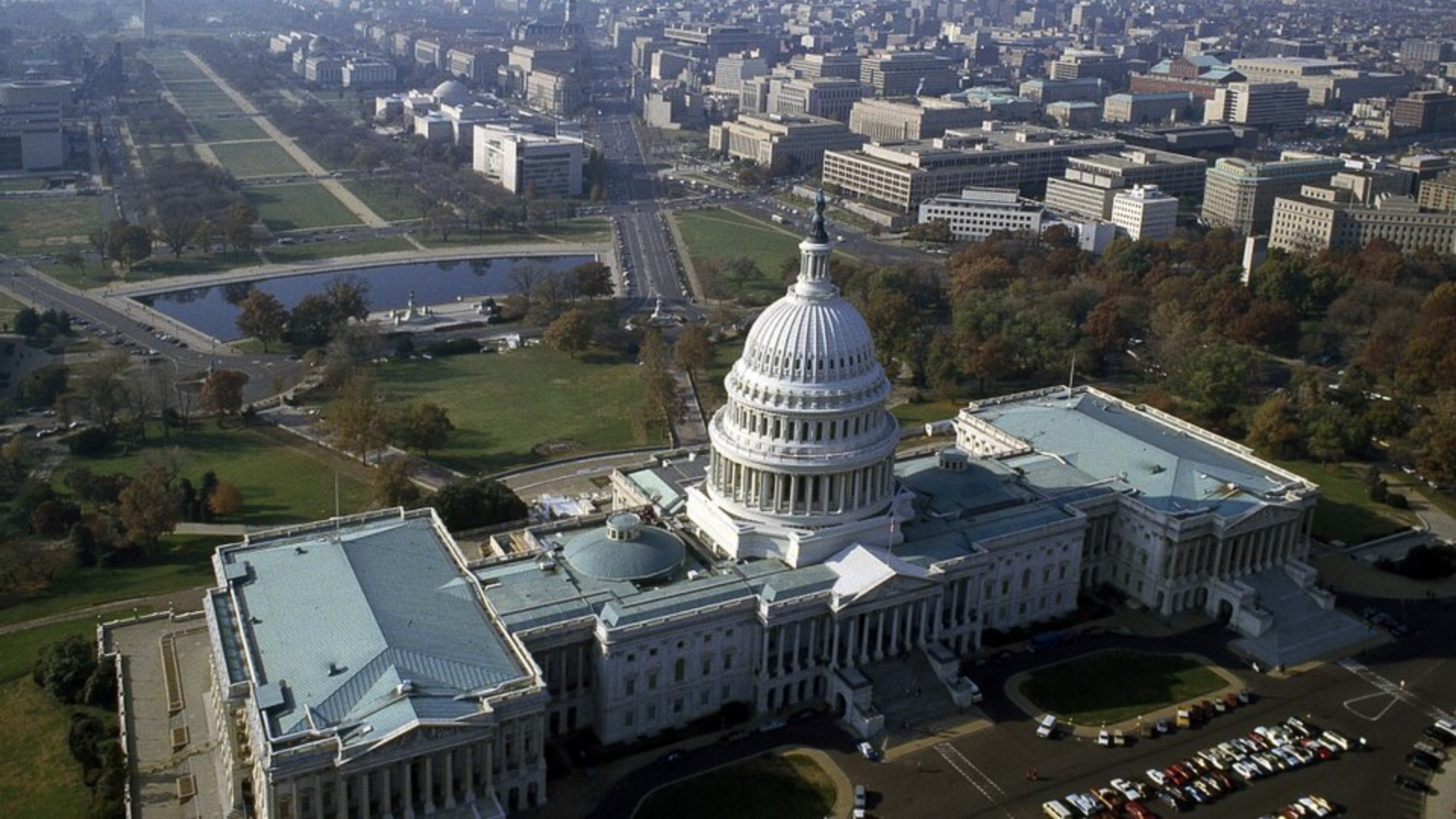
According to The Hill, the Park Service’s list includes the Robert E. Lee Memorial, the Lyndon B. Johnson Memorial Grove, the Washington Monument, the Pentagon, the George Mason Memorial, the Thomas Jefferson Memorial and the U.S. Capitol. The National Mall Site and National Mall Historic District also made the list, with officials citing obstructed or altered views between several landmarks.
Arlington’s Preservation Officer Calls the Design “Inappropriate”
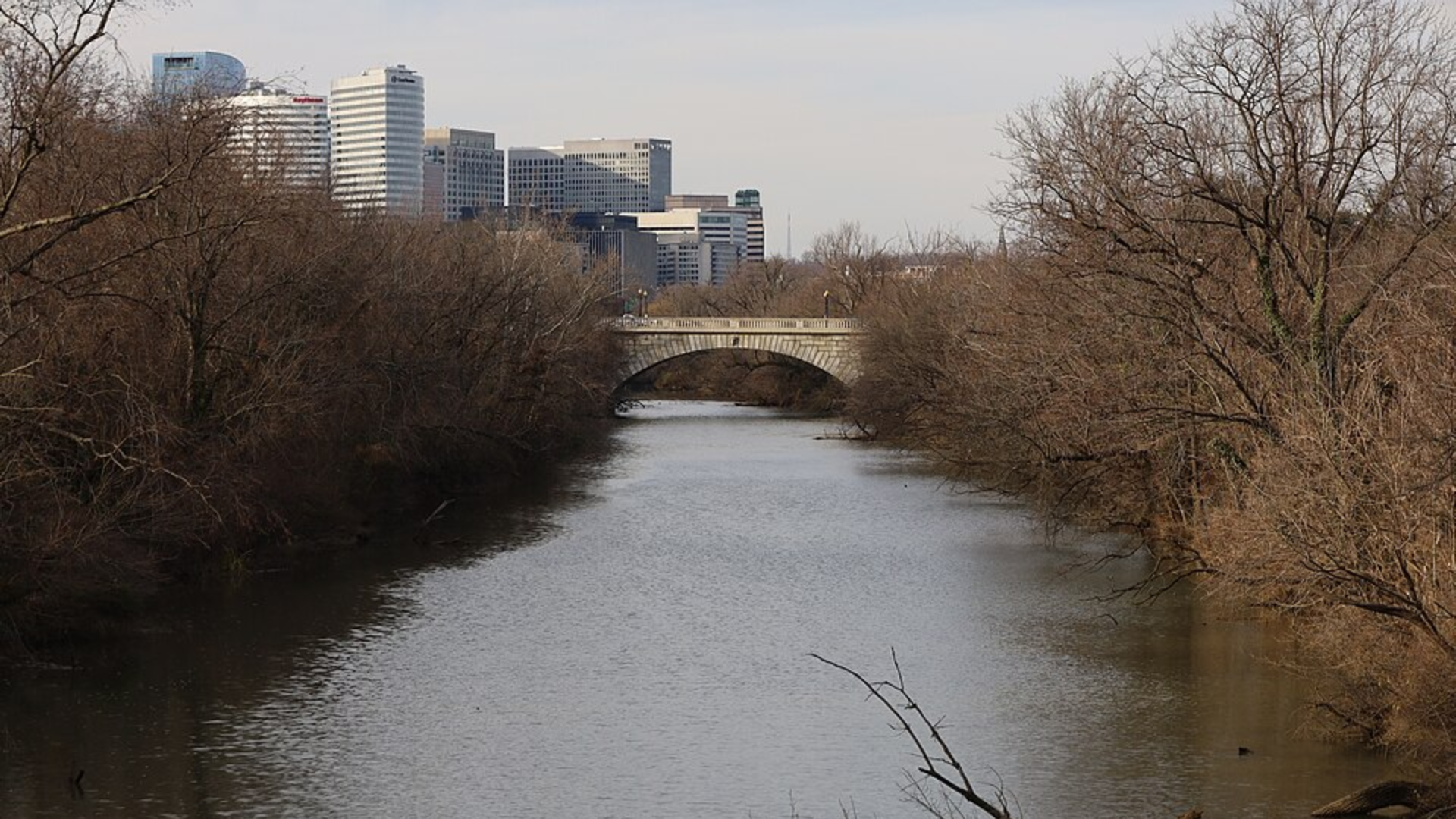
Local officials have not held back their criticism. Mical Durak, Arlington County’s historic preservation principal planner, wrote to the Park Service that the arch’s scale is “inappropriate in the context of its historic setting” and would damage the visual connection running along Memorial Avenue between the Lincoln Memorial and Arlington House. Her letter became part of the official review record.
Virginia’s Preservation Chief Says the Damage Is Intentional
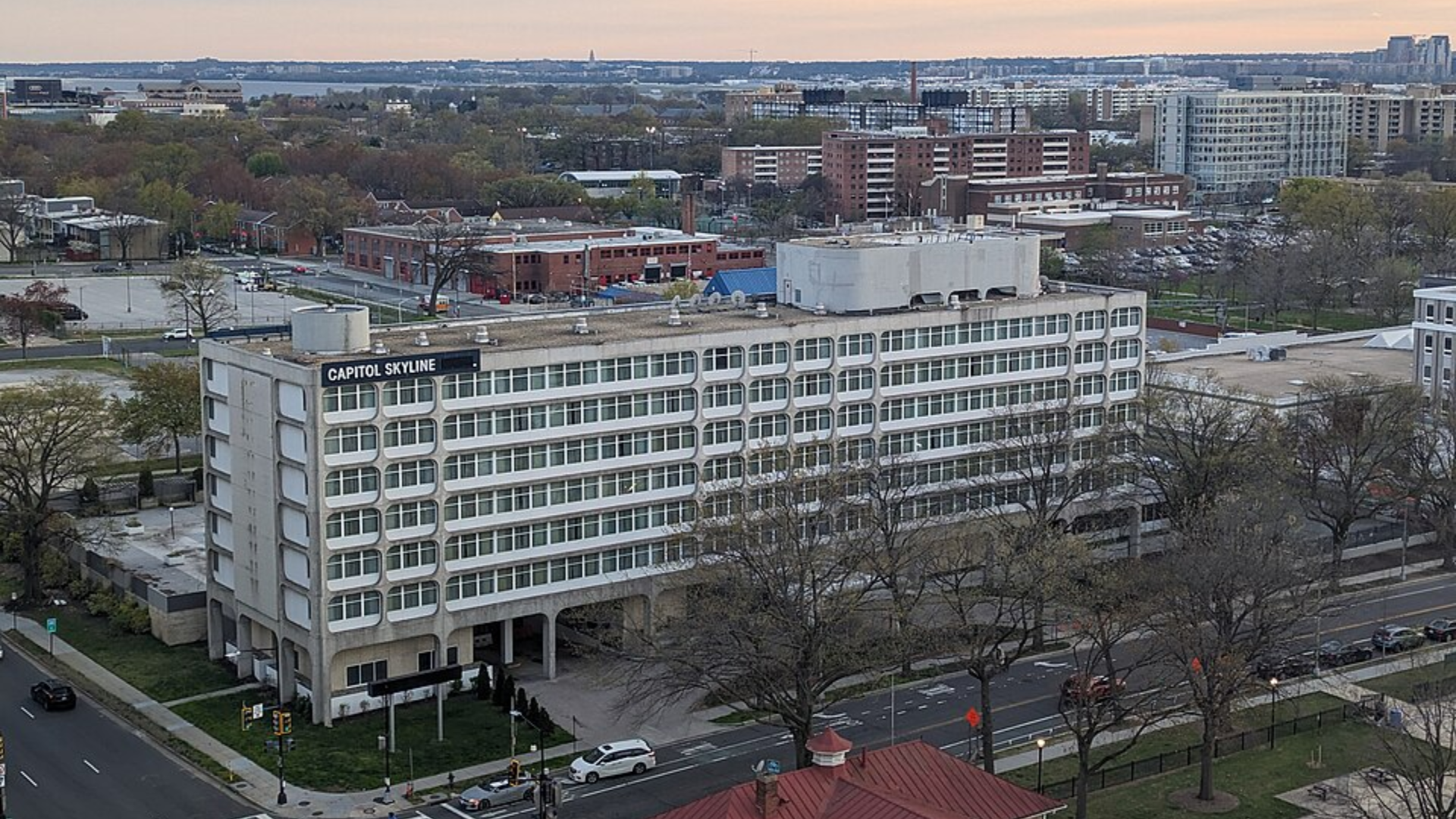
Roger W. Kirchen, Virginia’s state historic preservation officer, went further in a June letter obtained during the review process. He argued the arch’s disruptive effect on the landscape is deliberate, saying the design is meant to dominate everything around it. His assessment suggests the monument’s scale was a calculated choice rather than an unintended side effect of its size.
The Interior Department Defends the Arch as a Point of Pride
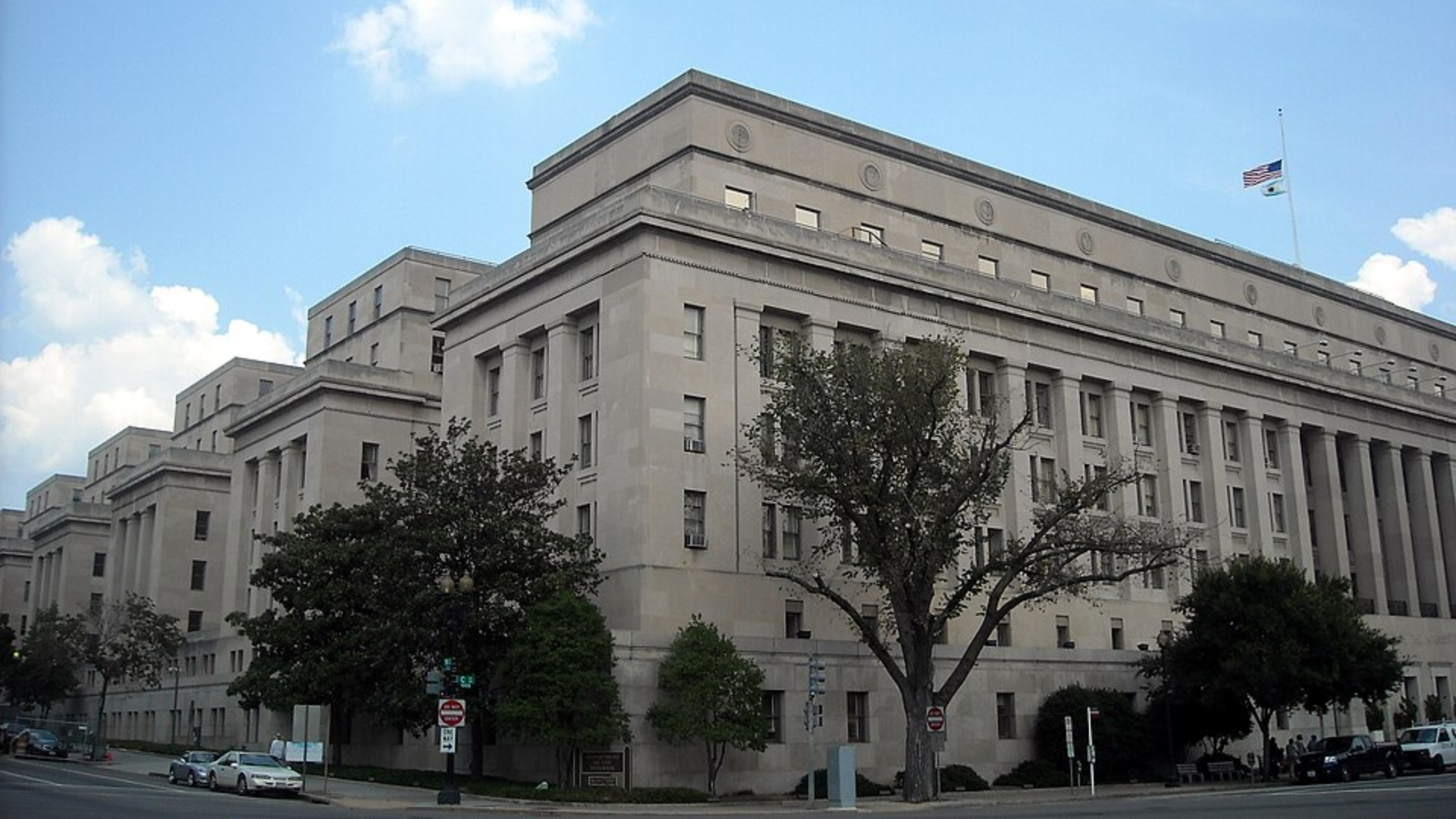
Administration officials reject the criticism entirely. Per Spectrum News, an Interior Department spokesperson said the arch “will be a project that all Americans can be proud of.” White House spokesman Davis Ingle added that the structure will honor veterans and the families of the fallen buried at Arlington, describing it as a tribute to their sacrifice.
Veterans Sued to Stop Construction Months Before the Review

Opposition to the arch predates this latest finding. In February, a group of Vietnam War veterans filed a lawsuit seeking to halt construction, which could take more than a year to complete. One plaintiff said the massive structure would overshadow the duty, honor and sacrifice represented by those buried at Arlington, calling it a symbol of domination that ignores the cemetery’s true purpose.
Trump-Appointed Panels Already Cleared the Design Twice
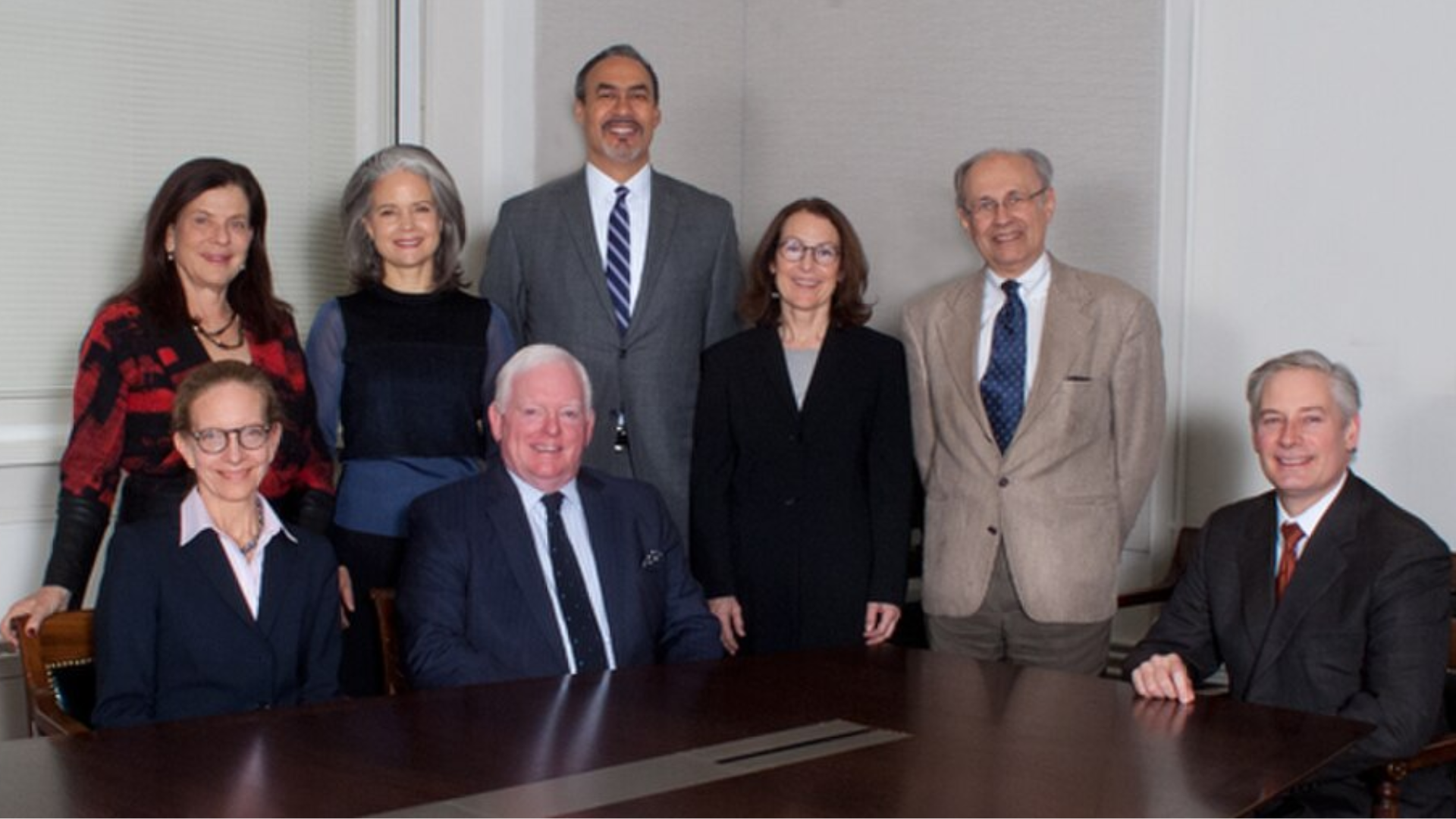
Despite mounting objections, the project keeps advancing. In May, the U.S. Commission of Fine Arts, led by Trump appointees, approved the arch’s design over strong public opposition, notes the Washington Examiner. Weeks later, the National Capital Planning Commission, headed by a Trump ally and former administration official, granted preliminary approval, setting up a final vote as soon as early September.
The Arch’s Fate Now Rests on a Vote, Not a Redesign
Federal law requires agencies to try reducing adverse effects on historic sites, but the administration has shown no sign of shrinking the arch or relocating it. With approvals already secured from two Trump-aligned commissions, the Park Service’s findings carry symbolic weight more than legal force. The final decision now rests with the National Capital Planning Commission, whose vote could settle the arch’s future within weeks.