Trump’s ‘Gold Card’ Visa Plan Was Touted as a $1 Trillion Boost, but Early Results Raise Questions



It was pitched as a trillion-dollar idea that could help chip away at America’s massive debt, but months after launch, Trump’s “gold card” visa program has produced a strikingly modest result. Despite early projections that wealthy foreigners would line up to pay for fast-track U.S. residency, only one person has been approved so far, according to Commerce Secretary Howard Lutnick, raising immediate questions about whether the ambitious plan can deliver anything close to what was promised.
What The Gold Card Was Supposed To Do

The concept behind the program was simple but bold: offer U.S. residency, similar to a green card, in exchange for a large financial contribution. Applicants would pay a $15,000 processing fee and ultimately contribute at least $1 million to gain access to live and work in the United States, with a pathway to citizenship. Officials framed it as a way to attract wealthy global talent while generating massive revenue for the federal government, with Trump previously suggesting the program could bring in up to $1 trillion.
Early Claims Vs. Reality
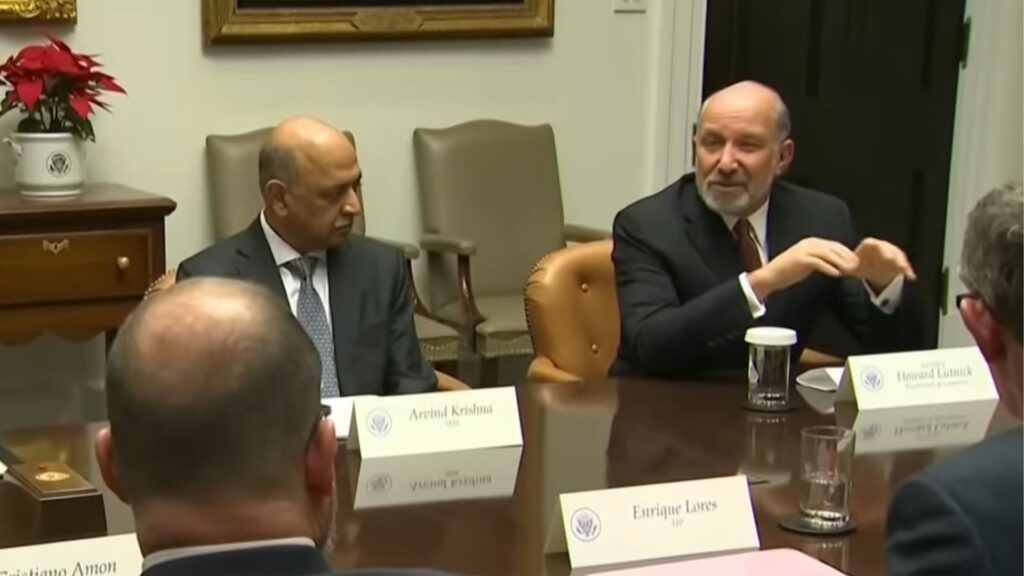
Initial messaging around the program painted a much different picture than what has unfolded. At one point, Lutnick suggested that thousands of applicants had already expressed interest and that billions of dollars could be raised quickly. But recent testimony told a more restrained story, confirming that just one individual has successfully made it through the process so far, even as hundreds remain in the pipeline awaiting approval.
A High Price With Limited Buyers

The program’s steep cost may be one of its biggest hurdles. For the plan to reach its most optimistic projections, an enormous number of wealthy individuals would need to participate. One estimate noted that reaching the trillion-dollar target would require roughly one million buyers, a level of demand that appears difficult to sustain given the relatively small global pool of ultra-wealthy individuals.
Questions About Who Would Apply

Even beyond the price tag, analysts have raised questions about who the program is actually designed for. Data suggests that many of the world’s wealthiest individuals already live in the United States, limiting the pool of potential applicants abroad. The structure of the program, including possible tax advantages and the ability for third parties to fund applicants, has also sparked debate about fairness and national security concerns.
Competing Programs And Policy Challenges
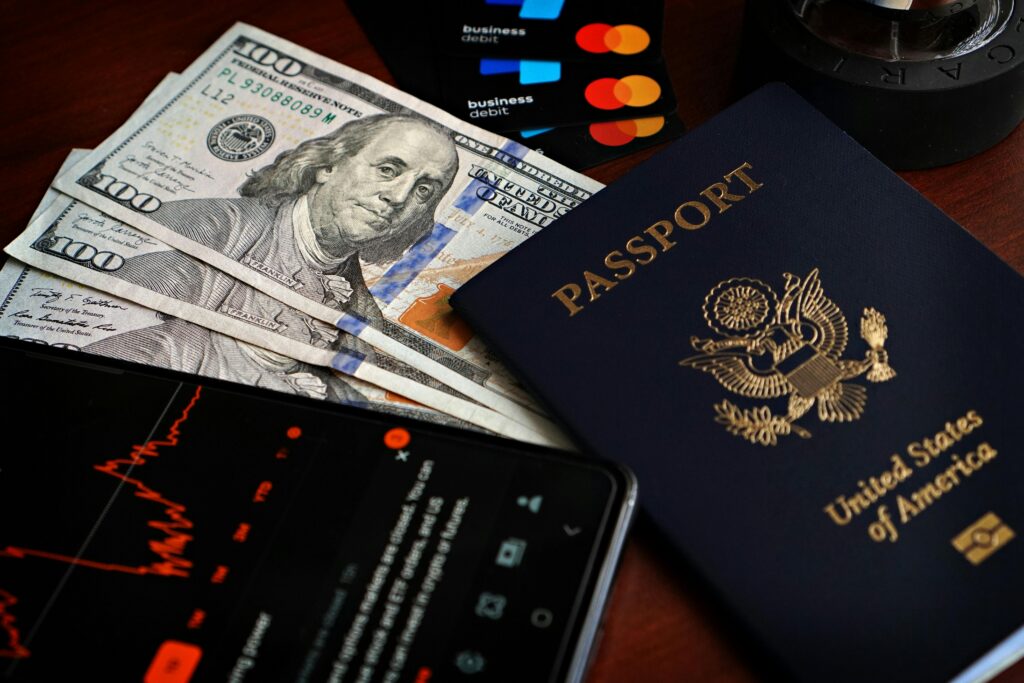
The gold card proposal also overlaps with existing immigration pathways, particularly the long-standing EB-5 investor visa program, which already offers residency in exchange for investment tied to job creation. Unlike EB-5, the gold card focuses more directly on large payments rather than economic development, which could complicate how it fits within current law and policy. Experts note that implementing such a program at scale would likely require congressional approval and major legal adjustments.
Broader Economic Questions
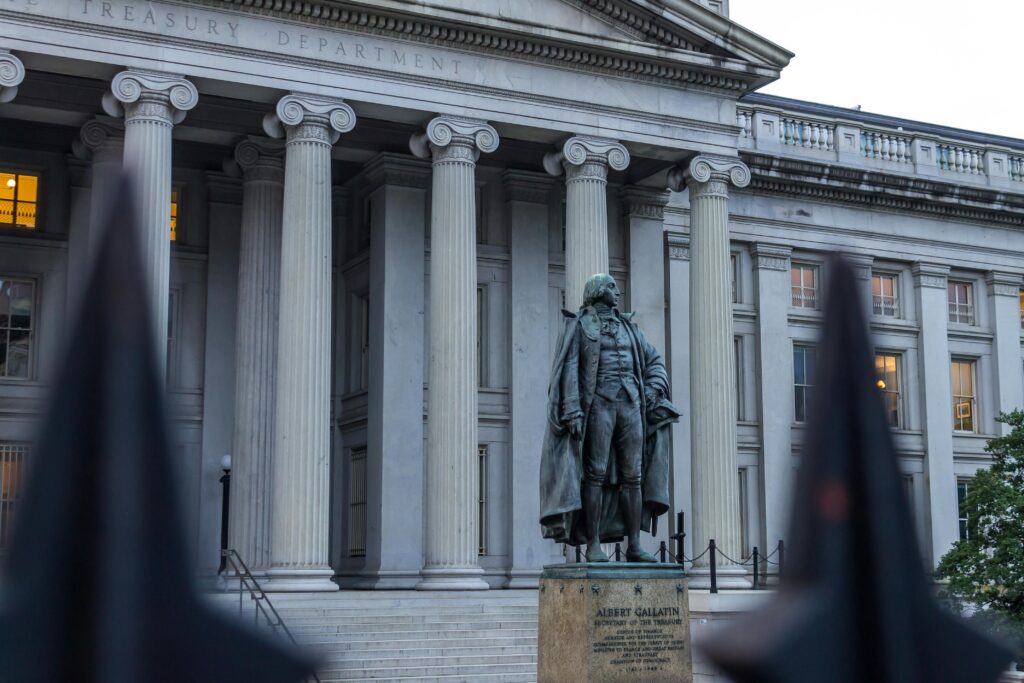
The program is part of a wider effort to find new revenue streams as the U.S. faces mounting national debt, which has climbed into the tens of trillions. While officials argue that attracting wealthy immigrants could help fill government coffers, critics point out that even optimistic participation rates may fall far short of the revenue needed to impact the deficit significantly.
A Plan Still Taking Shape

For now, administration officials have emphasized that the program is still in its early stages, describing the rollout as deliberate and carefully vetted. Lutnick has said the government wanted to “make sure they did it perfectly,” suggesting that approvals could increase over time as the process becomes more established.
The Gap Between Vision And Reality

The gold card visa was designed as a bold, headline-grabbing solution to a complex fiscal problem, but its early performance highlights the challenge of turning big ideas into measurable results. With only one approval so far and major questions still unresolved, the program’s future will depend on whether it can move beyond its slow start and prove that demand exists for one of the most expensive immigration pathways ever proposed.