Trump Team Tosses China-Provided Gifts and Burner Phones Before Air Force One Departure
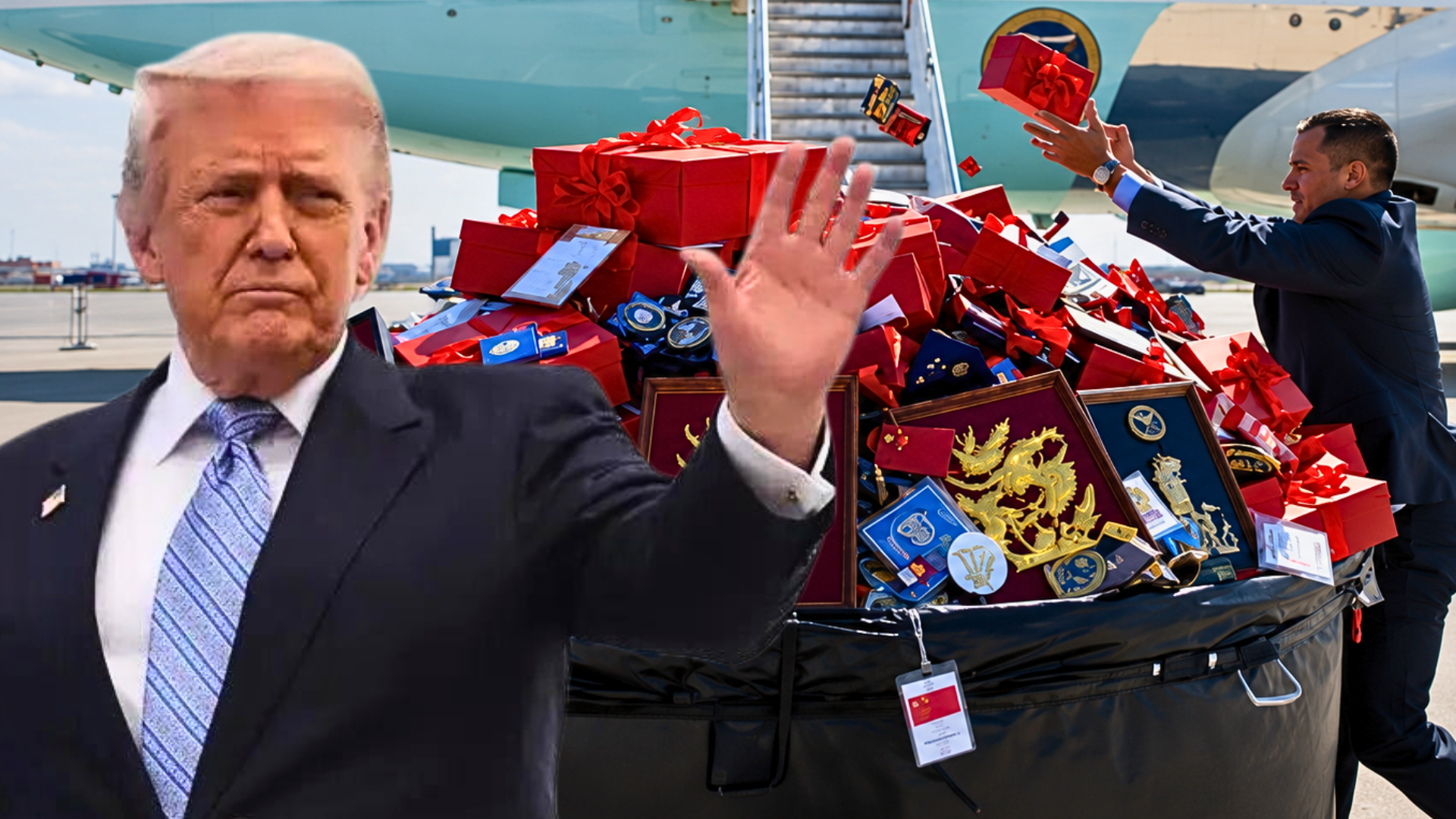

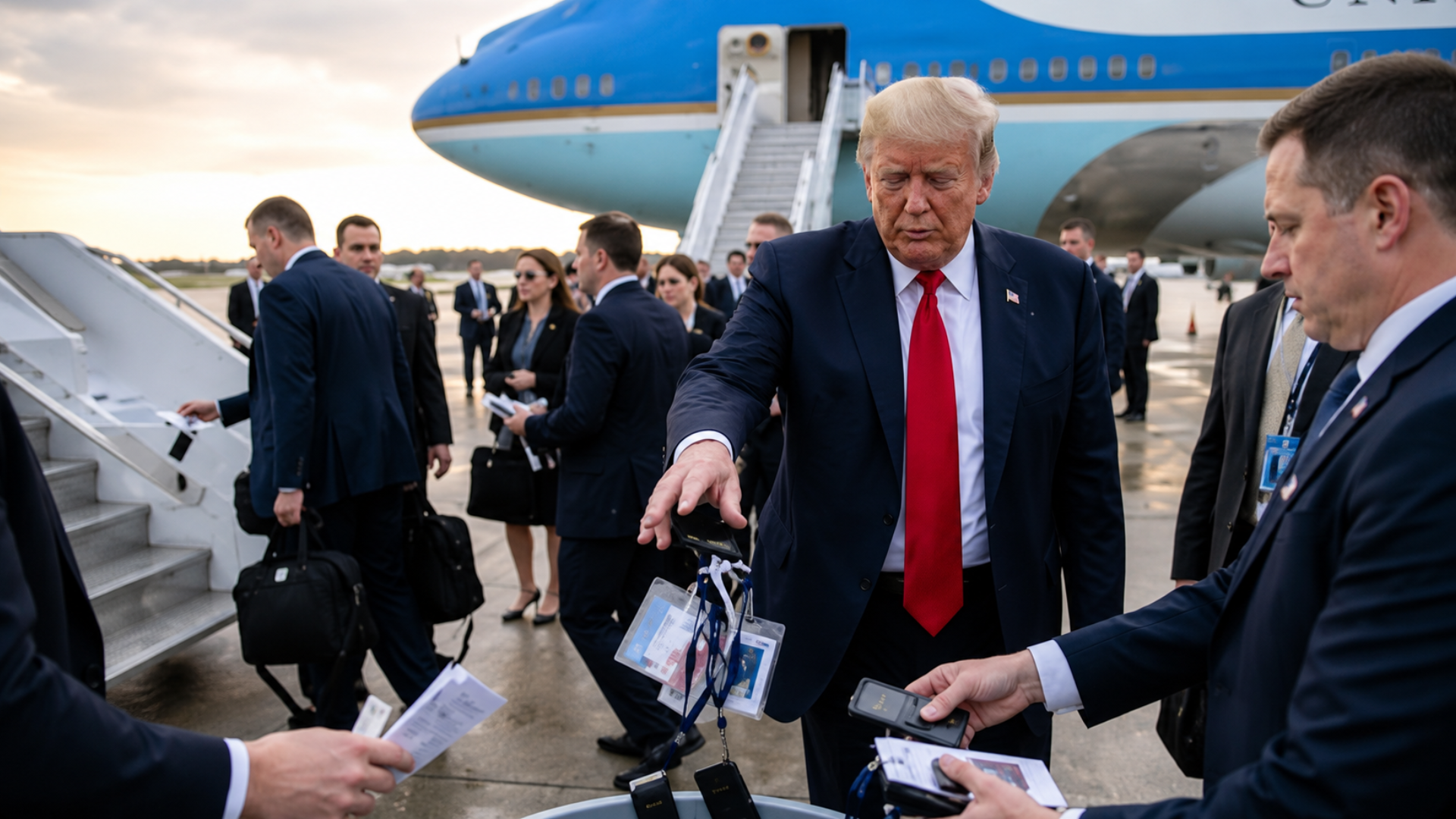
President Donald Trump’s two-day summit with Chinese President Xi Jinping in Beijing wrapped up on Friday, May 15, 2026, with a moment at Beijing Capital International Airport that drew more attention than almost anything said inside the Great Hall of the People. As the U.S. delegation crossed the tarmac toward Air Force One, American staff collected every item Chinese officials had distributed during the trip, credentials, lapel pins, commemorative gifts, and burner phones, and deposited them into a bin at the foot of the aircraft stairs. Nothing from China was allowed on the plane.
New York Post White House correspondent Emily Goodin, who traveled with the presidential press pool, confirmed the account on X, writing: “Nothing from China allowed on the plane.” She reported that White House staffers and reporters had to surrender Chinese-issued burner phones, credential badges, and lapel pins before boarding. The directive was described as absolute, with no item of Chinese origin permitted to board the aircraft. The precautions extended beyond the departure itself. Delegation members had left all personal electronic devices at home before traveling to China and operated exclusively on clean burner phones throughout the duration of the trip. The move reflected standard U.S. counterintelligence protocol when traveling in China, applied in full view of cameras on a public tarmac.
The items discarded included credentials and badges, pins, commemorative souvenirs and gifts, and Chinese-issued burner phones provided to staff and press. Photos from the trip showed several members of the U.S. government delegation, including Trump, White House communications director Steven Cheung, Apple CEO Tim Cook, and Nvidia’s Jensen Huang, sporting the Chinese-issued lapel pins on their coat lapels during the summit itself. By the time the delegation reached the stairs to Air Force One, every one of those pins was gone. The clip of staff depositing items into the tarmac bin circulated widely online within hours of the departure.
Why the U.S. Always Treats China as a Surveillance Threat, and Has for Decades
The protocol applied at Beijing Capital Airport on May 15 is not new. U.S. counterintelligence agencies have treated China as one of the most aggressive state-level cyber and surveillance threats in the world for years, and operating procedures for American officials traveling to China reflect that assessment. The standard guidance from the FBI and the Cybersecurity and Infrastructure Security Agency is that any device brought into China should be considered potentially compromised, and that items provided by Chinese officials during state visits should be handled with extreme caution regardless of their apparent purpose.
American staff were specifically told not to use their personal electronic devices in China but were instead provided with disposable burner phones for essential communication, preventing their personal devices and network infrastructure from being exposed to potential state surveillance. That level of operational security is consistent with how American officials have traveled to China under multiple administrations. The visibility of the May 15 disposal was unusual. Having staff deposit items into a bin on the tarmac, in full view of cameras and both delegations, was a public act that sent a message regardless of whether it was intended to do so.
The summit itself ended without any substantive agreements announced on key issues. The only major deal that was announced was China agreeing to purchase 200 Boeing jets, a number significantly lower than the 500 Trump had suggested before the trip. Boeing shares fell 4% on Wall Street following that disclosure. Trump told reporters the meetings went “great” when asked how they went. When reporters specifically pressed him on Taiwan, where Xi had described the situation as the most important issue in the bilateral relationship, Trump said he would like things to “stay the way it is.” The meetings ended with China’s foreign ministry describing the summit as “historical” and confirming Xi would visit the United States in the fall.
What Actually Happened at the Summit, and What Was Left Unresolved
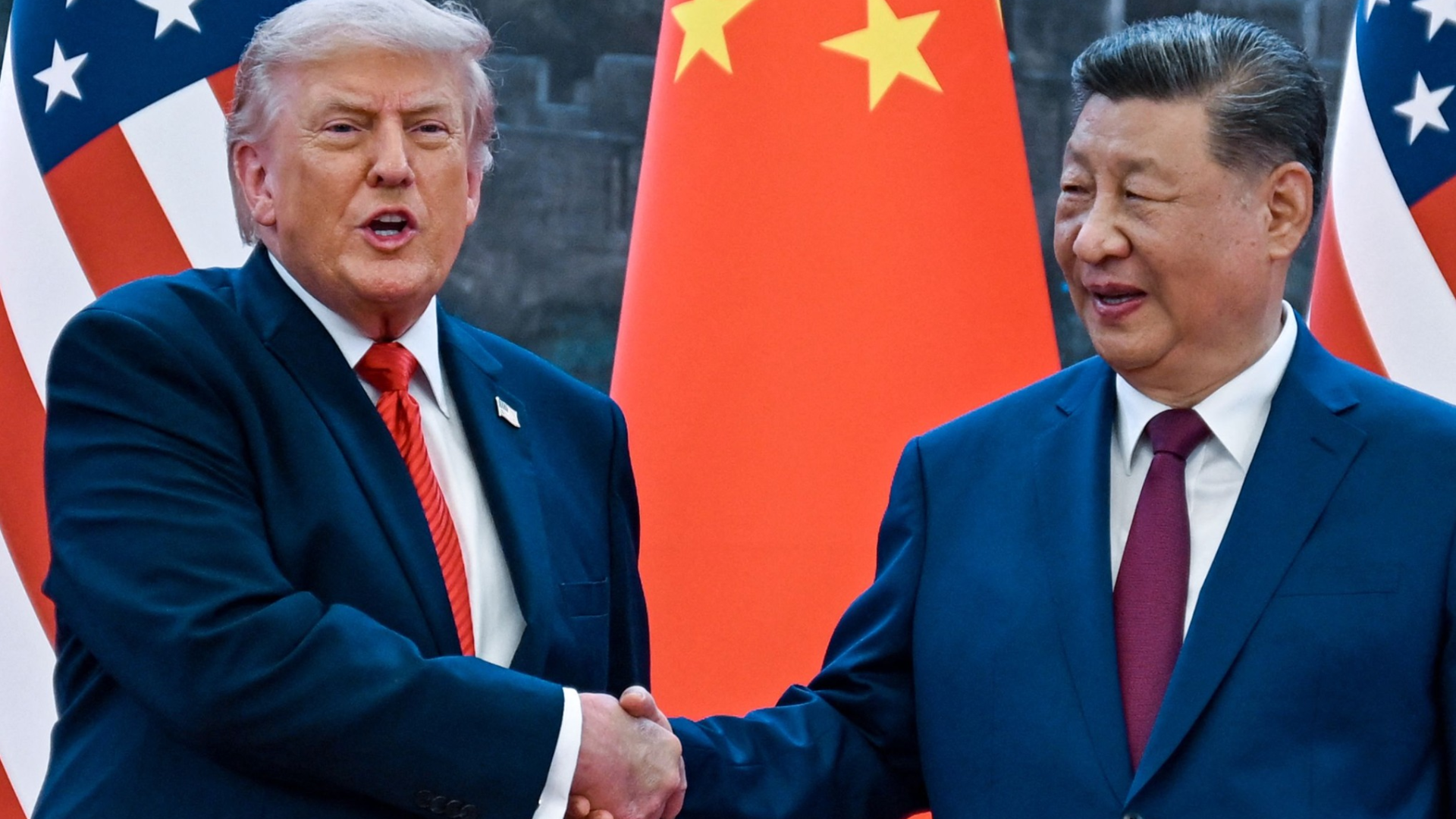
Trump and Xi met for two days at the Great Hall of the People and agreed to forge more cooperative ties, but the meetings ended without substantive agreements on key issues. Trump said “a lot of different problems” were settled without specifying what they were. China’s foreign ministry described the outcome as historical and confirmed Xi’s planned visit to Washington later in 2026. Outside the official readouts, analysts and investors were less enthusiastic. Euronews quoted a European Parliament member connected to Chinese diplomats who said: “You don’t get the sense that much has been accomplished.”
The summit between Trump and Xi took place against the backdrop of a significantly more complex and challenging bilateral relationship than in previous years. China has shown confidence in standing up to the United States on multiple fronts, including sanctions, technology controls, critical minerals, and Iran. Taiwan remained the sharpest point of tension. Xi reserved his strongest language for Taiwan, calling it the most important issue in the bilateral relationship. Trump’s response, that he would like the situation to stay as it is, was deliberately ambiguous, and analysts noted it did not amount to a clear commitment on the question of American arms sales to the island, which Beijing has objected to since a record deal was announced in late 2025.
Taiwan was watching closely for any shift in how the United States described the cross-strait relationship, particularly worried that Beijing would successfully persuade Trump to express support for peaceful unification or to say the United States opposes rather than simply does not support Taiwan independence. The official readouts from both sides did not include language on that question that satisfied either Taiwan’s supporters or Beijing. Iran also featured prominently in the talks, with Trump saying the two leaders agreed that Tehran should not be allowed to obtain a nuclear weapon. A separate diplomatic track, hosted by the State Department, secured a 45-day extension to the Israel-Lebanon ceasefire on the same day Trump flew back to Washington.
The Tarmac Moment, the Security Footage, and What It Tells Americans About U.S.-China Relations
The bin on the tarmac at Beijing Capital Airport captured something that the official summit communiques did not. Behind the state banquets and carefully framed photo opportunities inside the Great Hall of the People, the two delegations operated with a level of mutual distrust that never dissipated. American staff treated every object handed to them by Chinese officials as a potential security risk. That posture is consistent with the U.S. intelligence community’s assessment of China as a persistent and sophisticated state-level surveillance threat, an assessment that has been consistent across Democratic and Republican administrations alike.
The tarmac disposal reflected long-standing U.S. counterintelligence protocols for travel in China. Those protocols require that all items provided by Chinese officials, regardless of their apparent purpose, be disposed of before personnel board a U.S. government aircraft. The fact that the disposal happened in public, in front of cameras, is a function of airport logistics rather than intentional signaling. Staff did not have a private space to conduct the disposal before reaching the aircraft, so it happened on the tarmac. The result was a clip that traveled globally within hours and told its own story about the state of trust between the world’s two largest economies.
Trump returned to Washington on Friday, May 15, 2026, with Xi’s agreement to purchase 200 Boeing jets, a commitment on Iran, and a confirmed plan for Xi to visit the United States in the fall. What he did not return with was a resolution on Taiwan, a breakthrough on technology controls, or a formal framework for managing the strategic competition that defines the relationship. From a U.S. perspective, the immediate outcome of the summit was a modest stabilization of relations and a broad effort to prevent the superpower rivalry from spiraling further out of control, rather than the grand breakthrough that had been anticipated. The bin on the tarmac was already trending before Air Force One reached cruising altitude.