Think Tank Projects Trump’s $1.7T Tariff Revenue Loss Could Push National Debt to $58T by 2036

The American fiscal landscape has shifted under a seismic legal blow. A landmark Supreme Court ruling against President Trump’s tariffs has accidentally erased an estimated $1.7 trillion in projected federal revenue through 2036. According to a new analysis by the Committee for a Responsible Federal Budget (CRFB), this sudden vacancy in the Treasury’s ledger has set the United States on a collision course with a national debt of $58 trillion within the next decade. Without the steady flow of IEEPA tariff receipts, the national debt is now projected to climb to a staggering 125% of the GDP. This isn’t just a budget adjustment; it is a fundamental rupture in the country’s economic trajectory that has experts and politicians locked in a high-stakes war of words.
How a Legal Ruling Erased a “Bright Spot” in a Gloomy Outlook

The nonpartisan CRFB, acting as a fiscal watchdog, found that the court’s decision to strike down tariffs imposed under the International Emergency Economic Powers Act (IEEPA) fundamentally altered the nation’s debt path. Before the ruling, these tariffs, which included rates as high as 20% on Chinese goods and 50% on Brazil, were considered a rare “bright spot” in an otherwise bleak fiscal picture. The Congressional Budget Office had already factored this income into its 2026 baseline. Now, that revenue has effectively vanished, leaving a hole that could push annual deficits to 7.1% of the GDP.
A “Patchwork Fix” in the Wild West

In the immediate wake of the ruling, the Trump administration moved to stanch the bleeding by invoking Section 122 of the Trade Act of 1974. This rarely used statute allows a president to impose emergency import surcharges for up to 150 days. The administration set a 10% emergency tariff, with plans to hike it to 15%, but the CRFB warns this is merely a temporary bandage on a deep wound. At the 10% rate, this “patchwork fix” replaces only 52% of the lost IEEPA revenue. It is a high-speed attempt to stabilize the ship, but the legal ground remains as shaky as a frontier outpost.
The War of Words: MacGuineas vs. Bessent
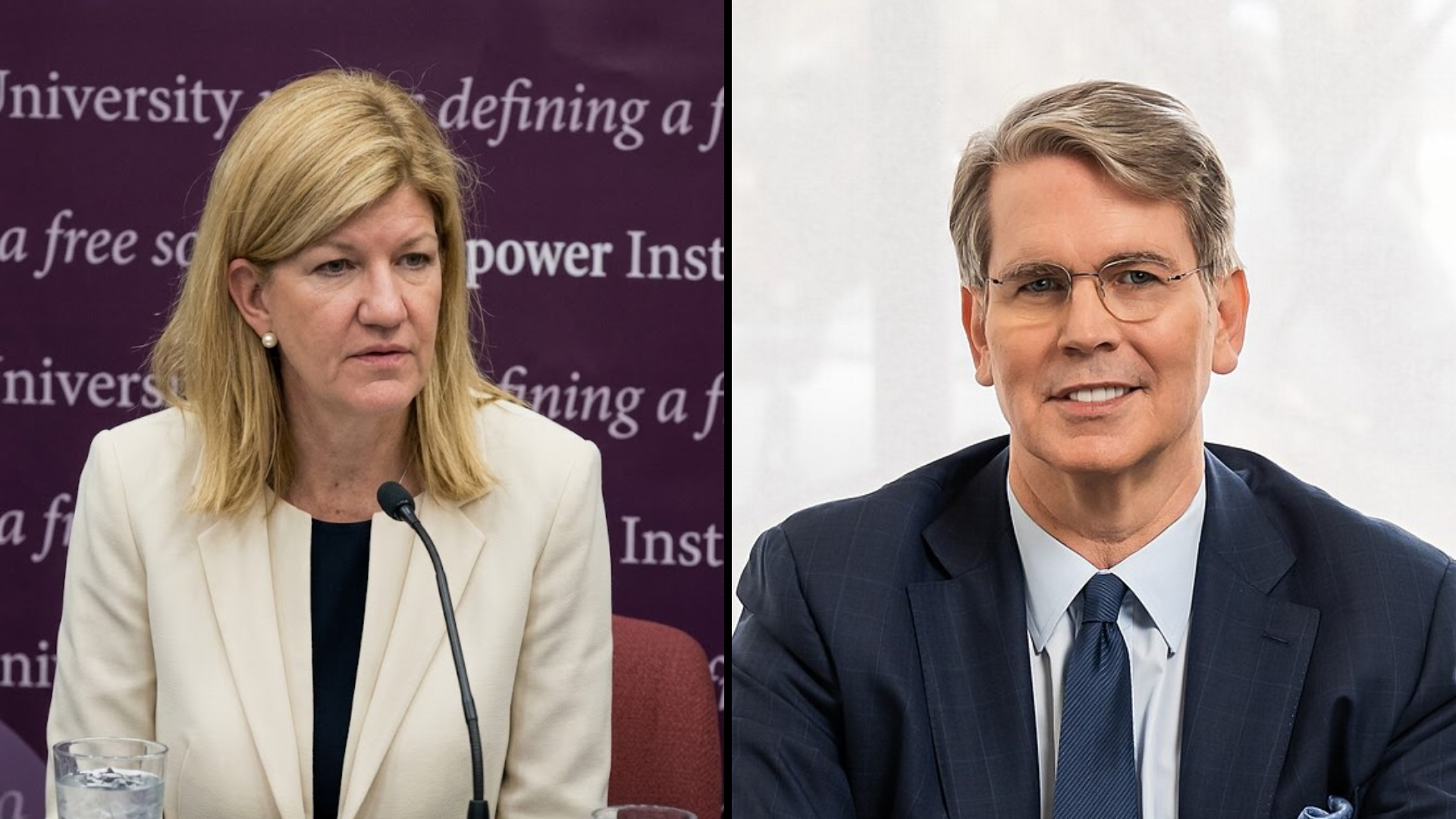
The projections have ignited a firestorm between the CRFB and the White House. Treasury Secretary Scott Bessent took to Fox News to blast CRFB President Maya MacGuineas, declaring she should be “ashamed” and suggesting her numbers are flat-out wrong. Bessent insists federal revenue will hold steady because the administration moved so quickly to replace the struck-down levies. MacGuineas dismissed the attack as “a bit of an odd response,” noting that the group actually supports the goal of using tariffs to fix the debt, they are simply pointing out that the current legal “loopholes” aren’t generating enough cash to fill the $1.7 trillion void.
Court Rules Importers Are Entitled to 2025 Tariff Paybacks

The fiscal hole may be even deeper than initially feared. Earlier this week, the U.S. Court of International Trade ruled that “all importers of record” are entitled to benefit from the Supreme Court ruling, meaning the Trump White House may have to refund billions in tariff revenue collected throughout 2025. If the government is forced to pay back these funds, the net revenue loss remains at the $1.7 trillion mark. This potential “mass refund” creates an immediate cash-flow crisis for a Treasury already struggling to manage a mounting deficit.
Can a Higher Tariff Rate Actually Close the Gap?
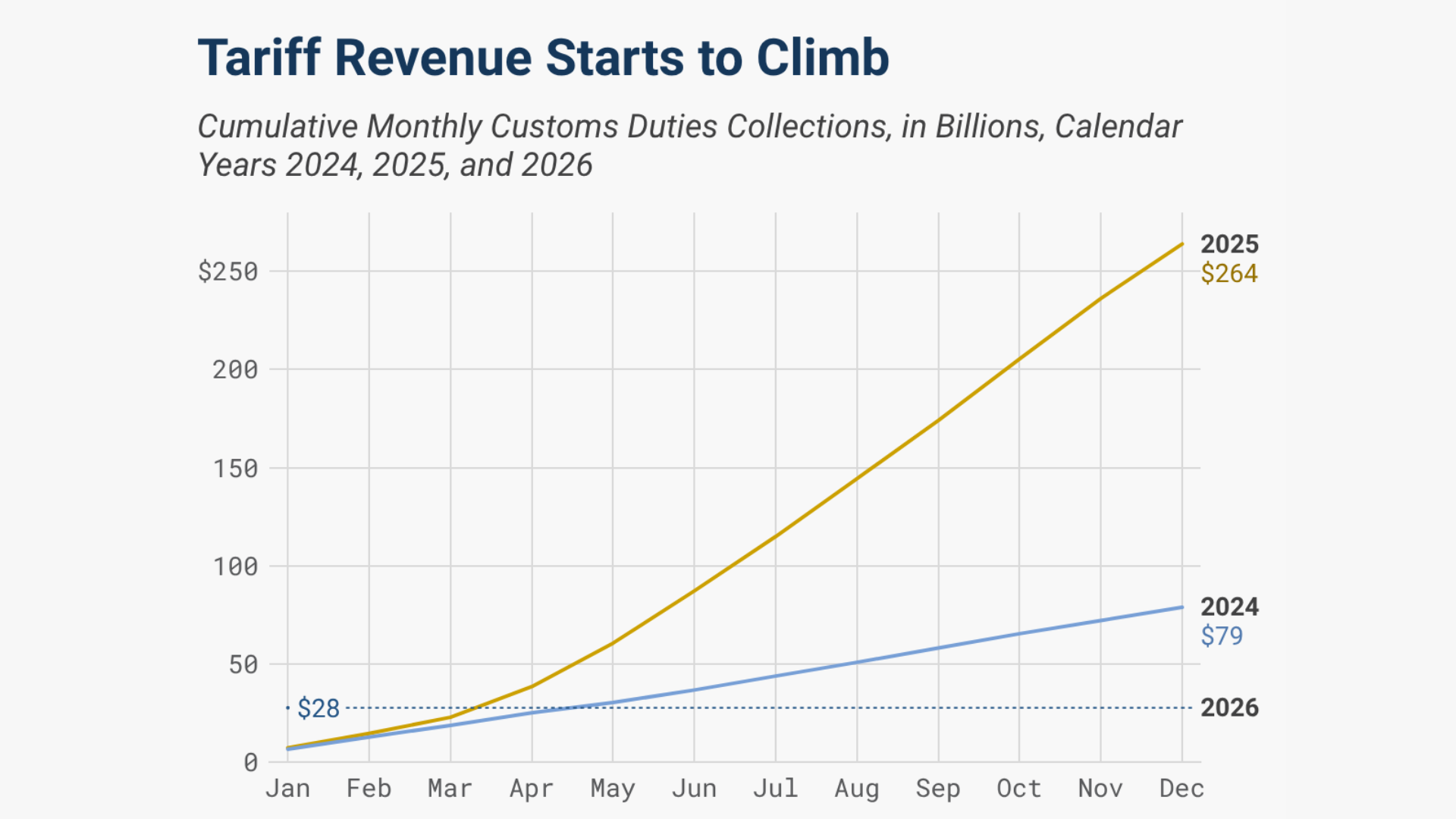
The administration is betting that raising the emergency tariff to 15% will solve the problem. The CRFB analysis shows that a 15% rate would improve the situation, recovering roughly 77% of the near-term loss. However, fully closing the $1.7 trillion hole would still require an additional $400 billion to $800 billion in net new revenue beyond what Section 122 can provide. The math suggests that unless Congress acts to codify these tariffs into law, the “tariff engine” of the economy will continue to sputter, leaving the national debt to grow unchecked.
Dependency on Uncertain Legal Authorities
The CRFB’s report highlights a worrisome pattern: relying on executive actions rather than permanent legislation. Because the IEEPA tariffs were enacted via executive order, they were vulnerable to the legal challenge that eventually brought them down. Relying on Section 122 or Section 301 authorities is similarly risky, as these too can be struck down by future court rulings. The think tank argues that the only way to ensure fiscal stability is for Congress to pass revenue offsets that are “court-proof” and codified into the federal tax code.
The $3.3 Trillion Deficit Reality
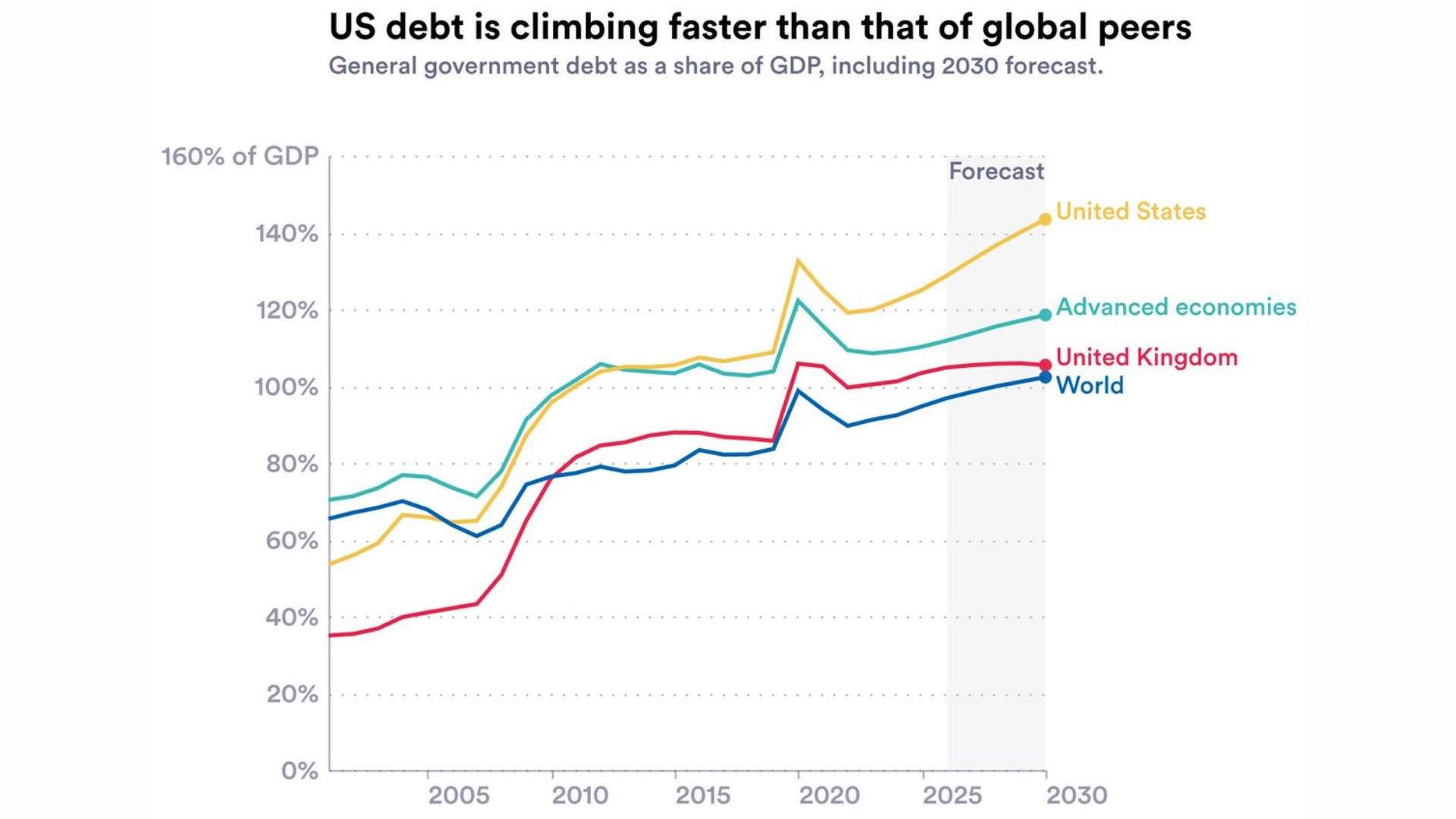
If the current revenue loss isn’t addressed, the deficit is projected to rise to $3.3 trillion per year. This would push the total national debt to 125% of the American GDP by 2036. This “debt-to-GDP” ratio is a critical indicator of a country’s ability to pay back its creditors. At these levels, interest payments on the debt alone could begin to consume the majority of federal revenue, crowding out spending on defense, infrastructure, and social programs. The Smoldering Fire of the national debt is no longer a future problem, it is a present-day emergency.
The Call for Congressional Action

The CRFB is calling for an immediate pivot away from “uncertain legal authorities.” They are urging lawmakers to enact permanent revenue measures or spending offsets to replace the lost IEEPA funds. Relying on “temporary measures” undermines the stability of the entire U.S. trade system and creates an environment of economic whiplash for importers and consumers alike. The think tank’s message is clear: the era of the “tariff loophole” must end in favor of transparent, legislated fiscal policy if the $58 trillion debt bomb is to be defused.
A Final Statement on America’s Fiscal Survival

The battle over the $1.7 trillion revenue loss is more than a budget dispute; it is a defining moment for the American economy. As the Trump administration fights to replicate its lost tariff haul, the clock is ticking toward a 2036 deadline where the national debt could reach unmanageable heights. The final statement on this fiscal saga is clear: whether through tariffs or spending cuts, the ” Younger Brother” of the global economy must learn to balance its books. If the U.S. cannot find a stable way to fund its government, the “Heart of the World” economy may face a bankruptcy that no executive order can fix.