Trump Targets Faster Access to Psychedelic Drugs for Mental Health. Here What That Means
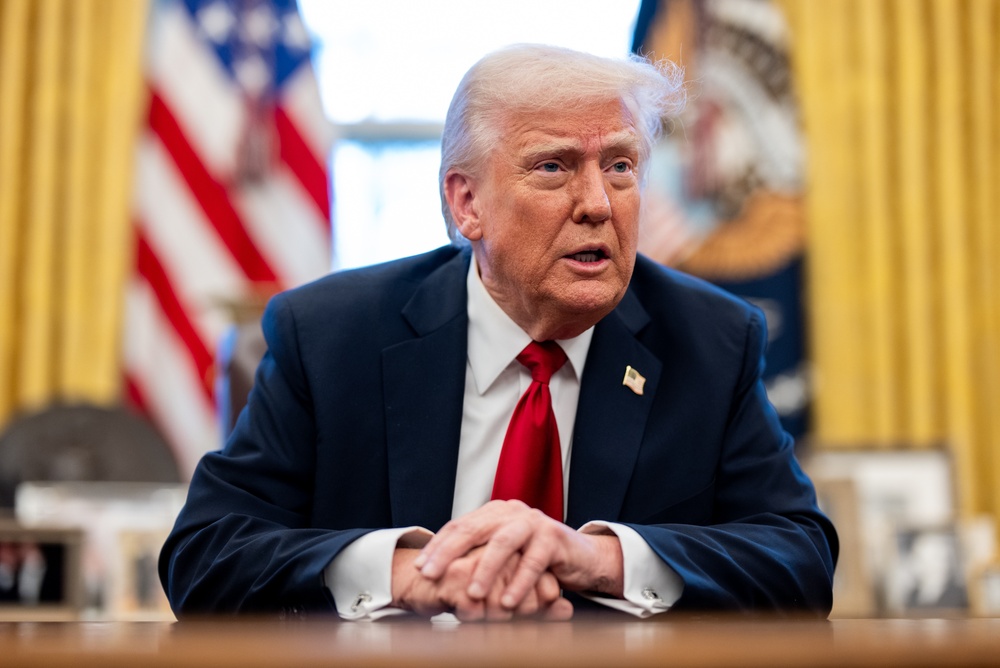

President Donald Trump has signed an executive order aimed at speeding up research and access to psychedelic drugs as potential treatments for serious mental health conditions. The move directs federal agencies, including the Food and Drug Administration (FDA), to prioritize the review of certain therapies already in advanced clinical trials.
The policy is framed as a response to ongoing gaps in mental health care, particularly for patients who do not respond to traditional treatments. According to the White House, millions of Americans live with serious mental illness, and existing therapies often fall short for the most complex cases.
Trump said the order is intended to give patients “a chance to reclaim their lives,” emphasizing urgency around conditions like depression, anxiety, and post-traumatic stress disorder (PTSD), especially among veterans.
What the Executive Order Actually Does
At its core, the order focuses on accelerating the federal review process for psychedelic-based treatments. The FDA is being directed to fast-track certain drugs, potentially cutting approval timelines from months or years down to weeks in some cases, according to officials.
The order also expands the use of the “Right to Try” pathway, which allows eligible patients to access experimental treatments that have not yet received full FDA approval. This could include psychedelic compounds like ibogaine for patients with severe or treatment-resistant conditions.
In addition, the administration is committing at least $50 million to support research and partnerships with states exploring psychedelic therapies. Federal agencies are also being directed to collaborate more closely on clinical trials and data sharing to speed up evaluation and potential approval.
Why Psychedelics Are Getting Attention

Psychedelic drugs such as psilocybin, MDMA, and ibogaine have gained increasing attention in recent years for their potential to treat mental health disorders. Early studies suggest they may help with conditions like depression, PTSD, and addiction, particularly for patients who have not responded to standard medications.
Researchers say one reason for the interest is how quickly some of these substances appear to work compared to traditional antidepressants, with effects that may last for months after a single treatment.
Still, none of these drugs are currently approved for widespread medical use in the United States. Most remain classified as Schedule I substances, meaning they are considered to have no accepted medical use and a high potential for abuse under federal law.
Promise, Risks, and What Comes Next

Supporters of the executive order, including some veterans’ groups and advocates, say it could open the door to new treatments for people who have exhausted other options. Some veterans have already sought therapies like ibogaine outside the U.S., reporting improvements in symptoms.
At the same time, experts caution that the science is still evolving. Drugs like ibogaine have been linked to serious risks, including potentially fatal heart complications, and research has been limited by safety concerns.
Researchers emphasize that any expanded access must still go through rigorous clinical testing. Even proponents of psychedelic therapies stress the importance of controlled settings, medical supervision, and careful screening of patients.