Trump Signs Executive Order Expected to Impact Non-Citizens Across the US
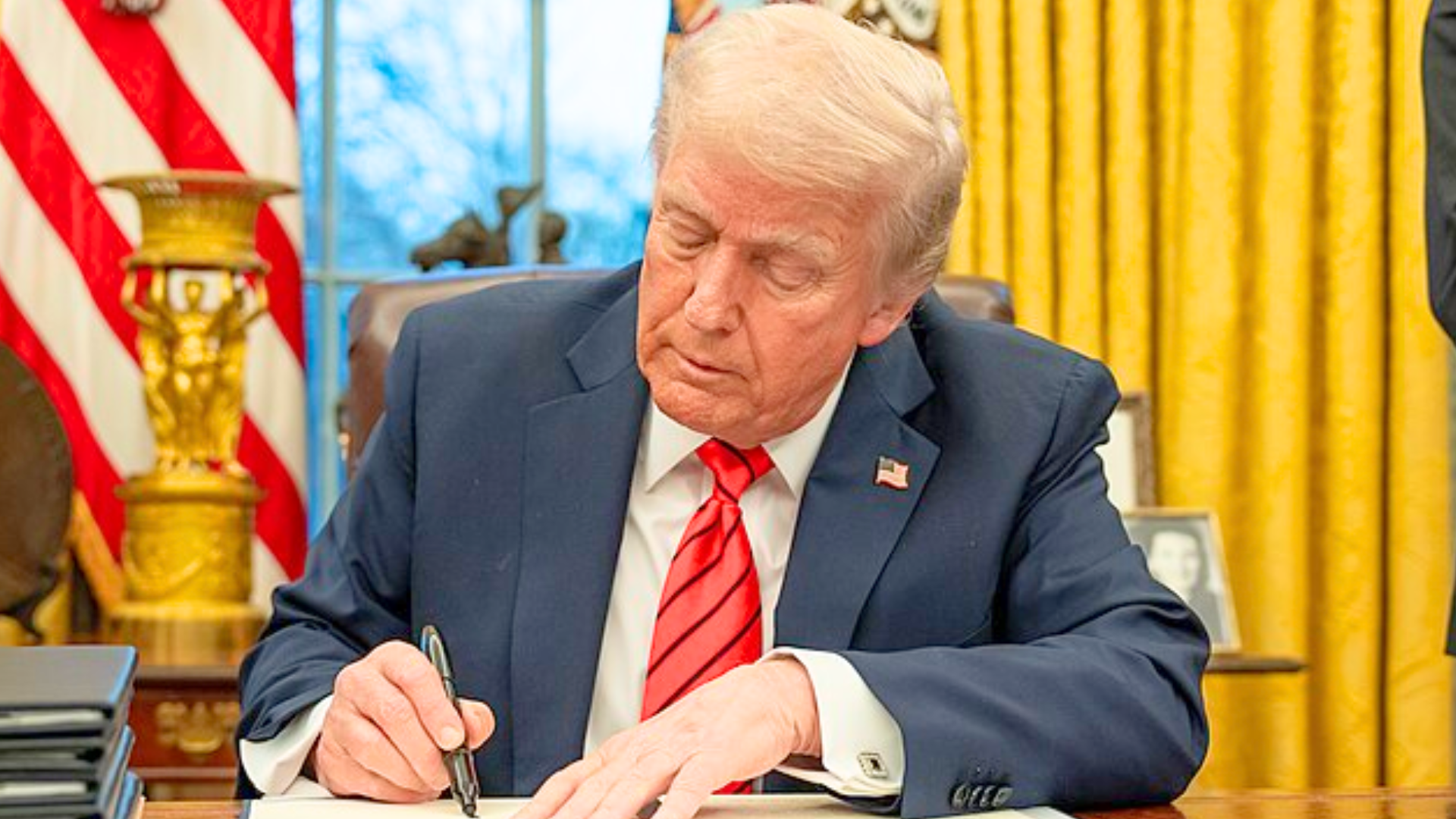

President Donald Trump signed a new executive order on May 19, 2026, titled “Restoring Integrity to America’s Financial System,” a policy expected to significantly impact non-citizens across the United States. The order directs federal agencies to tighten customer identification requirements, strengthen banking oversight, and review financial risks linked to individuals without verified legal work authorization. According to the White House, the administration wants to crack down on payroll fraud, hidden account ownership, labor trafficking, and the use of taxpayer identification numbers by people lacking verified legal presence in the country. Critics argue the move could create major new hurdles for immigrants and even lawful residents trying to access financial services.
Executive Order Targets Non-Citizen Eligibility Rules
One of the most significant parts of the order involves stricter identification and documentation standards for opening bank accounts and obtaining loans. Officials are considering tougher verification procedures tied to citizenship status, legal residency, and work authorization documentation. According to reports, regulators may require expanded proof of legal presence before certain financial services can be approved. Critics warn these changes could make banking access more difficult for immigrants, temporary residents, and some foreign workers.
Federal Agencies Directed to Increase Enforcement

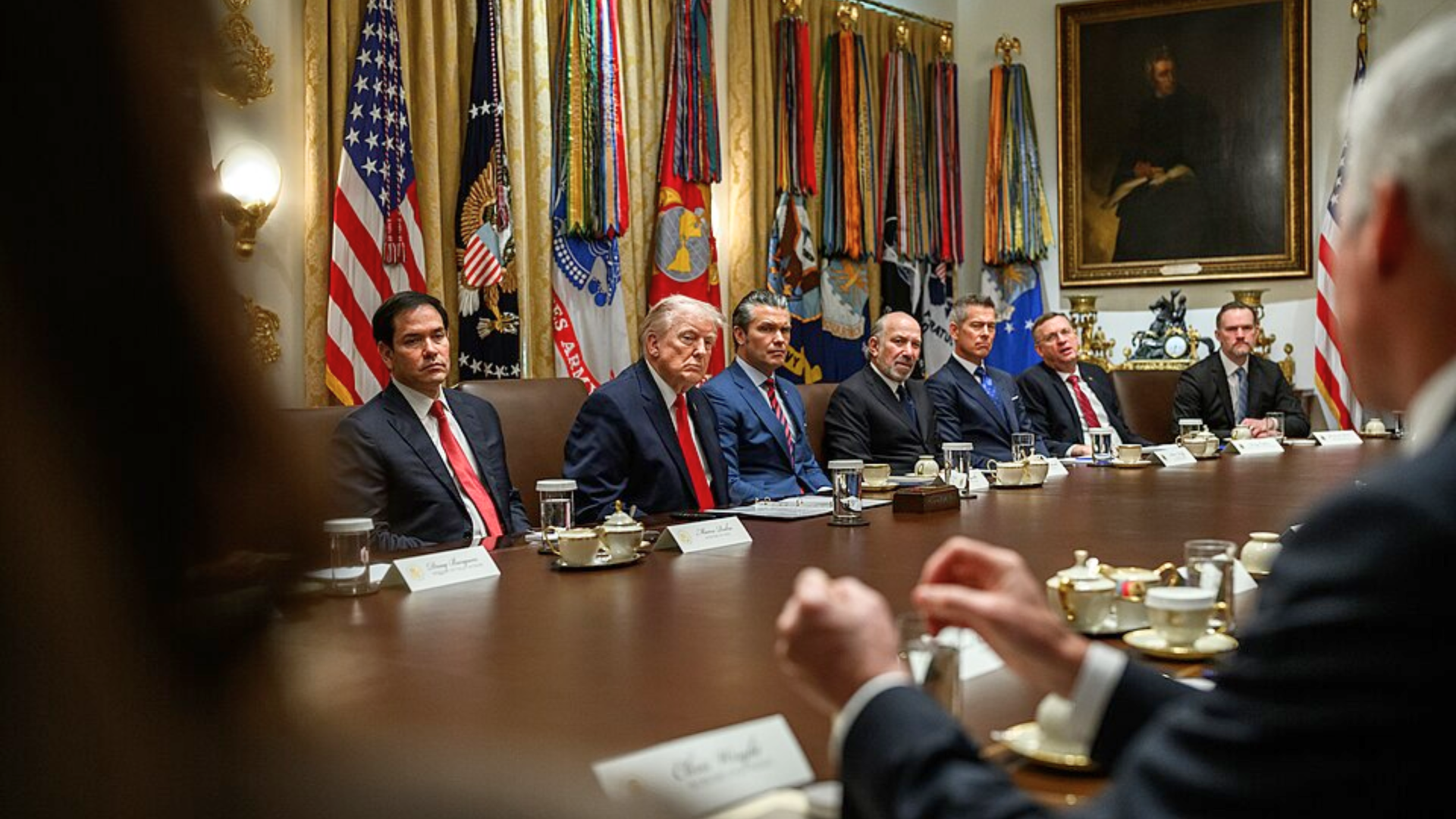
Several federal agencies are expected to participate in carrying out the executive order, including the Treasury Department, Consumer Financial Protection Bureau, and federal financial regulators. The CFPB was specifically instructed to consider modifying lending regulations involving “ability-to-repay” standards tied to deportation risks and potential wage loss. Regulators were also ordered to examine how extending financial services to individuals without work authorization may affect financial institutions and taxpayers. The coordinated review process is expected to shape future federal banking policy.
Changes May Affect Access to Public Services

The order is expected to impact how non-citizens access certain public services and federal assistance programs. While specific details vary by program, the general direction of the policy emphasizes stricter eligibility checks and documentation requirements. Supporters argue this ensures that benefits are reserved for lawful residents and citizens. Critics, however, say it could discourage eligible individuals from seeking essential services due to fear or confusion.
Immigration Advocates Raise Concerns

Advocacy groups have expressed concern that the executive order could disproportionately affect immigrant communities, including those with legal residency status. They argue that increased restrictions may lead to uncertainty and fear among families who rely on federal programs for basic needs. Some organizations also warn that the policy could strain community support systems and legal aid services. Supporters of the order counter that it is intended to ensure proper enforcement of existing laws.
Supporters Say Policy Strengthens National Security

Supporters of the executive order argue the policy strengthens national security and protects the integrity of the U.S. financial system. The White House stated that the administration is seeking to crack down on illicit financial activity, fraud schemes, labor trafficking operations, and risks tied to hidden account ownership. Officials also claim stricter customer verification standards could reduce criminal exploitation of financial institutions. Backers of the policy say American taxpayers should not bear the financial risks linked to unlawful activity or unverified borrowers.
Legal Experts Expect Challenges and Pushback

Legal experts believe parts of the executive order could face court scrutiny depending on how aggressively agencies attempt to enforce the new standards. Questions remain about how much authority executive agencies have to impose stricter identification requirements without congressional action. Some analysts also expect challenges involving discrimination concerns, banking access, and equal treatment under federal law. Similar immigration-related executive actions in previous administrations often faced lengthy legal battles after implementation.
State and Local Governments React
State and local leaders are beginning to evaluate how the executive order may affect their own programs and communities. Some jurisdictions that rely heavily on immigrant populations for labor and economic activity have expressed concern about potential disruptions. Others support the move as a way to align local enforcement with federal priorities. The response varies widely depending on political leadership and regional demographics.
Economic Implications Under Discussion

Economists are also analyzing how the executive order could impact industries that rely heavily on immigrant labor. Sectors such as agriculture, construction, and hospitality may experience shifts in workforce availability depending on how strictly the policy is enforced. Some experts warn that tighter restrictions could create labor shortages in certain regions. Others argue that clearer immigration rules could improve long-term labor market stability.
Policy Sparks Nationwide Debate Over Immigration Direction
Trump’s executive order titled “Restoring Integrity to America’s Financial System” has intensified national debate over immigration enforcement, financial access, and federal oversight. Signed on May 19, 2026, the policy directs federal agencies to tighten customer identification standards, strengthen banking compliance rules, and examine risks tied to providing financial services to individuals without verified work authorization. Supporters argue the measures protect national security and reduce financial fraud, while critics warn the changes could disrupt access to banking services for millions of immigrants and non-citizens. As agencies move toward implementation, legal battles and political debate over the scope of the order are expected to continue.