Trump Pushes $300 Billion Oil Project, First New U.S. Refinery in 50 Years

President Donald Trump has unveiled a massive new project in Brownsville, Texas, that promises to be the first major oil refinery built in the United States in half a century. Dubbed an America First energy investment, the project is described by the president as a $300 billion deal intended to strengthen national security and boost domestic production. This ambitious announcement comes at a critical time as oil markets remain rattled by the ongoing conflict with Iran and disruptions in the Strait of Hormuz. The president credited the Indian energy giant Reliance for its role in the initiative, signaling a major geopolitical shift in energy partnerships.
The project is more than just a political statement, it is a strategic move to address a significant gap in U.S. infrastructure. While the nation has a surplus of light shale oil, most existing refineries are not designed to process it efficiently. This new facility at the Port of Brownsville is being engineered specifically for American shale, a move that supporters say will finally unlock the full potential of domestic resources. The curiosity surrounding the $300 billion figure remains high, as it is not yet clear if that total refers solely to the refinery or a broader framework of international investment.
The bridge to this energy future is a long term commitment that includes a 20 year offtake agreement to purchase and distribute American energy. Groundbreaking is expected to occur in the second quarter of 2026, marking a historic turning point for a country that has not seen an all new refinery since the 1970s. What researchers and market analysts find fascinating is the promise that this will be the cleanest refinery in the world. The answer to whether this project can truly insulate American consumers from overseas conflicts may take years to realize, but the initial discovery of such a massive investment has already sent shockwaves through the industry.
The Brownsville Project In Detail
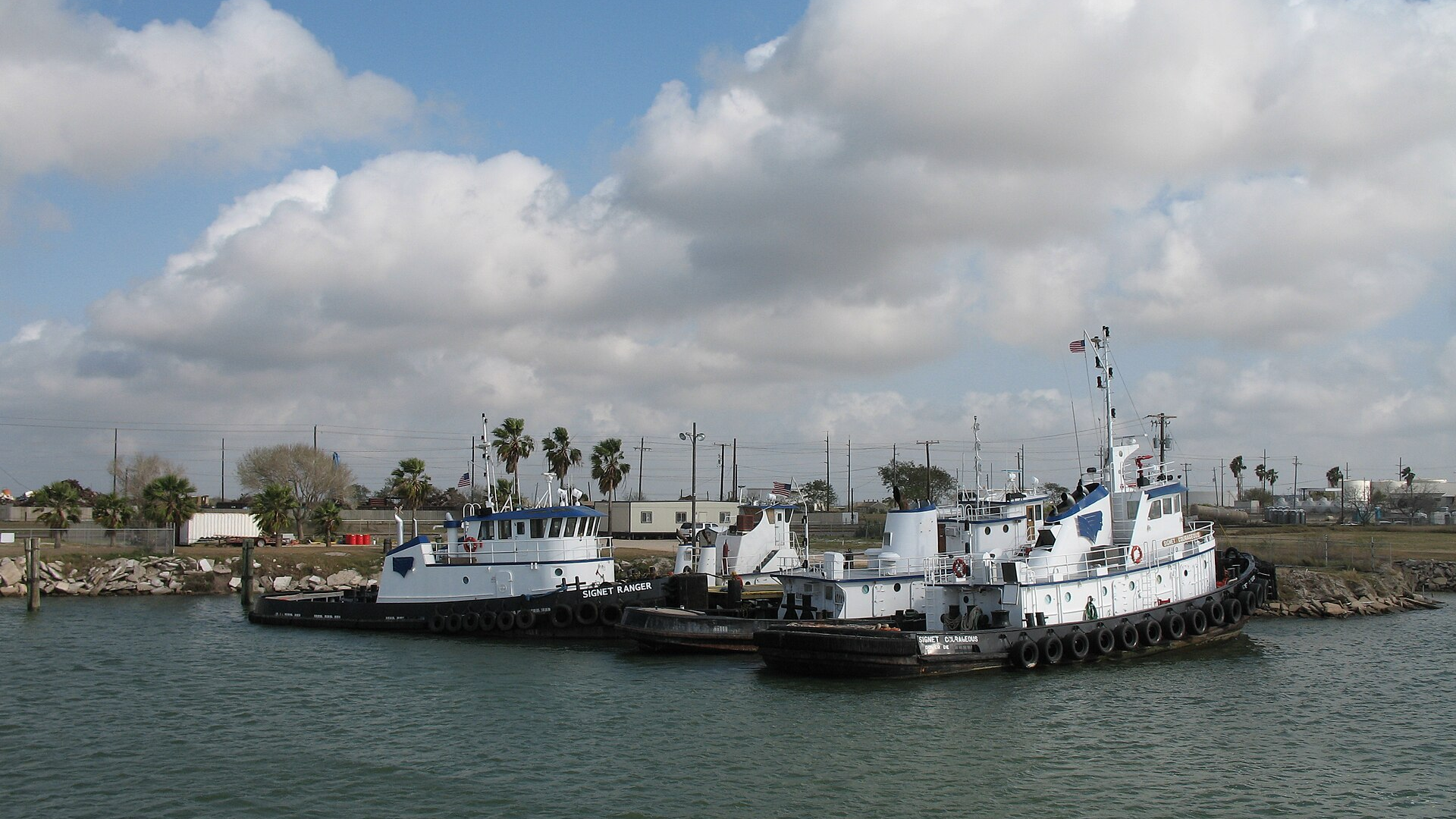
The project is being developed by America First Refining, a company with roots in a previous proposal by Element Fuels Holdings. John V. Calce, the company’s chairman and founder, has described the refinery as a historic step that will create thousands of high quality jobs. The facility will be located at the Port of Brownsville, a deepwater port in South Texas that offers a strategic gateway for distribution. By building a refinery tailored specifically for light shale oil, the company aims to resolve the efficiency issues that have plagued older domestic plants for decades.
The physical reality of the project is backed by a nine figure investment from a global energy supermajor, which has already pushed the project’s valuation into the ten figure range. Trey Griggs, the company president, emphasized that the United States currently suffers from a shortage of refining capacity optimized for its own supply. This new facility is designed to close that gap, ensuring that American resources are refined at home rather than being shipped elsewhere for processing. This grounded, technical approach to infrastructure is a core pillar of the current administration’s energy policy.
These details matter because the U.S. has historically relied on older refineries that were built to handle heavier crudes from overseas. The shift to a shale optimized system is a concrete detail that adds credibility to the promise of energy independence. However, large scale refinery construction faces significant hurdles, including environmental reviews and permitting challenges that have deterred similar projects for nearly 50 years. The success of the Brownsville refinery will depend on navigating these regulatory waters while maintaining the aggressive construction timeline set for 2026.
The Global Conflict On Gas Prices

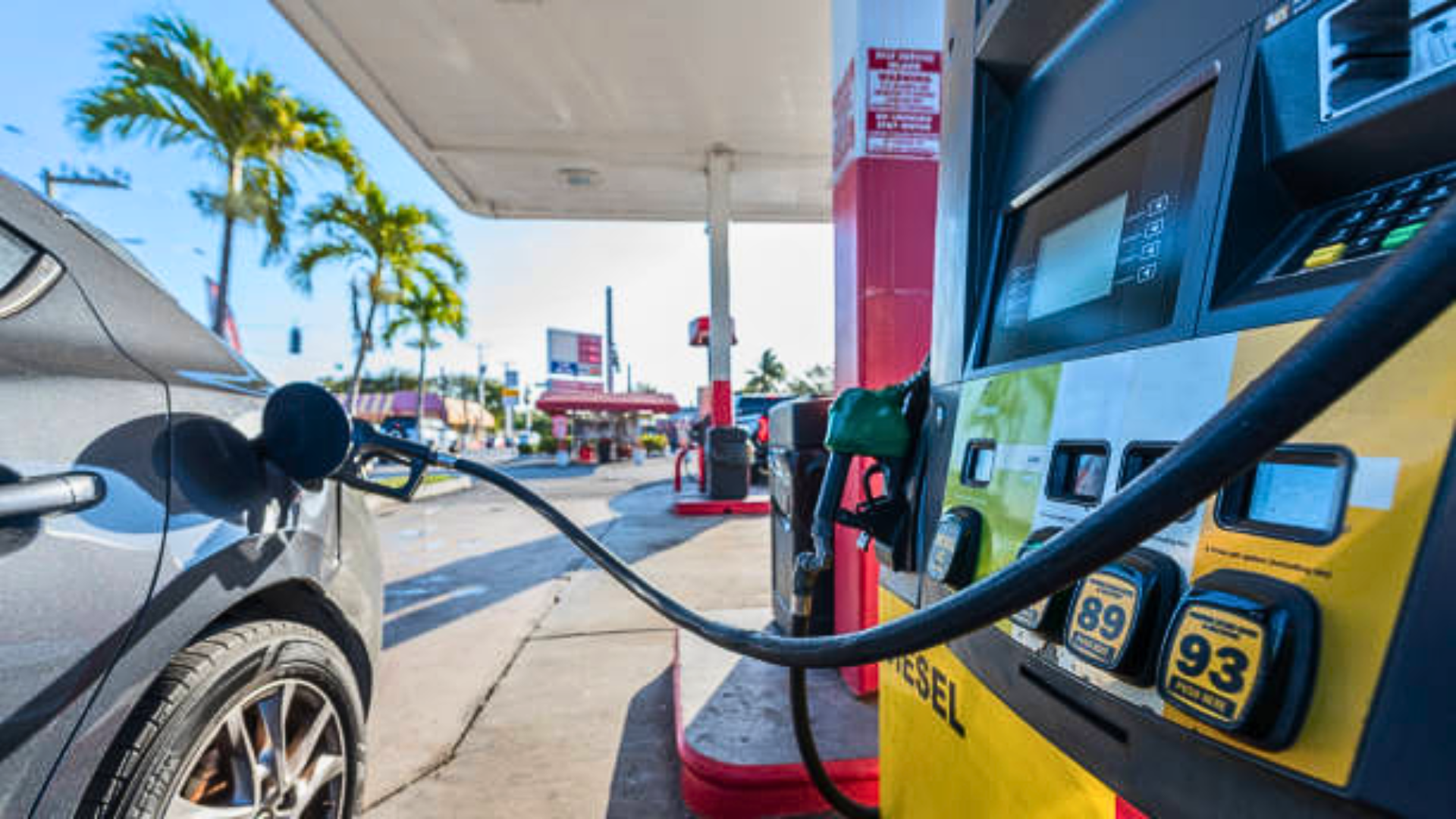
The pivot toward domestic refining has been accelerated by a sharp jump in gasoline prices following the outbreak of war with Iran. Oil markets have been severely rattled by threats to shipping through the Strait of Hormuz, a key route that carries a significant portion of the world’s energy supply. In recent weeks, prices at the pump have risen by more than 20 percent as crude oil briefly eclipsed 100 dollars a barrel. This economic pressure has created an emotional arc of concern among American families who are feeling the pinch of overseas instability.
The larger implications of the Brownsville project connect to the administration’s goal of shielding U.S. consumers from these volatile international markets. President Trump has argued that expanding domestic capacity is the only way to ensure that American energy is not held hostage by foreign conflicts. While analysts note that a new refinery will take years to complete and offer no immediate relief, the fascination with a long term solution is growing. The conflict between the need for immediate price relief and the reality of long term infrastructure development is a central theme of the current economic debate.
Widening the scope, this project reflects a broader move toward a circular energy economy within the United States. By refining shale oil locally, the nation can reduce its dependence on the complex and often dangerous global supply chain. This is a concerning element for international traders who have long benefited from U.S. energy exports and imports. The emotional journey from the frustration of high gas prices to the fascination with a massive technological solution is a narrative that the White House is eager to champion as the 2026 groundbreaking approaches.
The Future Of America First Energy
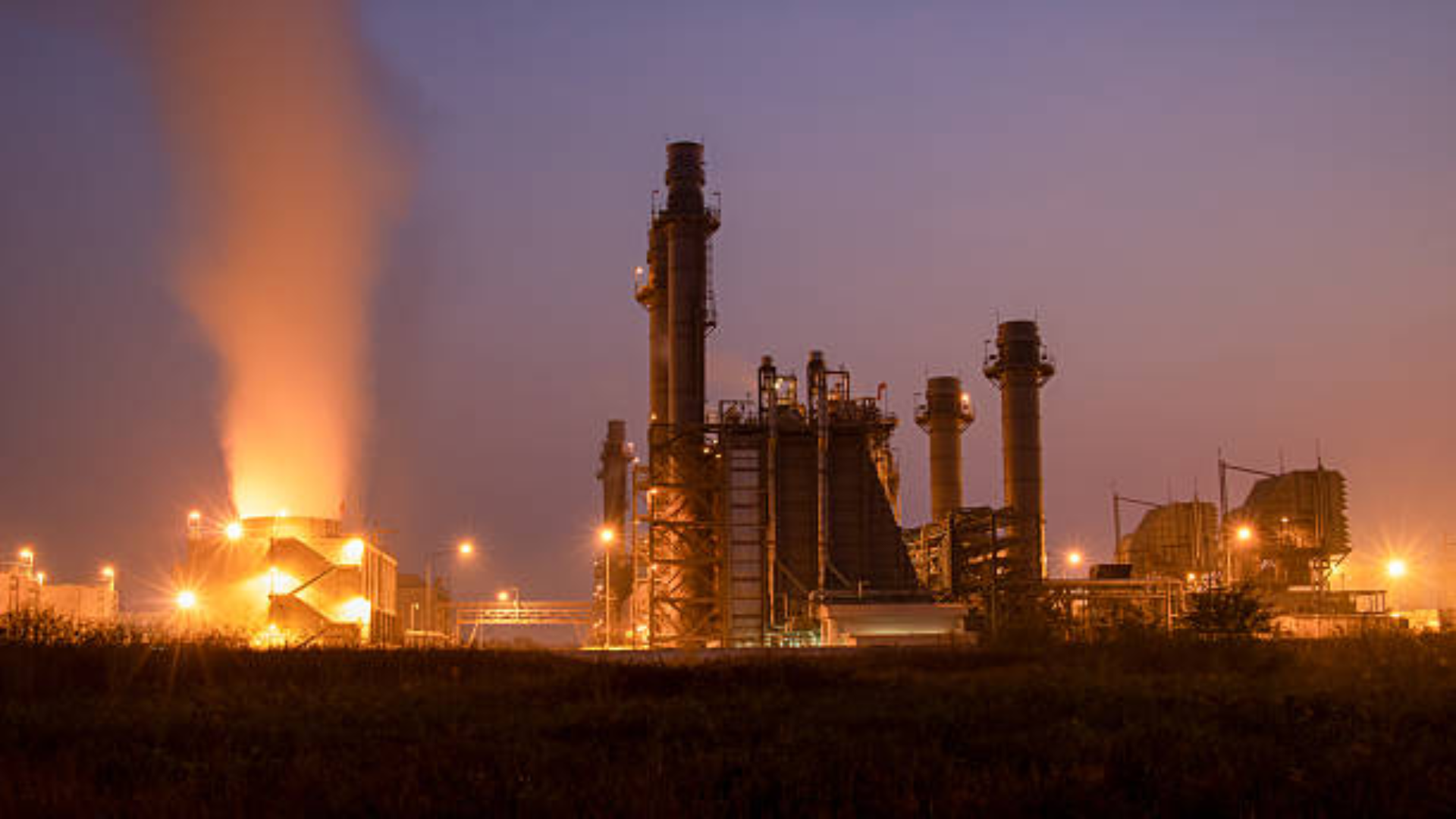
As the project moves toward its groundbreaking date, the next step involves clarifying the full financing structure and the precise role of international partners like Reliance. The return to urgency is felt by policymakers who are facing intense political pressure over the rising cost of living. While the Brownsville refinery is a flagship project, it is part of a larger push to rebuild the nation’s industrial core. The forward looking consequences of this investment could include a permanent shift in how the U.S. manages its natural resources and its relationships with global energy giants.
The only way to achieve true energy security, according to the project’s founders, is to get off the rollercoaster of fossil fuel markets that are dictated by foreign regimes. By creating a domestic refining hub that is both efficient and clean, the U.S. can set a new global standard for energy production. The potential for job creation is another high-value aspect, with thousands of high-paying roles expected to be generated during both the construction and operational phases. The era of domestic energy neglect appears to be ending in favor of a bold, infrastructure heavy future.
The Brownsville refinery serves as a powerful reminder that the U.S. still has the capacity for historic scale projects. As fireballs rise in distant capitals and tankers are threatened at sea, the focus is shifting back to the South Texas coast. The struggle for energy independence has moved from the oil fields to the refining floor. We must now accept that the path to a more stable economy requires a massive, sustained investment in the infrastructure that makes our modern life possible.