Trump Makes Rare Move to Waive Century-Old Law, Allowing New Gas Shipments to California

California is currently witnessing a historic shift in how it receives fuel as the federal government bypasses a law that has stood for over one hundred years. For the first time in modern memory, foreign-flagged ships are transporting gasoline from the Gulf Coast directly to the Golden State. This rare executive intervention comes at a critical moment when global tensions and soaring energy costs have left West Coast drivers desperate for relief at the pump.
The focus of this legal maneuver is the Jones Act of 1920, a maritime policy originally designed to bolster national defense after World War I. Under this law, only ships built, owned, and documented in the United States can transport goods between domestic ports. While intended to protect American shipping, the act has long been criticized for limiting transport options and driving up costs in isolated regions like California. This sudden waiver represents a major policy pivot.
Because California lacks major interstate pipelines for finished fuel, the state relies heavily on marine transport to meet its massive energy demands. This geographic isolation is a primary reason why residents often pay significantly more for gasoline than the rest of the country. By temporarily lifting the restrictions, the administration is allowing a fleet of international tankers to fill the gap. This move aims to create a new bridge between American refineries and California consumers.
International Tankers Provide a Coastal Lifeline
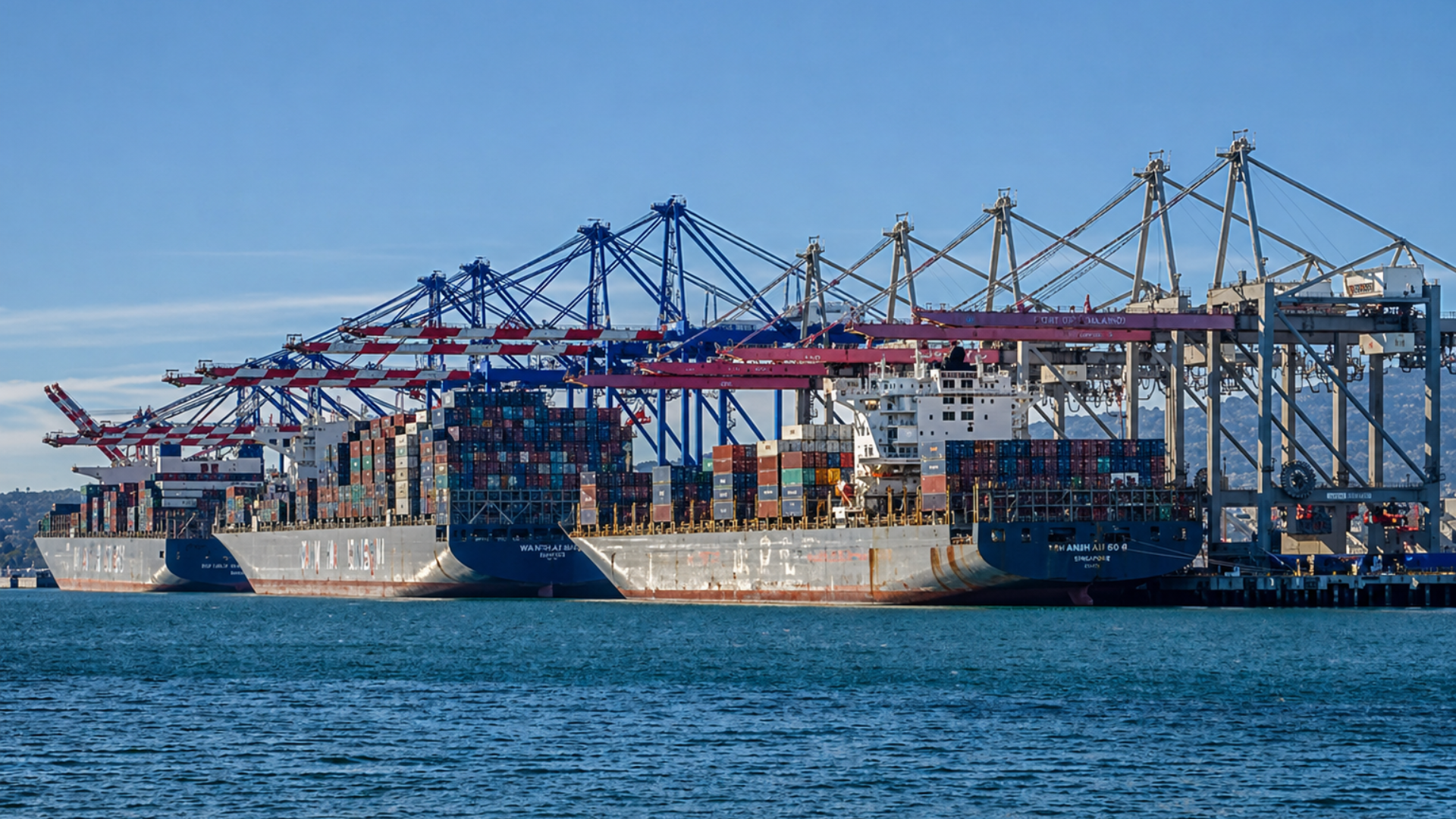
The specific waiver took effect in mid-March and is currently scheduled to remain in place through May. However, recent signals from the White House suggest that the window for these shipments could be extended even further to ensure market stability. So far, nearly a dozen shipments of gasoline and petroleum products have arrived at key California hubs. Ports in Los Angeles and Martinez are now receiving fuel from tankers registered in countries like Denmark and Liberia.
These ships are moving millions of gallons of fuel from refineries in Houston and Washington to help stabilize the local market. A single medium-range tanker can carry up to fourteen million gallons, providing a substantial boost to the local supply chain. The data shows a busy corridor of activity as foreign vessels perform tasks that were previously reserved strictly for the American fleet. This surge in maritime traffic highlights the urgency of the current energy situation.
While the federal government has granted similar waivers in the past, they were almost always restricted to short term emergencies like hurricanes on the East Coast. Seeing this level of activity in California is unprecedented for the modern era of energy logistics. The administration argues that this action is necessary to ensure that vital resources like oil and natural gas continue to flow freely. This temporary flexibility is a direct response to a tightening global market.
The Middle East Crisis and American Gas Prices

The catalyst for this rare legal suspension is the ongoing volatility in the Middle East, which has significantly throttled global oil traffic. Tensions surrounding the Strait of Hormuz, a vital artery for the world’s petroleum, have sent shockwaves through international markets. As global crude prices rise, the United States is looking for ways to move its own domestic resources more efficiently. The Jones Act waiver is a key tool in this broader strategy of mitigation.
Energy officials in California have confirmed that the waiver is bringing an incremental supply of fuel to the state during a period of high demand. However, analysts point out that this move addresses logistics rather than the total global supply of oil. It allows existing fuel to move more easily between American regions but does not change the total amount of gasoline produced. This distinction is important for understanding the actual impact on the prices seen at the pump.
Some experts remain skeptical that this change will lead to a dramatic drop in retail prices for drivers. They argue that nearly half of the cost of a gallon of gas is determined by the global price of a barrel of crude oil. Since that price is set on the world market, logistical shifts at home can only do so much. Despite these limitations, the added flexibility is seen as a vital insurance policy against localized fuel shortages.
A Lasting Debate Over Maritime Protectionism
The current situation has reignited a long standing debate over whether the Jones Act should be permanently repealed or significantly altered. Critics argue that the law is an outdated form of protectionism that punishes consumers in places like California, Hawaii, and Puerto Rico. They believe that allowing permanent competition from international shipping would lead to lower costs and more resilient supply chains. This temporary waiver provides a real world test case for those arguments.
On the other side of the issue, supporters of the law argue that maintaining a domestic shipping industry is essential for national security. They fear that relying on foreign ships would leave the United States vulnerable during a major international conflict. The maritime industry warns that gutting the law could lead to the loss of thousands of American jobs and the decay of domestic shipbuilding. These competing interests make any permanent change to the law a difficult political challenge.
As the May deadline for the waiver approaches, all eyes are on the California ports to see if the experiment proves successful. Will this short term fix become a blueprint for how the country manages future energy crises, or will the century old law return to full force? For now, the sight of foreign tankers in the Bay Area serves as a reminder of the complex global forces that determine the price of a daily commute.