Trump Disclosure Shows Over $50 Million in ‘Magnificent 7’ Tech Stock Trades
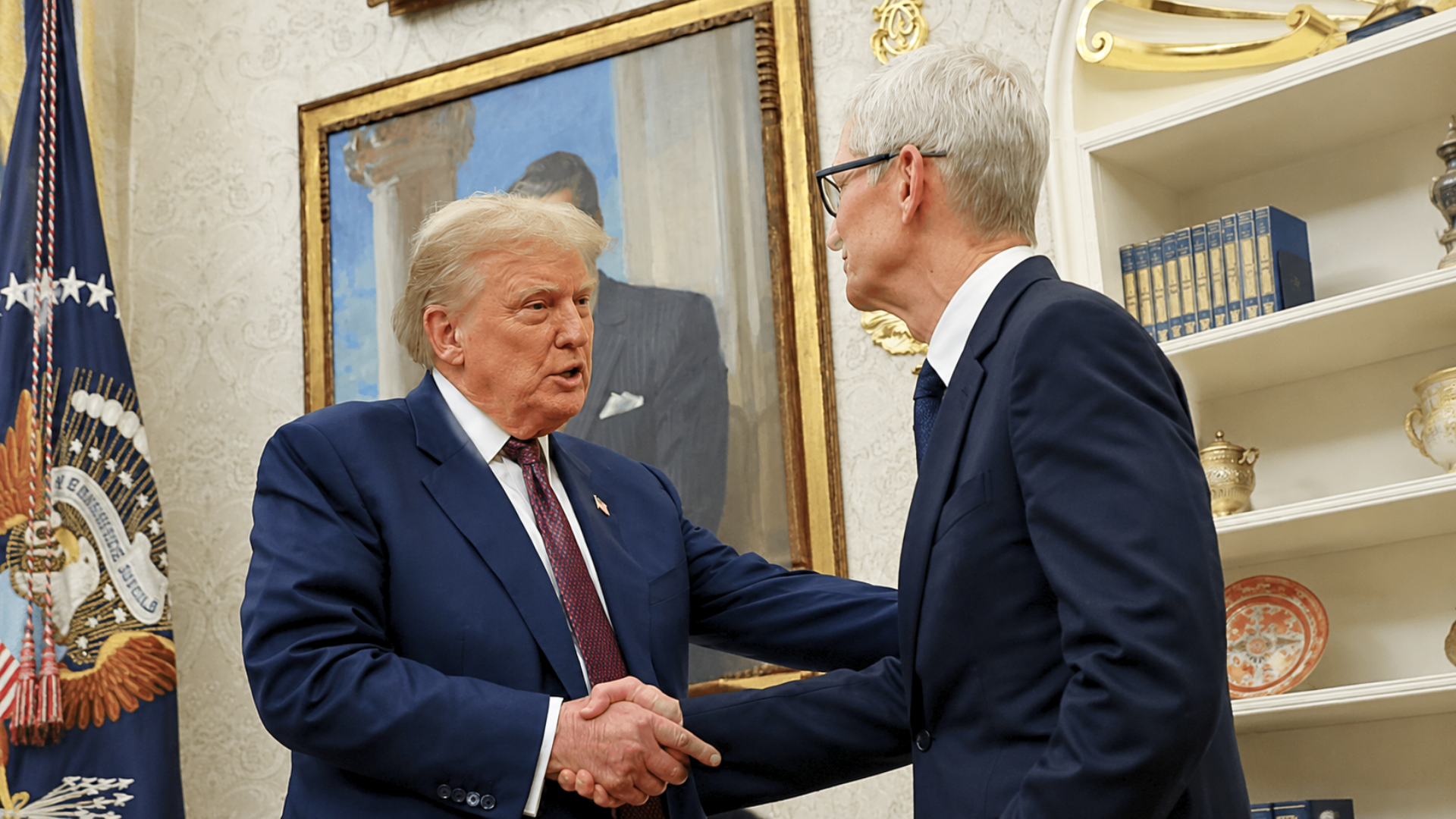

A new ethics disclosure shows President Trump made 94 separate trades of Magnificent Seven stocks in the first quarter of 2026, with transactions valued at between $50 million and $70 million across 64 buy orders and 30 stock sales. The disclosure, which was released last week and covers more than 3,700 total trades made under the president’s name, shows trading activity in Apple, Alphabet, Nvidia, Meta Platforms, Microsoft, Amazon, and Tesla during a period when Trump was regularly meeting with and publicly promoting many of these same companies. The trading patterns have raised conflict of interest concerns among watchdog groups and ethics observers.
The Trump Organization, which manages the president’s account, said in a statement that trades are overseen by third-party financial institutions without any input from Trump or his family. “Neither President Trump, his family, nor The Trump Organization plays any role in selecting, directing, or approving specific investments,” the organization said. “They receive no advance notice of trading activity and provide no input regarding investment decisions or portfolio management of any kind.” The Trump Organization did not respond to questions from Yahoo Finance about the Magnificent Seven trades specifically. It also did not respond to questions about how its denial of family involvement squares with the fact that 27 of the 94 Magnificent Seven trades were listed in the disclosure as “unsolicited,” a designation that by standard definition means a transaction initiated by the client rather than the broker.
The disclosure has drawn pointed criticism from government ethics observers. Citizens for Responsibility and Ethics in Washington, a nonpartisan watchdog group, responded to the disclosures with a direct statement: “Presidents are not supposed to be day traders.” The combination of frequent trading in companies the president was simultaneously promoting and meeting with, the proximity of certain trades to major corporate announcements, and the unsolicited trade designations has focused attention on whether existing ethics frameworks adequately address a sitting president’s active stock portfolio.
The Specific Trades: Apple Up, Tesla Down, and a Notable Nvidia Purchase
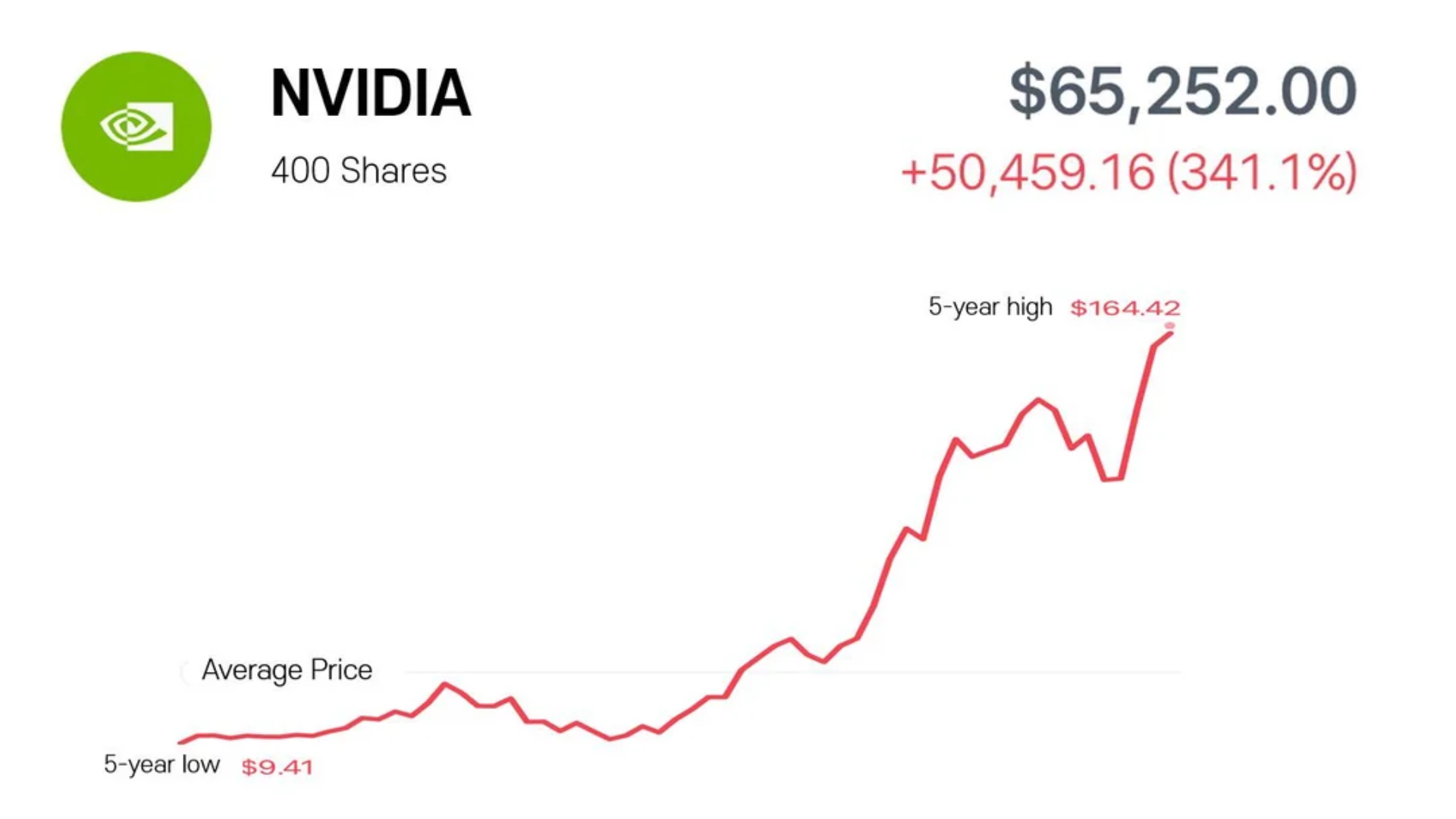
A Yahoo Finance analysis of the disclosure found that Trump’s account most clearly added to its positions in Apple and Alphabet during the first quarter. The Apple transactions included eight purchases against just one sale, resulting in net purchases valued at between $2 million and $7.2 million for the quarter. The Alphabet transactions during the same period were all purchases, representing an additional $1.5 million to $3.1 million in net buying. Tesla was the one Magnificent Seven stock that Trump’s account definitively sold during the quarter, with sales of between $30,000 and $330,000.
February 10 was a particularly active trading day. The disclosure shows that on that date, Trump’s account purchased at least $1 million in Nvidia stock. Approximately one week later, on February 18, Nvidia announced a strategic partnership with Meta. The purchase of Nvidia stock before that announcement has drawn specific attention from ethics observers, though it is not possible to determine from the disclosure alone whether the trade was related to any advance knowledge of the partnership. The Trump Organization’s position is that the president and his family receive no advance notice of trading activity.
Also on February 10, the records show Trump’s account sold between $10 million and $50 million in Microsoft and Amazon stock in two separate transactions, each valued at between $5 million and $25 million. The disclosure indicates stock values only in broad ranges rather than precise figures, which means the exact totals for individual trades cannot be confirmed from the public record. The account also executed more than a dozen transactions each in Nvidia, Meta Platforms, Microsoft, and Amazon during the quarter, though whether those resulted in net buying or selling of those four stocks cannot be determined from the disclosure’s range-based reporting format.
The Unsolicited Trade Question and What It Means

Twenty-seven of the 94 Magnificent Seven trades, including three purchases of more than $1 million each, were listed in the disclosure as unsolicited. In standard brokerage practice, an unsolicited trade is one initiated by the client, with the broker’s role being simply to execute the instruction. That designation is significant in the context of the Trump Organization’s statement that the president and his family play no role in directing or approving specific investments. If trades are being initiated by the client rather than recommended by the broker, the disclosure’s own classification system raises questions about who is actually directing the account.
The Trump Organization did not respond to Yahoo Finance’s request to clarify how its denial of any family involvement in the trades was consistent with the unsolicited trade designations appearing throughout the disclosure. That non-response has left the contradiction unresolved in the public record. Ethics lawyers have noted that the distinction between a discretionary account managed entirely by a third party and an account executing client-initiated unsolicited trades is legally and ethically meaningful, particularly for a sitting president whose decisions in office can directly affect the value of the stocks appearing in his portfolio.
The broader concern raised by watchdog groups is structural rather than limited to any single trade. When the person making regulatory decisions, meeting with corporate executives, and shaping the policy environment in which these companies operate is also actively trading their stocks, the potential for conflicts of interest exists regardless of whether any specific trade is connected to any specific decision. Citizens for Responsibility and Ethics in Washington’s statement that presidents are not supposed to be day traders reflects that structural concern rather than an allegation about any individual transaction.
What This Disclosure Means for Presidential Ethics and Market Integrity
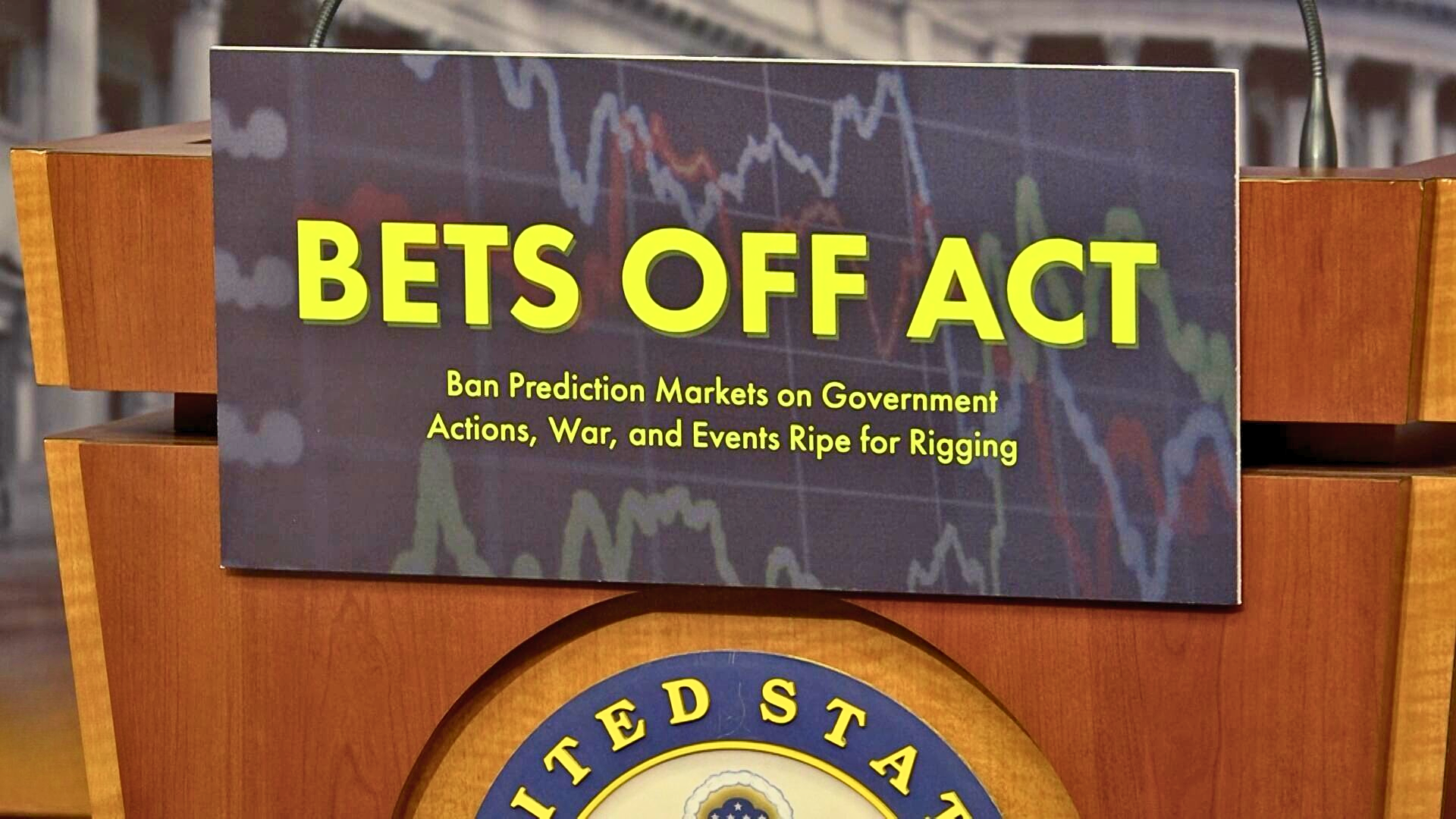
Presidents are not legally prohibited from owning stocks, but the scale and frequency of trading activity revealed in this disclosure have renewed debate about whether existing ethics rules are adequate for a sitting president with an actively managed equity portfolio. Most presidents have historically addressed conflict of interest concerns by placing their assets in a blind trust during their time in office, a structure in which an independent trustee manages investments without the president knowing what is being bought or sold. Trump’s arrangement, in which the Trump Organization oversees the account with third-party managers, is a different structure, and one that has generated sustained scrutiny since his first term.
The Magnificent Seven companies are not passive investments in the context of presidential policy. Apple, Nvidia, Meta, Microsoft, Amazon, and Alphabet are among the most heavily regulated and policy-sensitive technology companies in the United States and globally. They are subjects of antitrust investigations, artificial intelligence policy, trade negotiations, and national security reviews, all areas in which the president of the United States has direct influence. A portfolio actively trading these stocks during a quarter in which the president was meeting with their executives and publicly promoting their work is the factual situation the disclosure describes, whatever the intended or actual relationship between those activities.
The disclosure covers only one quarter and reflects only the publicly reported ranges of transaction values rather than precise figures. The full picture of Trump’s trading activity, its relationship to his official schedule, and whether any trades generated regulatory scrutiny will likely be the subject of ongoing reporting and potential congressional attention. What the first quarter 2026 disclosure has already established is that the president made 94 trades in the country’s most prominent technology stocks, worth between $50 million and $70 million, during a period of significant market volatility and active presidential engagement with those same companies. Whether current ethics frameworks are adequate to address that situation is a question the disclosure has made newly urgent.