Trump Calls on Banks as L.A. Wildfire Victims Struggle to Repay Debt: ‘Treat Them Fairly’
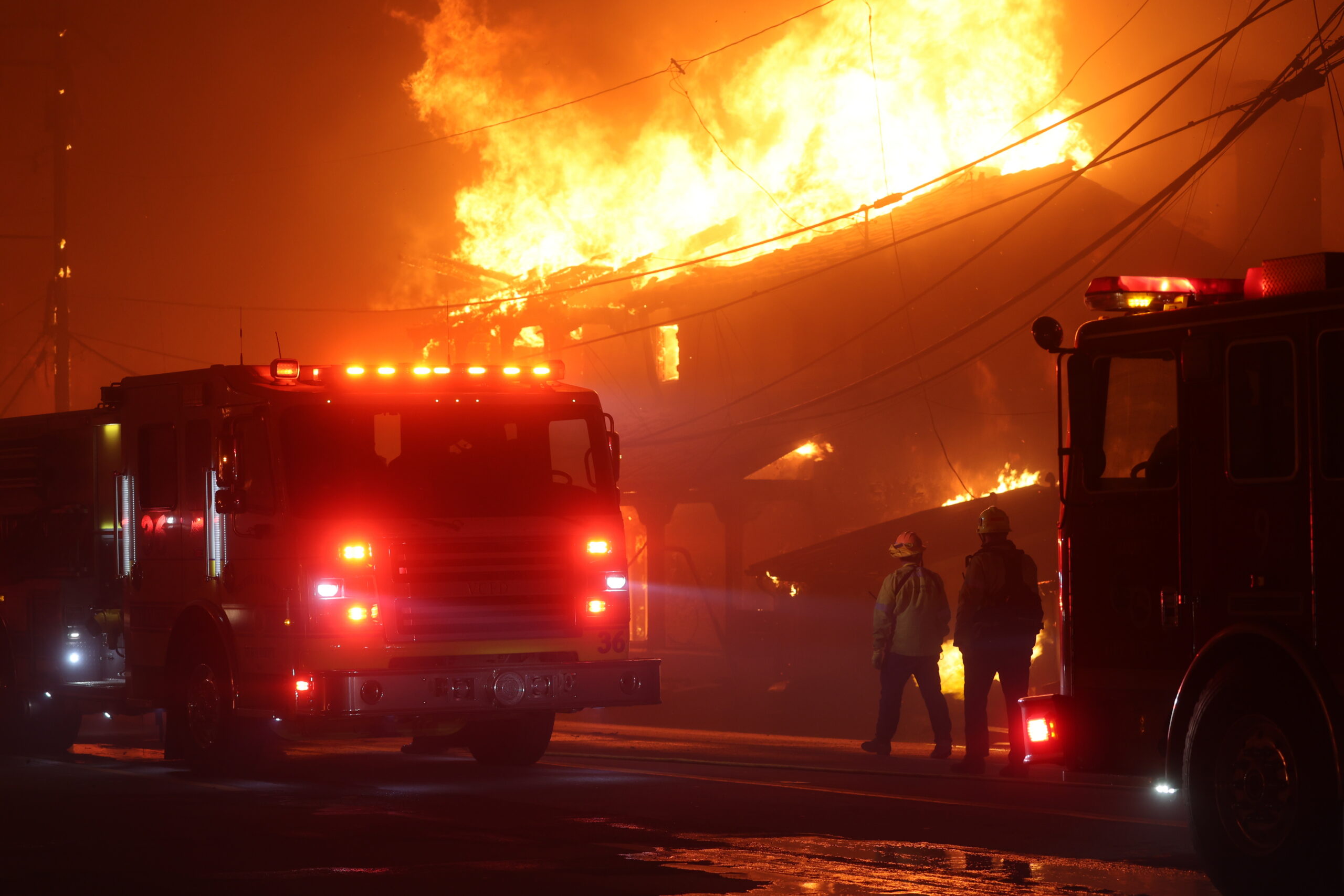

As thousands of Los Angeles families continue rebuilding after devastating wildfires, President Donald Trump is now turning his attention toward the banking industry. In a pointed message posted after meetings with California officials, Trump said banks must “treat those people… very fairly and well” as homeowners struggle with mortgage payments and financial uncertainty.
Trump specifically singled out Wells Fargo, claiming the bank had been “very difficult to deal with,” though he did not outline what actions his administration may take. The comments added another layer of tension between the White House and major financial institutions, even as lenders say they have already provided relief measures for affected borrowers.
The remarks followed discussions with Los Angeles Mayor Karen Bass and County Supervisor Kathryn Barger, who have both pushed for stronger support from banks and insurance companies as residents navigate the long recovery process. Officials said they discussed federal rebuilding funds, FEMA assistance, and ways to ease financial pressure on families displaced by the fires.
Families Face Mounting Financial Pressure

The 2025 Palisades and Eaton fires left a massive trail of destruction across Los Angeles County. The fires killed at least 22 people, destroyed roughly 12,000 homes, and caused more than $50 billion in property damage.
For many homeowners, the financial crisis did not end when the flames were extinguished. Residents have continued facing mortgage obligations while also dealing with insurance disputes, rebuilding delays, and temporary housing costs. Some homeowners reportedly complained that lenders denied forbearance requests or demanded lump-sum repayments despite the disaster’s scale.
Mortgage forbearance allows borrowers to temporarily pause or reduce loan payments, offering breathing room during emergencies. But delays in rebuilding permits and unresolved insurance claims have complicated recovery efforts, leaving many families uncertain about when they can safely return home or fully stabilize financially.
Banks Say Relief Programs Are Already in Place
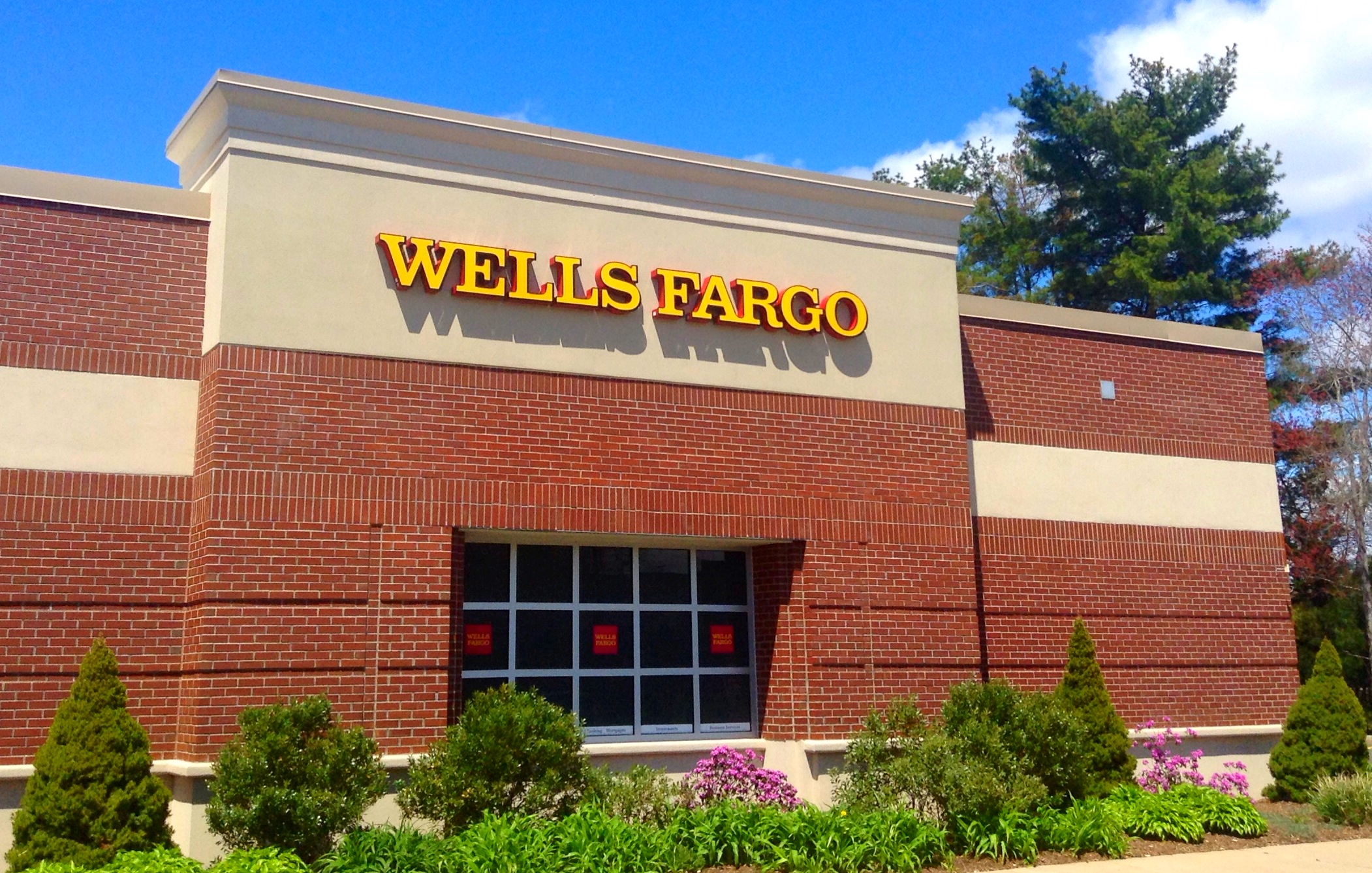
California officials and major lenders moved quickly after the fires to announce temporary relief measures. In early 2025, five major banks — JPMorgan Chase, Wells Fargo, Bank of America, U.S. Bank, and Citigroup — agreed to offer 90-day mortgage forbearance programs for affected homeowners.
The state later expanded protections further. A California law signed by Governor Gavin Newsom now requires lenders to provide up to 12 months of mortgage forbearance for borrowers experiencing wildfire-related financial hardship.
Banks argue they have provided substantial aid and flexibility to customers during the recovery period. Some lenders have even extended assistance beyond the state requirements. Still, industry experts note that prolonged pauses in repayment can create financial strain for lenders as well, particularly in regions increasingly vulnerable to climate disasters.
Recovery Efforts Continue Amid Political and Economic Tensions

The wildfire recovery has become both a humanitarian and political challenge, drawing scrutiny from local leaders, federal agencies, insurers, and financial institutions alike. Trump recently signed executive actions aimed at speeding rebuilding efforts by cutting through some permitting requirements, arguing that California’s recovery process has moved too slowly.
At the same time, the administration’s criticism of banks reflects broader tensions between Trump and Wall Street during his second term. Disputes over lending practices, credit access, and banking regulations have increasingly spilled into public view, with wildfire recovery now becoming part of that debate.
For families displaced by the fires, however, the larger political battle is secondary to immediate concerns about housing, debt, and rebuilding their lives. As recovery stretches into another year, pressure is likely to remain on both banks and government officials to show that financial relief programs are delivering meaningful support where it is needed most.