Toyota Just Solved a Problem Automatic Transmission Drivers Have Hated for Years


Toyota claims its Gazoo Racing Direct Automatic Transmission fires off gear changes in under 300 milliseconds, edging out two unnamed dual-clutch competitors. That number turned heads when the automatic option launched on the GR Corolla. Now a newly surfaced patent filing points to something bigger: a fix for the one habit that has frustrated automatic drivers for decades.
Akio Toyoda Told Engineers To “Spread The Joy Of Driving”

Toyota’s automatic ambitions trace back to company chairman Akio Toyoda. According to GR Yaris chief engineer Naohiko Saito, Toyoda noticed how few people today can drive a manual and told his team he wanted to spread the joy of driving anyway. That mandate produced the GR Corolla’s eight-speed Gazoo Racing Direct Automatic Transmission, a torque converter automatic built to feel locked up and sporty, tuned on actual racetracks.
One Safety Rule Still Overrides Every Driver’s Input
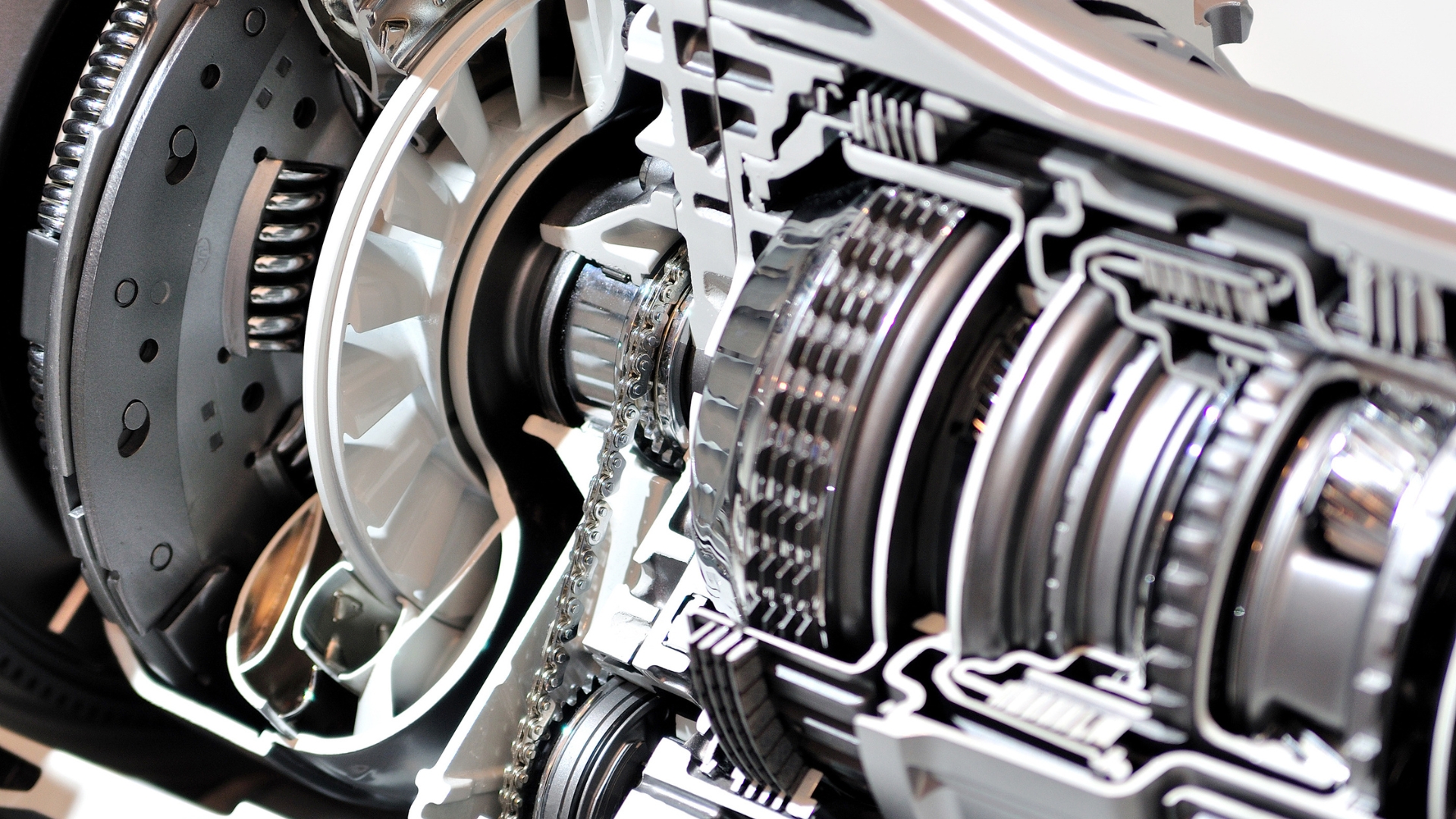
Every torque converter automatic, Toyota’s included, obeys a hard rule: no downshift that would spike the engine dangerously close to redline. Push that limit too far and the transmission spins faster than the engine can safely follow, a failure mechanics call a money shift, capable of destroying the engine or transmission outright. Automakers built the rule in as protection. Drivers experience it as something else entirely.
Click The Paddle And Sometimes Nothing Happens At All
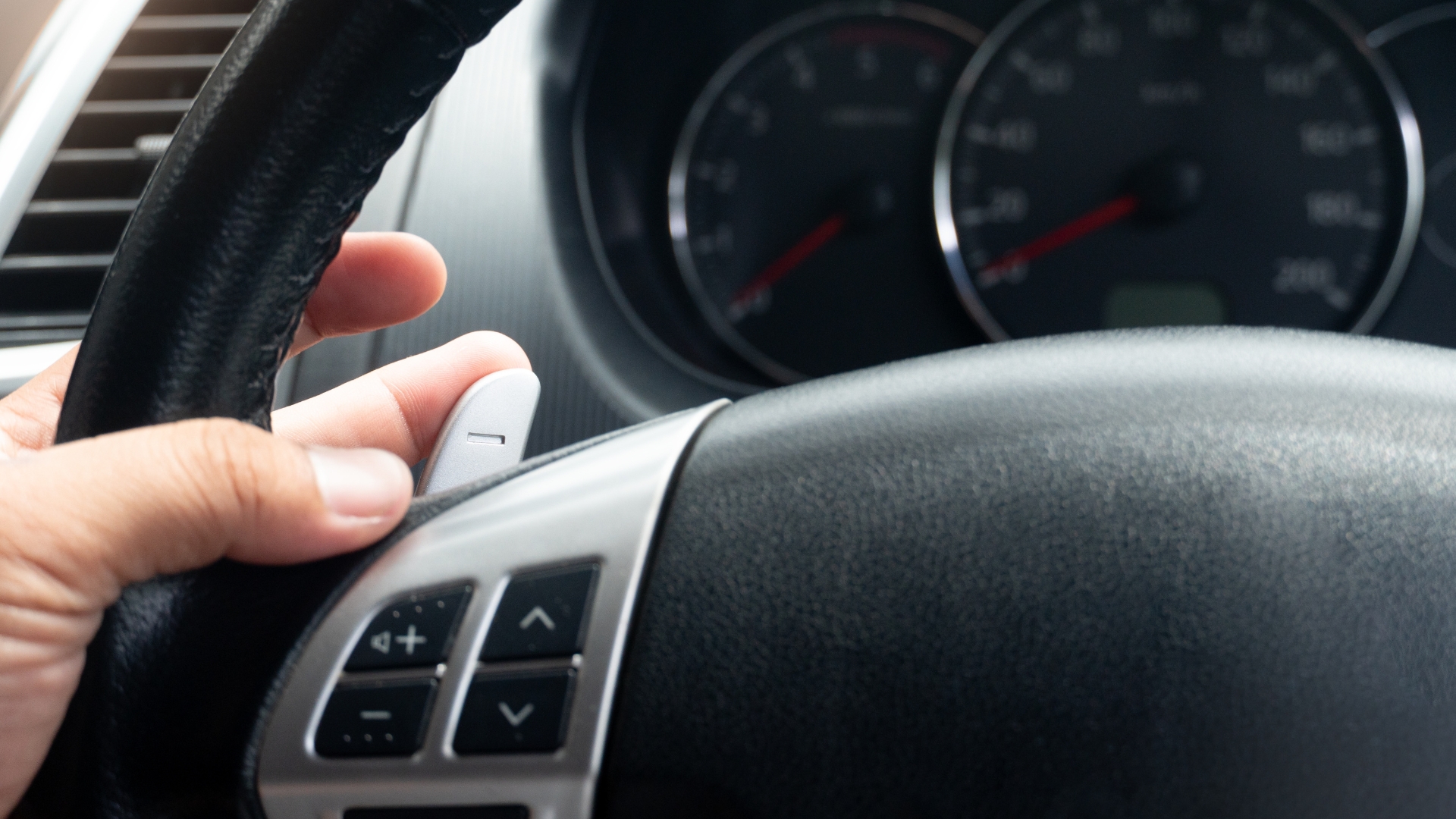
Picture braking hard into a corner and pulling the downshift paddle. If the computer calculates the new gear would push RPMs too close to redline, it simply refuses, no matter how many times the paddle gets clicked. The driver has to wait, guess when the engine has slowed enough, and try again, all while the moment for the ideal gear change quietly slips past.
Toyota’s Patent Would Let The Transmission Remember What You Asked For
A patent filed with the United States Patent and Trademark Office, first surfaced by CarBuzz, describes a transmission that stores a rejected shift request instead of discarding it. The moment conditions become safe, the system executes that downshift automatically, without the driver touching the paddle again. Toyota’s filing frames it as a way to close the responsiveness gap between torque converter automatics and pricier dual-clutch gearboxes.
The Patent Would Cut Toyota’s Safety Buffer In Half
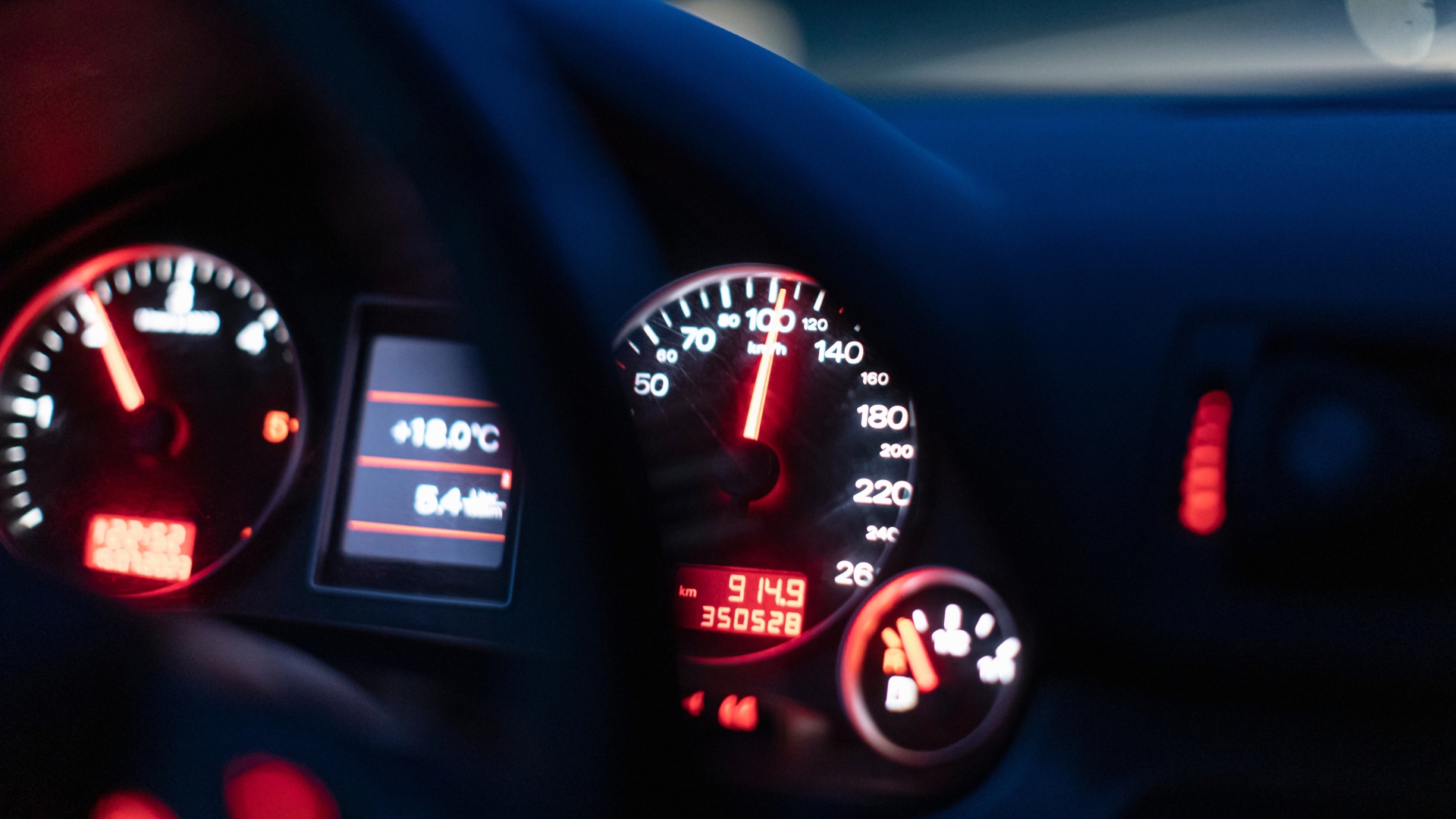
Current systems typically block a downshift unless there’s roughly a 1,000-RPM cushion between the new gear’s engine speed and redline. Toyota’s patent describes shrinking that buffer to 500 RPM or less, and in some scenarios allowing a downshift even when it would momentarily push revs just past redline, betting that braking will pull speeds back down before real damage occurs.
Drivers Could Also Block Unwanted Upshifts Under Acceleration
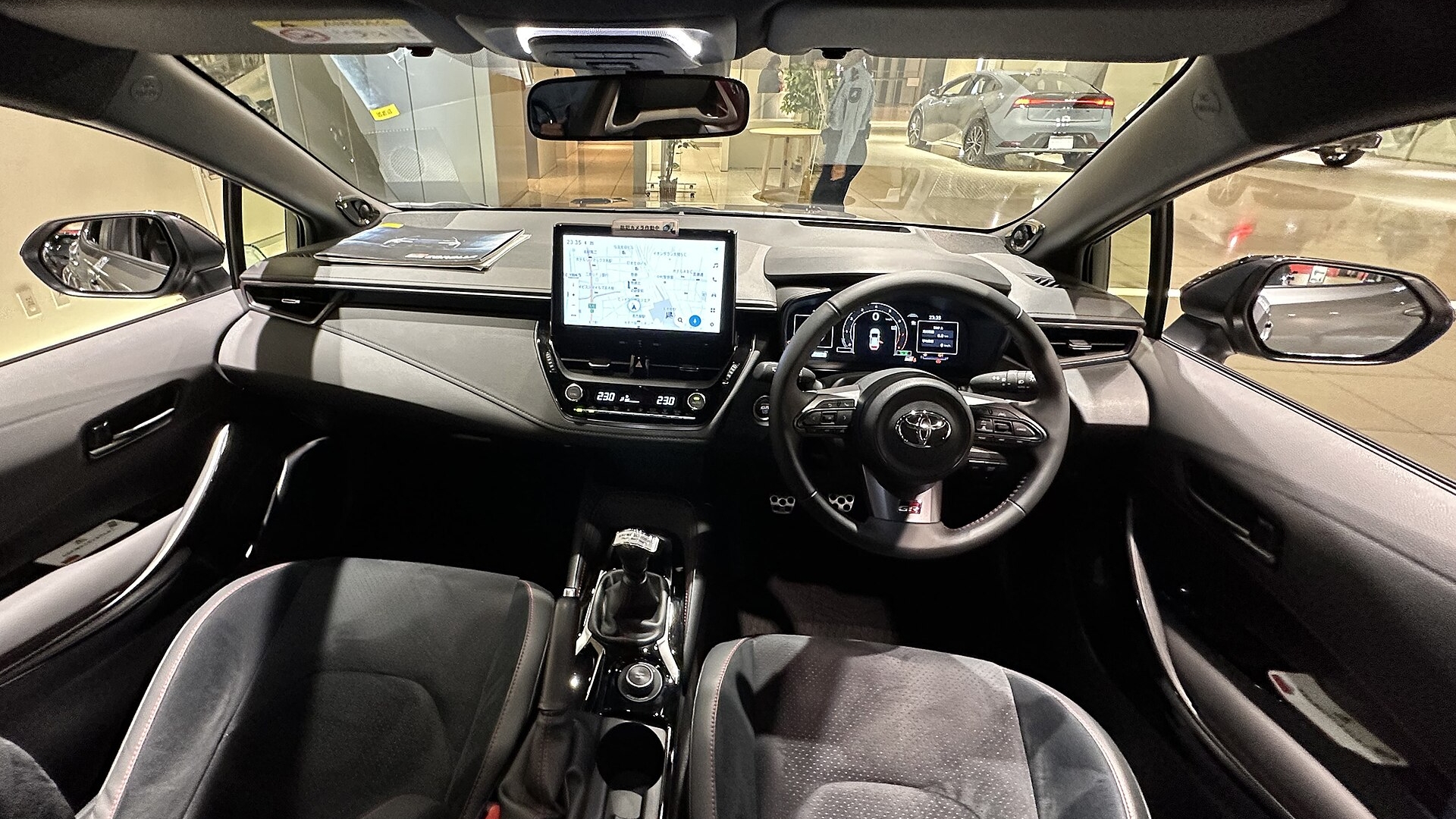
The same filing addresses the opposite complaint. Floor the throttle toward redline today, and most automatics upshift on their own whether the driver wants that or not. Toyota’s Motor1 interview with GR Corolla chief engineer Naoyuki Sakamoto shows how closely the company already studies driver complaints, and the patent extends that logic by letting a driver hold a gear through redline on demand.
A Mercedes From The 2010s Shows Why This Idea Is Risky
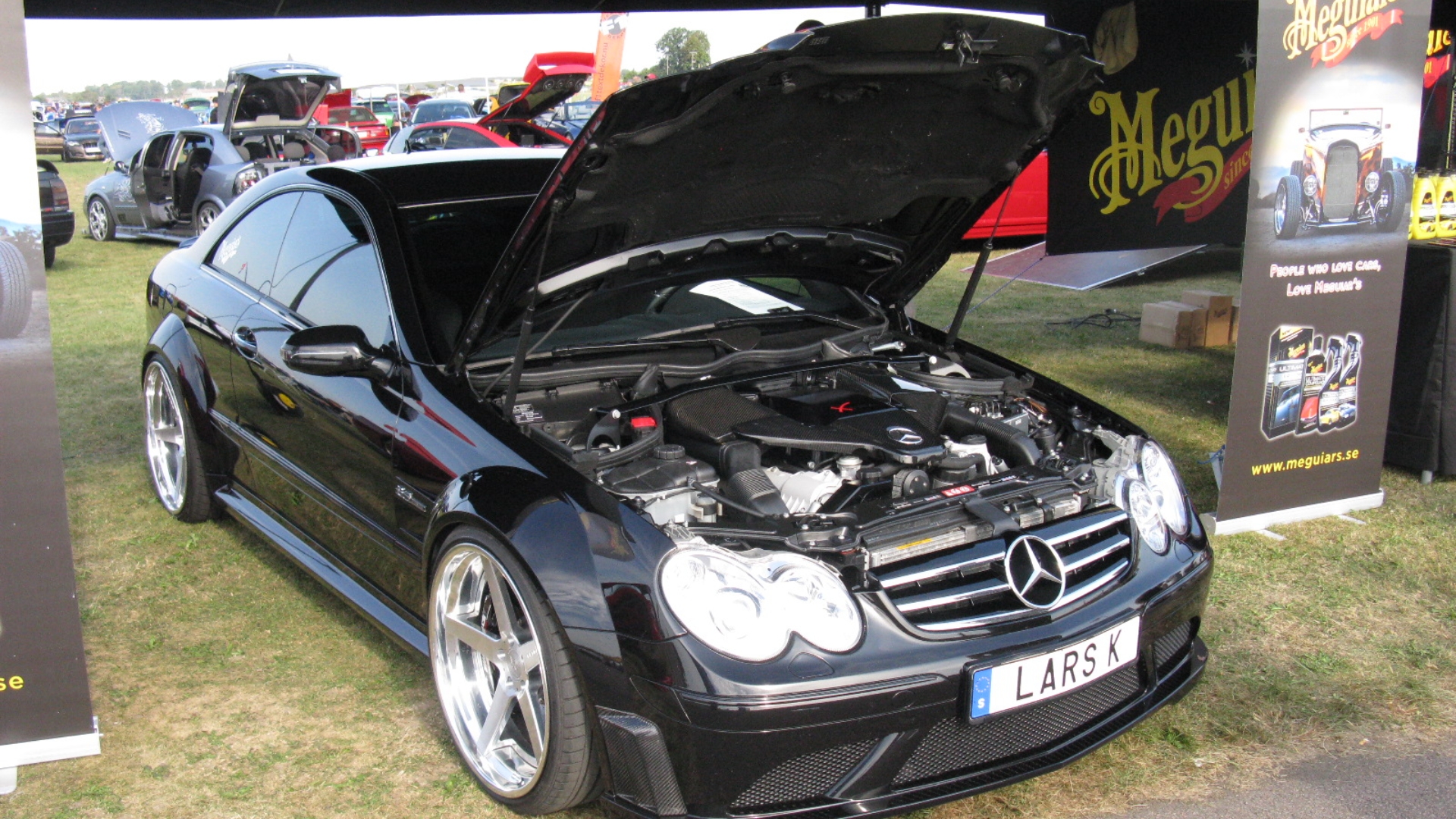
Stored shift requests aren’t new, and they haven’t always gone smoothly. The Mercedes-Benz CLK63 AMG Black Series used a similar trick in its automatic gearbox, banking a downshift and firing it off once revs dropped enough. Sometimes that delay stretched long enough that the shift landed at the worst possible moment, snapping the rear wheels into sudden grip and sending the car into a spin.
Toyota Will Have To Tune This System Very Carefully
A downshift firing off without warning does more than risk the engine. If it hits while a driver isn’t braced for it, the sudden wheel lockup can be enough to send a car off the road entirely. Toyota’s patent doesn’t specify exactly how the company plans to guard against that delay, which is precisely the detail that will determine whether this feature ever reaches customers.
A Patent Filing, Not Yet A Production Promise
Nothing in Toyota’s filing guarantees this system reaches showrooms. Patents describe what a company explored, not what it built. What it does confirm is Toyota’s continued bet that automatic transmissions can be engineered to feel as sharp as a dual-clutch or a manual, without asking drivers to learn a clutch pedal to get there.