Toxic Metals Found at Golf Course Used for White House Demolition Debris, Scientists Raise Health Concerns
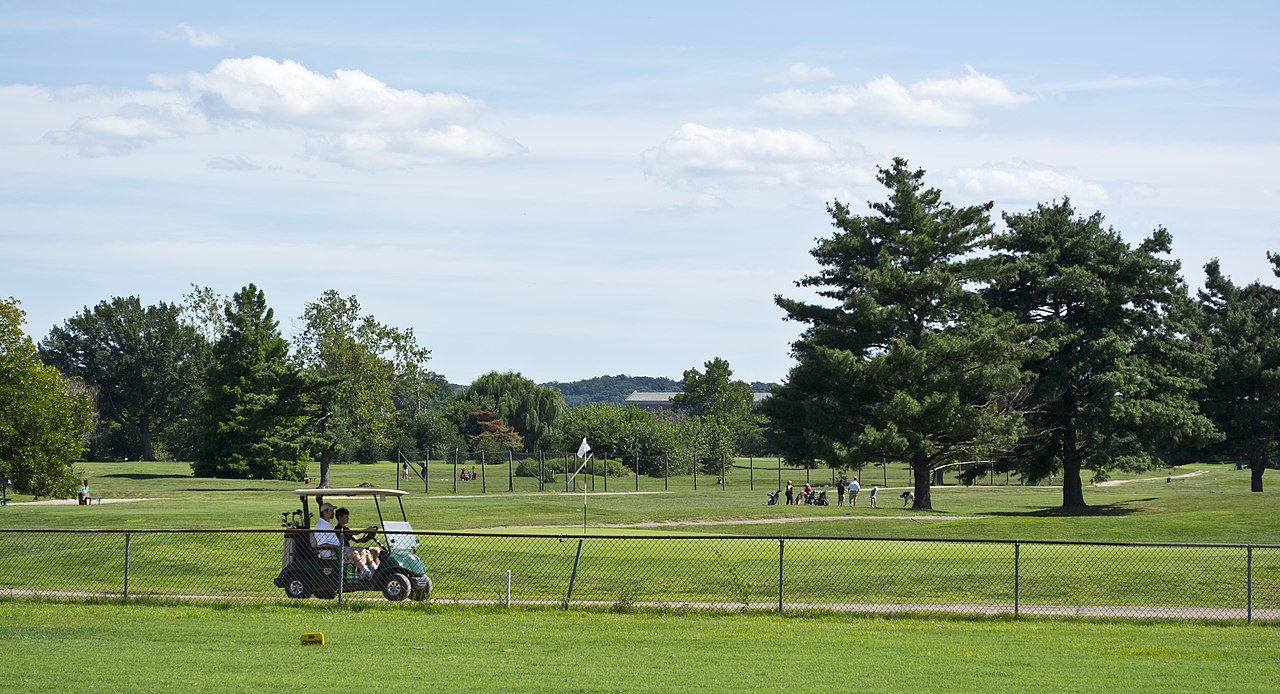

Golfers at East Potomac Golf Links in Washington recently found themselves playing beside massive dirt piles hauled from the demolished White House East Wing, the site cleared for President Donald Trump’s planned $400 million ballroom project. What initially looked like an unusual construction arrangement has now escalated into a broader environmental and political controversy after federal testing detected toxic substances in the debris.
Federal Testing Detected Heavy Metals And Chemicals
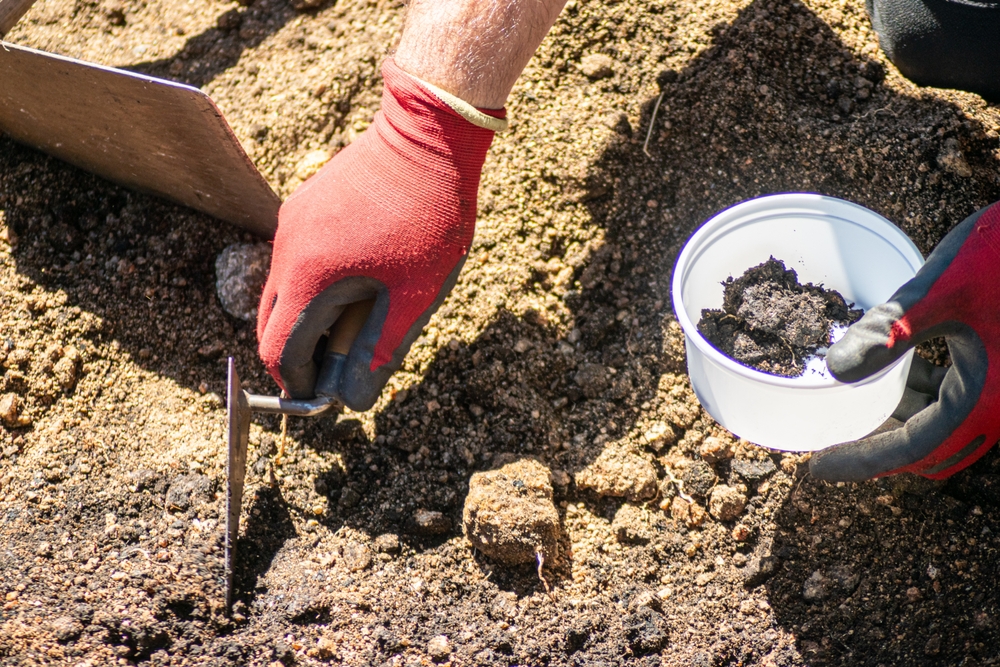
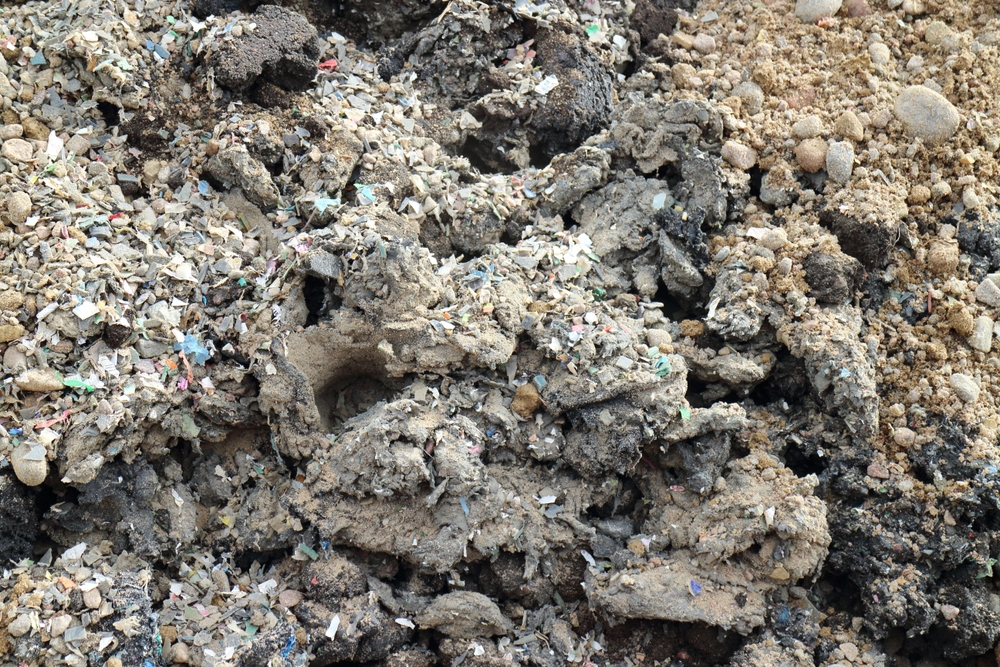
An interim report prepared by Jacobs Engineering Group for the National Park Service found lead, chromium, petroleum byproducts, pesticides, PCBs, and other contaminants in soil samples taken from the golf course stockpile area. The report examined more than 30,000 cubic yards of excavated material transported from the White House site beginning in October 2025. Scientists involved in environmental remediation say several of the detected substances are associated with long-term health risks when inhaled, ingested, or spread through groundwater and dust exposure.
Why Lead And Chromium Alarm Health Experts
Lead exposure is particularly dangerous for children because it can impair neurological development, lower IQ scores, and damage organs over time. Chromium compounds, depending on their form, can irritate the respiratory system and have been linked to cancer risks in occupational exposure settings. Environmental toxicologists note that risk depends heavily on concentration levels, exposure pathways, and whether contaminants remain contained. The Jacobs report stated that contaminants were detected “above laboratory reporting limits,” though a final health risk assessment has not yet been completed.
The White House Says The Site Passed Safety Standards
The Interior Department and National Park Service have strongly defended the operation. Officials said the excavated soil was tested “multiple times by multiple parties” and met all legal requirements for transfer and storage. The government also argued that some contaminants detected in the stockpile were already present in baseline soil samples collected from the golf course area before dumping began. Jacobs Engineering similarly noted that comparisons between existing site conditions and the imported soil remain ongoing pending a final memorandum.
Preservation Groups Are Escalating Their Legal Fight

The DC Preservation League has challenged both the dumping operation and the Trump administration’s broader redevelopment plans for East Potomac Golf Links. The nonprofit argues the debris transfer may violate the National Environmental Policy Act and the National Historic Preservation Act. Executive director Rebecca Miller said golfers have already been forced to walk around visible debris piles scattered throughout the public course. Democracy Forward, which is representing the preservation group in court, accused the administration of dumping “a cocktail of contaminants” while continuing operations despite warning signs in the testing data.
A Judge Is Warning The Administration To Slow Down

US District Judge Ana Reyes has emerged as a central figure in the dispute. During a recent hearing, Reyes warned federal officials against moving too quickly with construction activity or major alterations at the golf course without notice to the court. She specifically cautioned against aggressive tree removal or sudden redevelopment actions while litigation remains active. Reyes compared the increasingly chaotic dispute to an episode of the television series Parks and Recreation, signaling growing judicial frustration with the administration’s handling of public land projects in Washington.
The Golf Course Itself Is Politically Sensitive

East Potomac Golf Links is not just another recreational property. Opened more than a century ago, the municipal course has historically been one of Washington’s most affordable and publicly accessible golf facilities. Trump’s administration has proposed transforming it into a professional-level course as part of a broader redesign of federal spaces near the National Mall. Critics argue that replacing a low-cost public course with a more elite destination would fundamentally alter the site’s character and accessibility.
The Ballroom Project Already Faced Political Backlash
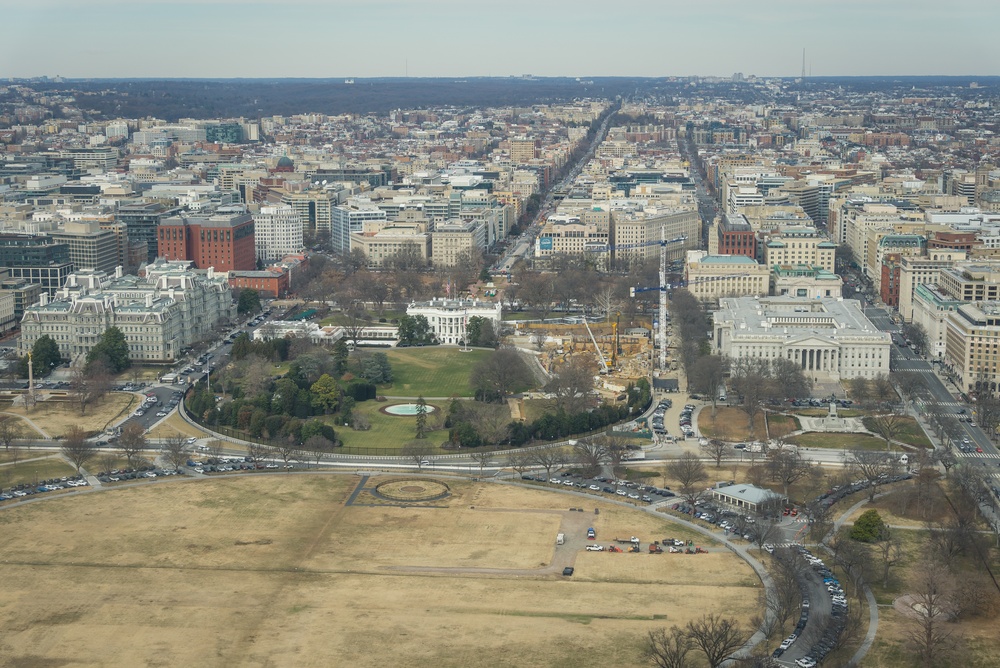
The environmental controversy arrives as scrutiny intensifies around the White House ballroom project itself. The East Wing demolition shocked preservation advocates last year because earlier administration statements suggested the structure would remain intact during renovations. Costs tied to the ballroom have also steadily climbed from initial estimates near $200 million to roughly $400 million, while congressional Republicans are now proposing additional taxpayer-funded security upgrades linked to the project.
Scientists Say Final Risk Levels Still Need Clarification

Environmental engineers caution that detecting contaminants does not automatically mean the public faces imminent danger. The unanswered question is whether the chemicals exist at concentrations capable of causing harmful exposure through air, soil contact, or runoff into nearby waterways along the Potomac River basin. Jacobs Engineering emphasized that additional sample analysis remains unfinished, including 14 surface samples collected in April 2026 that were not included in the interim report. The company said a final evaluation will determine whether contaminant levels exceed ecological or human health screening thresholds established by federal agencies.
The Next Phase Could Shape Future Federal Projects
The dispute now stretches beyond one golf course or one ballroom. Preservation groups are testing how aggressively federal administrations can reshape historic public spaces without extended environmental review, while courts are increasingly being asked to referee redevelopment battles tied to presidential legacy projects. The final environmental findings, combined with ongoing litigation over East Potomac Park, could influence how future administrations handle demolition waste, historic preservation rules, and public land redevelopment around some of the country’s most symbolic federal properties.