Too Much Heat? Deforestation Is Already Driving Deadly Temperatures


Deforestation is reshaping more than landscapes. It is altering local climates in ways that directly affect human survival. Researchers analyzing tropical regions across Latin America, Africa, and Southeast Asia found that removing tree cover significantly increases local temperatures. Without forests to provide shade and release moisture into the air, heat accumulates rapidly near the ground.
Trees act as natural air conditioners. Through evapotranspiration—a process where water is released from leaves into the atmosphere—they cool surrounding areas. Trees act as natural air conditioners, cooling their surroundings by releasing moisture into the air—a process that can lower local temperatures significantly compared to cleared land.
When forests are removed, that cooling system disappears. Studies show deforested land can warm more than three times faster than areas where forests remain intact. The result is a sharp rise in localized heat, intensifying already high temperatures in tropical regions.
A Hidden Toll: Thousands of Heat-Related Deaths
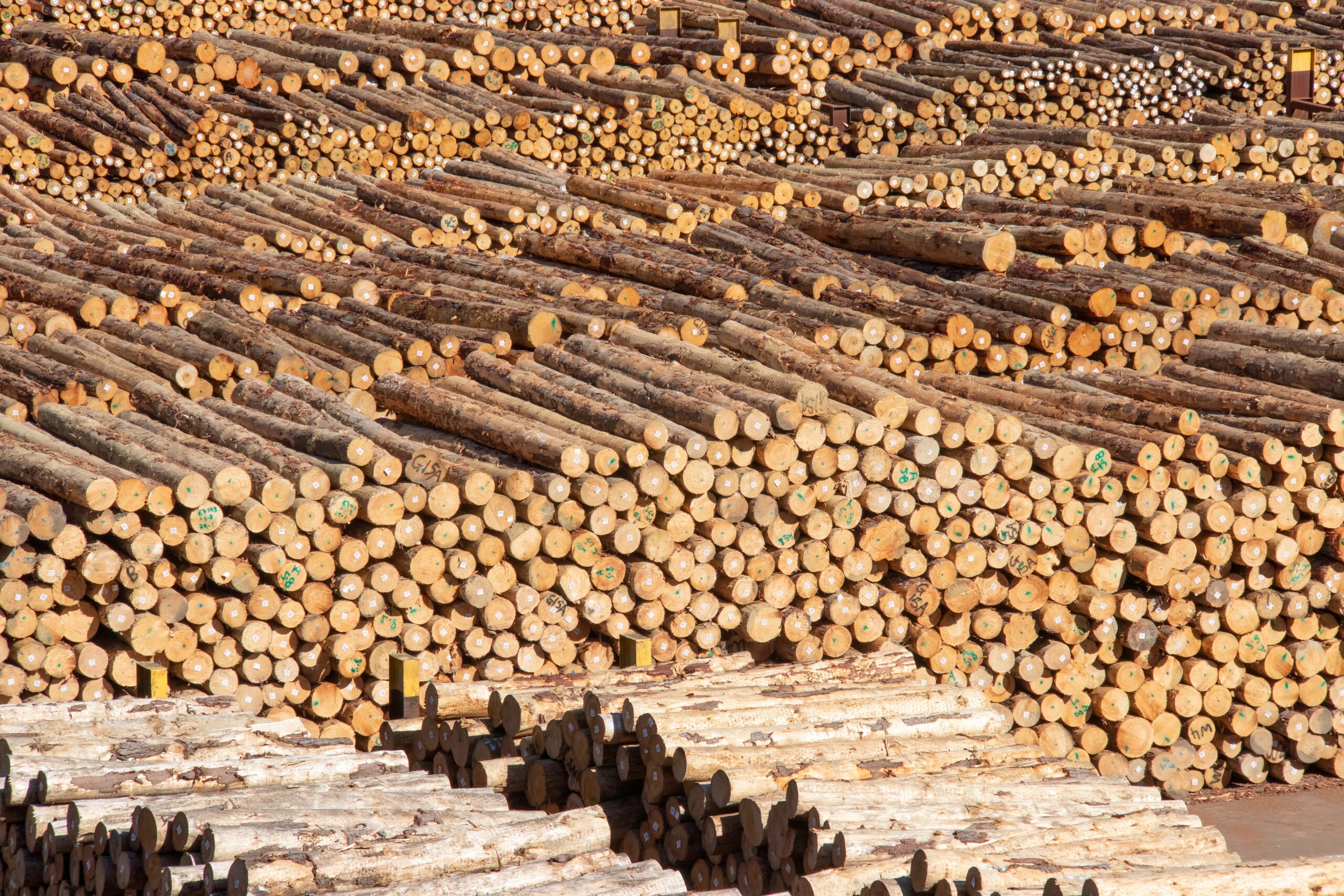
The consequences of this warming are not abstract—they are measurable in human lives. Research published in Nature Climate Change estimates that deforestation-related temperature increases are linked to approximately 28,000 heat-related deaths each year.
In areas where forests have been cleared, more than one-third of all heat-related deaths can be attributed to deforestation alone. This finding shifts the narrative around forest loss, framing it not only as an environmental issue but as a pressing public health crisis.
Heat exposure can lead to a range of health problems, from dehydration and heat exhaustion to cardiovascular complications. In extreme cases, the body’s ability to regulate temperature fails. For communities already facing high baseline temperatures, even small increases can push conditions into dangerous territory.
Millions Exposed, Most With Few Protections
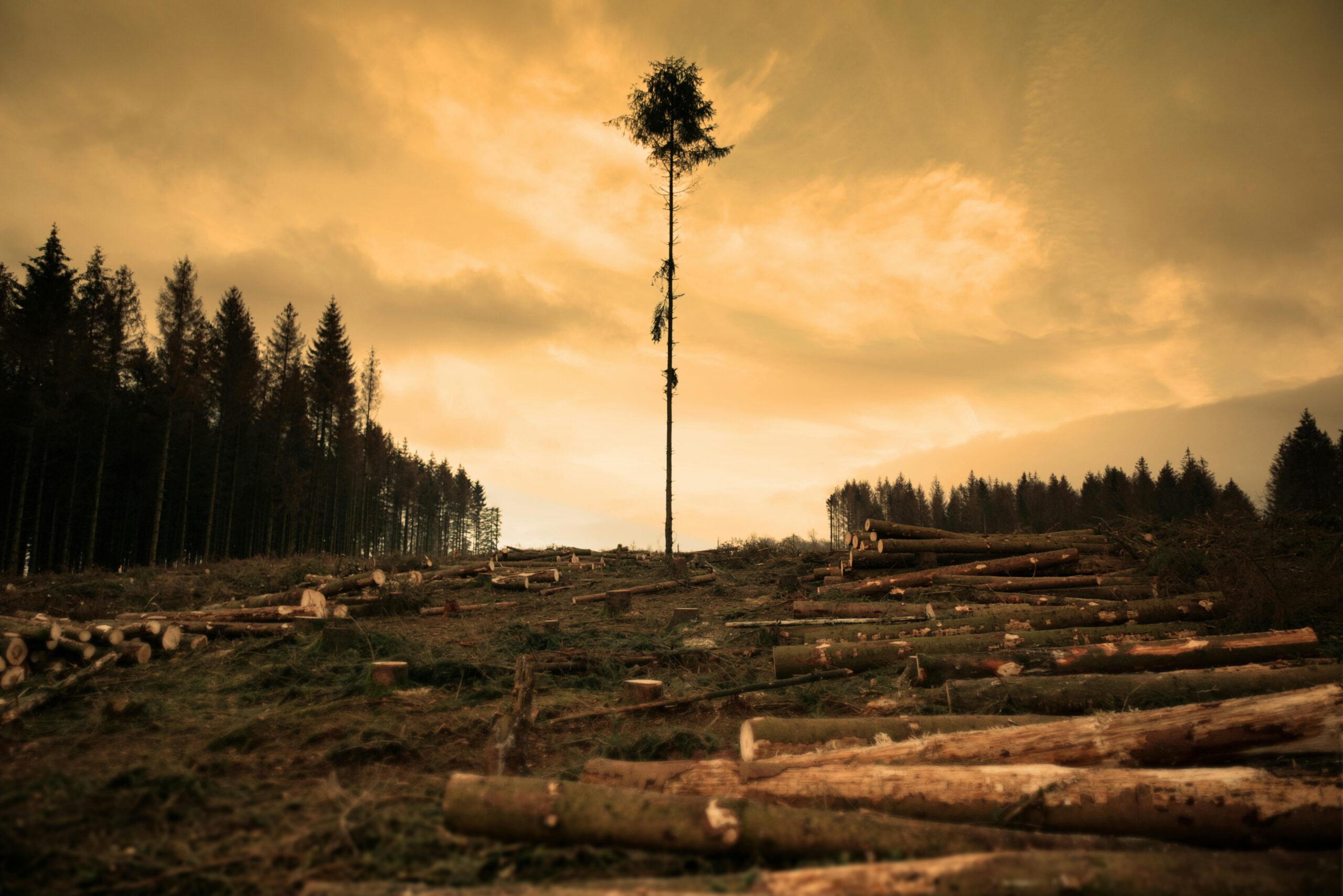
The impact of deforestation-driven heat is widespread. More than 300 million people have been exposed to higher temperatures as a result of forest loss, with particularly large populations affected in Indonesia, the Democratic Republic of Congo, and Brazil.
These effects are not evenly distributed. Rural and low-income communities are often the most vulnerable, as they tend to live closest to deforested areas and have limited access to healthcare, cooling systems, or reliable electricity. Many people in these regions also work outdoors, increasing their exposure to extreme heat.
Data shows that densely populated areas often overlap with regions experiencing intense warming from deforestation, creating heightened risks for nearby communities. This overlap creates a dangerous combination of environmental change and social vulnerability, amplifying the risk of heat-related illness and death.
A Preventable Crisis With Global Implications
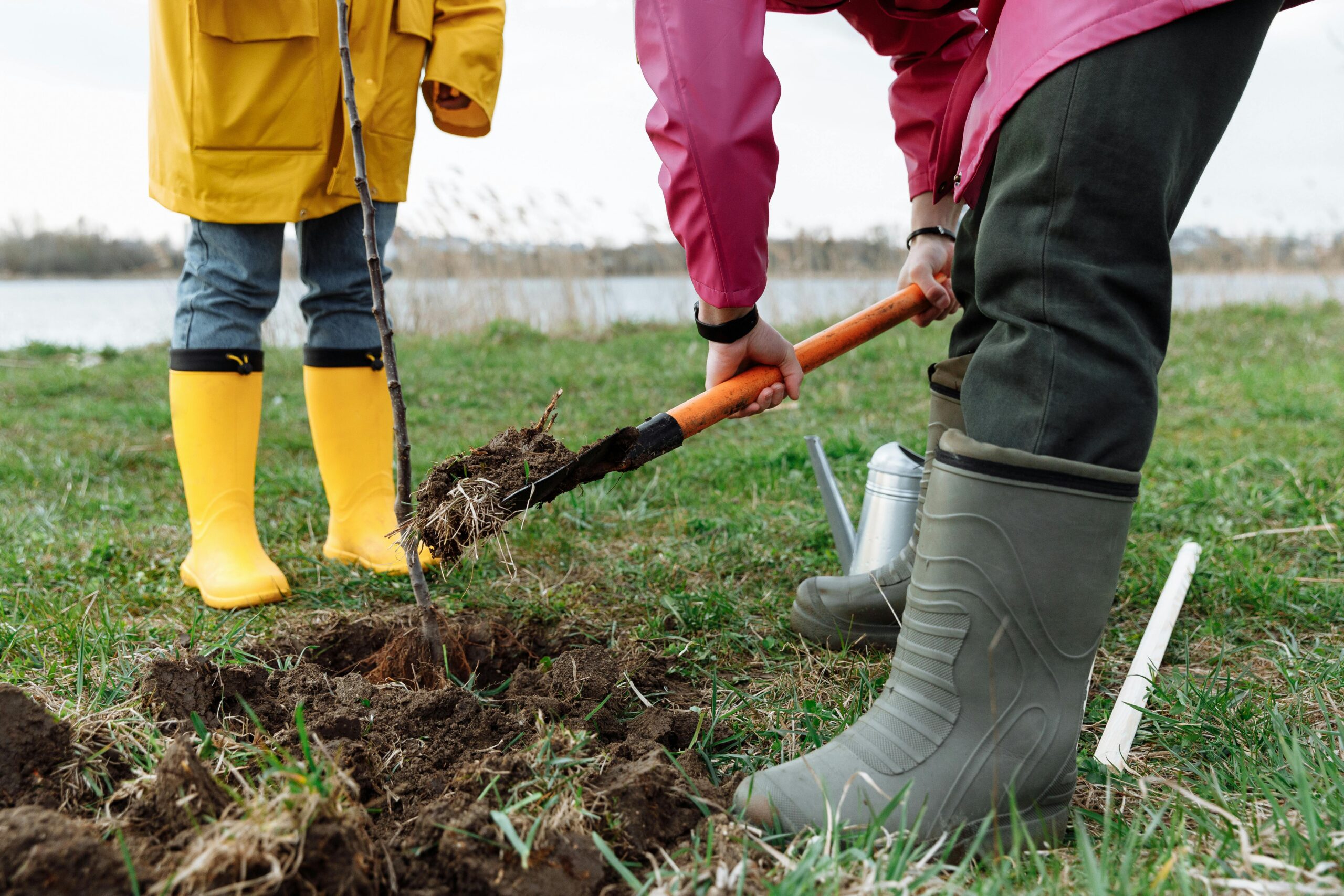
Despite the scale of the problem, researchers stress that the risks are not inevitable. Protecting and restoring forests can help stabilize local temperatures and reduce heat exposure for nearby populations. Forest conservation is increasingly being viewed not just as climate policy, but as a life-saving public health intervention.
Scientists argue that deforestation should be addressed alongside other climate mitigation strategies, with a stronger focus on its immediate local impacts. Some governments and international initiatives are beginning to recognize this, offering financial incentives to preserve forests and support sustainable land use.
Looking ahead, the challenge lies in balancing economic development with environmental protection. The evidence suggests that preserving tropical forests does more than safeguard ecosystems—it helps protect the health and lives of millions already living on the front lines of rising heat.