This Map Reveals America’s Most Boring Cities
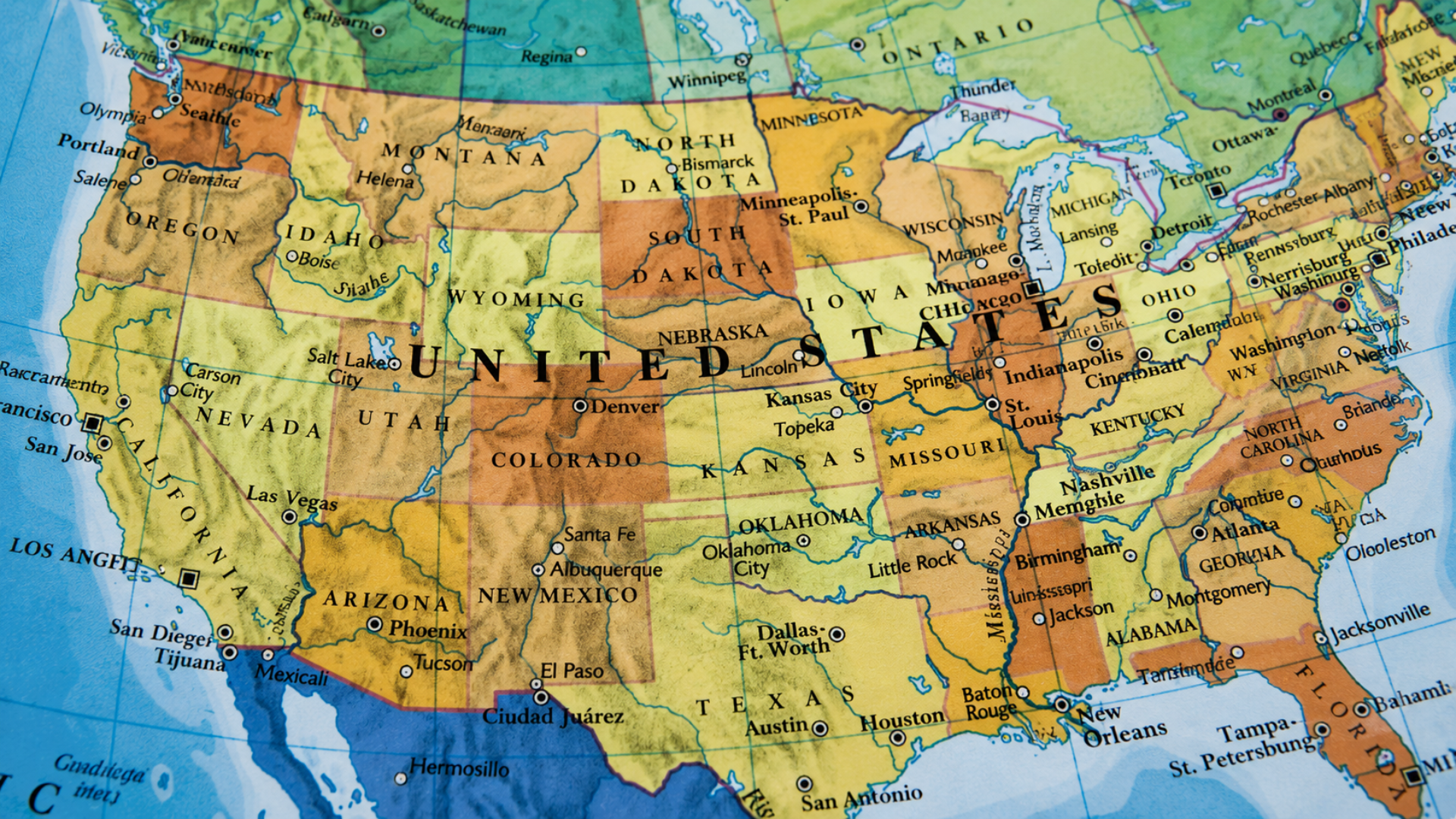

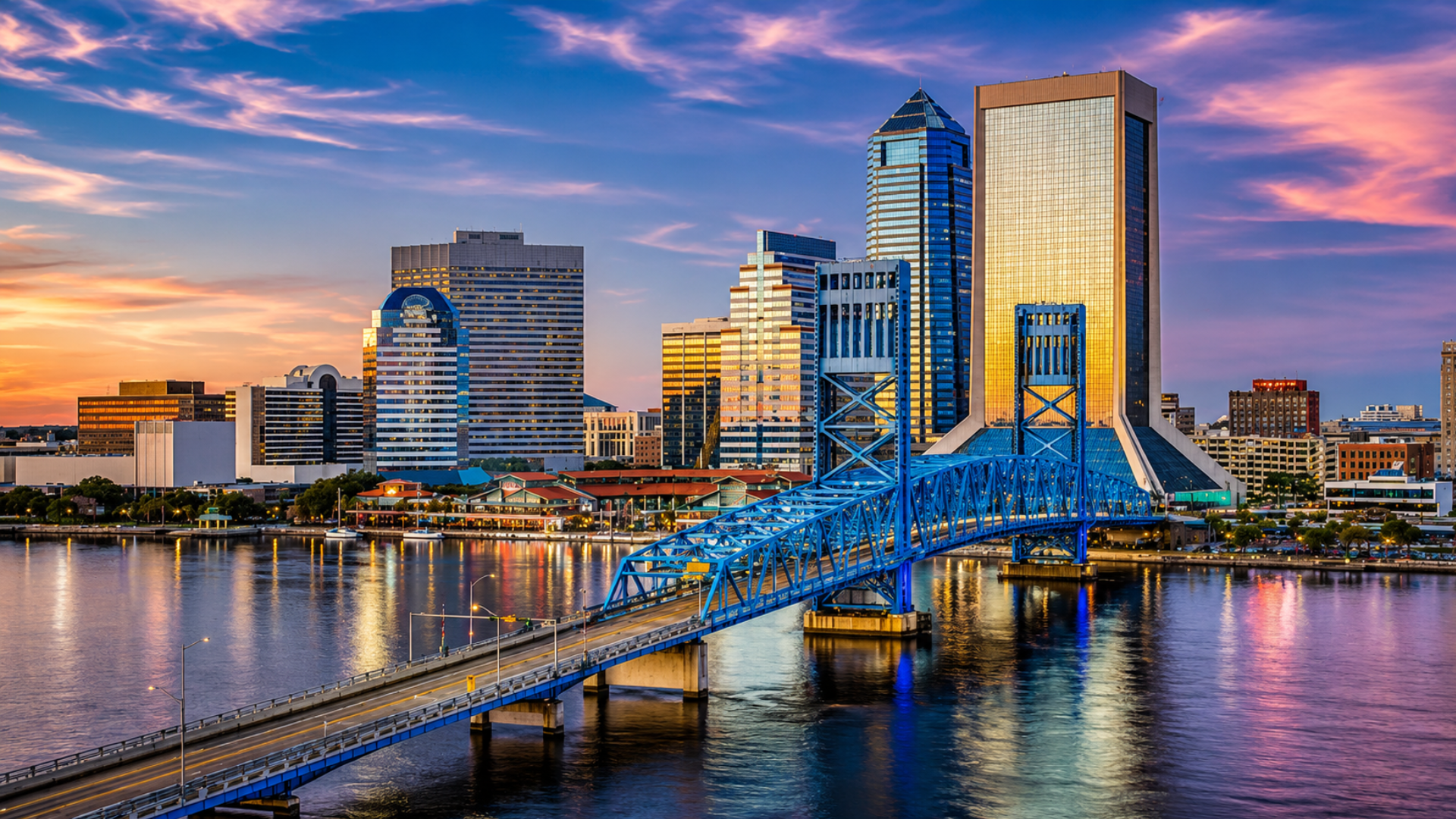
Jacksonville, Florida calls itself the “Bold New City of the South.” Nearly 1 million people live there. None of that stopped a new ranking from crowning it the most boring city in the entire country. FinanceBuzz combed through data on 75 major U.S. cities, scoring each one on how much excitement it actually offers residents and visitors. Jacksonville came in dead last. Here’s exactly how that happened, and which other cities landed nearby.
How Researchers Measured “Boring”
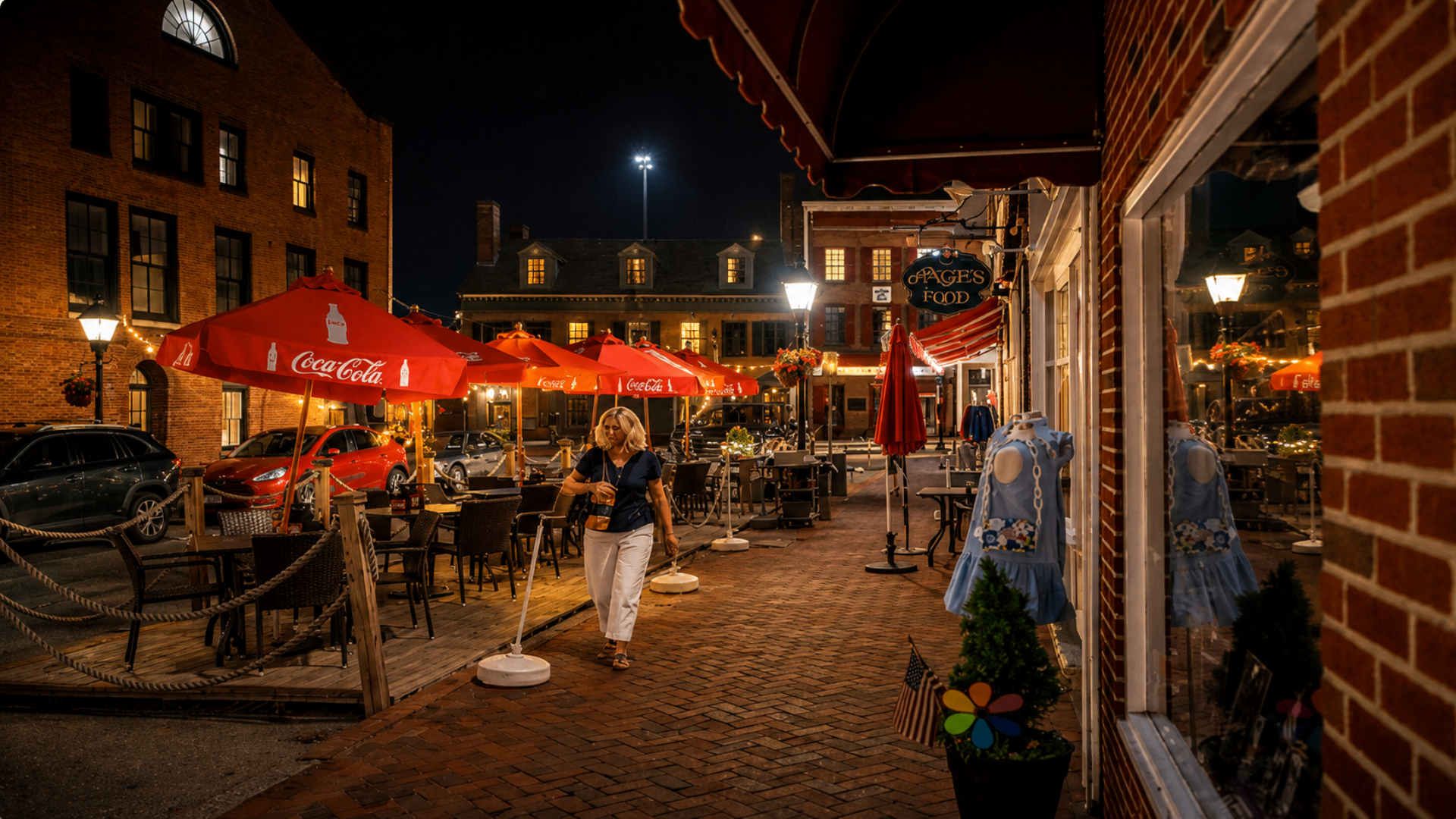
FinanceBuzz built its ranking around five categories: population makeup, culinary scene, outdoor activities, nightlife and celebrations, and things to do. Population makeup tracks how many young residents a city has, since younger crowds tend to chase faster-paced spots. The culinary scene measures hip, trendy, and award-winning restaurants. Outdoor activities count green spaces, while nightlife and celebrations track venues and events. Things to do covers attractions for locals and tourists alike. Every city got scored across all five.
The Full List of America’s Ten Most Boring Cities
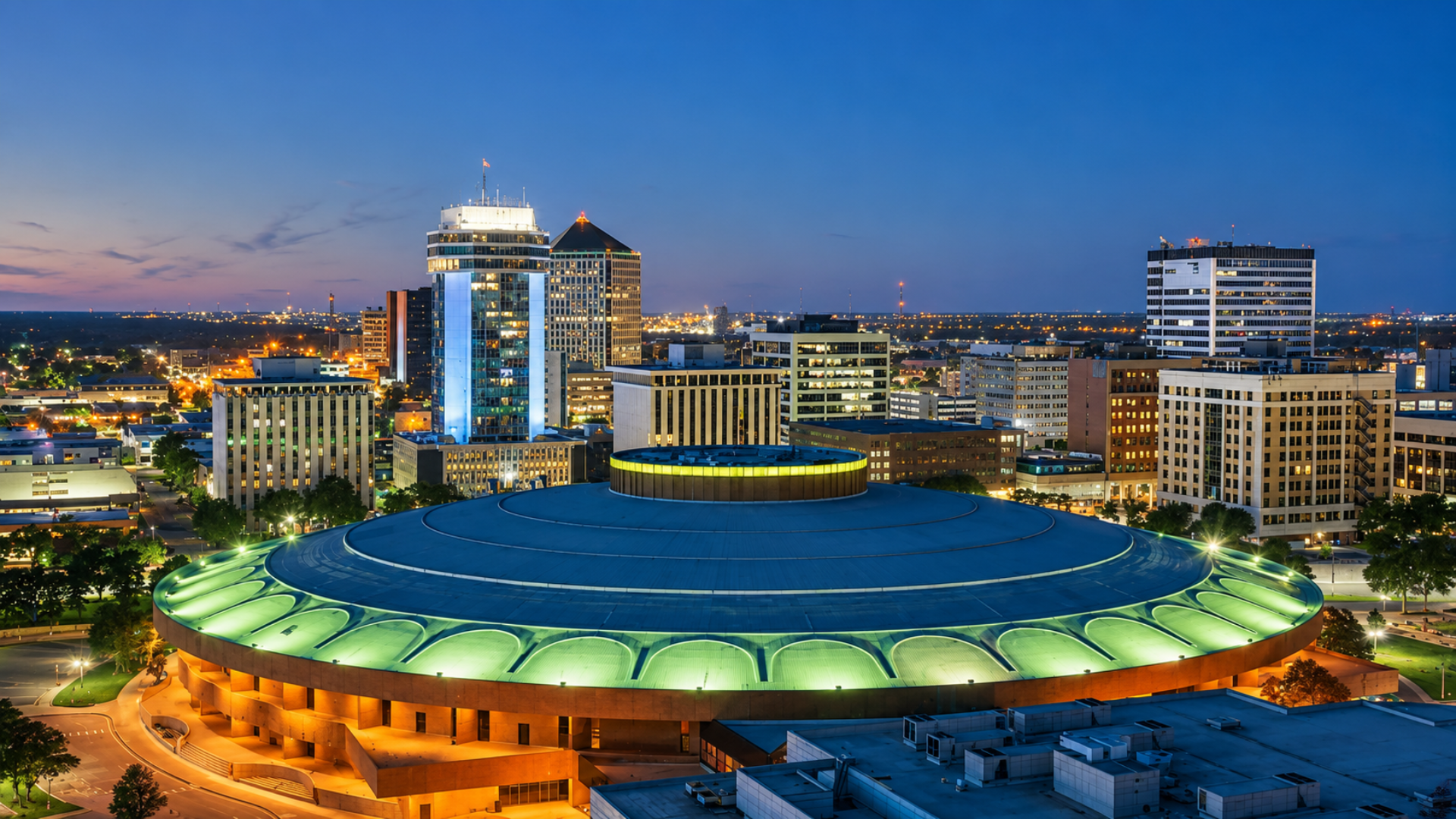
Jacksonville topped the list, followed by Wichita, Kansas; Corpus Christi, Texas; Sioux Falls, South Dakota; Memphis, Tennessee; San Antonio, Texas; Oklahoma City, Oklahoma; Columbus, Ohio; Tallahassee, Florida; and Phoenix, Arizona. Ten more cities rounded out the bottom twenty, including Albuquerque, Louisville, Colorado Springs, and Houston. Florida and Texas, two of the fastest-growing states in the country, each landed two cities on the list despite booming populations and warm-weather appeal.
Why Jacksonville Landed at Rock Bottom
Jacksonville is the largest city by area in the entire nation, but only the 10th largest by population. That means people are spread thin across nearly 875 square miles, leaving fewer nightclubs and standout restaurants per resident. 54% of all restaurants in the city are chains, tied for the fourth-highest rate nationwide. Jacksonville also has the third-lowest rate of nightclubs and fourth-lowest rate of concert venues per capita of any city studied.
Wichita and Sioux Falls Share a Chain Restaurant Problem
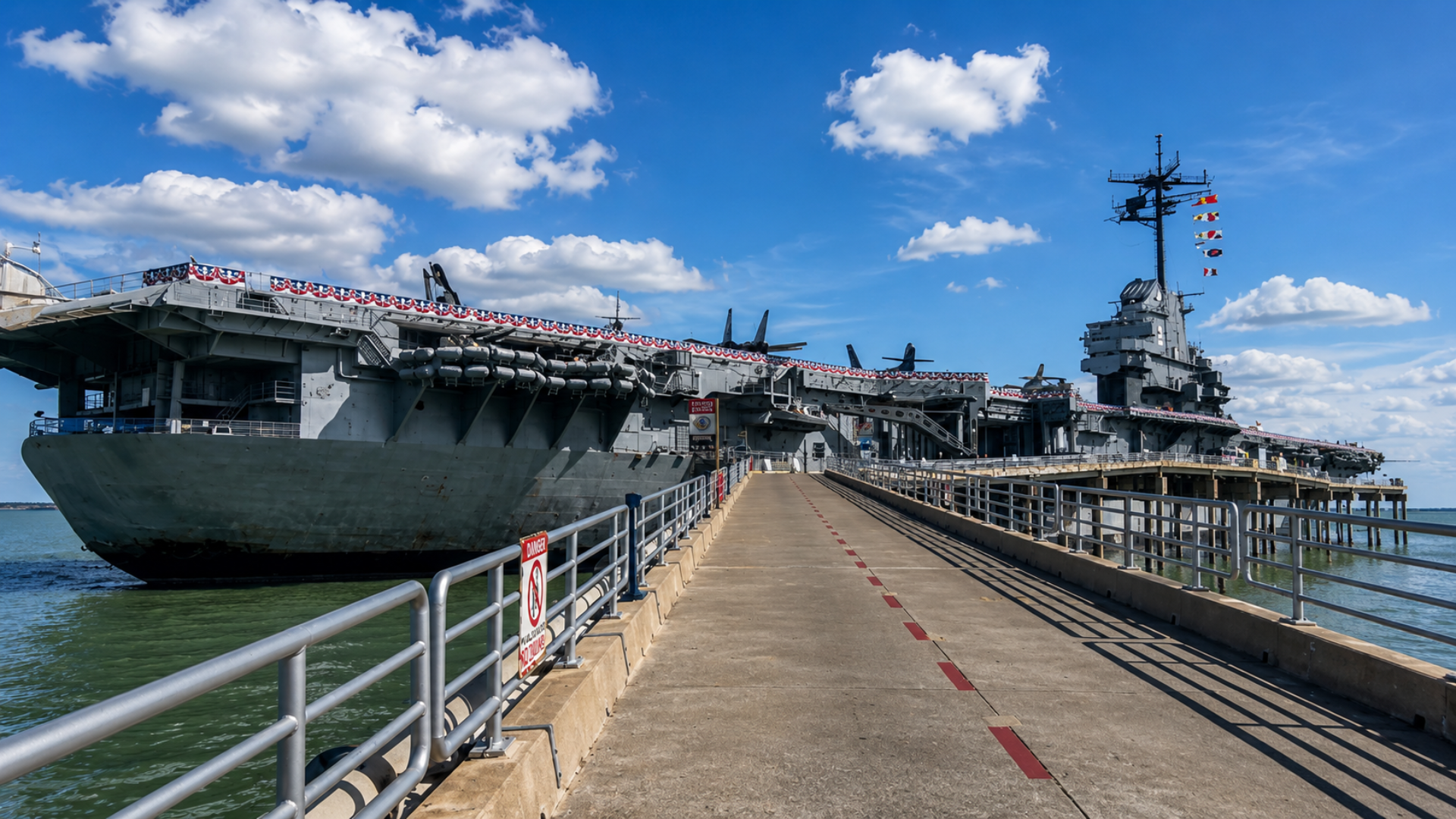
Wichita is the most populous city in Kansas, yet more than half its restaurants are chains, and it has one of the lowest rates of international visitors in the country. Sioux Falls fares even worse on that front: 58% of its eateries are chains, the highest share nationwide. The South Dakota city does earn some credit for restaurants recognized by the James Beard Foundation, but visitor attractions remain thin on the ground.
Corpus Christi and Memphis Fall Short on Attractions
Corpus Christi ranks in the bottom 15 for sports teams and bottom 10 for must-do attractions per capita, with little to excite adventurous eaters either. Memphis surprises many given its music legacy, but it landed on the list for a different reason: a shortage of hiking trails, parks, and green spaces where residents can unwind. The city also has the 12th-fewest annual events and celebrations relative to its population size.
San Antonio and Oklahoma City Struggle After Dark
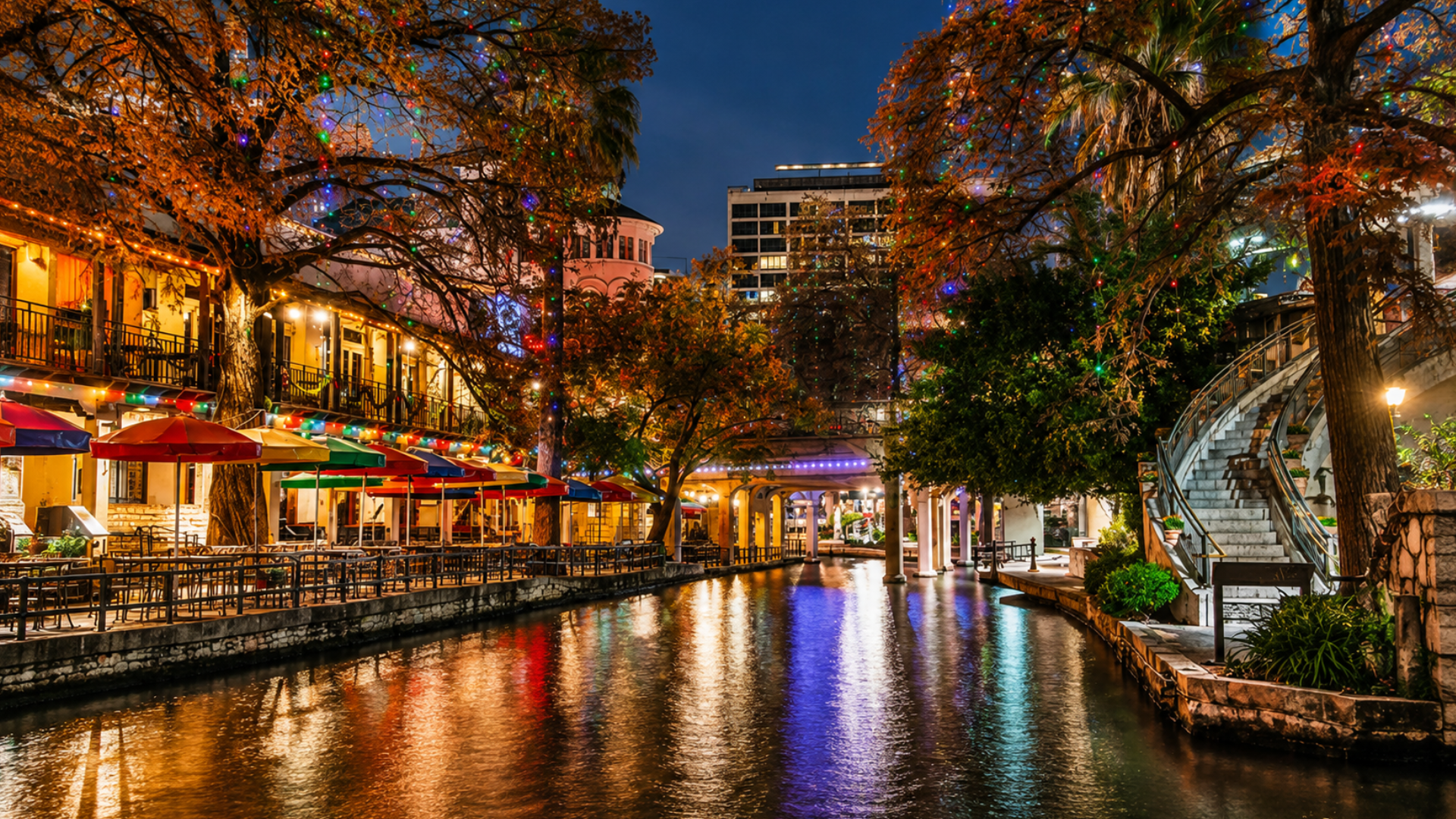
San Antonio boasts real attractions, yet the city ranked in the bottom 10 for every single nightlife data point FinanceBuzz measured, including nightclubs, celebrations, and concert venues per capita, despite a young population eager for options. Oklahoma City has similar gaps: 53% of its restaurants are chains, green space is limited, and it draws the third-lowest rate of international tourists of any city in the ranking.
College Towns Columbus and Tallahassee Still Miss the Mark
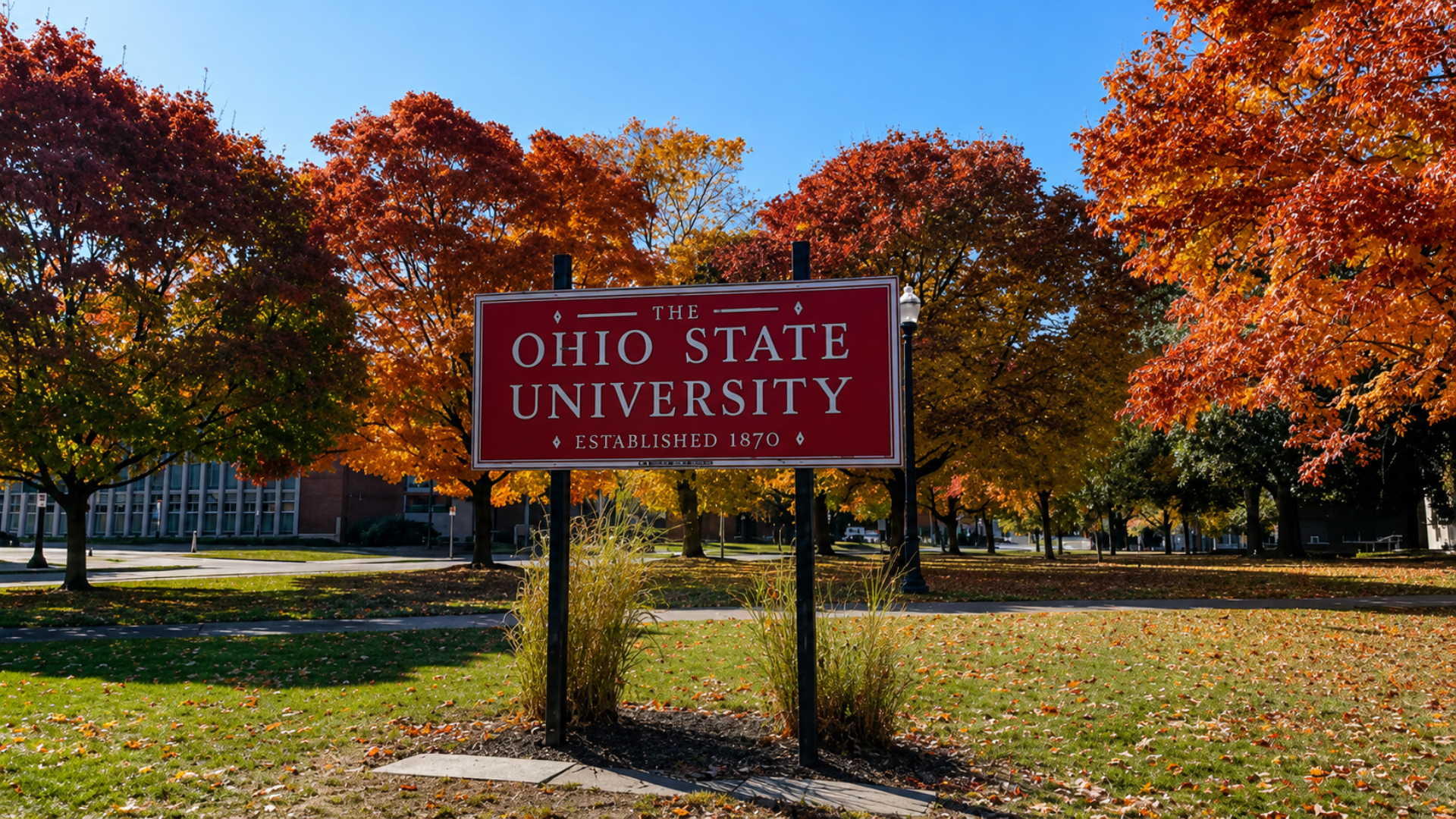
Columbus houses Ohio State University’s massive student body, yet it ranks among the 20 lowest-scoring cities for amusement spots and must-see attractions, with the 14th-lowest nightclub rate nationwide. Tallahassee, home to Florida State University, has zero award-winning restaurants and sits in the bottom five for sports teams to watch. Both cities prove that a large student population alone doesn’t guarantee an exciting scene.
Phoenix Rounds Out the List, But Not All of Florida Is Boring
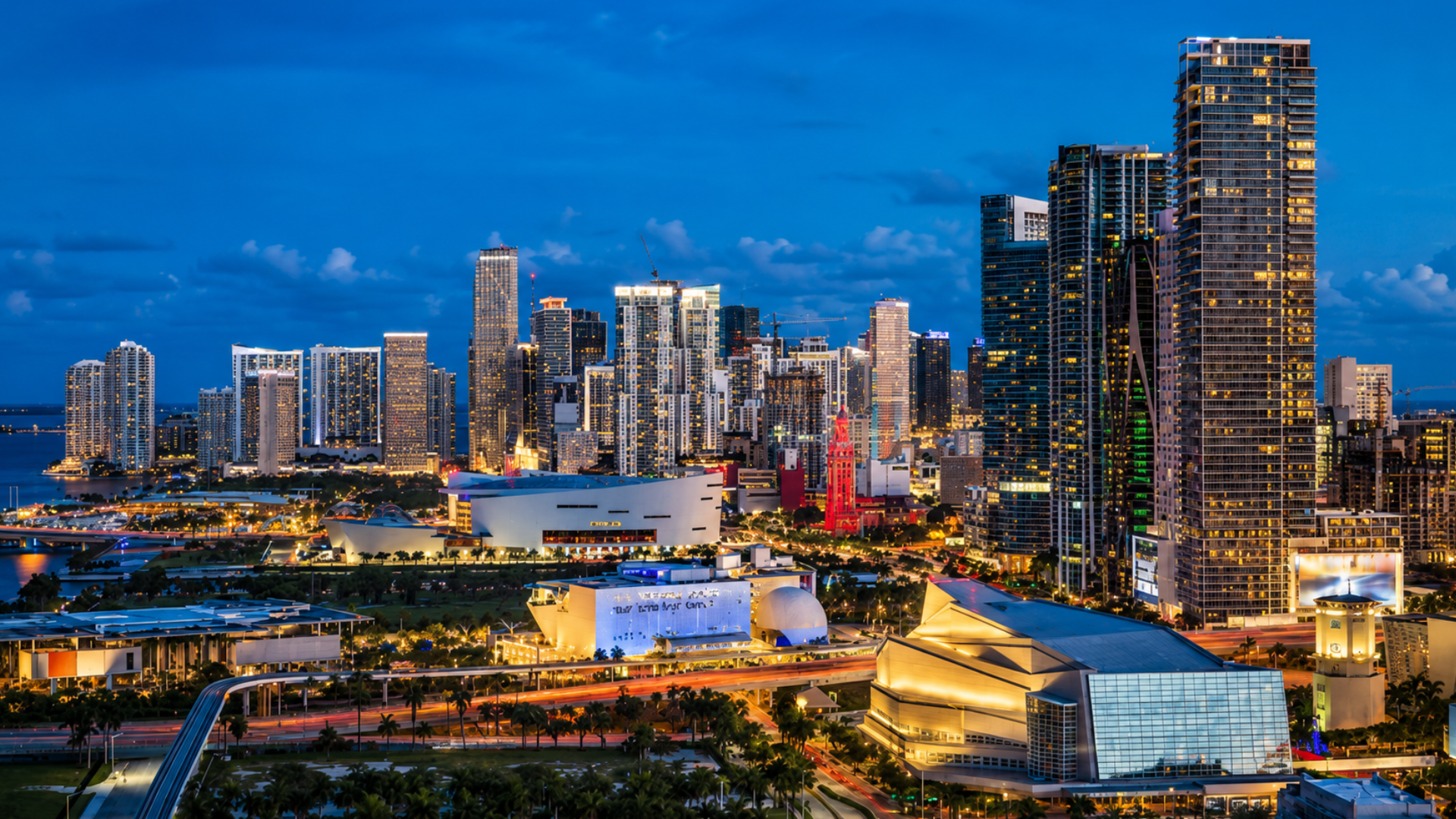
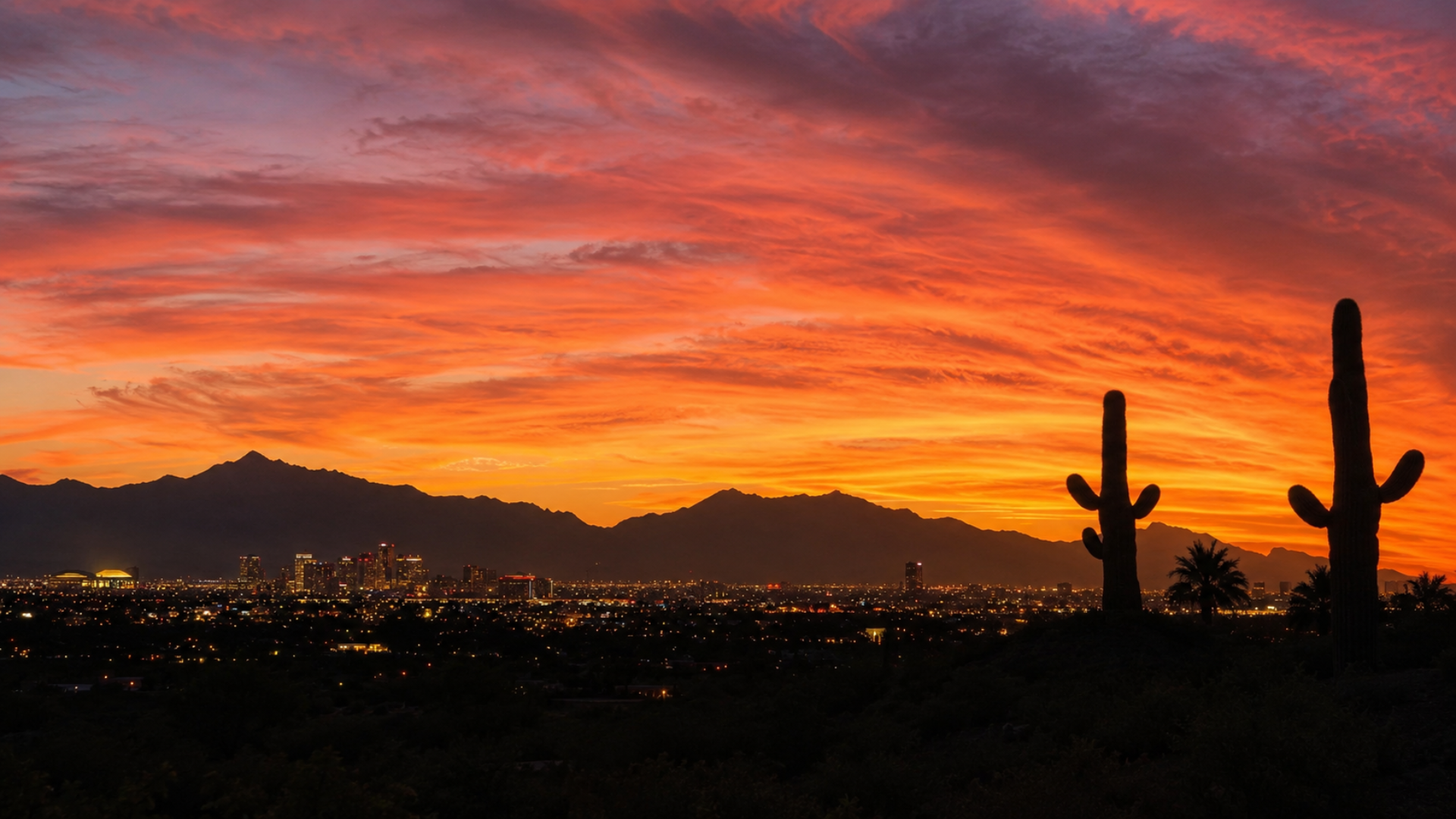
Phoenix closes out the top 10 with just 1.7 concert venues per 100,000 residents, the third-lowest rate in the country, plus the sixth-lowest rate of annual celebrations per capita. Interestingly, Florida isn’t boring across the board. While Jacksonville and Tallahassee struggled, Newsweek’s coverage of the study notes Miami and Orlando rank among the nation’s most exciting cities, proving location alone doesn’t decide a city’s fate.
What This Ranking Really Says About American Cities
Size and population don’t guarantee excitement. Jacksonville has land, people, and history, but low density scattered its restaurants, nightlife, and attractions too thin to register. The same pattern repeats across the list: chain restaurants replace local flavor, green spaces disappear, and nightlife shrinks. FinanceBuzz’s data makes one thing clear: a city’s energy comes from concentration and investment in culture, not just its size on a map.