This Ford Diesel Problem Could Leave Car Owners With a $9,000 Repair Bill


Ford is facing a major legal challenge over an alleged defect in diesel fuel pumps that could leave some truck owners with repair bills exceeding $9,000. A federal judge recently allowed portions of a class-action lawsuit to move forward, bringing renewed attention to concerns involving the Bosch CP4 high-pressure fuel pump used in certain Ford trucks equipped with 6.7-liter Power Stroke diesel engines. Plaintiffs claim the component can fail unexpectedly, potentially contaminating the fuel system and leaving drivers with expensive repairs or disabled vehicles. Ford disputes the allegations, and the court’s decision does not mean the company has been found responsible for a defect.
A Federal Judge Allowed the Lawsuit to Move Forward

On September 30, 2026, U.S. District Judge Laurie J. Michelson certified five classes in the lawsuit Droesser et al. v. Ford Motor Company, allowing qualifying truck owners to pursue certain claims collectively. The case was originally filed in 2019 and centers on allegations that Ford sold diesel-powered trucks with high-pressure fuel pumps that were not sufficiently durable under normal operating conditions. The judge also allowed several disputed claims to proceed while dismissing others, meaning important questions about the alleged defect remain unresolved. Class certification permits qualifying owners to pursue their claims together, but it is not a finding that Ford violated the law.
Certain Ford Super Duty Trucks Are at the Center of the Case

The lawsuit focuses on Ford trucks equipped with the 6.7-liter Power Stroke turbodiesel V8 engine and a Bosch CP4 high-pressure fuel pump. The September court ruling identifies vehicles beginning with the 2011 model year, while the litigation has specifically examined trucks from the 2011 through 2023 model years. Popular Super Duty models such as the F-250 and F-350 are among the vehicles associated with this engine, although eligibility for the certified classes depends on additional legal requirements. Owners should verify their truck’s engine, model year, purchase history, and repair records rather than assuming every Ford diesel vehicle is affected.
The Problem Involves a High-Pressure Diesel Fuel Pump
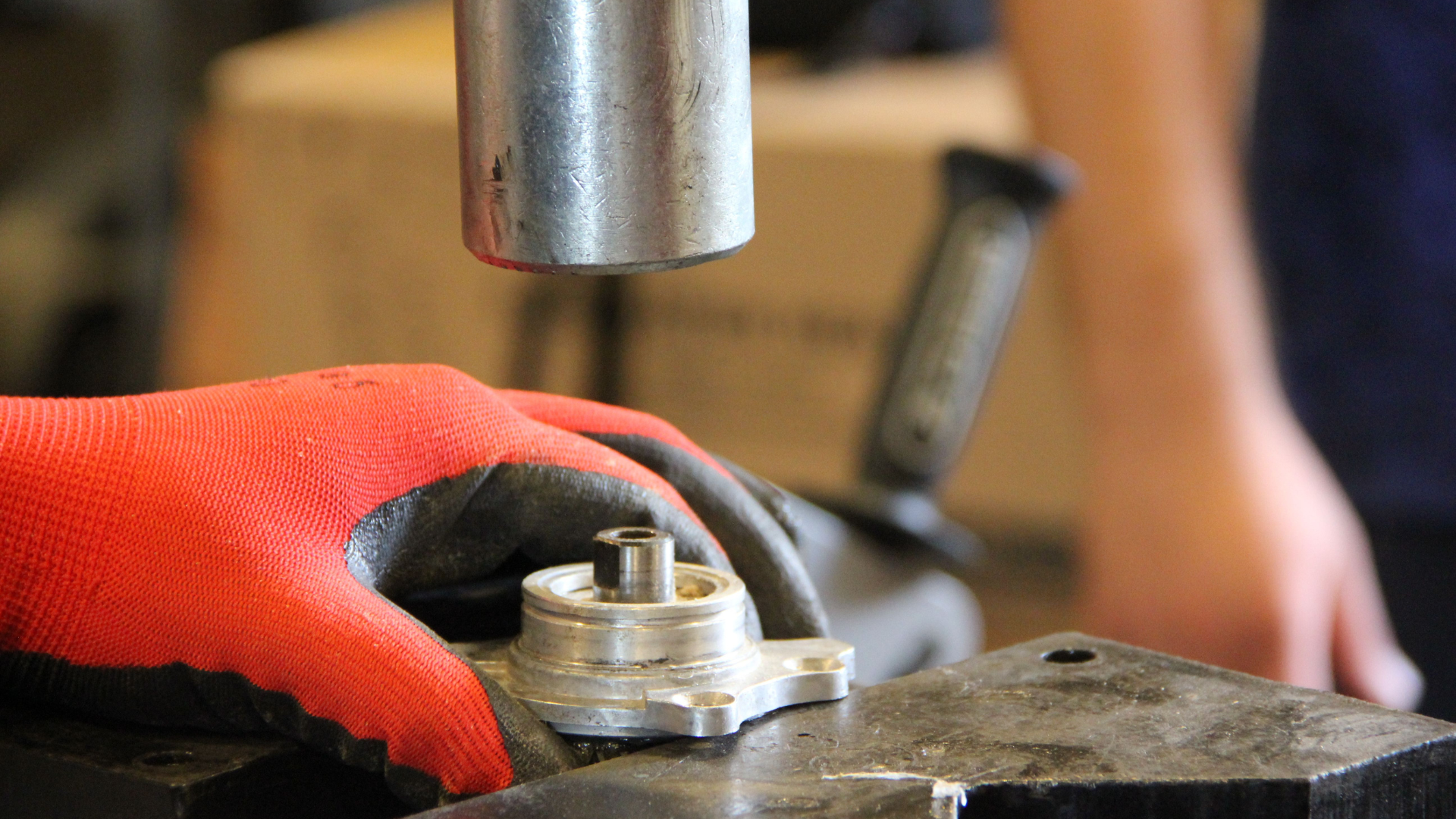
At the center of the dispute is the Bosch CP4 pump, a component responsible for delivering diesel fuel at extremely high pressure to the engine’s injection system. The plaintiffs argue that the pump is particularly vulnerable to wear because it depends on diesel fuel for lubrication and may not tolerate certain conditions encountered with fuel sold in the United States. According to their allegations, insufficient lubrication can create friction between internal components, eventually causing damage and pump failure. Ford disputes the claim that the pump has an inherent design defect, making the component’s reliability a central question in the ongoing litigation.
Repair Costs Could Exceed $9,000

The potential repair expense is one of the most alarming aspects of the case, with the plaintiffs describing bills exceeding $9,000 when fuel pump failure damages additional components. Court filings discuss repair costs reaching upward of $10,000, while attorneys representing owners have described possible expenses ranging from approximately $8,000 to $20,000 in serious cases. The final amount can vary depending on the extent of the damage, replacement parts, labor rates, and whether any warranty or recall coverage applies. These figures represent reported or alleged repair expenses rather than a guaranteed bill for every affected vehicle.
Ford Disputes the Allegations About the Pump’s Design

Ford has challenged the plaintiffs’ explanation of why the fuel pumps fail, arguing that factors such as contaminated fuel, improper maintenance, and other operating conditions can contribute to the problems owners describe. The automaker has also maintained that design improvements made to different versions of the CP4 pump reduced failure rates, while plaintiffs contend that the underlying vulnerability remains. These competing explanations are important because the lawsuit must establish more than the fact that some pumps have failed. The court has allowed certain claims to proceed so the disputed evidence can be examined further, rather than deciding that either side’s explanation has been conclusively proven.
Five States Are Included in the Certified Classes

The September 30 ruling certified classes involving qualifying purchasers in California, Louisiana, Ohio, Pennsylvania, and South Carolina. The court’s definitions generally involve owners who purchased eligible trucks in those states, paid out of pocket for CP4 repairs, and did not sign certain dealership arbitration agreements, although the exact requirements differ by class. This means the lawsuit’s current certified groups do not automatically include every Ford diesel owner nationwide, even if their vehicle has a similar fuel pump. Owners who believe they may qualify should review the court-approved class definitions and watch for official notices as the case progresses.
Ford Has Issued Related Fuel Pump Recalls

Ford has also issued recalls involving high-pressure fuel pump problems in certain diesel trucks, although those actions address a different mechanism from the design defect alleged in the class-action lawsuit. Recall 24V957 involved nearly 300,000 vehicles and addressed the possibility that biodiesel deposits could accumulate inside certain pumps, potentially causing a loss of drive power. A subsequent recall, 26V158, covered 9,839 vehicles that had previously received an incorrect repair under the earlier campaign. Owners can check their vehicle identification number through the National Highway Traffic Safety Administration’s recall database to determine whether their particular truck has an outstanding safety recall.
Owners Should Keep Repair Records and Check Their VIN

Ford diesel owners concerned about the allegations should begin by confirming their vehicle’s engine configuration and checking for outstanding recalls through the official NHTSA website. Maintaining service records, fuel filter replacement documentation, and invoices for previous fuel system repairs may also be helpful, particularly for owners who believe they could qualify for the certified lawsuit classes. Drivers experiencing engine stalling, unusual performance problems, or other symptoms should arrange a professional inspection rather than attempting to diagnose a high-pressure fuel system themselves. Because the lawsuit remains ongoing, there is currently no court-approved class settlement or general compensation amount available to all potentially affected owners.
The Legal Battle Could Have Major Implications for Ford Diesel Owners

The ongoing lawsuit highlights the financial consequences that can arise when an essential engine component allegedly fails and causes damage throughout a vehicle’s fuel system. With some reported repair expenses reaching thousands of dollars, the dispute is particularly significant for owners who depend on their trucks for work, transportation, or towing. The September ruling represents an important development because qualifying owners in five states can now pursue certain claims together, although Ford’s liability has not been established and the final outcome remains uncertain. For affected drivers, staying informed about the case, checking recall eligibility, and keeping detailed maintenance records are practical steps while the legal process continues.