Think Your Debit Card Is Safe? Think Again


Swiping a debit card feels safe, mostly because the money moves fast and comes straight from a checking account people already trust. That speed is exactly the problem. Debit cards operate under different federal protections than credit cards, with slower refund timelines and higher potential stakes, since the funds involved are real cash sitting in someone’s bank account rather than a line of credit.
Fraud Pulls Cash Out Immediately, Not Just a Pending Charge

When debit card fraud happens, the money disappears from an account immediately rather than sitting in a pending state the way a credit card charge does. That immediate gap can trigger real financial problems: overdraft fees, rejected automatic payments, and bounced bills, all while a bank investigates. Even when the money eventually gets returned, the disruption in the meantime can still cause genuine financial strain.
Credit Cards Act as a Buffer Between Fraud and Your Cash

Credit cards function differently by design, acting as a buffer between fraud and someone’s actual bank balance directly. When a credit card gets compromised, the fraudulent charge hits the card issuer directly rather than pulling cash out of a checking account. That structural difference gives cardholders room to sort out the problem without immediate pressure on their day-to-day spending money.
Banks Can Take Up to 45 Days to Investigate Debit Fraud

Federal law under the Electronic Fund Transfer Act gives banks up to 10 business days to investigate most debit card fraud claims, with an extension to 45 days allowed if the bank issues a provisional credit in the meantime. In practice, that means waiting anywhere from several days to several weeks to get money back, a real problem if rent or a car payment falls due during that window.
How Fast You Notice Fraud Determines How Much You Could Lose

How quickly someone notices and reports debit fraud directly determines how much money they could ultimately be on the hook for. Reporting within two business days caps liability at $50. Waiting longer than that but still within 60 days raises the cap to $500. Beyond 60 days after the statement date, there’s no cap at all, and banks aren’t required to refund anything.
Credit Card Liability Is Capped at $50, No Matter What

Credit cards operate under a completely different, more consumer-friendly legal framework specifically. The Truth in Lending Act caps cardholder liability at $50 total, regardless of how quickly fraud gets reported, and most major card issuers waive that remaining $50 entirely as a standard practice. Visa and Mastercard’s own zero-liability network policies frequently extend similar protection to debit cards too, going beyond what federal law strictly requires.
Skimmers at Gas Pumps Are Still the Number One Culprit
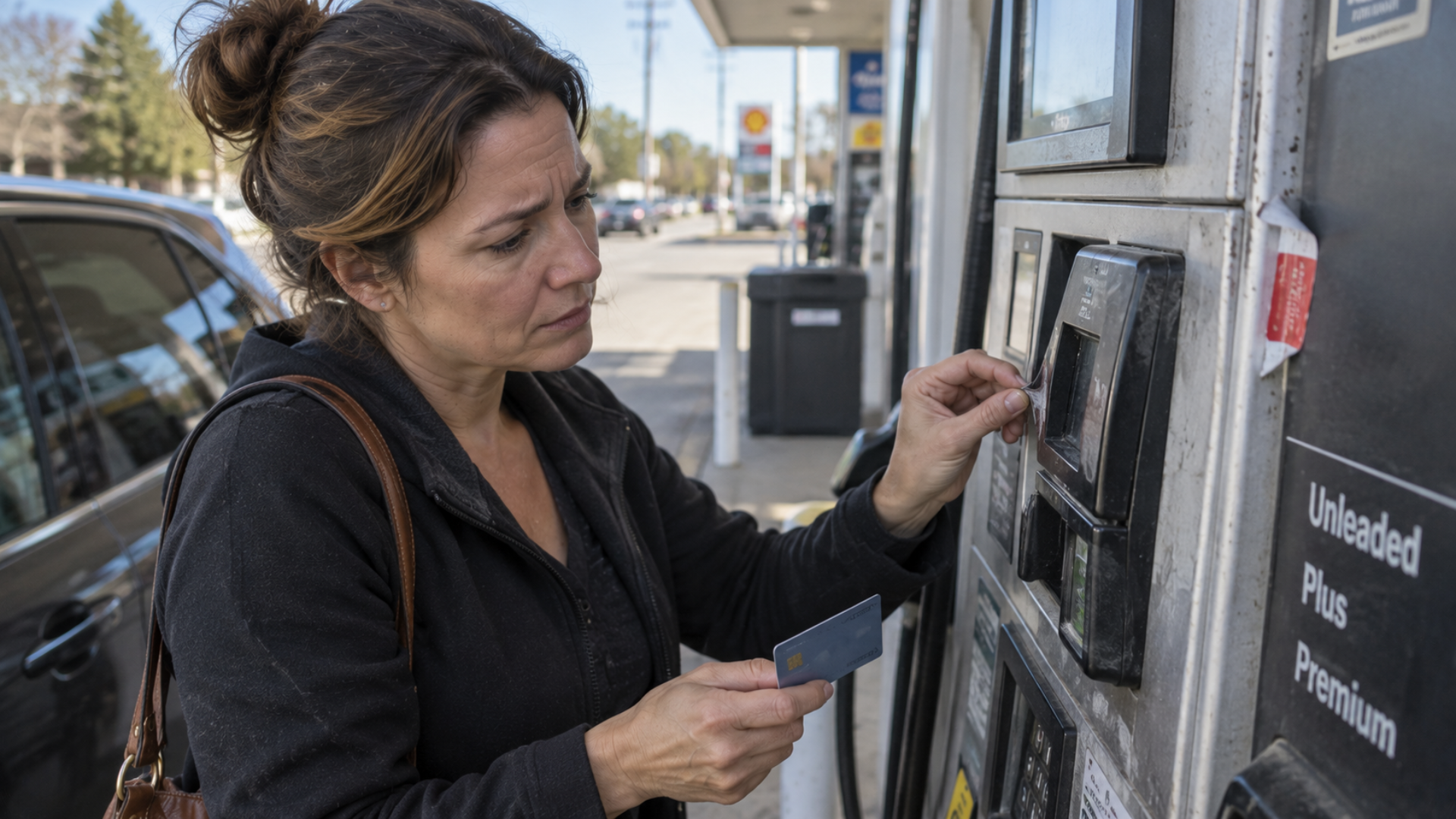
Most debit card fraud traces back to a specific, well-documented source: skimming devices hidden inside gas pumps, ATMs, or payment terminals. These devices capture both a card number and PIN, letting criminals drain an account quickly before a bank’s fraud detection systems catch the activity. Chip cards have reduced how often skimming happens, but they haven’t eliminated the threat entirely for consumers.
A Stolen Login Can Drain Your Checking Account Instantly

Online fraud tends to hit debit cards especially hard compared to other payment methods. If a debit card is saved to an online account and someone gains access to that login, they can run charges instantly, pulling directly from a checking account balance. Banks generally do reimburse victims eventually, but the time gap before that reimbursement arrives still matters considerably for someone’s day-to-day finances.
Debit Cards Still Make Sense for These Specific Situations
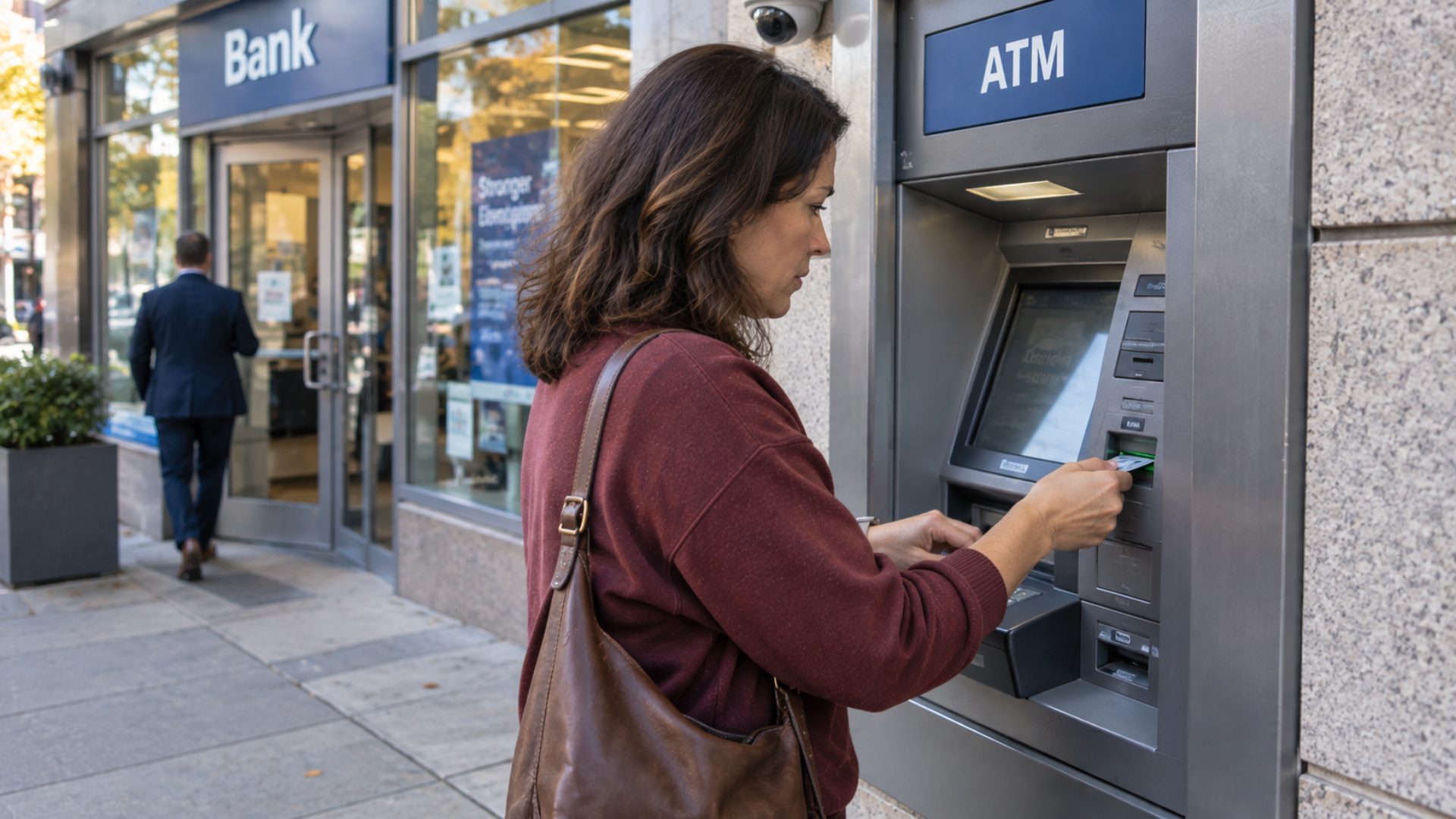
Debit cards aren’t inherently unsafe for every use case, they genuinely make sense in specific everyday situations. They remain useful for fee-free ATM withdrawals and for people who prefer avoiding credit entirely to manage spending discipline. The bigger risk shows up specifically with online purchases, travel, gas stations, and any transaction where card information could realistically get skimmed or hacked.
The Safer Middle Ground: Credit Card Discipline, Debit Card Habits
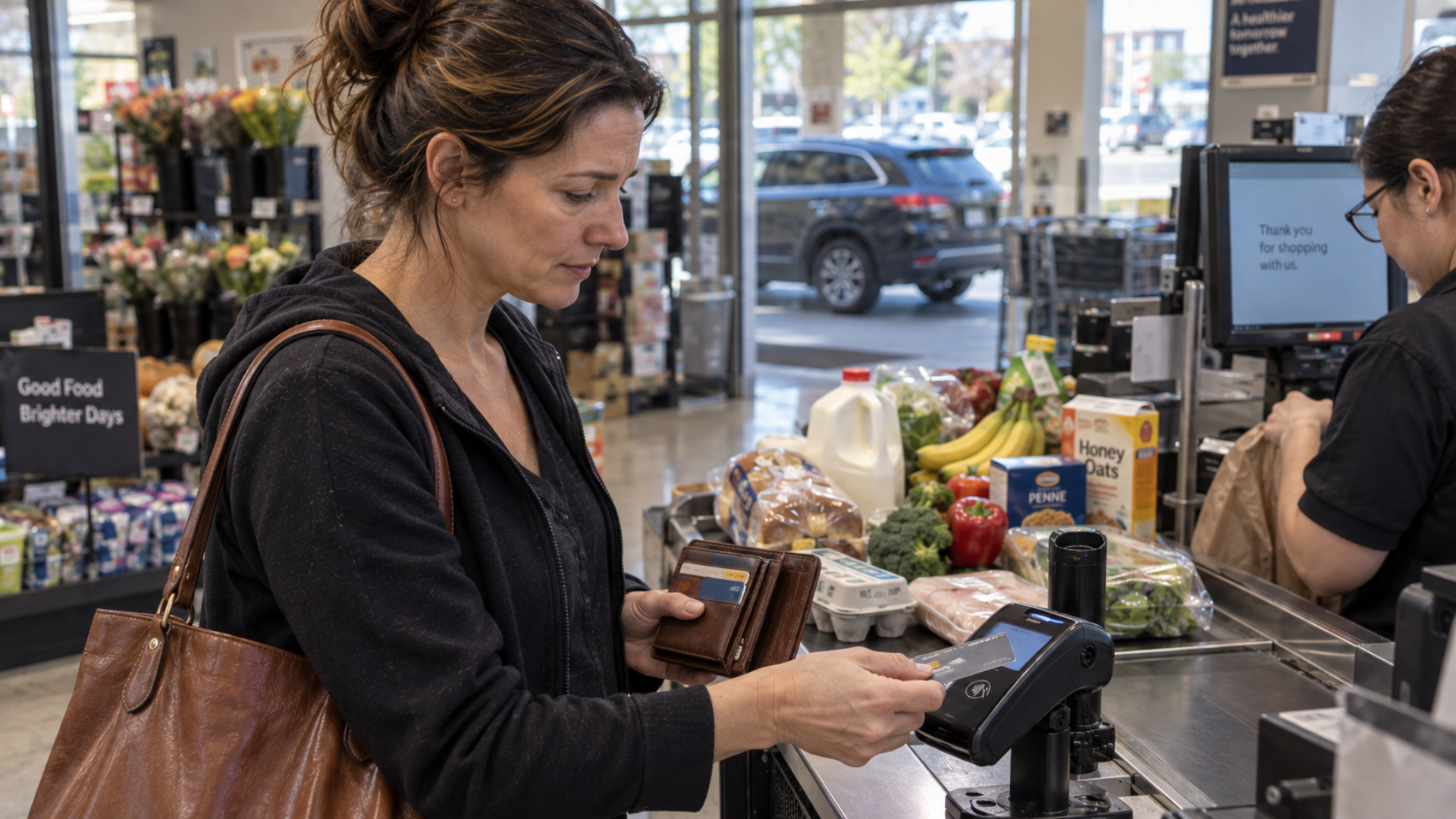
For everyday spending in higher-risk categories specifically, using a credit card and paying the balance in full each month offers a genuinely useful middle ground. That approach maintains the same spending discipline debit cards encourage, while adding stronger fraud protections and avoiding interest charges entirely, as long as the full statement balance gets paid off before it has a chance to accrue.