Think You Can Bury Anything in Your Own Yard? These 6 Items Could Get You in Trouble
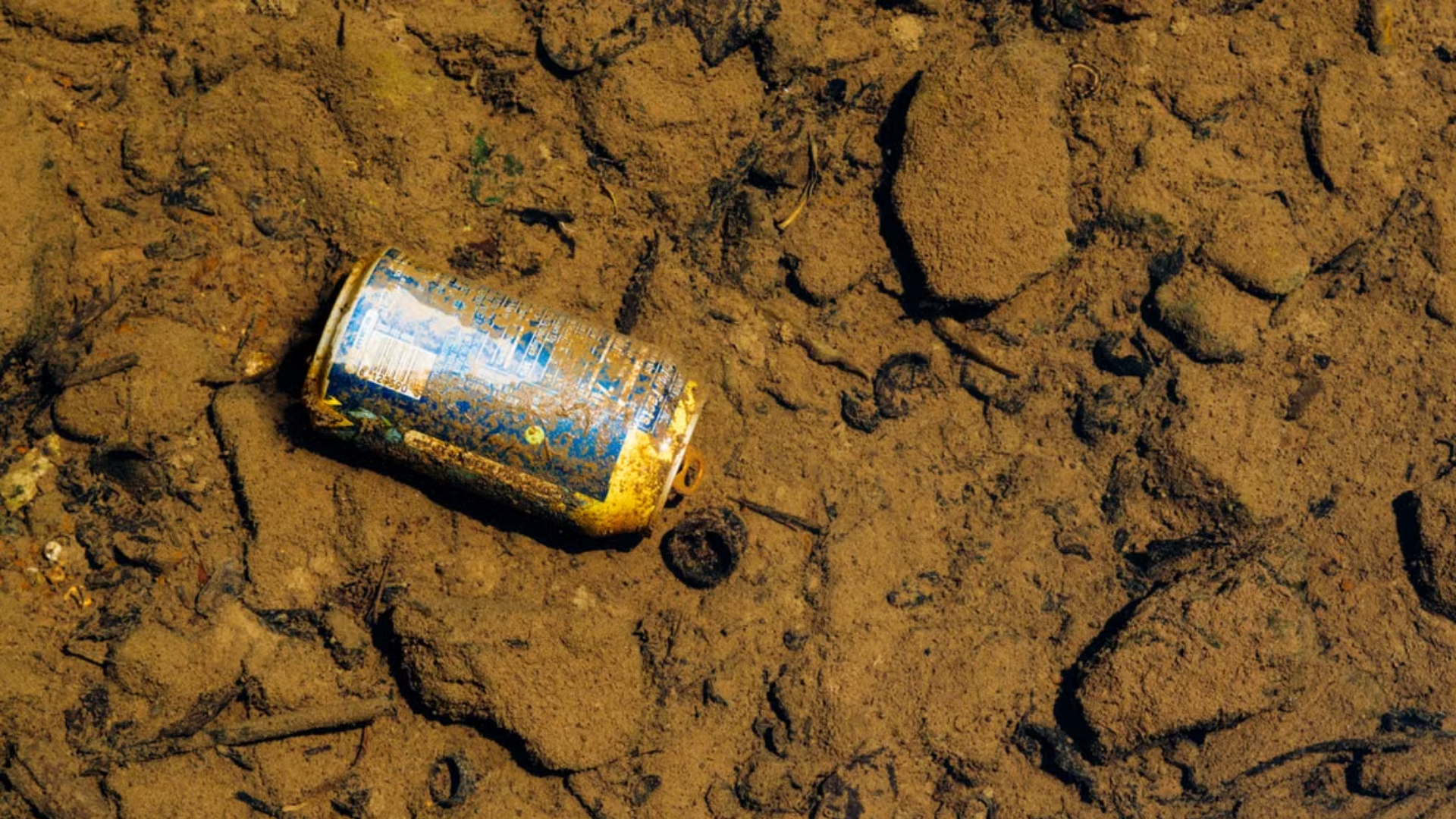

Owning your property does not always mean you can bury whatever you want in the yard. Local and state rules can restrict certain materials because they may contaminate soil, pollute groundwater, create health hazards, or interfere with utilities and future construction. Before putting unwanted items underground, homeowners should check local disposal rules because some seemingly harmless choices can lead to fines or costly cleanup.
Household Trash Can Create Bigger Problems Underground
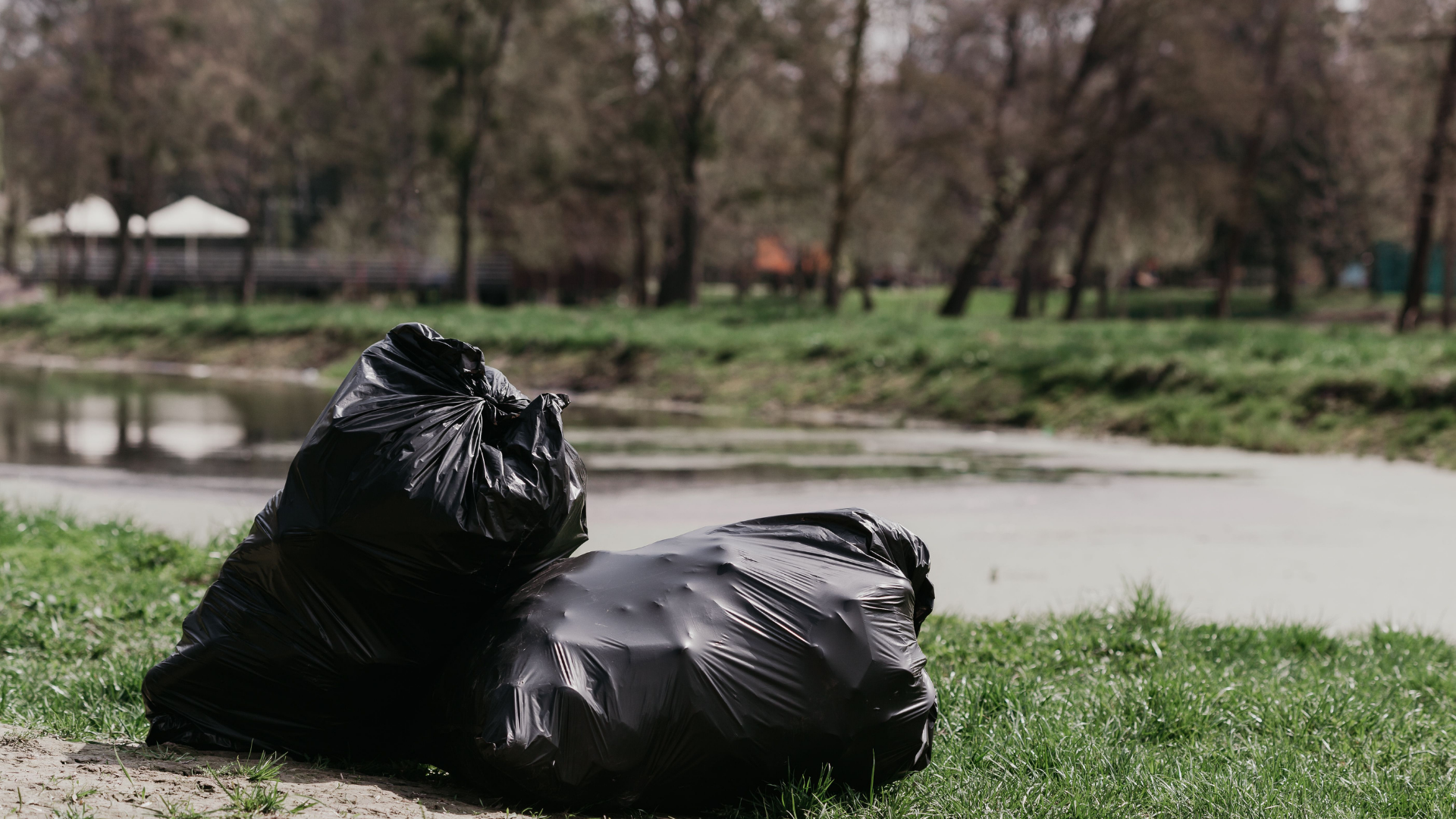
Burying ordinary household garbage may seem like an easy way to get rid of it, but many communities prohibit disposing of waste this way. Plastics, packaging, food scraps, and other materials can break down unevenly, attract pests, and release contaminants into the soil over time. Municipal waste rules generally require household trash to be collected, recycled, composted, or taken to an approved disposal facility instead.
Paint, Oil and Chemicals Should Never Go Into the Soil

Products such as paint, solvents, motor oil, pesticides, and cleaning chemicals can seep through soil and potentially reach groundwater if they are buried. Many of these materials are considered hazardous household waste and require special handling rather than regular trash disposal. Local collection events and hazardous waste facilities are usually the safest places to take them.
Batteries Can Leak Dangerous Materials
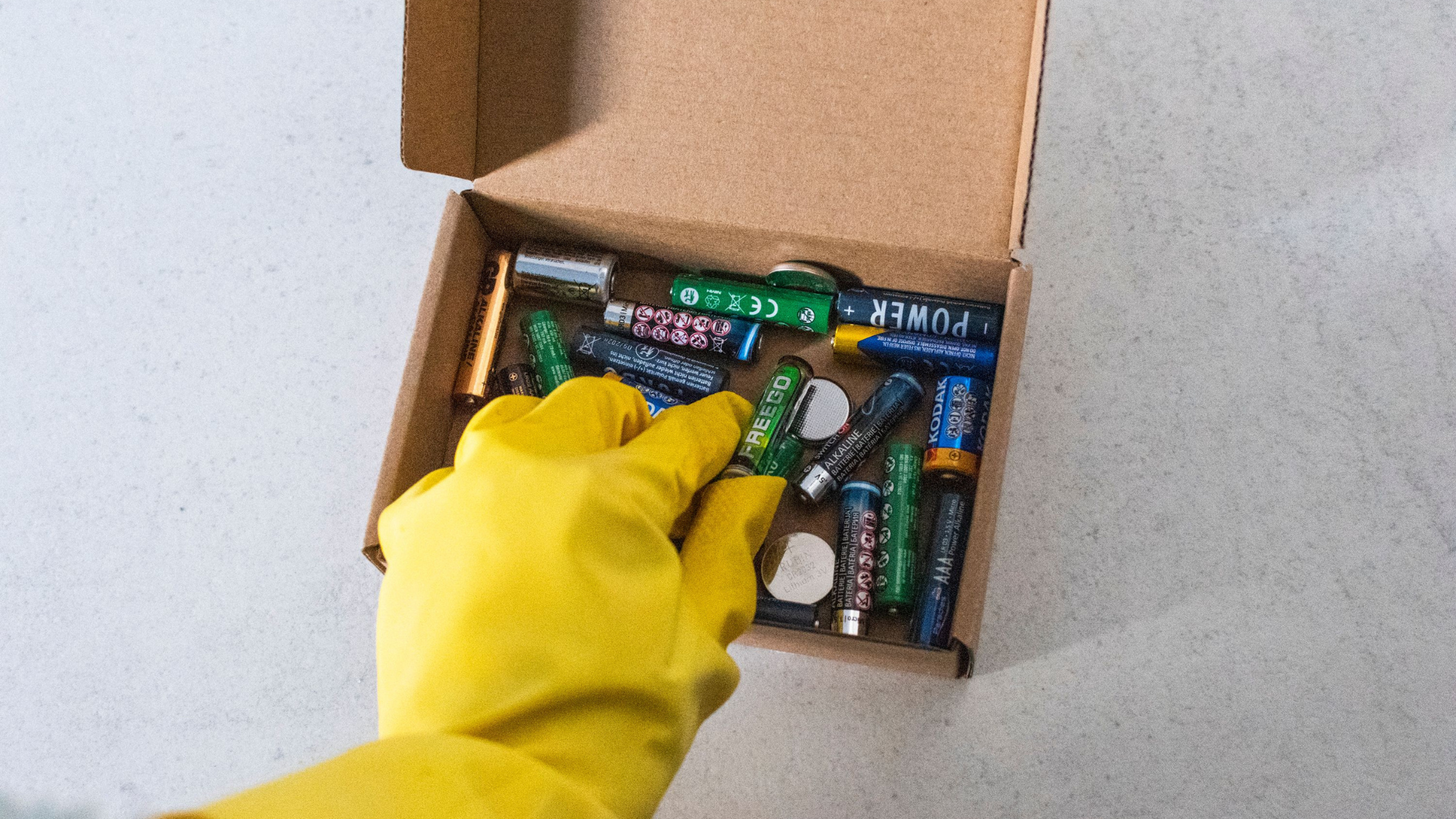
Batteries contain metals and chemicals that can become environmental hazards when their casings deteriorate underground. Car batteries are especially concerning because they contain lead and sulfuric acid, while rechargeable batteries may contain lithium, nickel, or cadmium. Recycling programs are widely available for many battery types and help keep these materials out of the soil.
Electronics Do Not Belong in a Backyard Hole
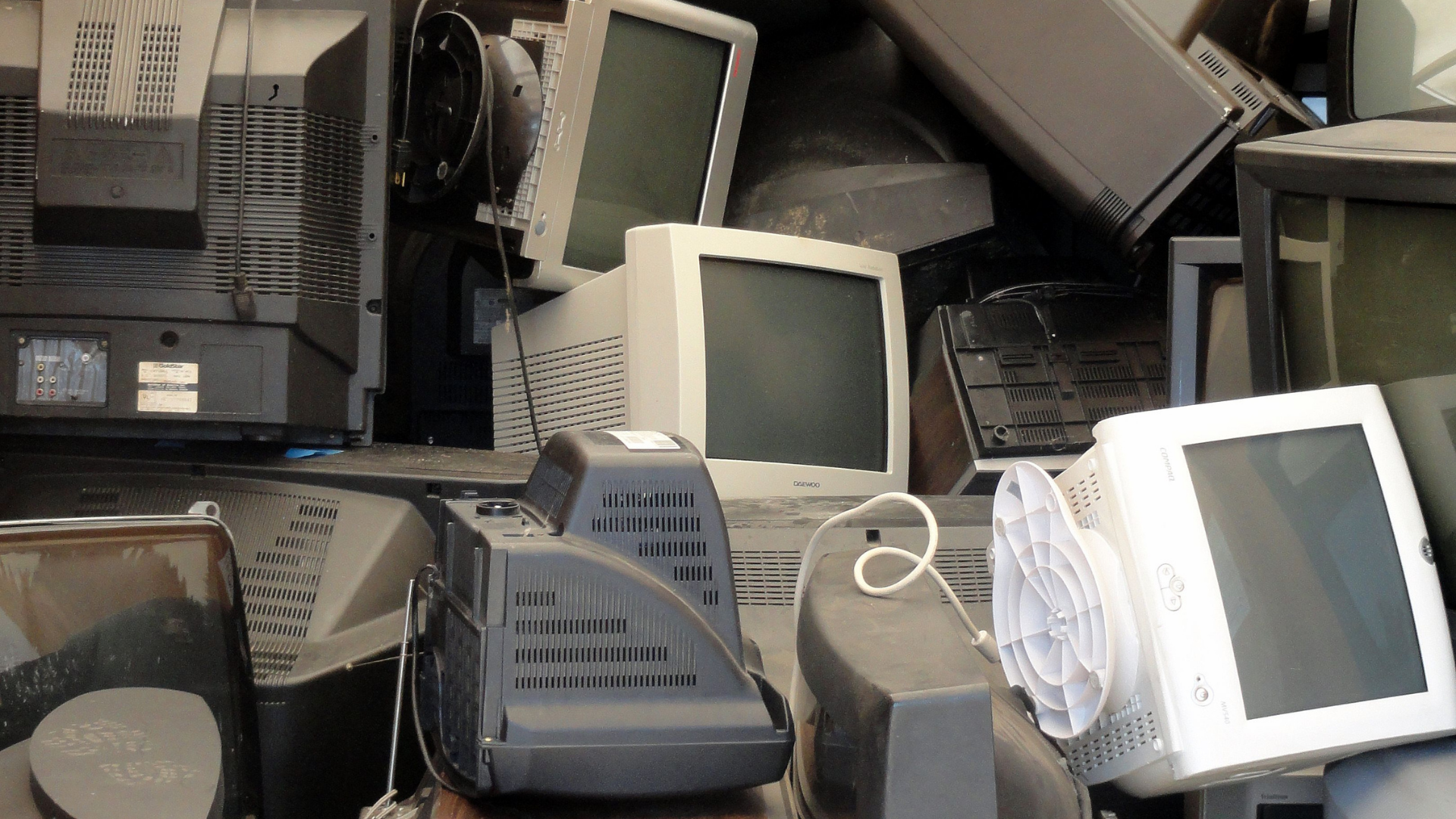
Televisions, computers, phones, and other electronics often contain metals, plastics, and components that should be recovered or handled through dedicated e-waste programs. Burying electronics can allow harmful substances to leach into the surrounding soil while wasting materials that could otherwise be recycled. Many states and municipalities have specific rules governing electronic waste disposal.
Tires Can Be Restricted Because They Create Long-Term Hazards
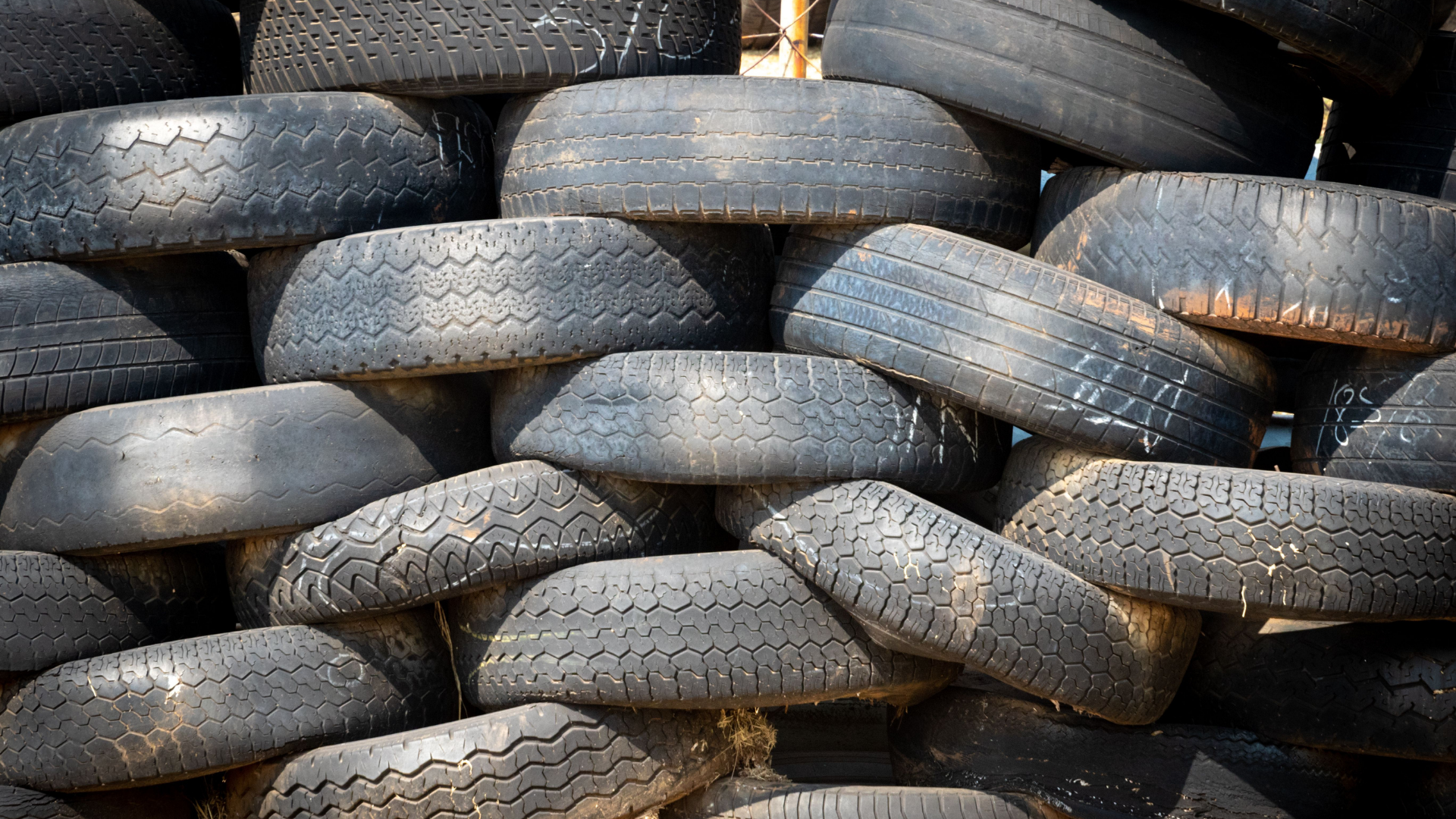
Discarded tires are bulky, slow to break down, and can create environmental problems when improperly disposed of. Some jurisdictions restrict burying them because tires can trap water, become breeding grounds for mosquitoes, or rise back toward the surface as soil shifts over time. Tire retailers and local recycling programs often accept used tires for proper processing.
Construction Debris May Require Approved Disposal
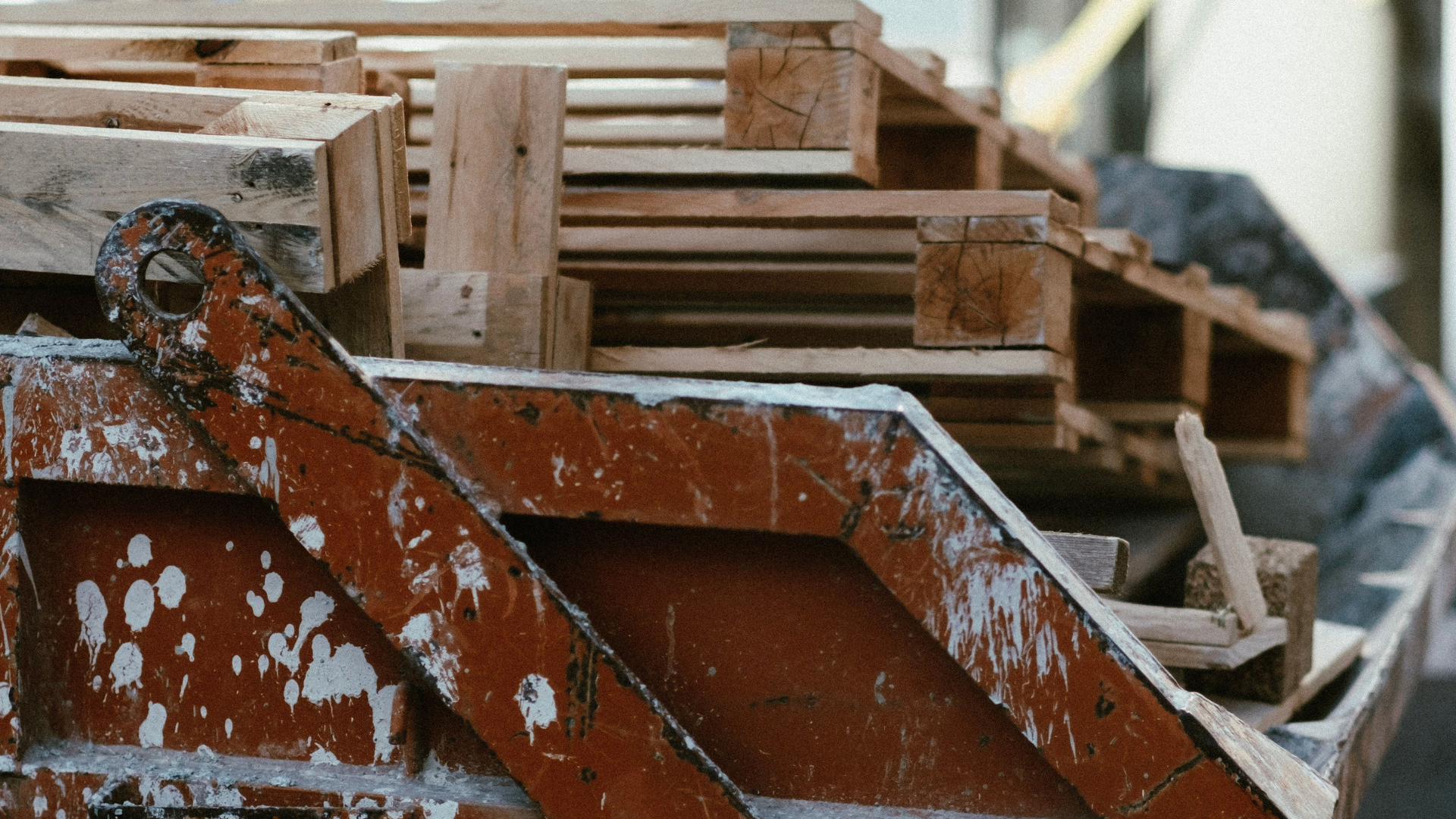
Home renovation waste may look harmless, but materials such as drywall, insulation, treated lumber, roofing products, and old flooring can contain substances that should not be buried on residential property. Local building and waste regulations may require construction debris to be hauled to a licensed landfill or recycling facility. Older materials may need even more careful handling if asbestos, lead paint, or other hazards could be present.
Animal Remains Can Be Subject to Local Rules
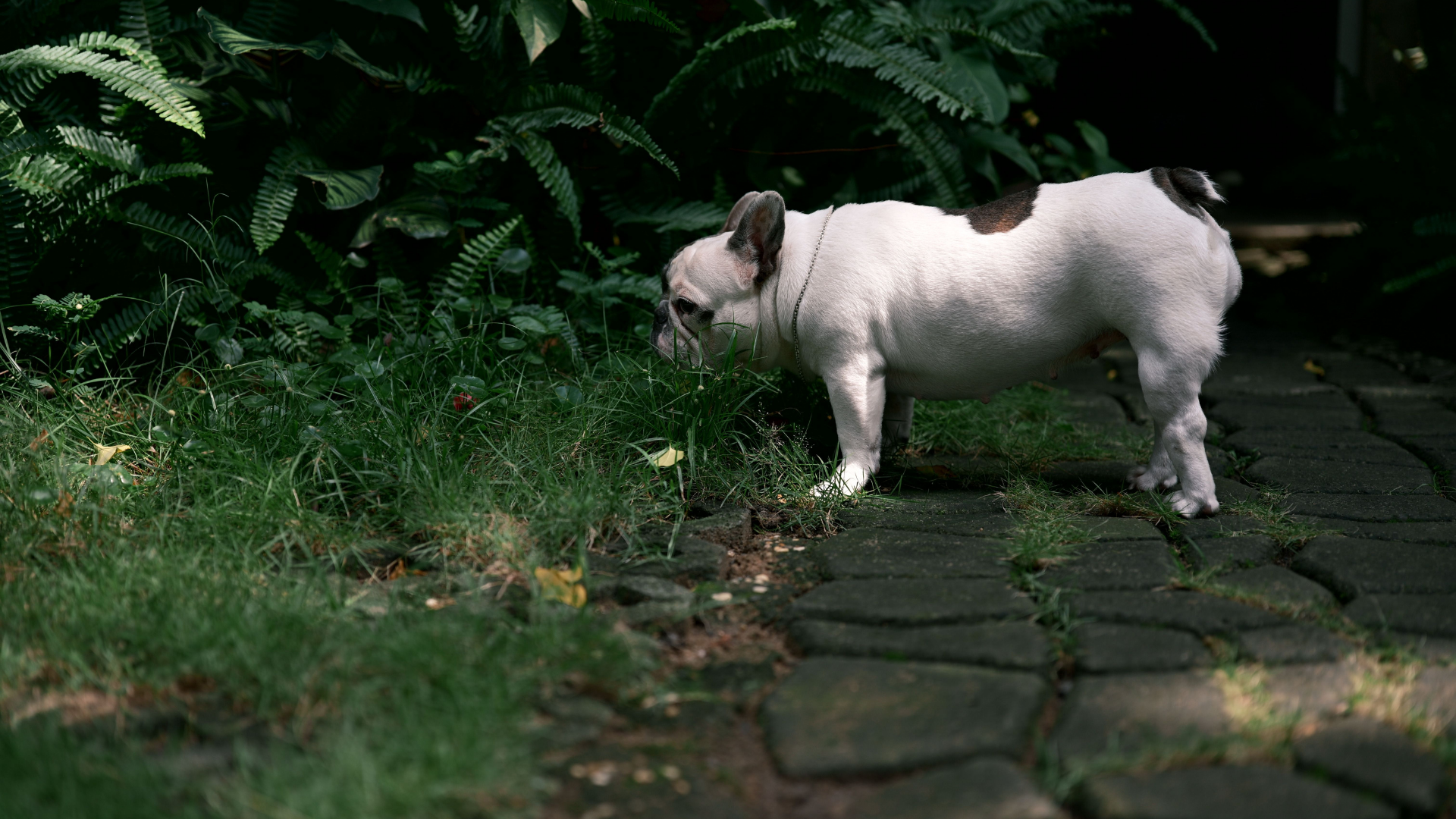
Pet owners sometimes choose backyard burial after an animal dies, but local rules can vary significantly depending on where you live. Some places regulate burial depth, distance from water sources, property boundaries, or whether burial is allowed at all. Checking with a veterinarian or local government can help ensure a pet is handled respectfully without violating health or environmental regulations.
Utility Lines Make Digging More Complicated Than It Looks
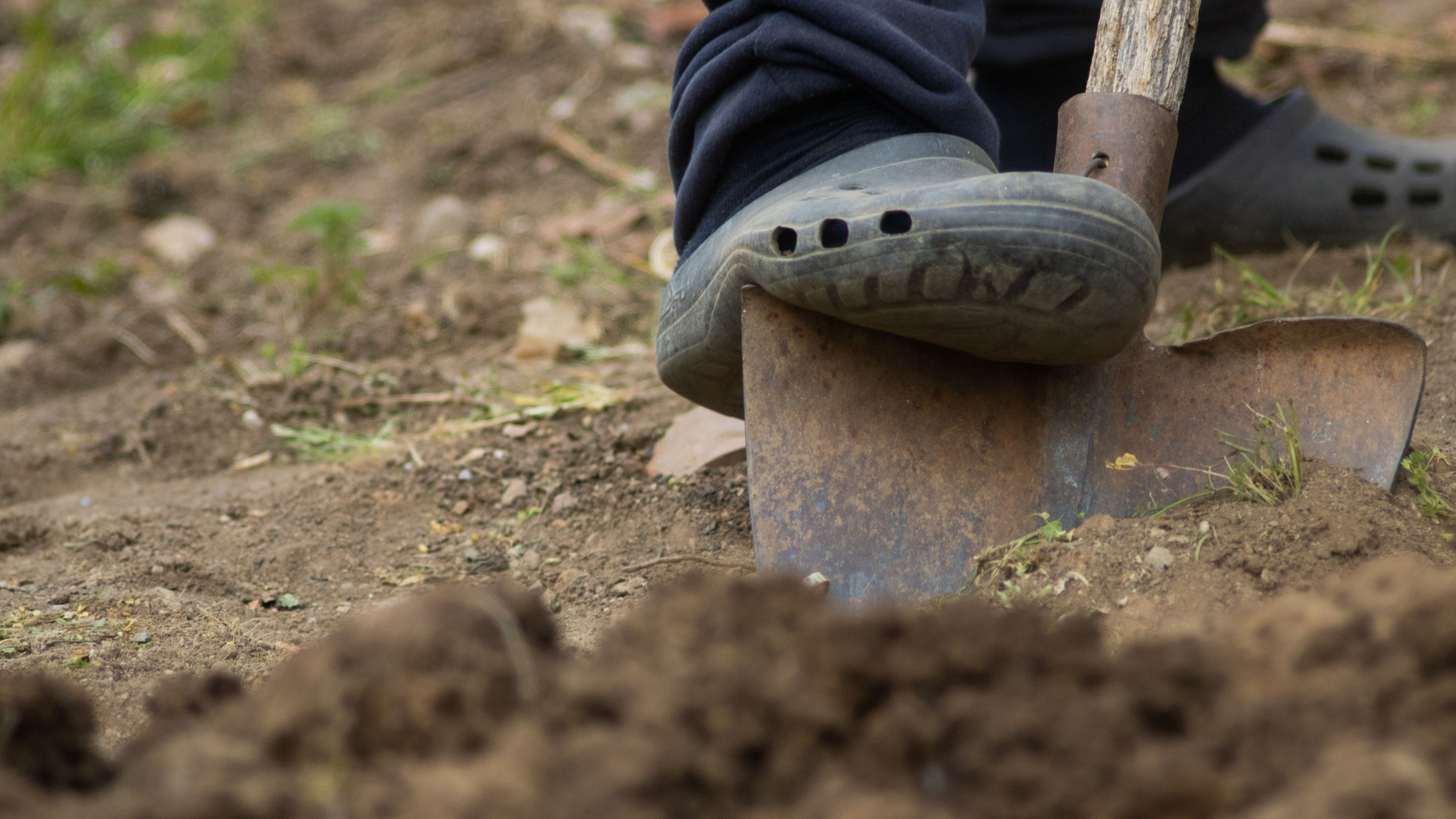
Even if the material itself is legal to bury, digging without knowing what is underground can create serious safety risks. Gas lines, electrical cables, water pipes, and communication lines may run through residential yards, and striking one can cause injury, service outages, or expensive repairs. Homeowners should contact their local utility-marking service before any significant digging project.
Your Yard Is Private Property, but Disposal Rules Still Apply
Backyards may feel private, but environmental and public health laws still apply to what goes into the ground. Household trash, chemicals, batteries, electronics, tires, construction debris, and even animal remains can be regulated because their effects may extend beyond a single property. Checking local rules and using approved recycling or disposal services can prevent fines while protecting your soil, groundwater, and neighborhood.