These Decorating Choices Reveal If a Home Belongs to a Boomer, Millennial, or Gen Z
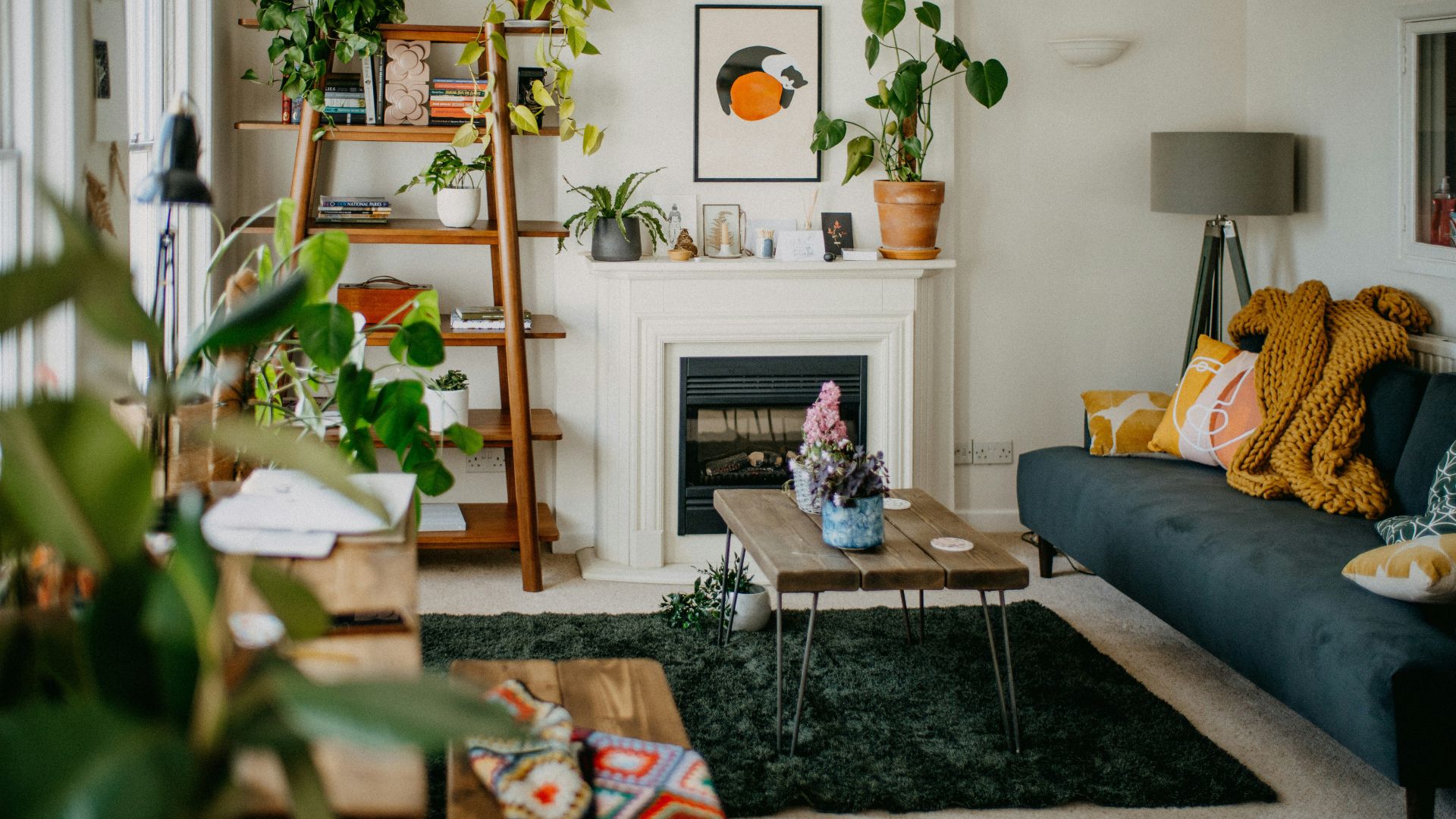

Walk into someone’s living room and the furniture, colors and lighting may offer clues about when they grew up. Interior designer Melissa Oholendt notes that generational shifts in culture can produce recognizable differences in decorating, too. Of course, no generation has one universal look. Still, matching bedroom sets, millennial pink and Gen Z’s thrifted finds show how the homes people create often reflect the trends that surrounded them earlier in life.
Boomers Made Matching Furniture a Statement
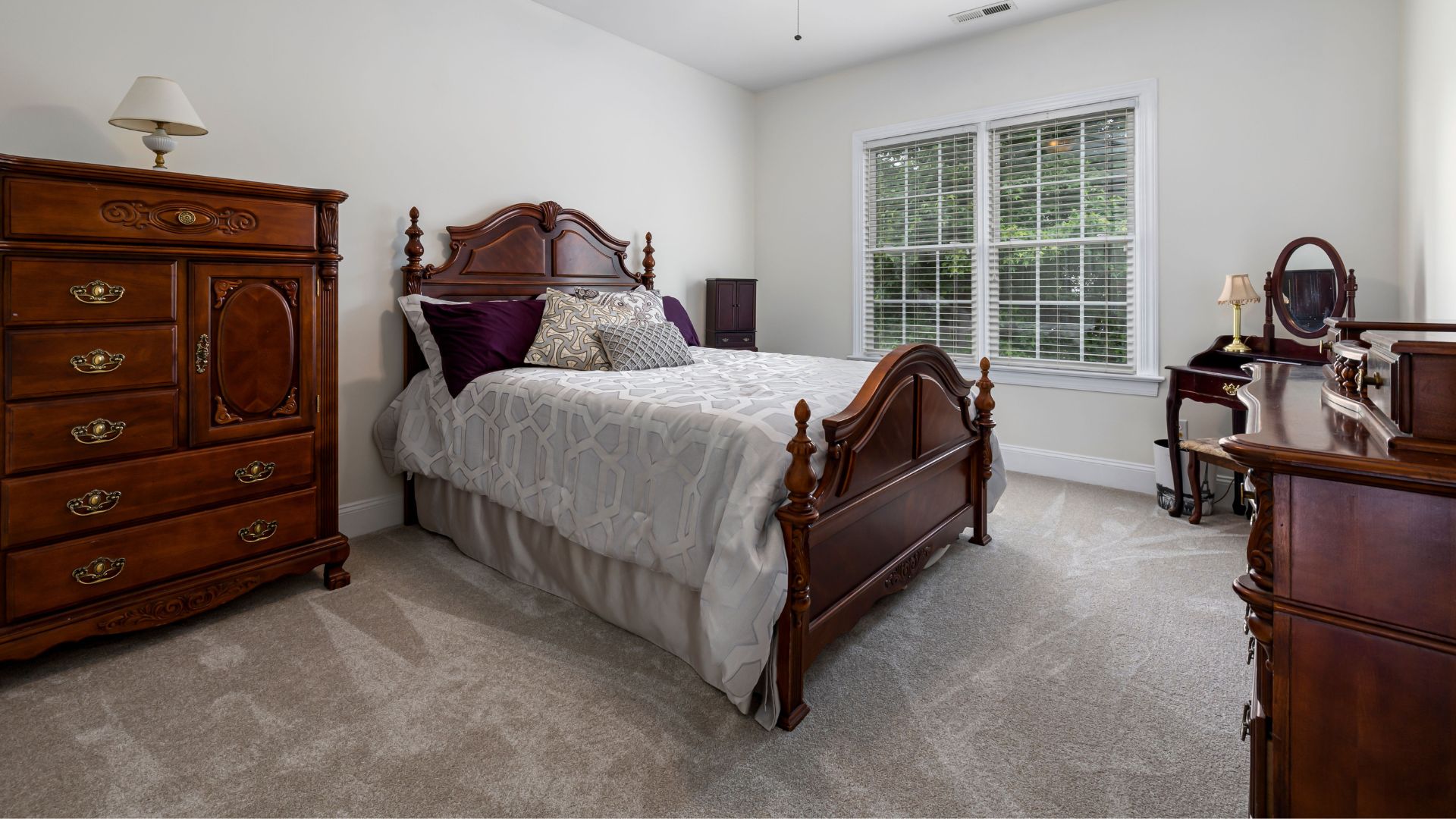
For many baby boomers, a coordinated furniture set represented a polished, finished room. Designer Melissa Oholendt associates the generation with matching pieces made from dark stained wood, often featuring substantial hardware and decorative millwork. These weren’t necessarily pieces meant to be replaced with every passing trend. Their sturdy construction could keep them in a household for decades, which helps explain why an original bedroom or dining set can still be found in some boomer homes today.
Collections Were Meant to Be Seen
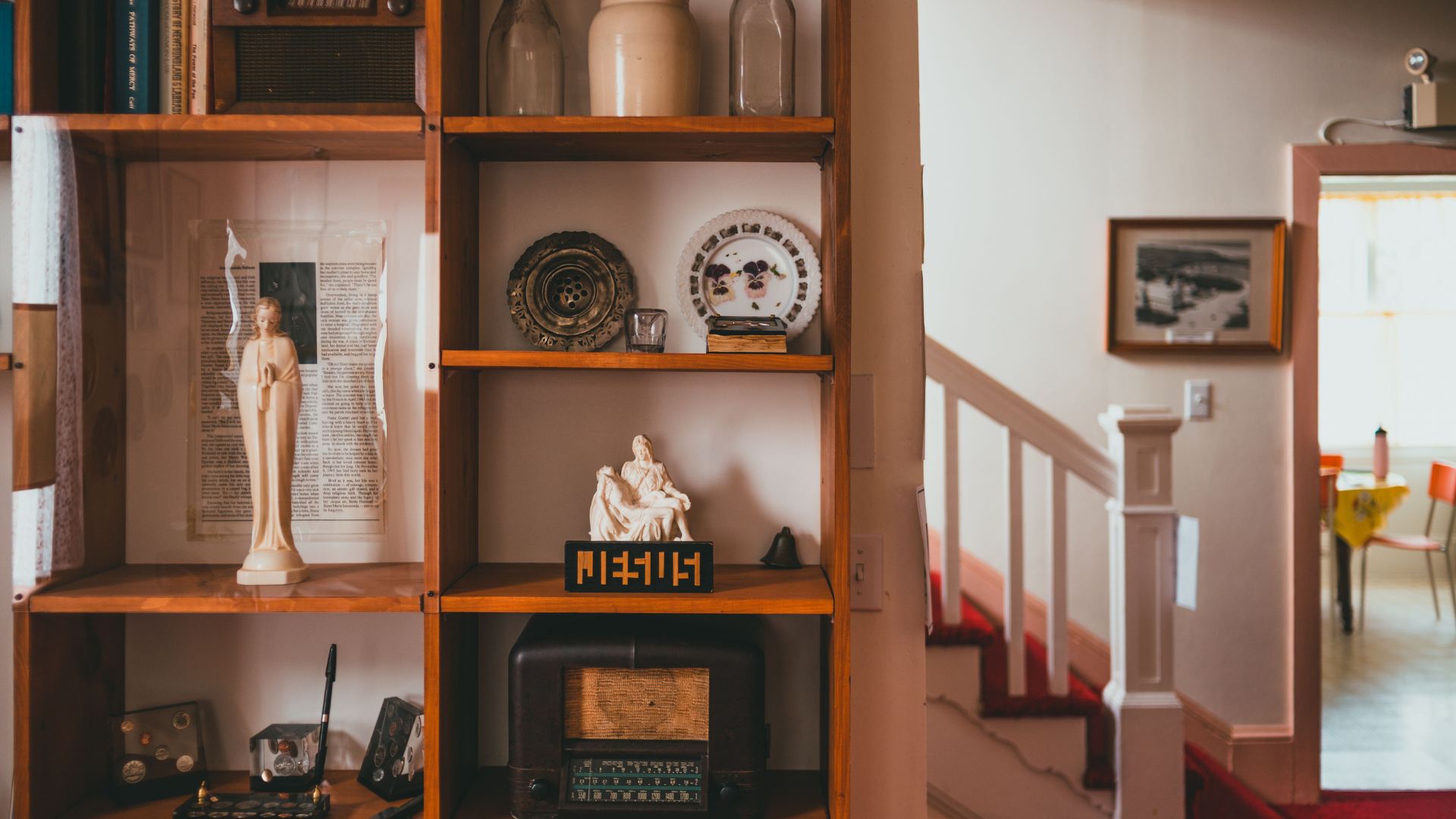
Boomer interiors were not necessarily about keeping every surface bare. Designer Amy Vroom recalls an era of knickknacks and Thomas Kinkade paintings, while coordinated furniture provided plenty of room for displaying treasured possessions. Shabby chic later brought distressed wood and farmhouse influences into the mix, creating what designer Kerry Vasquez describes as a form of “rustic elegance.” Together, these touches could make rooms feel collected and personal rather than minimal.
Gen X Broke Up the Matching Sets
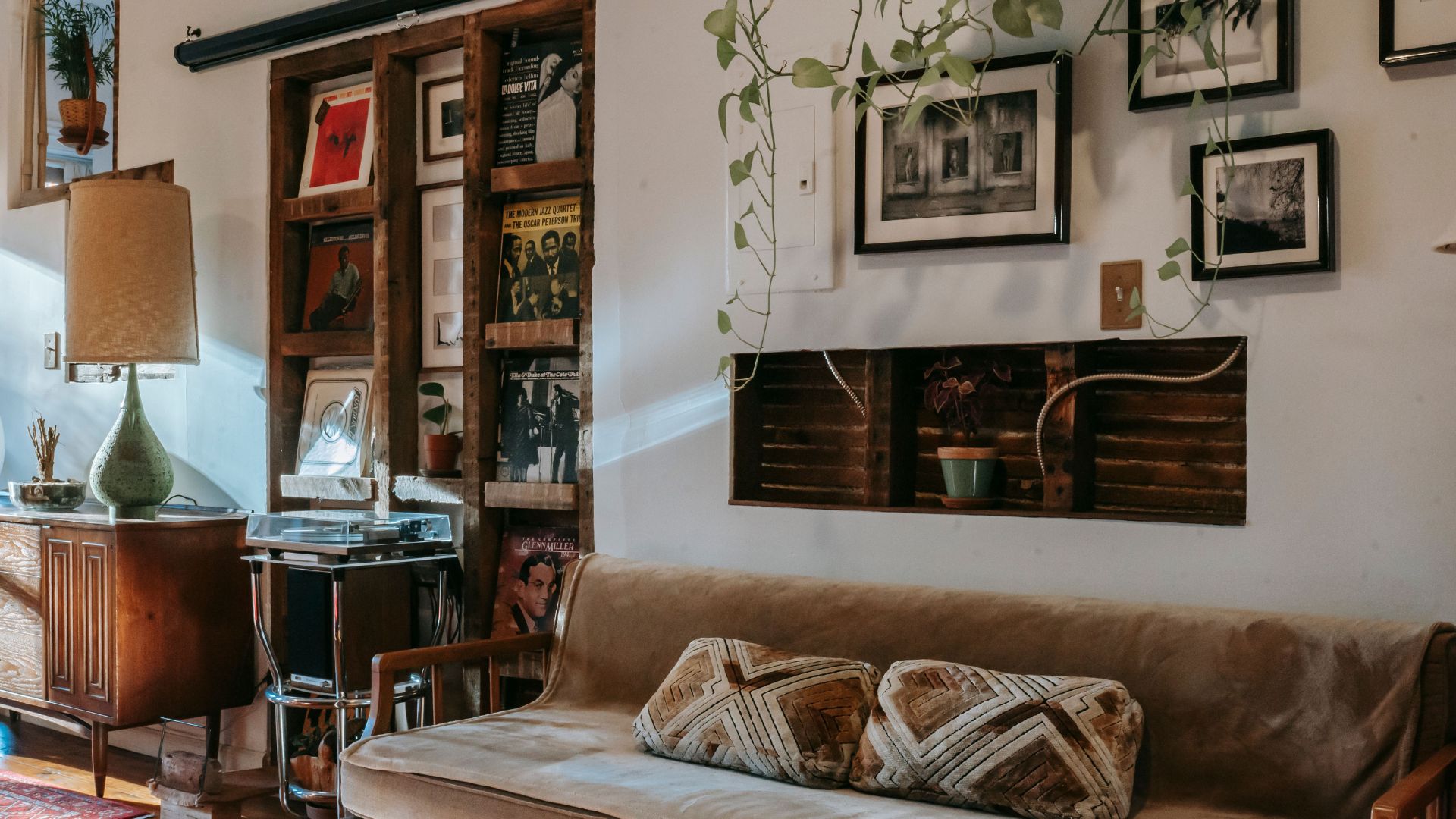
Between boomers and millennials sits Gen X, and its design signature can look noticeably less coordinated. Oholendt associates the generation with 1970s inspired touches such as lava lamps, shag rugs and vinyl records. Vasquez also points to industrial influences, including raw steel and darker palettes. Rather than buying everything from one collection, Gen X became associated with mixing pieces and styles, giving rooms a more eclectic quality that reflected a preference for individuality.
Millennials Learned to Live With Less
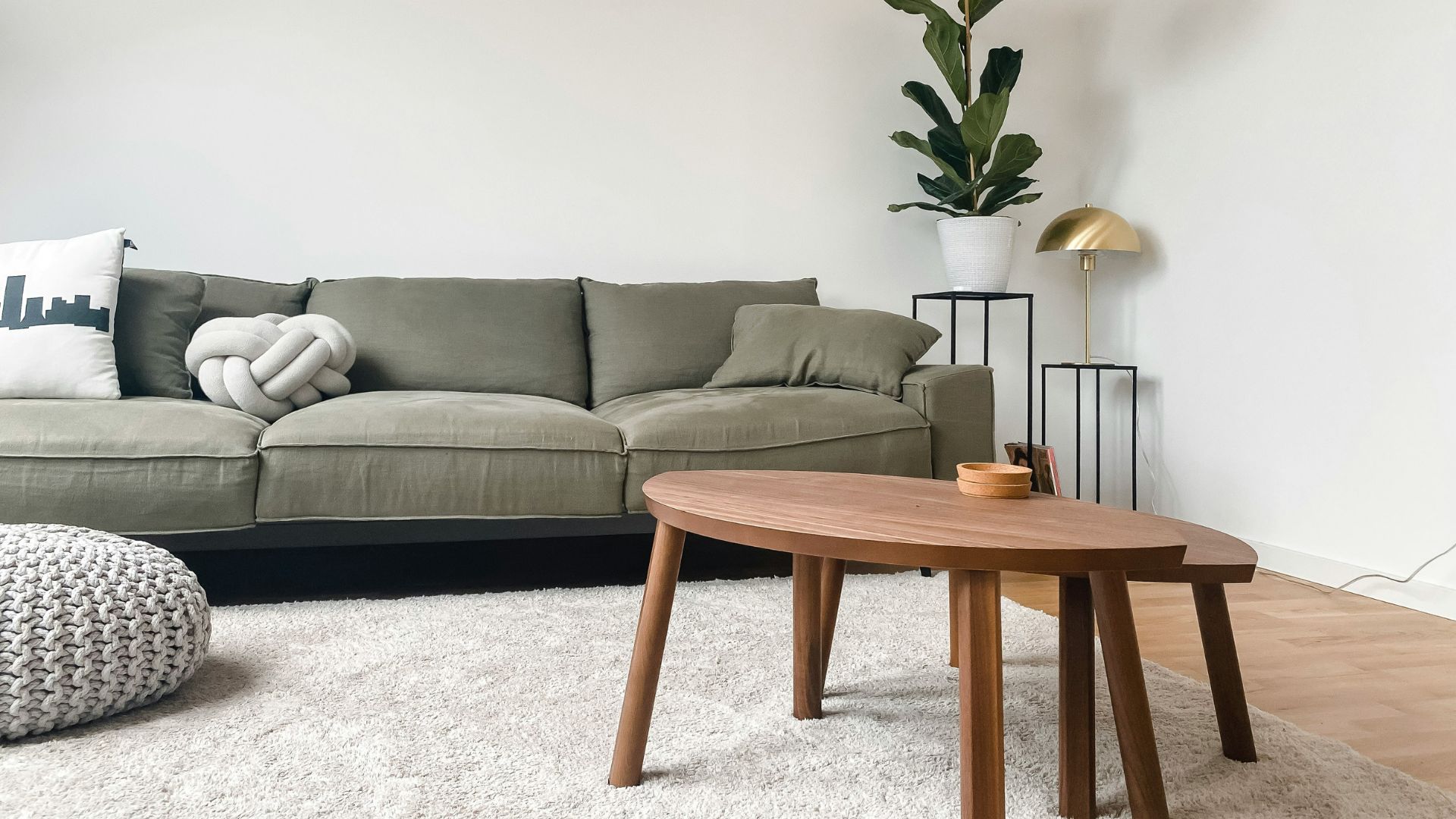
Millennials helped move interiors in another direction. Vroom credits the generation with bringing sustainable living into the mainstream and describes its decorating philosophy as “less is more.” That makes the millennial home less about filling every available surface and more about creating an edited environment. The internet also exposed this generation to a wider variety of design ideas, making its overall aesthetic harder to define by a single furniture style or decorating formula.
One Shade Became Almost Unmistakably Millennial
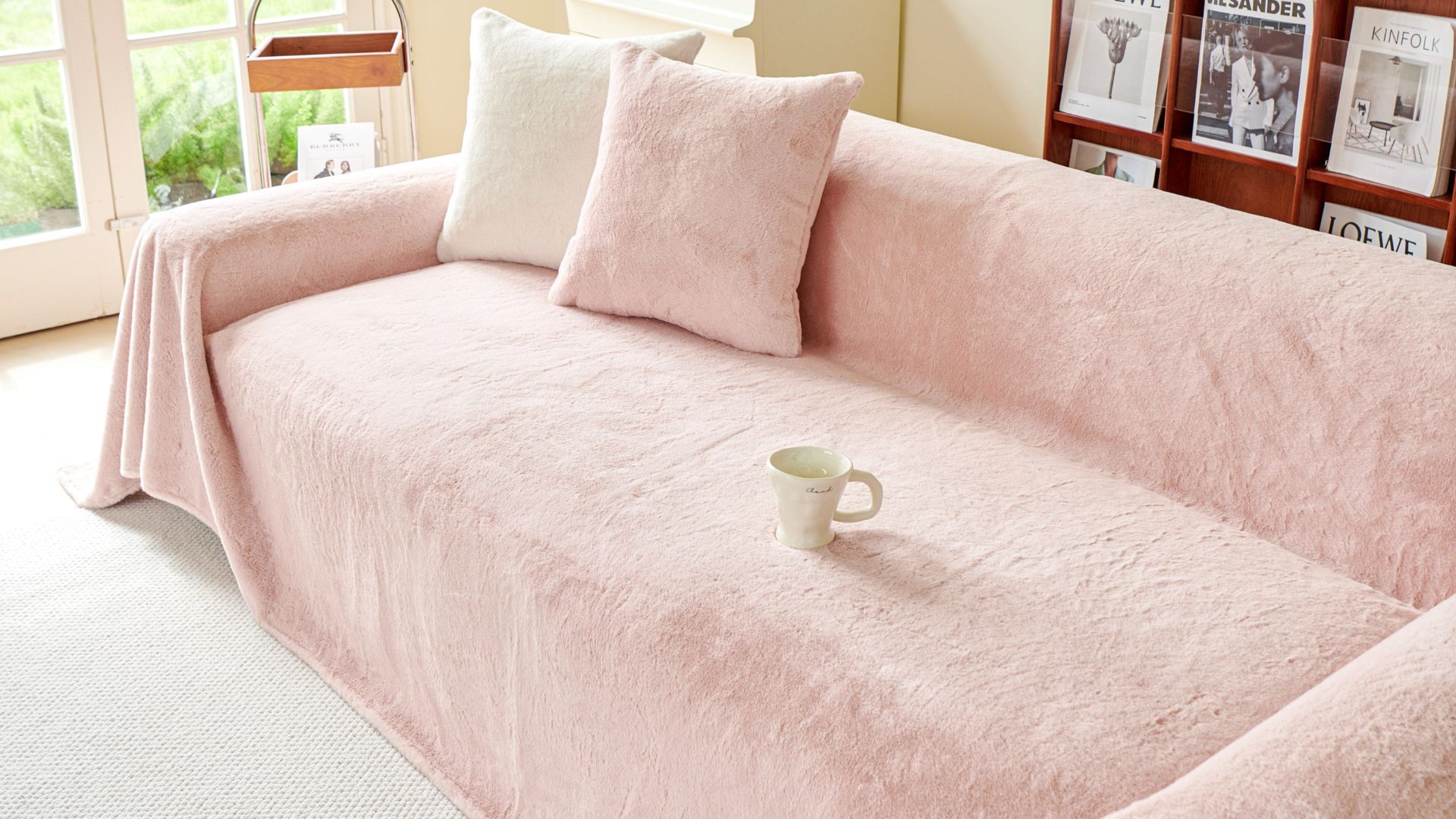
If one decorating choice became shorthand for millennial style, it was a muted shade of pink. Oholendt connects that affection for pink with the colorful furnishings millennials encountered when they were younger, while Vasquez links the generation more broadly with a relaxed “coastal California” look and casual elegance. The result was an aesthetic that could feel polished without becoming overly formal, pairing softer colors and approachable furnishings with a relatively restrained decorating style.
Gen Z Brought Color and Curves Back
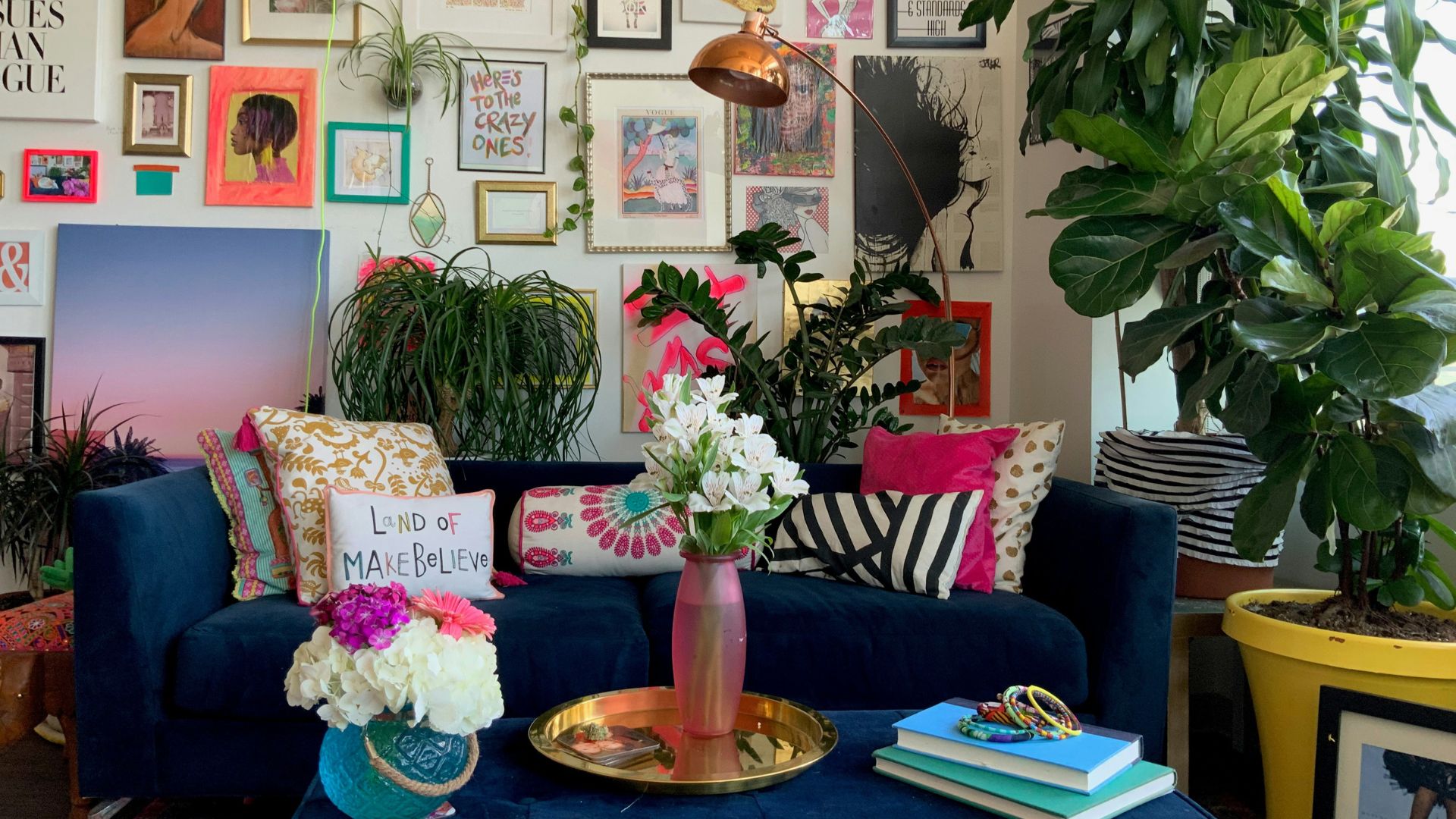
Gen Z has shown little interest in simply extending the restrained aesthetics that came immediately before it. Vasquez points to neon and candy colored furnishings, including playful bubble shaped pieces, as one emerging signature. Vroom also sees Gen Z building on millennials’ interest in sustainability while taking the look toward maximalism with vintage and thrifted finds. The combination can produce rooms that feel deliberately individual, colorful and assembled rather than purchased as one coordinated package.
Gen Z Also Has a Surprisingly Moody Side
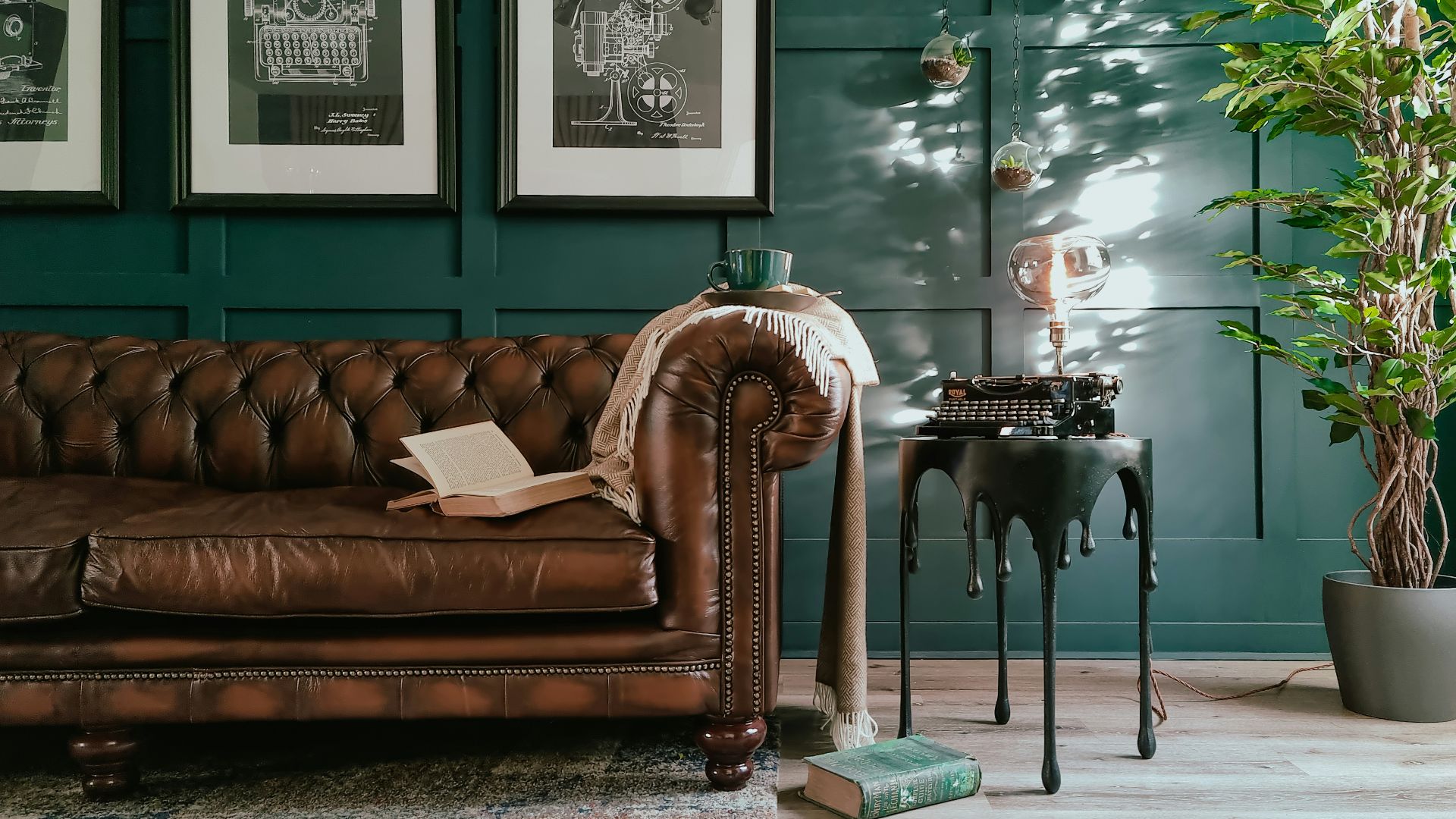
Bright colors tell only half the Gen Z story. Oholendt identifies another aesthetic built around dark paint, books and cozy lamps, describing it as “moody academia.” She also notes the generation’s dislike of overhead lighting, which helps explain the popularity of smaller lamps that create softer pools of illumination around a room. It is a very different look from candy colored furniture, illustrating how one generation can embrace seemingly opposite aesthetics at the same time.
Today’s Trends Often Borrow From Yesterday
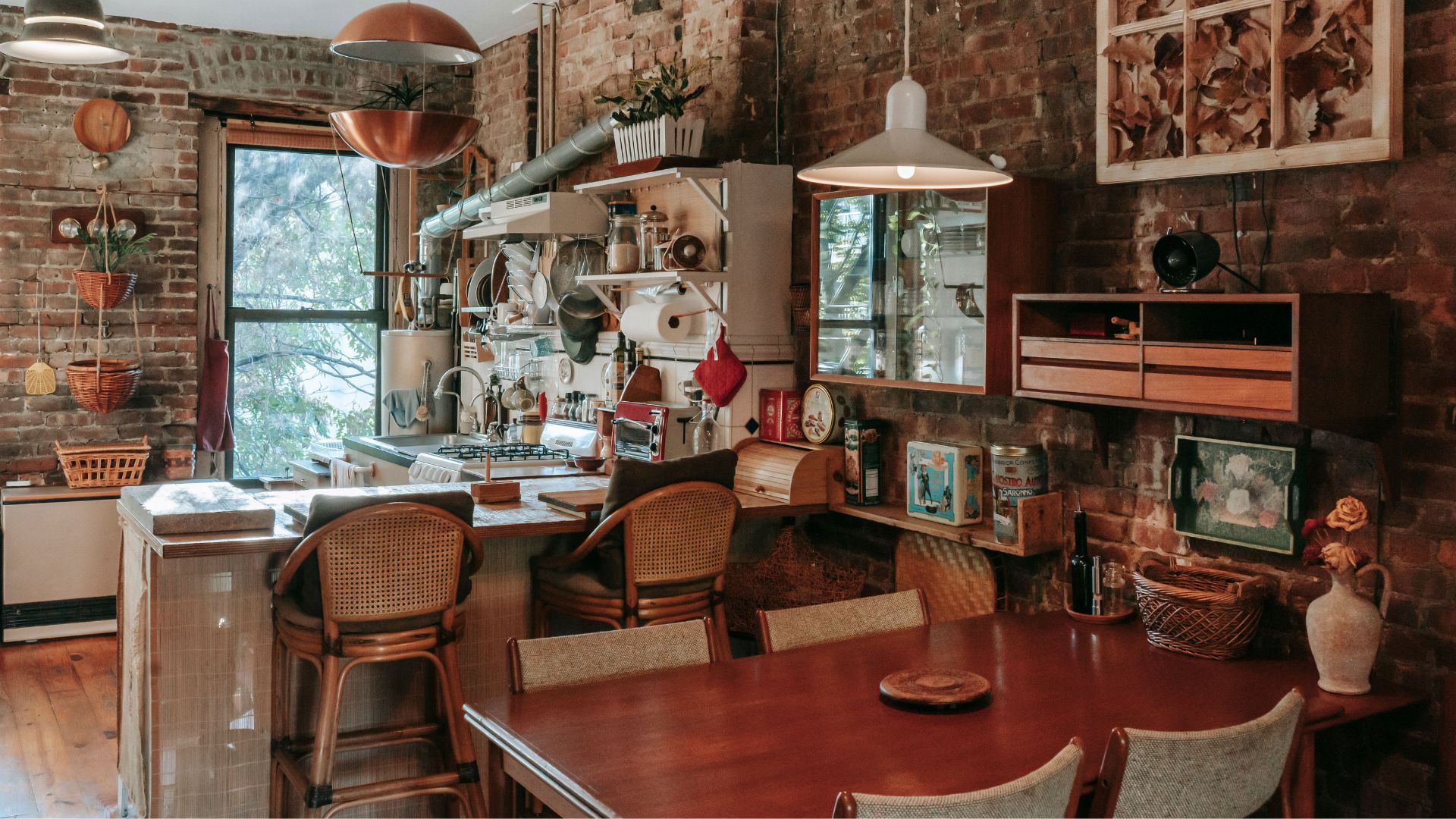
Generational decorating styles may look distinct, but few appear from nowhere. Gen X revisited 1970s influences, while Gen Z has embraced vintage and thrifted pieces that may be older than the people buying them. Oholendt even connects the popularity of cottagecore with tastes associated with the Silent Generation. That constant recycling helps explain why a decorating choice can simultaneously look nostalgic to one generation and surprisingly fresh to another.
Your Decorating Style May Cross Generational Lines
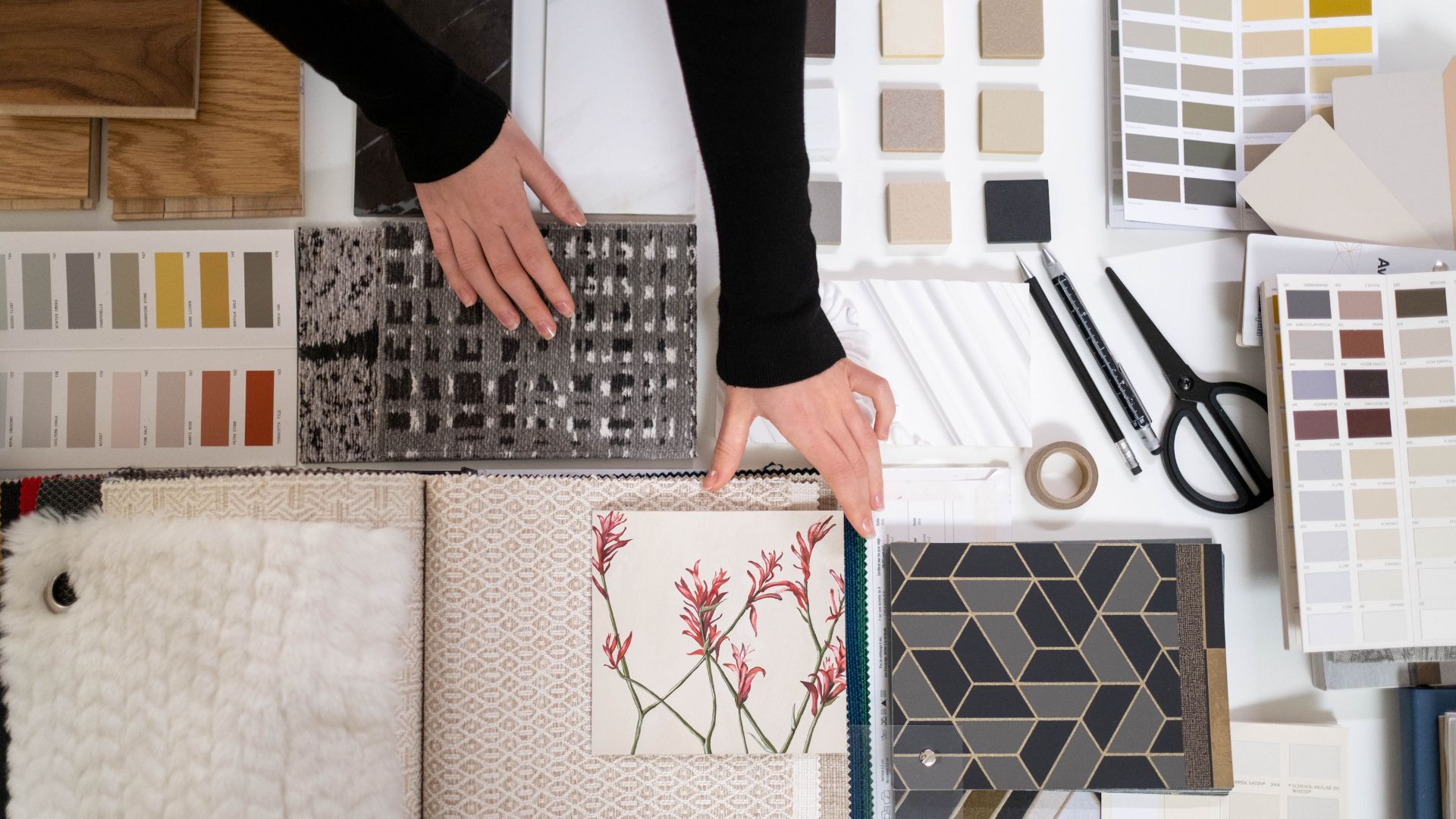
Matching dark wood furniture might suggest boomer influence, a restrained room with soft pink could recall millennial decorating, and thrifted furniture under cozy lamps may feel distinctly Gen Z. Yet these are tendencies rather than rules. Designers emphasize that tastes continually change, overlap and borrow from the past. The most revealing thing about generational decorating may be how often each age group takes something familiar and finds a new way to make it its own.