These Common AC Habits Could Be Making Your Home Feel Even Hotter
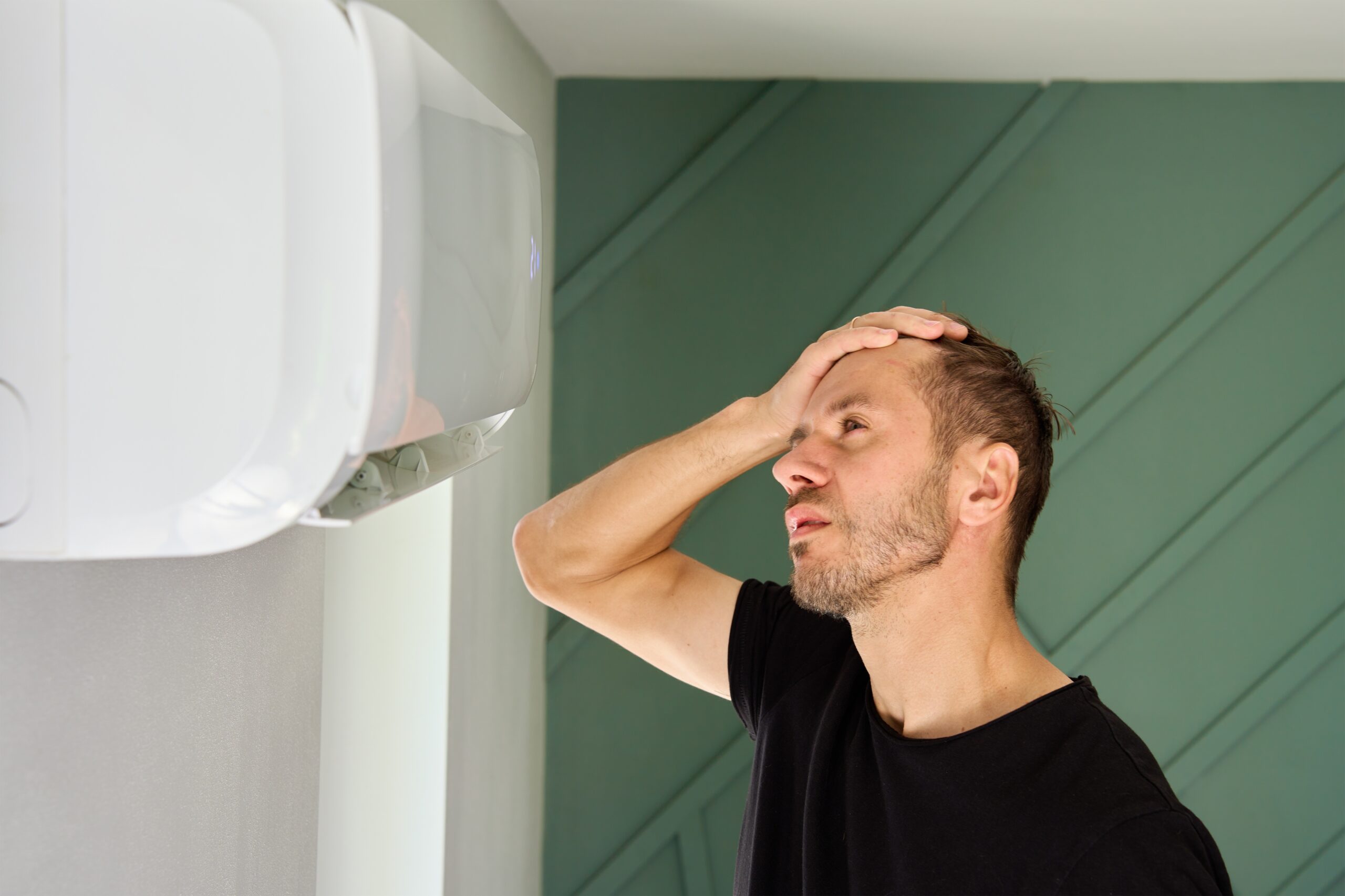

When the house still feels sticky and miserable with the air conditioner running, the thermostat becomes an easy target. But cooling a home involves more than producing cold air. An AC system removes heat and moisture from indoor air, while sunlight, humidity, airflow and everyday activities keep adding heat back in. That means some of the things people do to “help” their AC can quietly work against it.
This article was created with the assistance of AI and reviewed by our editorial team for accuracy and clarity.
Cranking the Thermostat Won’t Cool You Faster
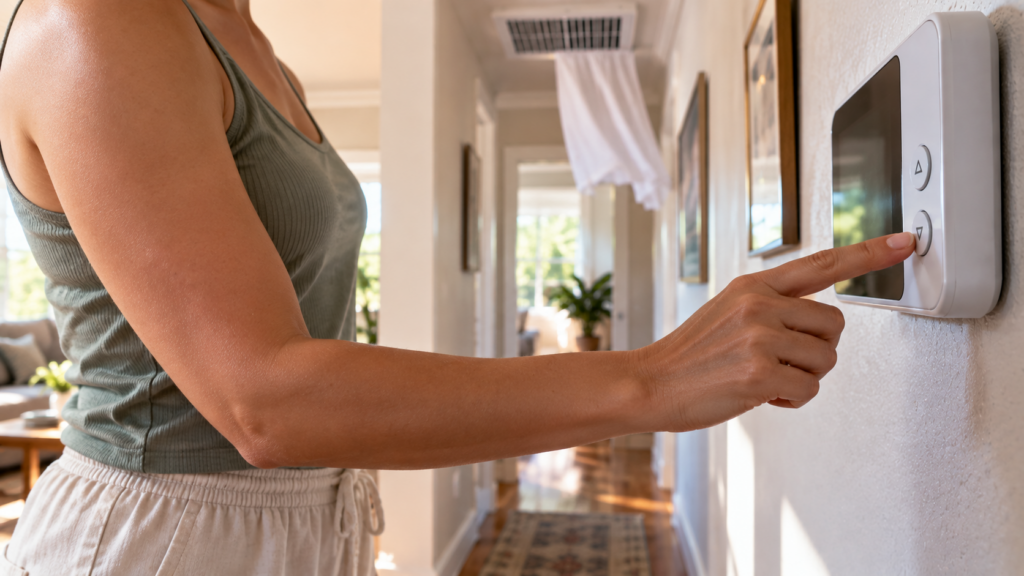
Dropping the thermostat several degrees may feel like sending your AC an urgent message. Unfortunately, the machine doesn’t take the hint. Indoor air quality expert Stephanie Taylor explains that an air conditioner cools at the same rate regardless of how low you set the thermostat. An extreme setting can simply leave the system running continuously without delivering the instant blast of cooling you wanted.
Turning It Off Can Create a Hot-House Hangover

Switching off the AC before leaving home sounds thrifty, but the house keeps absorbing heat through its roof, walls, windows and air gaps. Floors, furniture and drywall can hold that heat, too. When the system comes back on, it has to cool more than warm air. One HVAC expert recommends raising the thermostat by about 5 to 8 degrees when leaving for several hours instead of shutting the system down completely.
A Dirty Filter Can Choke the Airflow
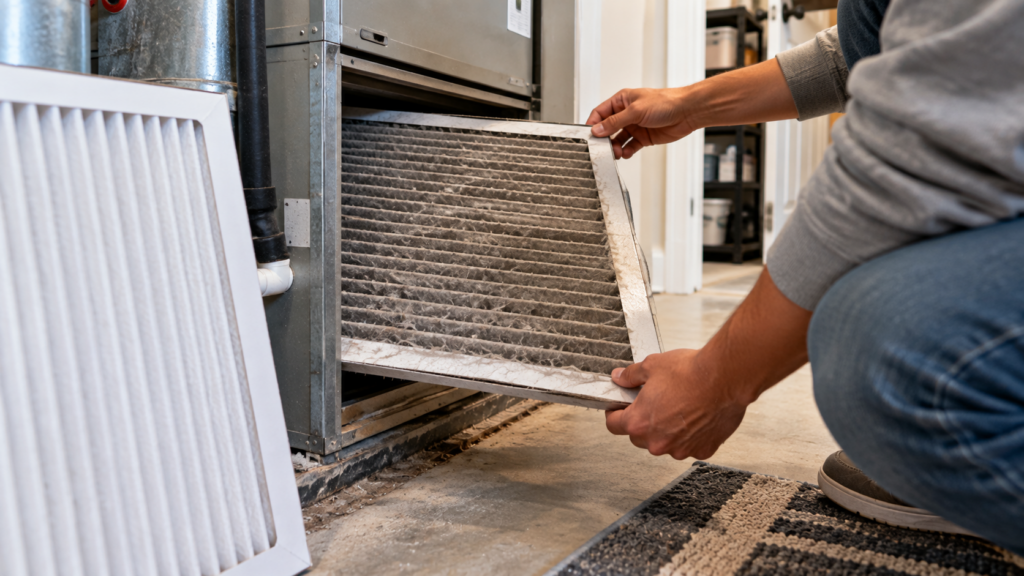
The humble filter can cause an outsized problem. As dust accumulates, airflow through the system falls and the AC has to run longer to move the same amount of air. In severe cases, restricted airflow can even contribute to the evaporator coil icing over and cooling stopping altogether. HVAC experts recommend replacing filters roughly every 30 to 90 days, with more frequent changes potentially needed in homes with pets or other heavy particulate loads.
Closing Vents Isn’t the Clever Shortcut It Seems
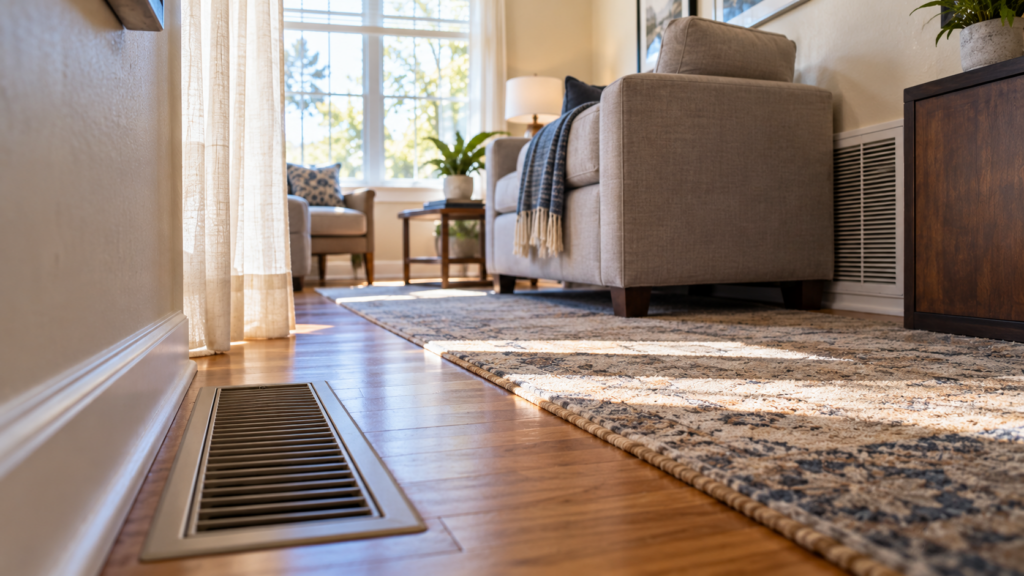
There’s an appealing logic to closing vents in empty rooms: surely that sends more cold air where you actually want it. Central HVAC systems don’t necessarily cooperate. Closed or blocked vents can disturb airflow and increase pressure in the ductwork, while a blocked return prevents warm air from reaching the system to be cooled. Furniture, rugs and other obstructions should therefore stay clear of registers and return grilles.
Sunshine Can Undo Hours of Cooling

A bright room can come with an uncomfortable price on a hot afternoon. Sunlight passing through windows warms surfaces inside the room, adding heat that the AC then has to remove. Closing curtains or blinds before strong sunlight starts streaming inside can reduce that load, particularly around sun-exposed windows. At night, when outdoor temperatures are lower, opening those coverings can help avoid obstructing cooler airflow.
Fans Cool People, Not Empty Rooms

A fan whirring away in an empty bedroom isn’t banking cool air for later. Fans primarily make people feel cooler by moving air across the skin and increasing evaporative cooling. Taylor recommends running them when someone is actually in the room rather than leaving them going everywhere all day. That small distinction turns a fan from another running appliance into something that improves comfort where it counts.
Your Shower Can Make the Whole House Feel Worse
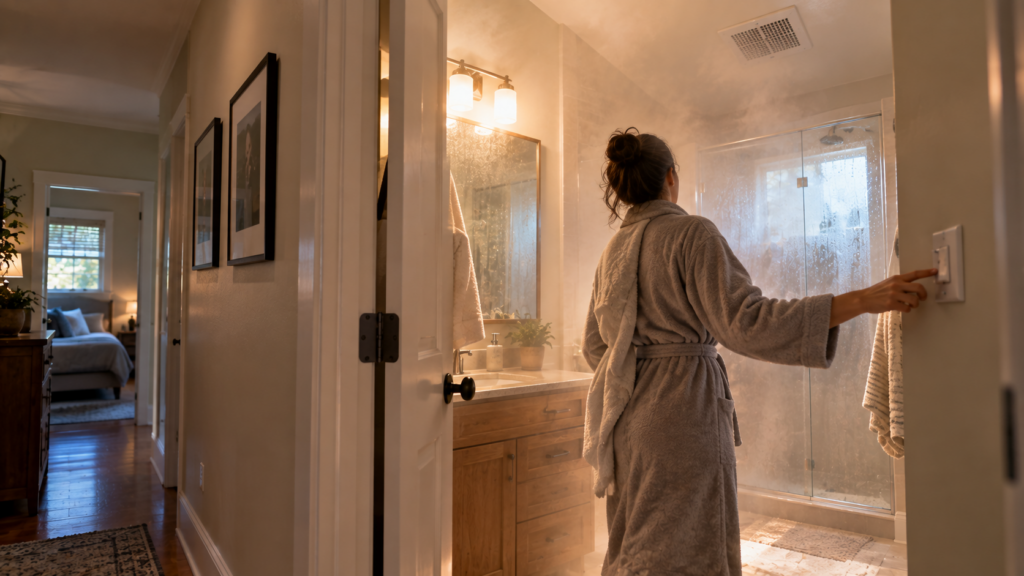
Temperature is only half the comfort equation. High indoor humidity makes heat feel more oppressive, and a steamy shower dumps additional moisture into the house. HVAC expert David Watkins recommends running the bathroom exhaust fan for about 15 minutes afterward to remove that moisture before it spreads. Air conditioning also removes humidity, so reducing the moisture load gives the system less work to do.
The Oven Is Fighting Your AC, Too

Dinner can become an accidental space heater. Ovens and stovetops release heat, while some cooking also adds moisture to the air. Dryers can warm their surroundings as well, which is why shifting laundry to cooler hours can help during extreme heat. On especially hot afternoons, cold meals, microwaves, outdoor grilling or other lower-heat cooking methods can spare the AC from battling heat generated inside the house.
If Nothing Works, Look Beyond Your Habits
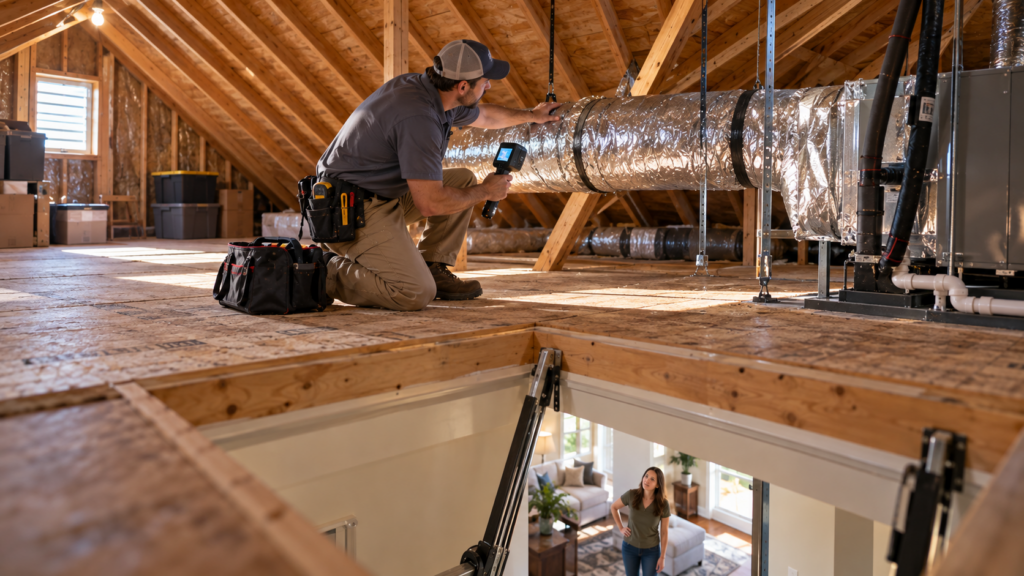
A few changed routines can reduce the burden on an AC, but they cannot fix a system that is undersized, poorly maintained or fighting a badly insulated house. A homeowner describing an AC that fell progressively behind as temperatures climbed was advised to investigate insulation, air leaks and whether the equipment was properly sized. If a system runs constantly yet still cannot reach its set temperature, that is the point where professional inspection matters more than another thermostat adjustment.