These 8 Houseplants Won’t Mind the Cold Rooms Most Plants Hate
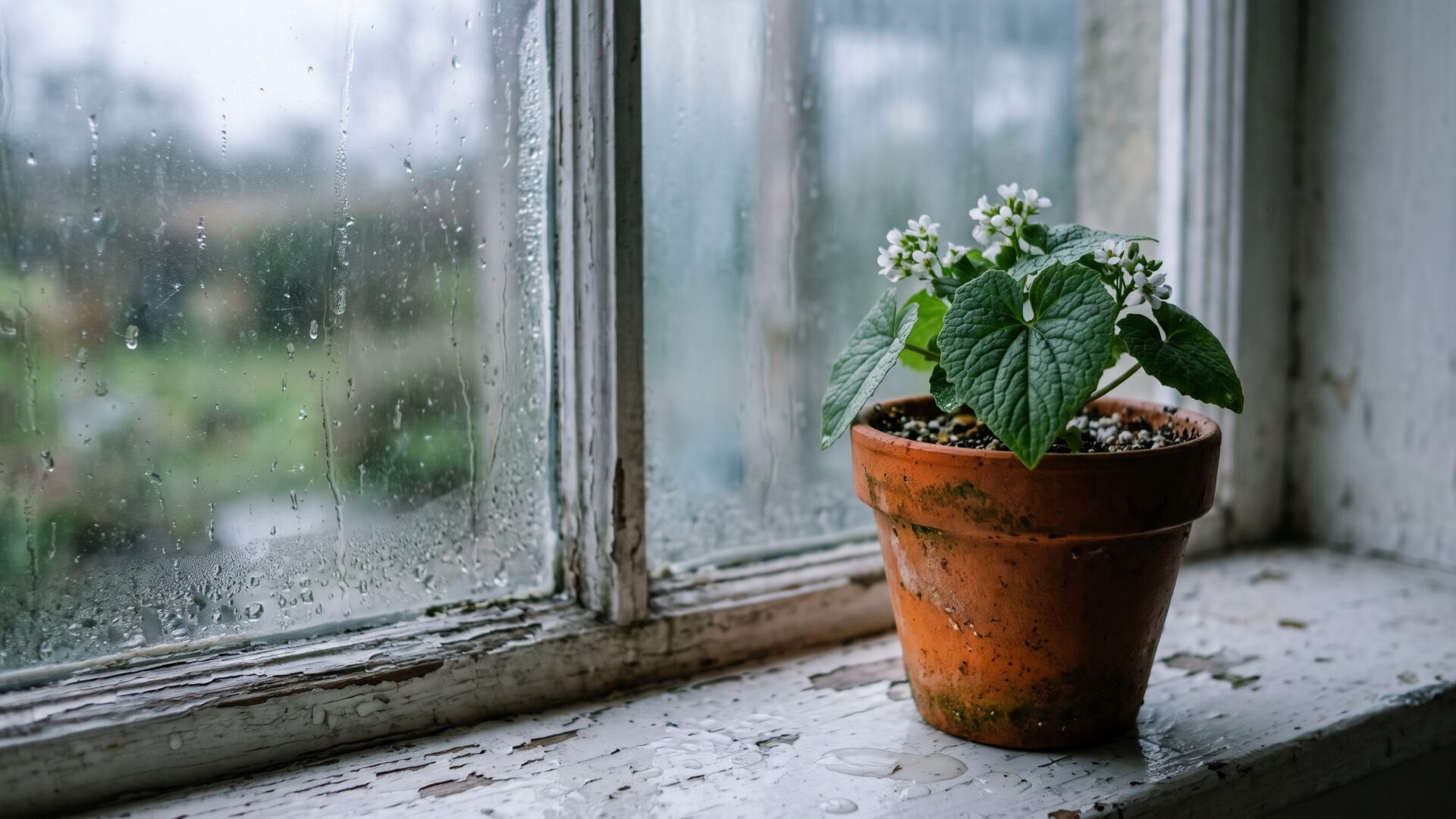

Cyclamen, Christmas cactus, English ivy, cast iron plant, inch plant, citrus trees, Japanese aralia and Norfolk Island pine all survive indoor temperatures that make typical houseplants sulk. Most tolerate a band running roughly 50 to 70 F, which is 10 to 21 C, and several of them flower in it rather than merely holding on. That band matters because it describes the air near a window in January, not the air in the middle of a heated room. Gardening Know How writer Amy Grant assembled the list in an article last updated on January 16, 2025. Each plant below comes with the temperature range it actually wants, so you can match a plant to the coldest spot you own.
This article was created with the assistance of AI and reviewed by our editorial team for accuracy and clarity.
Your thermostat is already too cold for most houseplants
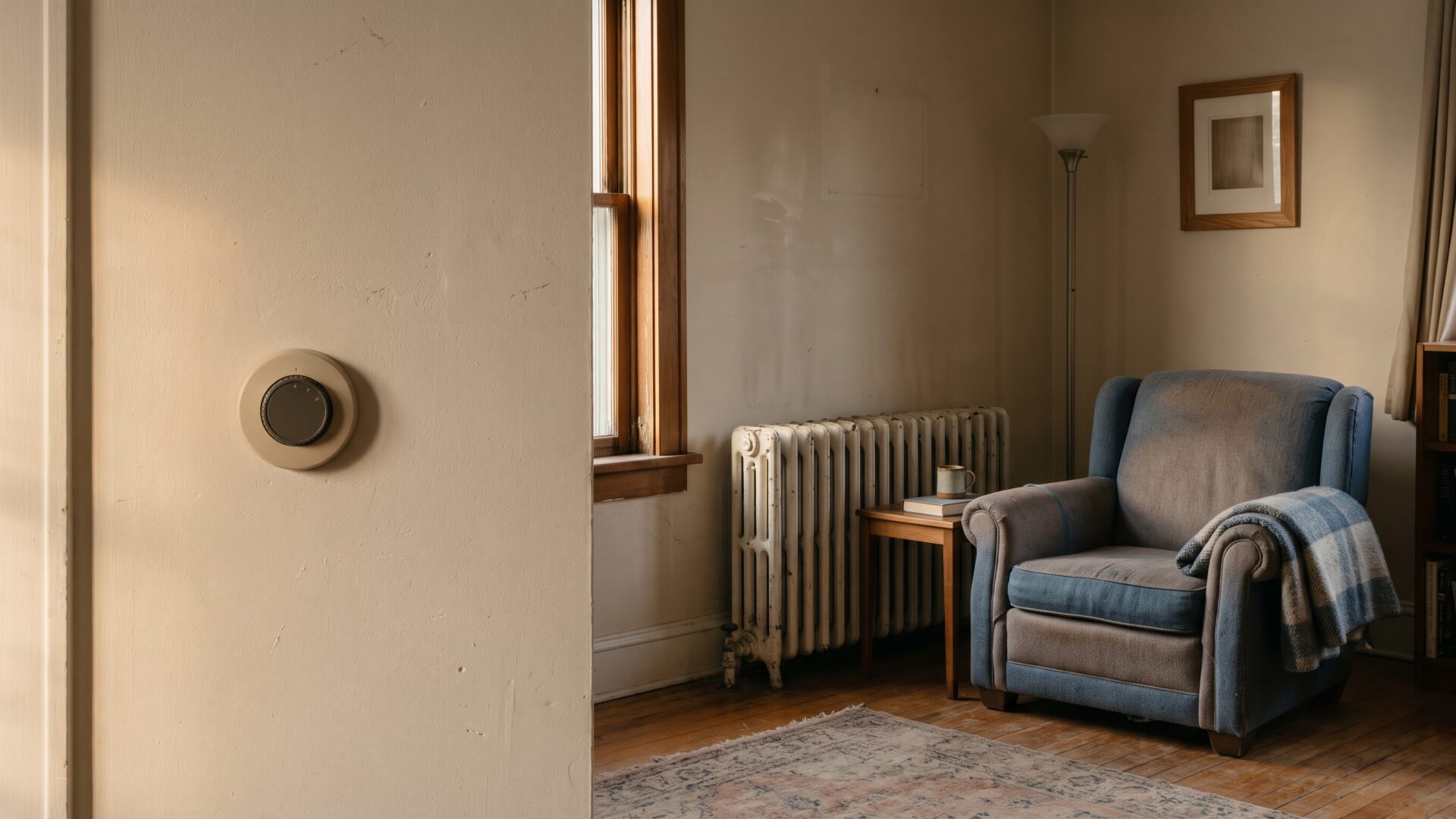
Here is the part people get backwards. The problem is not that your house is unusually chilly. It is that the standard houseplant is a tropical or subtropical species that prefers 70 to 80 F, and almost nobody heats a home to that. The US Department of Energy recommends setting a winter thermostat to 68 F during the day and turning it down overnight or when the house is empty. That is a sensible energy number and a mediocre number for a plant from a rainforest understory. So the average living room is already a compromise, and the windowsill is a further step down from there. Cold tolerance is not a niche requirement. It is the normal condition most houseplants are asked to survive.
Cyclamen flowers because the room is cool, not despite it
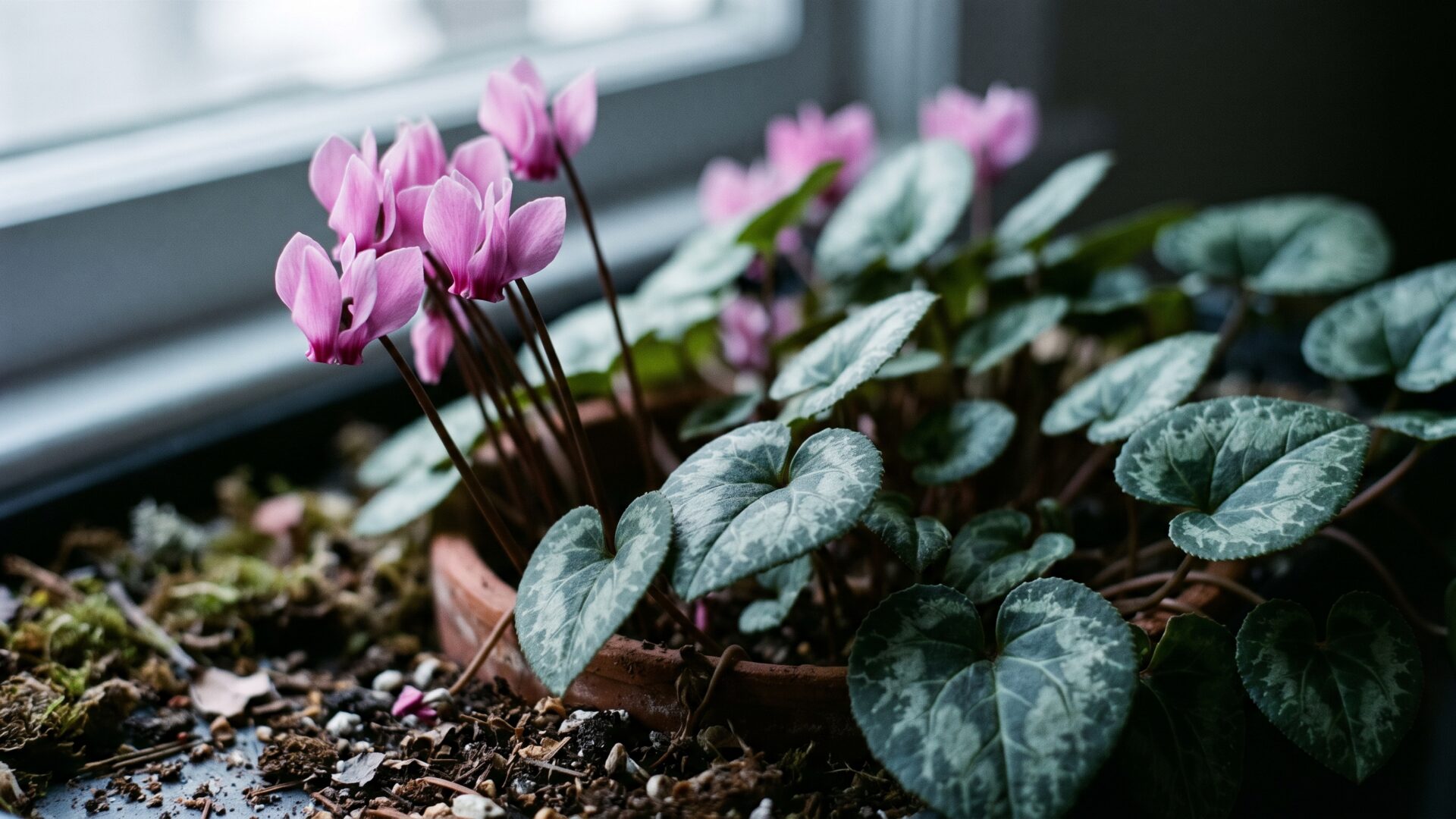
Cyclamen is a small tuberous perennial with heart shaped leaves marked with silver, producing pink, purple, red or white blooms. Its growth calendar runs opposite to most of what sits on a windowsill: it dies back over summer and returns in fall, which is why garden centers stock it from autumn into winter. Outdoors it is a USDA zone 9 to 11 plant. Indoors in colder zones it works as a cool season houseplant, grown in well draining soil in bright but indirect light. The flowering is tied to the season rather than fighting it, which makes cyclamen the unusual case where a cold room is the correct room rather than a compromise you are managing around.
Cast iron plant takes the widest span on the list
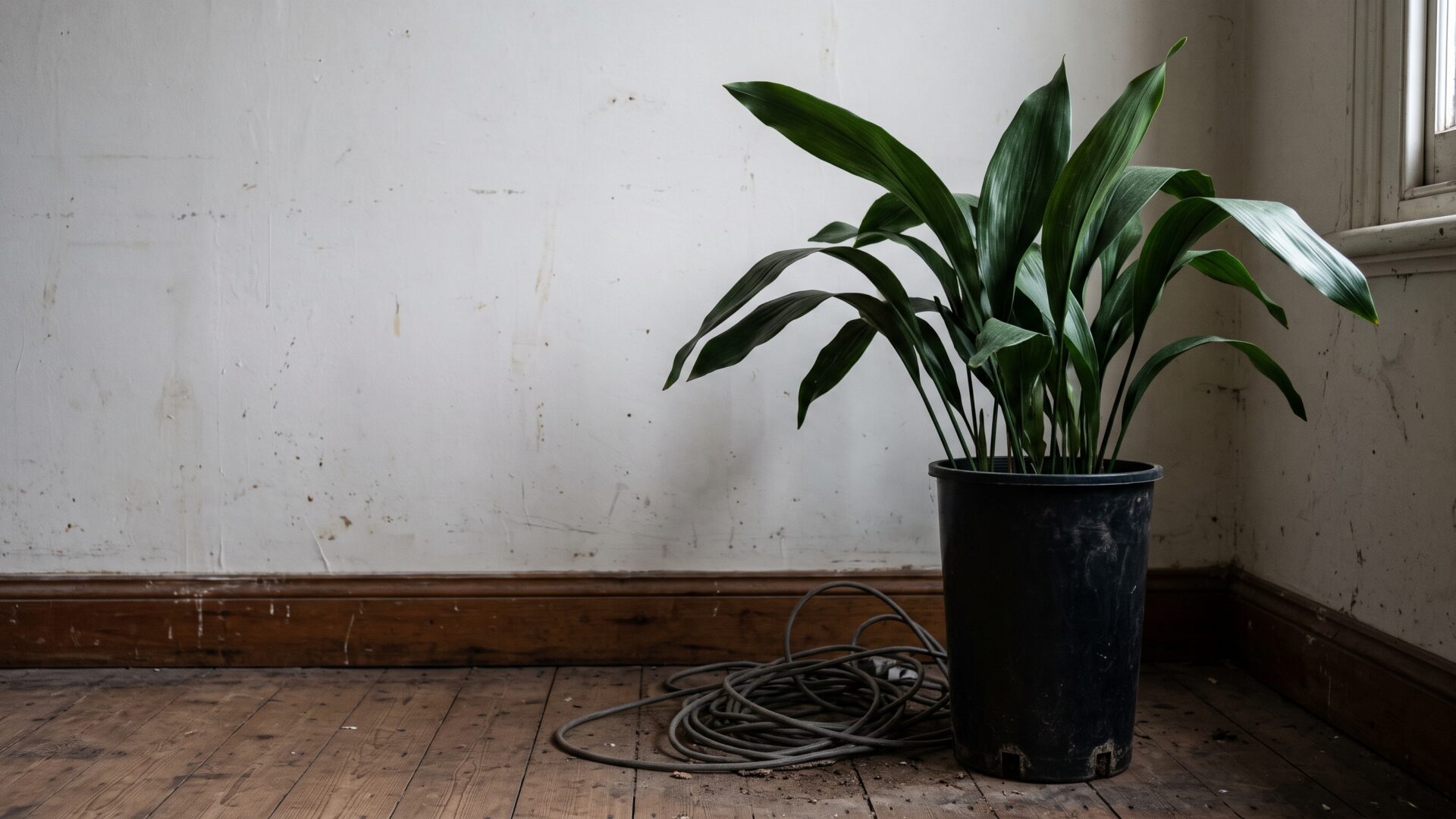
Aspidistra, sold as cast iron plant, handles 50 to 80 F indoors. That is a 30 degree working range, the broadest of the eight, and it explains the common name. Native to rainforest floors in Japan and China, it carries long, glossy green foliage and reaches about 2 to 3 feet tall, which is 61 to 91 cm. It is hardy outdoors across USDA zones 6 to 11, a reach no other plant here matches. Indoors it tolerates nearly any light level, which pairs well with cold spots that are also dim. Give it slightly acidic, fertile, well draining soil in a pot with drainage holes, and let the soil dry out roughly halfway down before watering again.
Christmas cactus needs darkness, not just chill, to bloom
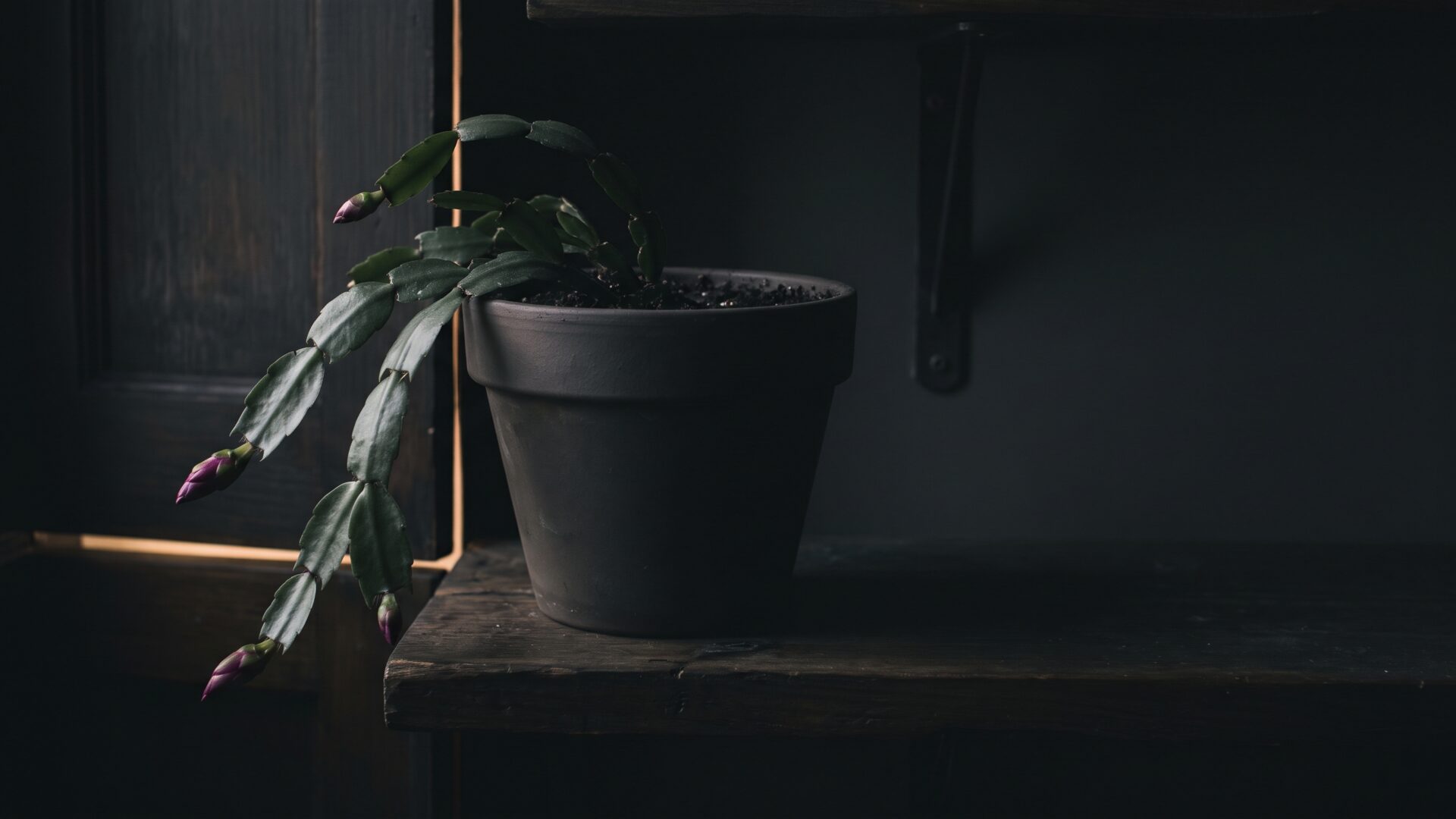
Christmas cactus flowers as days shorten, but the trigger is specific and easy to break. It requires 15 hours of uninterrupted darkness for four to six weeks, held at 55 to 65 F, which is 13 to 18 C. A lamp switched on in that room during the dark period interrupts the cycle. Outside that conditioning period, grow it at 60 to 70 F in bright indirect light and water when the top 2 inches of soil, about 5 cm, feel dry. One approach is to leave the plant outdoors in a shaded, protected spot until temperatures drop and buds set, then bring it in for the flowering. Plants given this treatment can live for decades, and it grows outdoors year round in zones 9b to 11.
Citrus wants a 10 degree swing between day and night
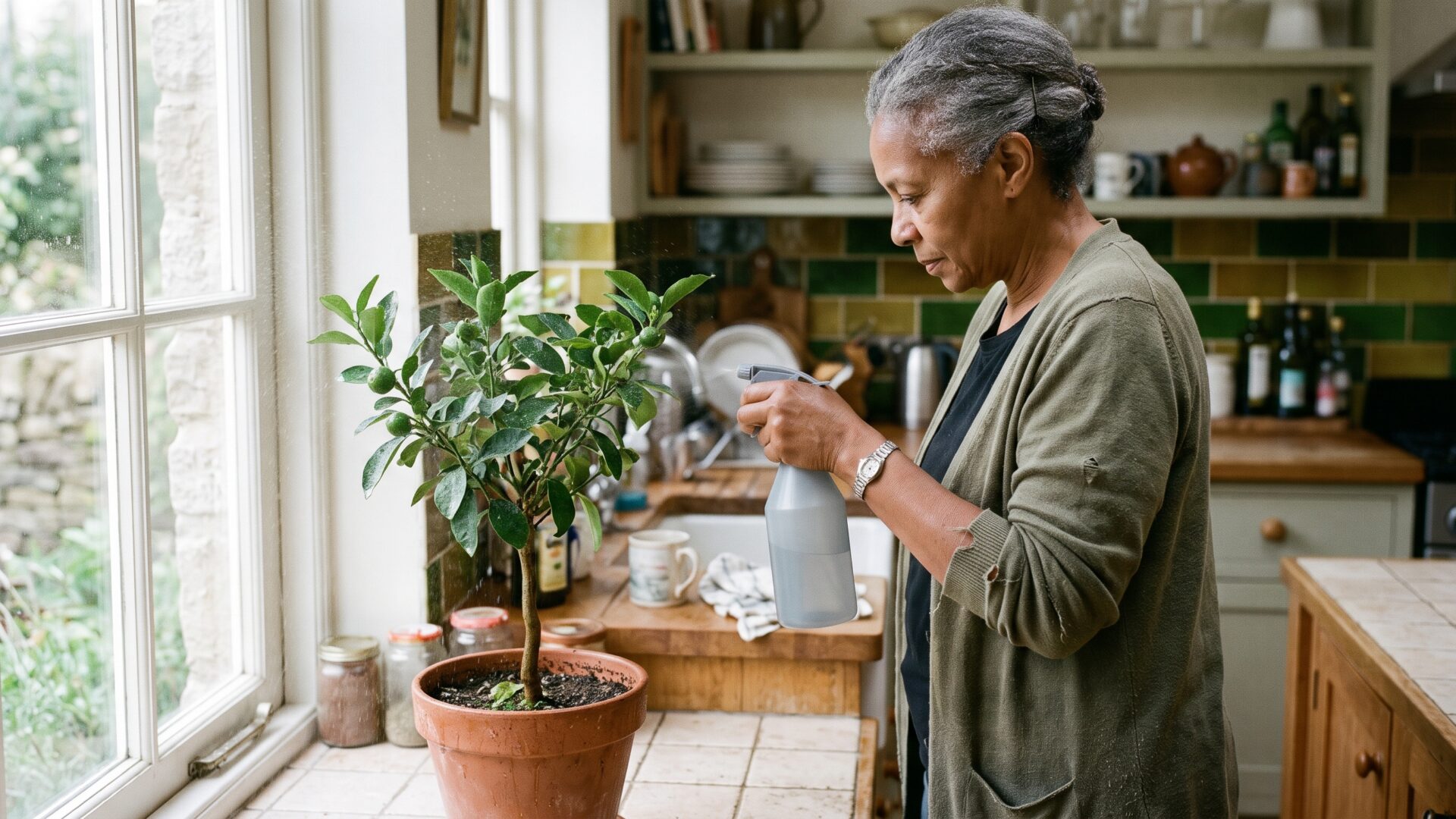
Citrus trees accept 55 to 85 F indoors, and through winter they can acclimate down to 50 to 60 F. More usefully, a variation of about 10 degrees between day and night encourages blooming, so the temperature drop near a window is doing something productive rather than just being endured. The limit is abruptness. Citrus is highly sensitive to drafts and sudden temperature changes, which is a different problem from steady cold. It also wants humidity, making a kitchen or bathroom a reasonable placement, or mist it a couple of times a day. Indoors it needs 6 to 8 hours of bright light daily, more if you can manage it, and it resents wet roots, so let the soil dry well between winter waterings.
The drafty windowsill is the mistake, not the cold itself
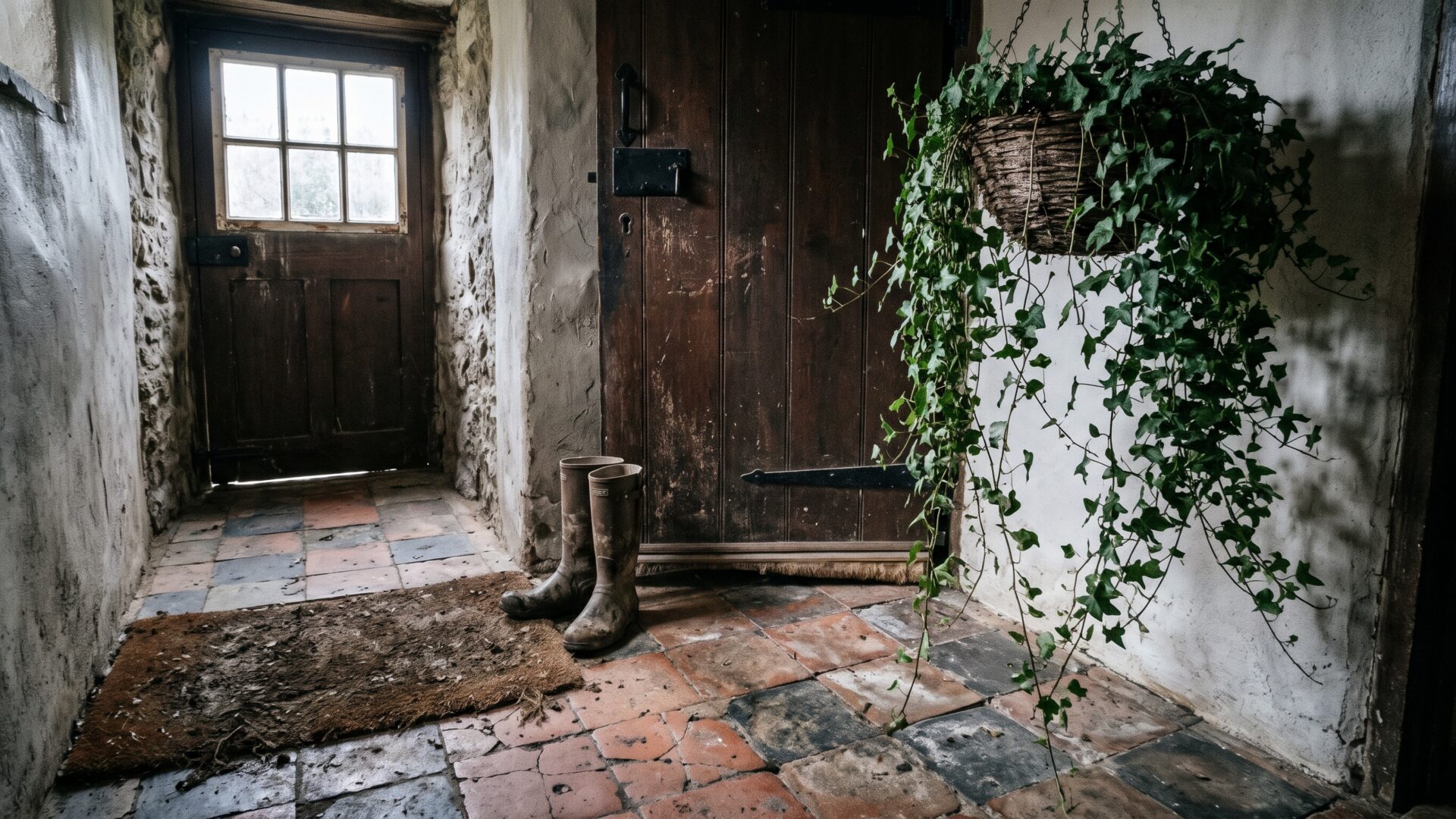
The eight plants here tolerate low temperatures. That is not the same as tolerating a cold draft, and conflating the two is how a cold tolerant plant still dies on a windowsill. Ivy is the clearest example. It happily sits at 50 to 70 F, the coolest range on this list, and still dislikes drafts along with direct sun. Citrus is listed as extremely susceptible to drafts and sudden swings. The failure mode is a repeated sharp change, not a steadily cool room, and overwatering compounds it because cool soil dries slowly. For ivy, let the top inch, about 2.5 cm, dry between waterings, and mist or shower the foliage occasionally, which also clears dust from the leaves.
Inch plant and Japanese aralia sit at the warmer end
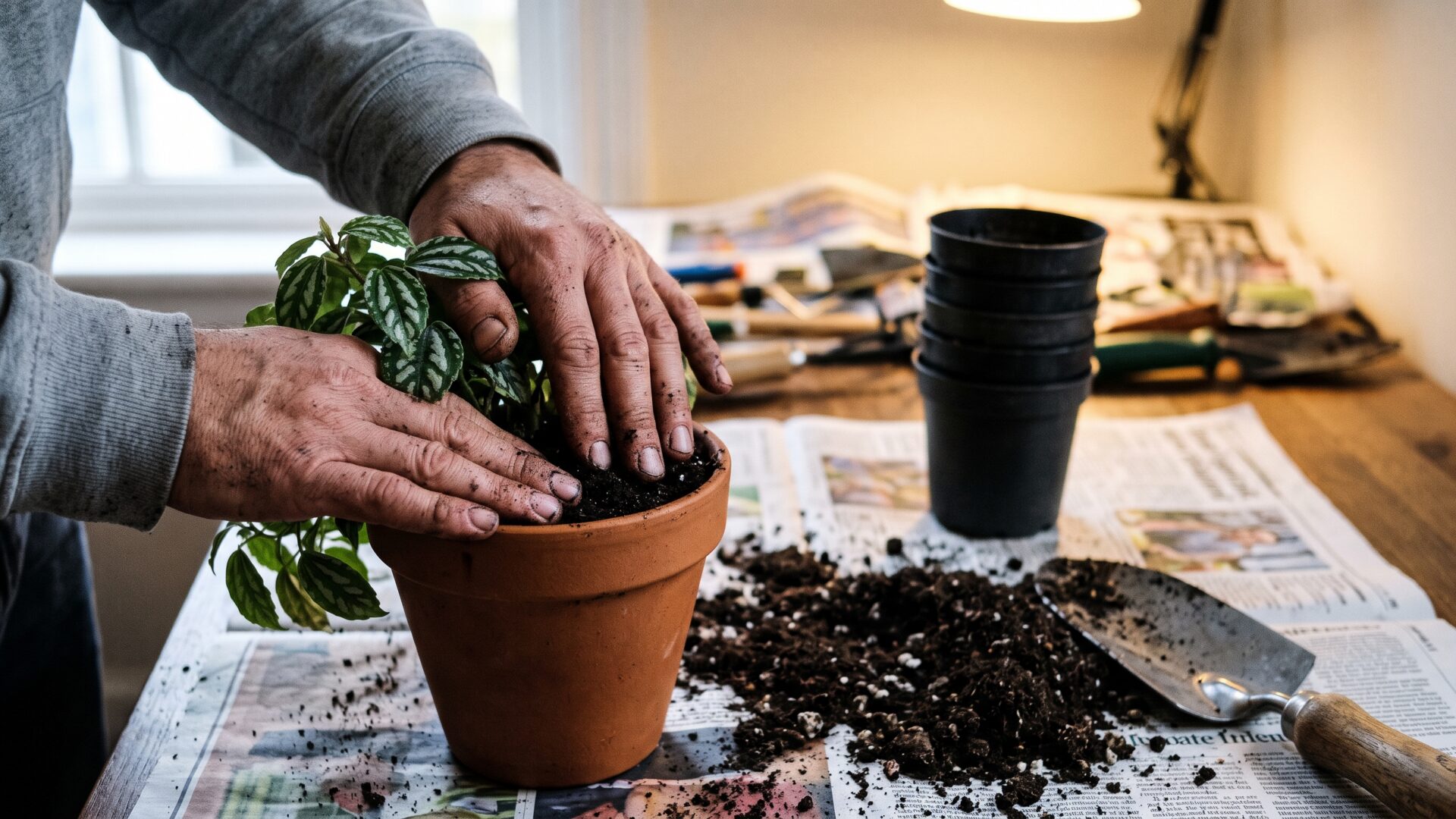
Not every plant on this list wants the coldest corner. Inch plant, with heart shaped leaves striped purple and marked silver, runs 60 to 80 F, which is 16 to 27 C. It is a trailing plant for acidic, organically rich, well draining soil, and brighter light makes violet, white or pink flowers more likely. Water when the top half inch is dry. Japanese aralia asks for 60 to 70 F in partial shade or indirect light, in well draining acidic soil. It is grown for large lobed leaves, flowers in fall and carries dark berries through winter. Outdoors in zones 8 to 10 it can reach 6 to 10 feet tall and as wide, though indoor conditions keep it well short of that.
Below 50 degrees, tolerance stops mattering
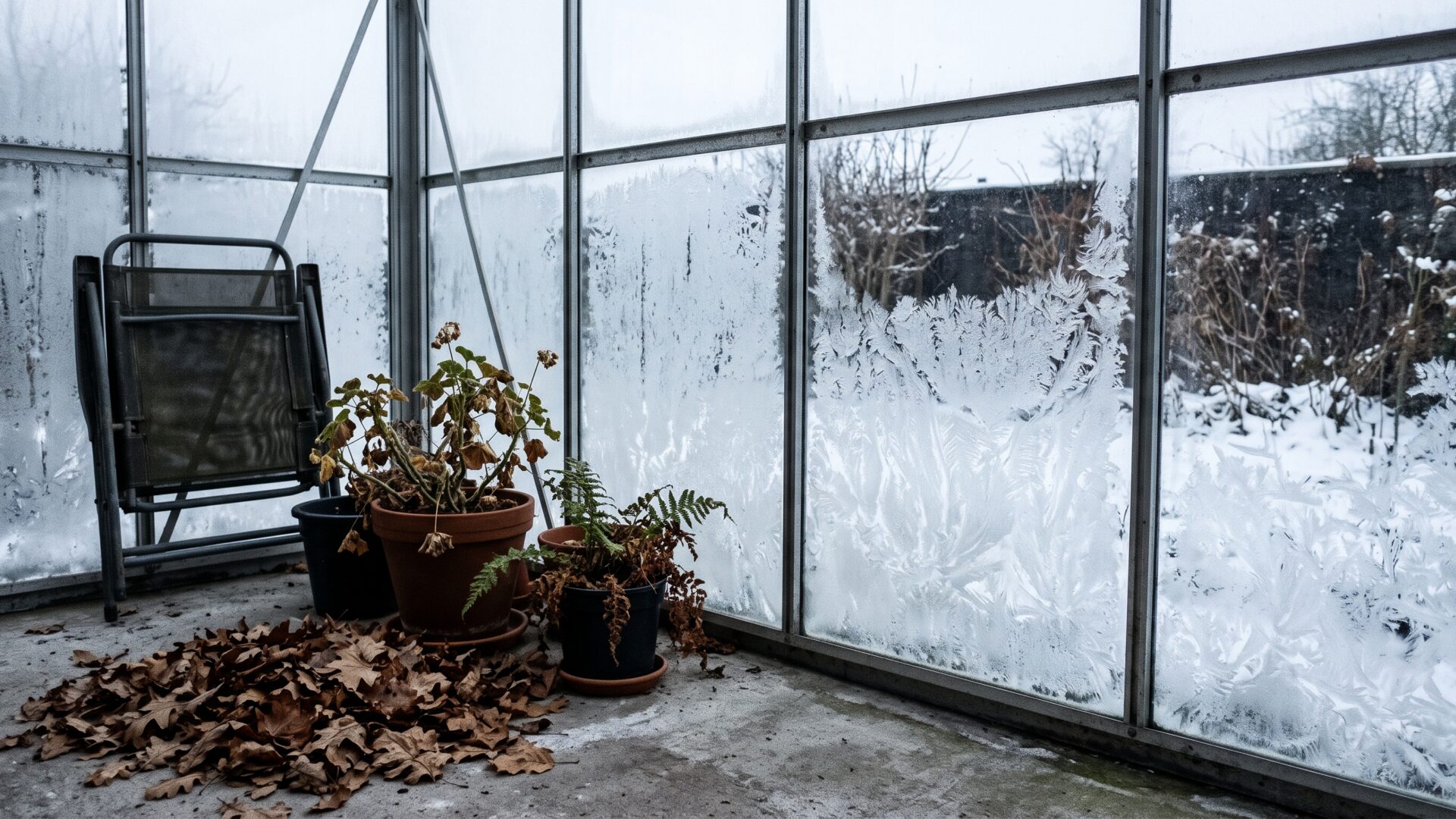
There is a floor, and it is specific. Gardening Know How puts the usual thriving band for houseplants at 65 to 75 F daytime, which is 18 to 24 C, and identifies temperatures below 50 F, or 10 C, as the point where most houseplants face serious damage or death. That figure is the one to measure against. Several plants here bottom out right at that line: ivy and cast iron plant at 50 F, citrus acclimating to 50 F in winter. None of them is rated below it. An unheated porch, a sunroom shut off from the furnace, or a window that frosts on the inside is operating under the floor, and cold tolerance on the label does not extend there.
The Norfolk Island pine is not a pine
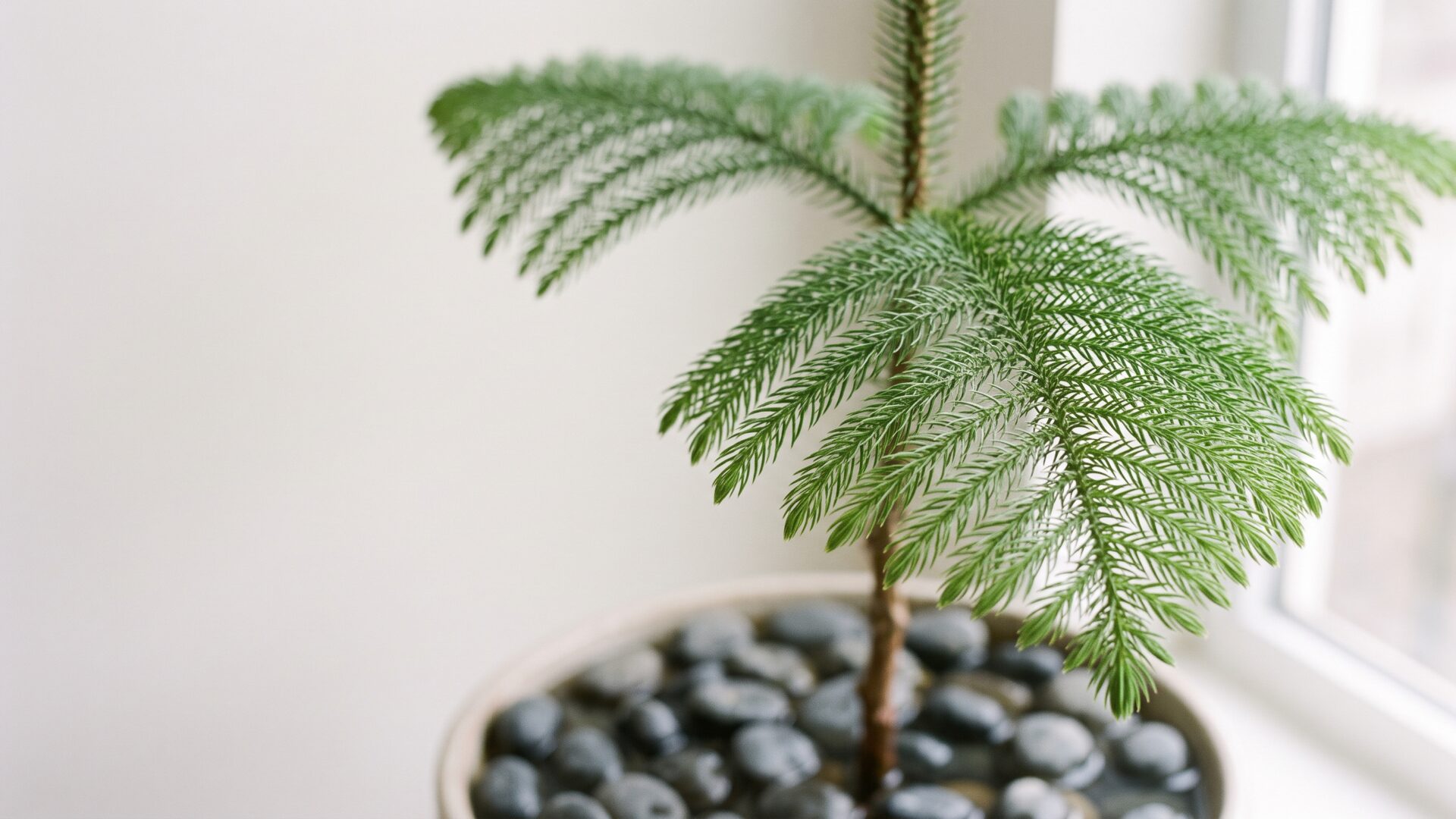
Sold every December as a miniature Christmas tree, Norfolk Island pine is not a pine at all. It is an araucaria from the South Pacific, and it does hold light ornaments well. Indoors it wants 60 to 70 F with six or more hours of bright indirect light in moist, sandy, well draining soil, reaching 8 to 10 feet tall and 2 to 3 feet across as a houseplant. It is hardy in zones 9 to 11. In its native rainforest the soil stays consistently moist. In a house, let the top inch dry before watering, and raise humidity with a pebble tray, a weekly misting or a nearby humidifier. It can move outdoors spring through fall while temperatures hold in the 50s.