These 6 Bills Could Be Costing You More Than Expected If You Leave Them on Autopay
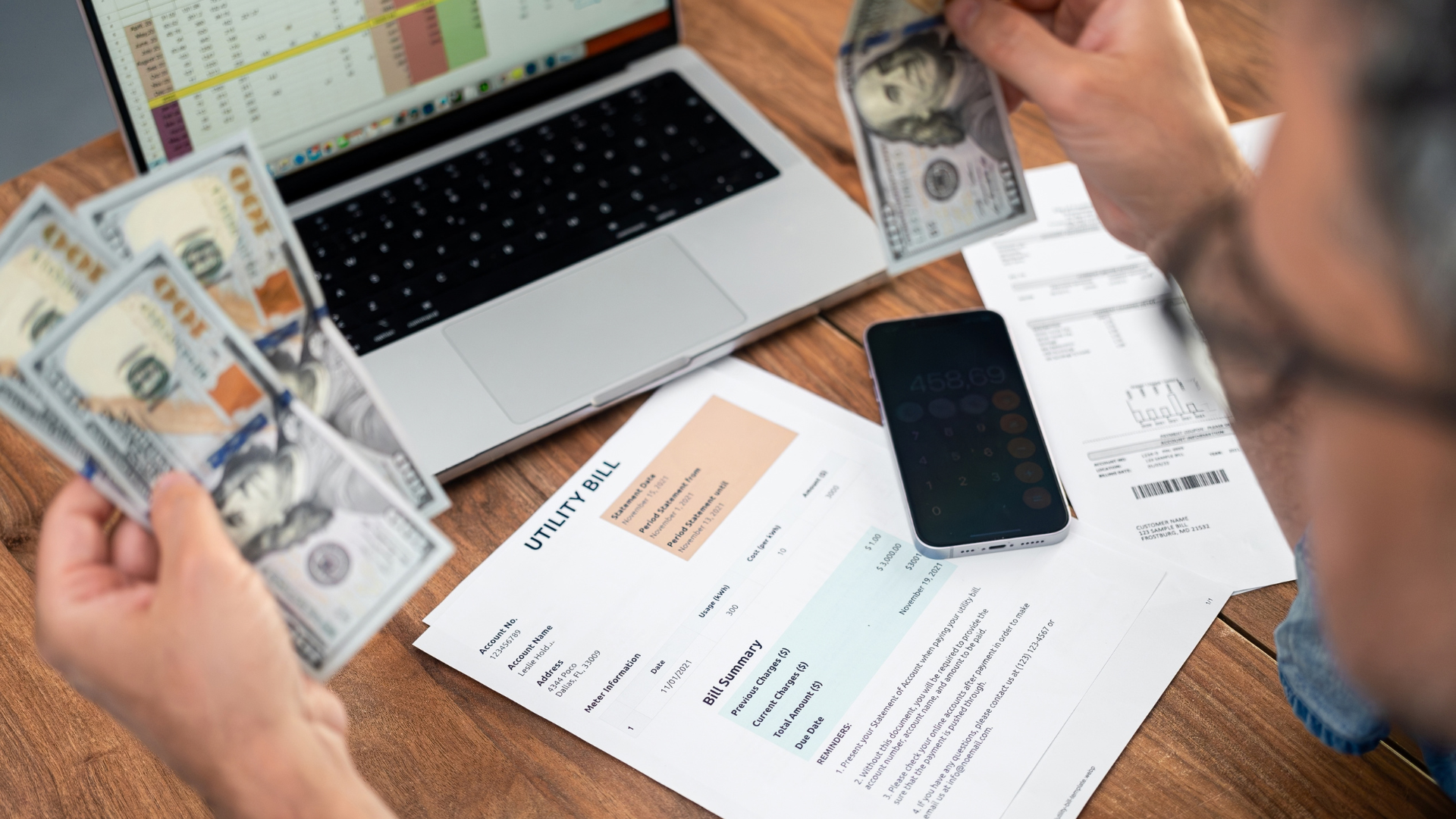

Autopay can be one of the easiest ways to avoid missed due dates, but financial experts warn that convenience can sometimes make it easier to overlook price increases, billing mistakes, or services you no longer use. MoneyLion identified six types of bills that may deserve closer attention before money automatically leaves your account each month. That does not mean everyone needs to turn off autopay completely, but regularly reviewing these expenses can help catch unexpected charges before they quietly become part of the budget.
Utility Bills Can Change Dramatically From One Month to the Next
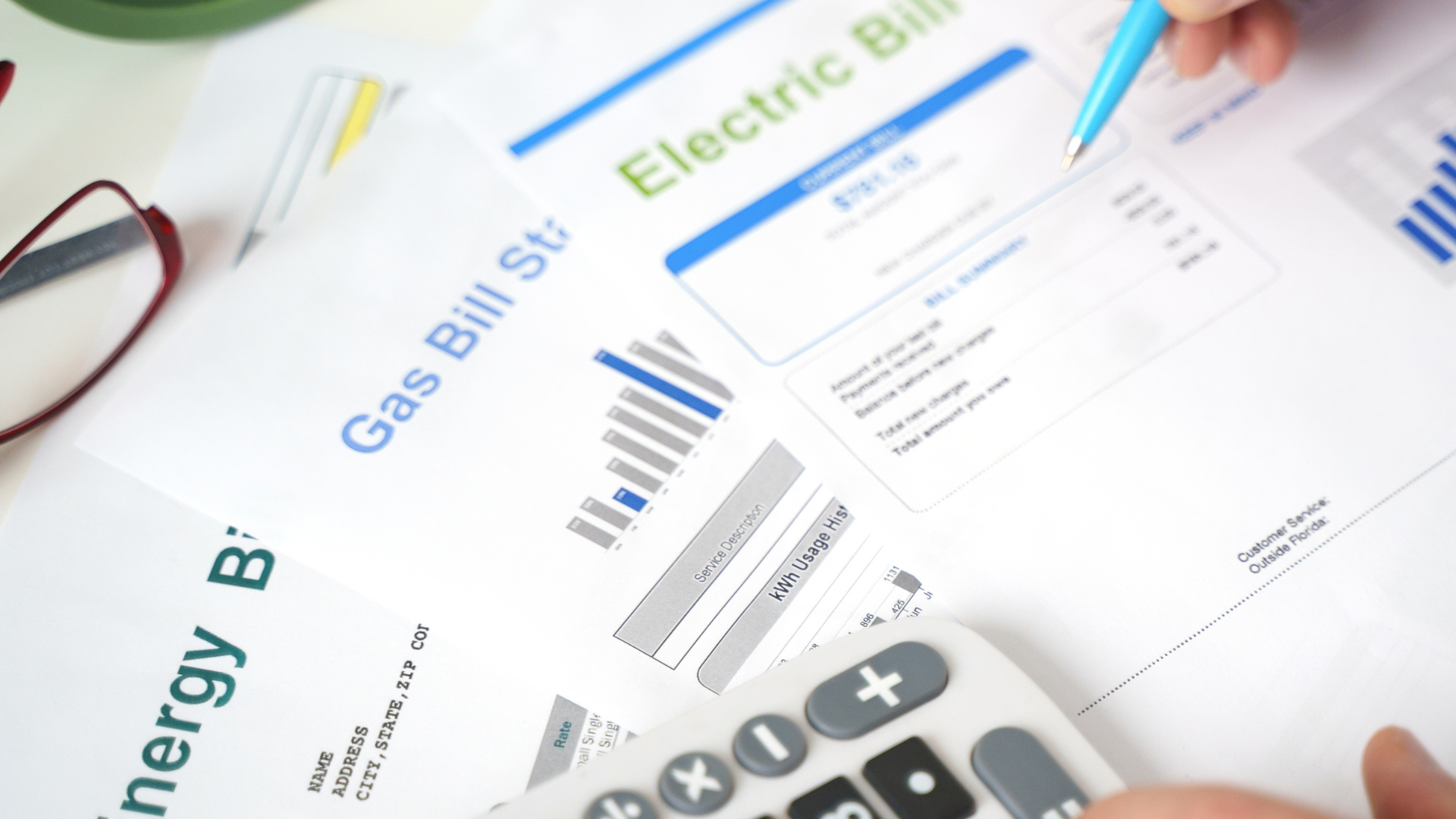
Electricity, water, and gas bills are rarely identical every month, which makes them easy places for an unusual charge to slip through unnoticed. Stephen Greet, CEO and co-founder of BeamJobs, told MoneyLion that seasonal changes and rate increases can cause utility costs to fluctuate, while an unexpectedly high bill could also point to an error or a problem such as excessive water use. Paying manually, or at least reviewing the statement before an automatic withdrawal occurs, gives households an opportunity to investigate a sudden increase instead of simply absorbing the extra cost.
Medical Bills Deserve a Close Look Before You Pay

Medical billing can involve insurers, healthcare providers, deductibles, copays, and third-party billing companies, leaving plenty of room for confusion before the final amount is settled. Greet warns that an automatic payment could be processed before an insurance claim has been finalized or a billing mistake has been corrected, potentially forcing the patient to pursue a refund afterward. Reviewing the explanation of benefits and medical statement first can help identify duplicate charges, incorrect services, or costs that should have been covered by insurance.
Credit Card Autopay Can Make Spending Easier to Ignore
Automatic credit card payments are useful for avoiding missed due dates, but they should not become an excuse to stop reading the statement. Greet says recurring subscriptions, small purchases, and forgotten charges can quietly accumulate when consumers know the final bill will simply be paid automatically. Reviewing transactions every month can help uncover unauthorized purchases and unused memberships while also providing a clearer picture of how much everyday spending has grown.
Cable and Internet Prices Can Rise After Promotions End

Cable and internet customers may sign up at an attractive introductory price only to discover that the monthly charge increases once a promotional period ends. Financial expert Andrew Lokenauth told MoneyLion that these increases can be easy to miss when the payment happens automatically, potentially allowing a more expensive rate to continue for months without being questioned. Checking the bill provides an opportunity to identify new fees or price changes and decide whether it is worth contacting the provider, changing plans, or comparing competitors.
Gym Memberships Can Keep Charging Long After You Stop Going

A gym membership can become surprisingly expensive when someone stops exercising there but never gets around to canceling the recurring payment. MoneyLion notes that cancellation procedures can sometimes be complicated, while rates can also change, making gym charges particularly important to monitor. Someone who manually reviews the expense every month is repeatedly reminded to ask whether the membership is still being used enough to justify its cost instead of allowing it to disappear among other automatic withdrawals.
Insurance Premiums Shouldn’t Disappear Into the Background

Insurance is an essential expense for many households, but automatically paying the premium can make gradual increases easier to overlook. Lokenauth says regularly reviewing insurance bills can alert consumers to premium changes and encourage them to compare rates elsewhere, while also providing an opportunity to check whether their coverage still fits their needs. Autopay may still make sense for someone concerned about accidentally allowing important coverage to lapse, but that convenience should be paired with regular policy and premium reviews.
Autopay Isn’t Automatically the Problem
There is another side to the argument because automatic payments can prevent late fees, missed payments, and potential service interruptions, particularly for predictable recurring bills. The real danger comes when setting up autopay also means someone stops opening statements or checking account balances, since even automated bills can contain errors or unexpected changes. Consumers who prefer the convenience can keep it while setting transaction alerts, reviewing statements monthly, and maintaining enough money in the linked account to avoid failed payments or overdrafts.
Fixed Bills Are Usually Better Candidates for Automation
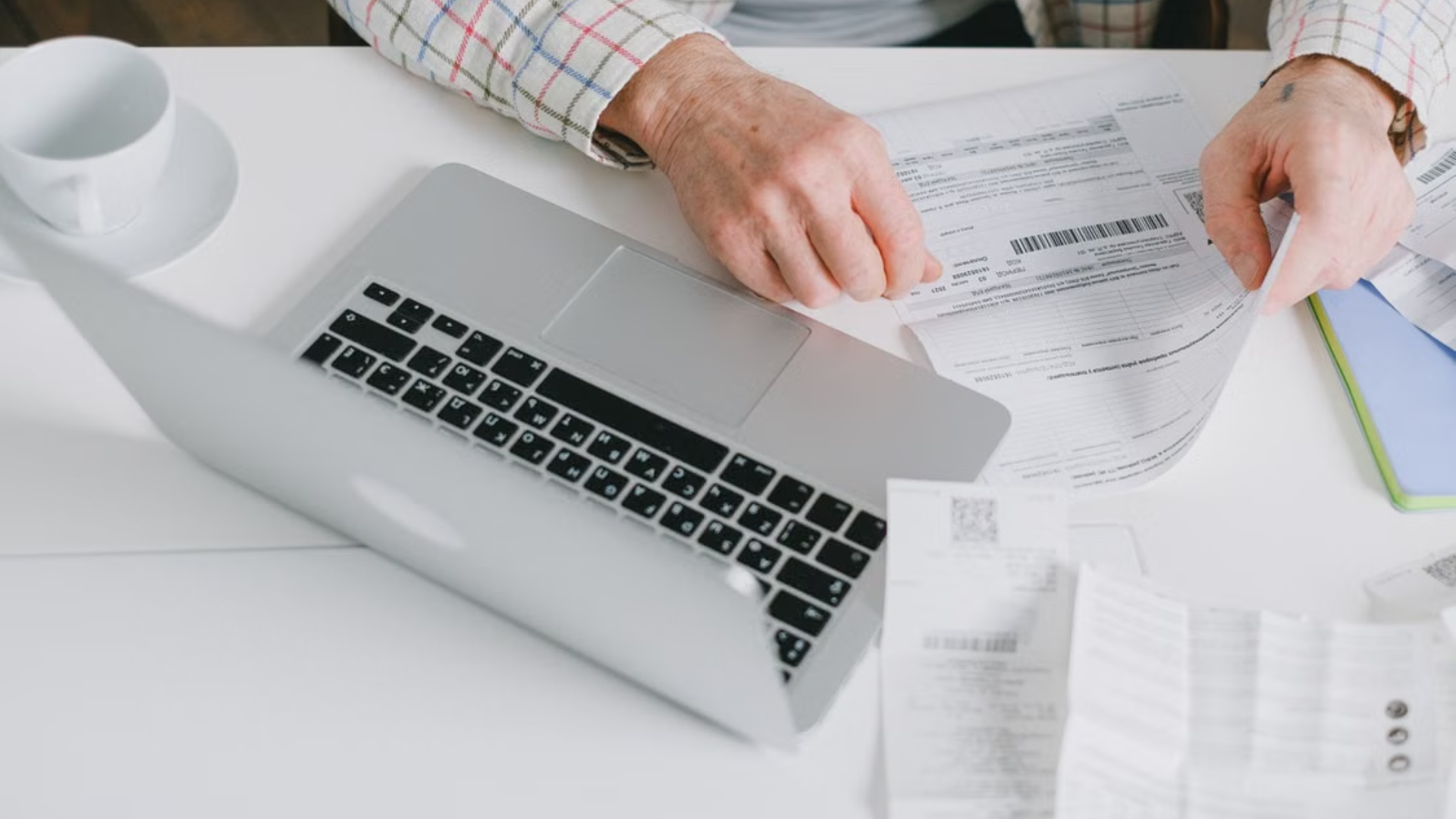
Bills with predictable amounts are generally easier to automate because there is less risk of a sudden withdrawal disrupting the monthly budget. Financial guidance cited by GOBankingRates notes that fixed recurring expenses such as rent or mortgage payments can work well with autopay, provided the account consistently has enough money available when the payment is processed. Variable or error-prone expenses deserve more scrutiny, making the most practical strategy less about choosing between all-manual or all-automatic payments and more about deciding which bills require closer supervision.
A Few Minutes of Review Could Keep Autopay From Becoming an Expensive Habit
Autopay itself does not make utility bills, medical expenses, credit cards, internet service, gym memberships, or insurance more expensive, but it can make increases and mistakes easier to miss when no one is looking at the statement. MoneyLion’s experts ultimately recommend maintaining more oversight over bills that fluctuate, frequently contain errors, or provide opportunities to negotiate a better price. Whether that means paying manually or simply reviewing every statement before the withdrawal, staying engaged with recurring expenses can help ensure convenience does not quietly turn into unnecessary spending.