The Verdict Is In: Can Humans Actually Have Healthy Babies in Space?
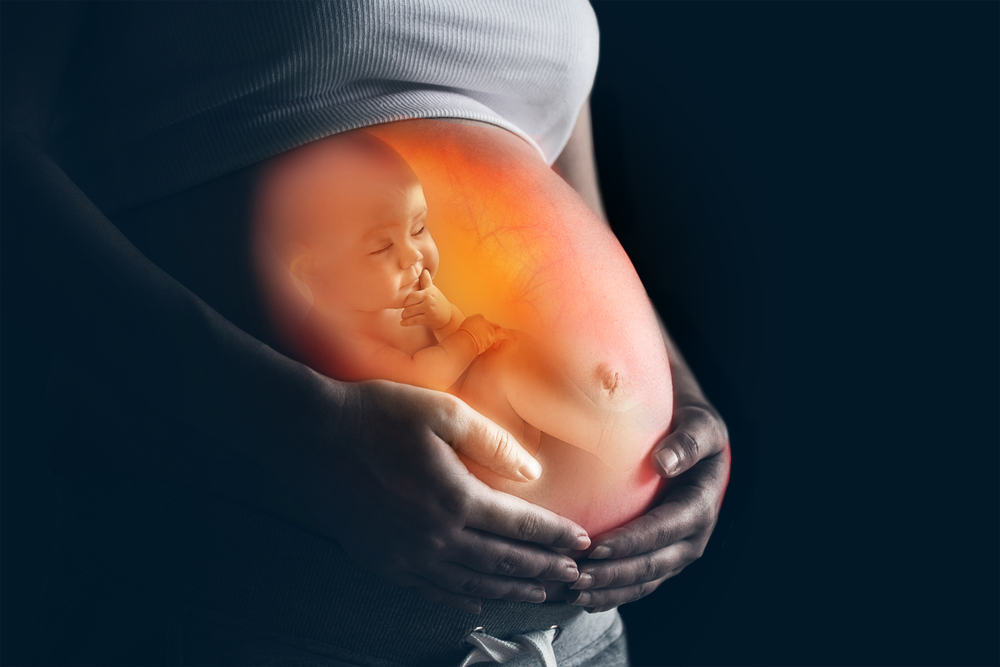

Talk of colonizing Mars and building lunar bases often skips one fundamental question: can humans safely reproduce beyond Earth? A growing body of research suggests we are far from having a clear answer. Scientists studying radiation, microgravity, and reproductive biology say the risks remain largely unknown, and that uncertainty carries serious implications for any long-term space settlement.
A Question We’ve Barely Studied
In February 2026, IFLScience reported on a multidisciplinary review warning that “we have no idea if it’s safe to have babies in space,” highlighting how little direct human data exists. Despite more than six decades of human spaceflight, no conception or childbirth has ever occurred off Earth. Most astronaut missions have been short, and pregnancy has remained a contraindication for space travel.
Researchers of the study published on Reproductive BioMedicine Online described reproduction in space as an “urgently practical” issue as missions grow longer and commercial flights increase. They argue that space is no longer just a destination; it is becoming a workplace, and reproductive health can no longer sit on the sidelines.
Cosmic Radiation and DNA Damage

One of the most serious concerns is radiation. Outside Earth’s magnetic field, astronauts face galactic cosmic rays and solar particle events that can damage DNA. According to the Cureus review on human reproduction in space, ionizing radiation can disrupt gametogenesis and increase oxidative stress, with potential consequences for fertility and embryonic development.
The gonads are particularly sensitive to radiation exposure. In animal studies, radiation has been linked to temporary infertility in males and structural changes in ovarian tissue, raising concerns about what sustained exposure during a Mars mission could mean for future parents.
Microgravity and Early Development
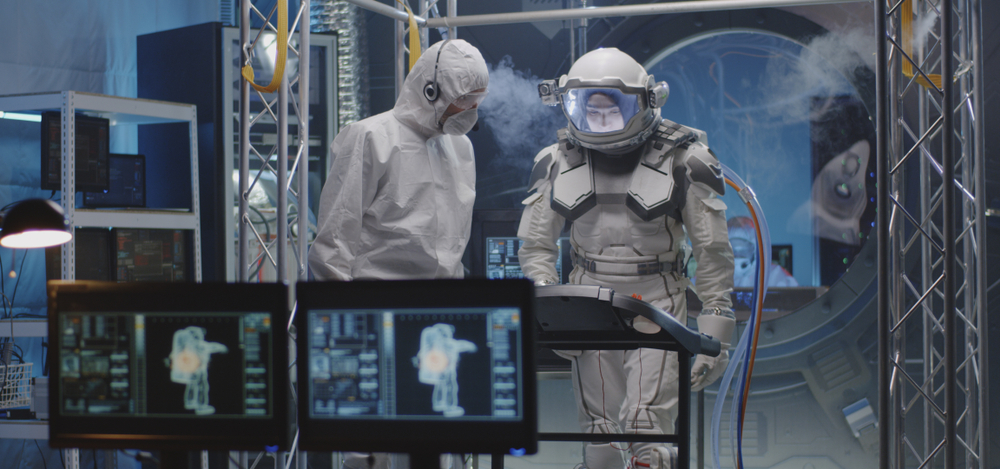
Gravity plays a quiet but critical role in human biology. On Earth, embryogenesis, implantation, and cell division unfold under constant gravitational force. In microgravity, that stable reference disappears.
The Cureus review describes how simulated microgravity can disrupt ovarian follicle structure, reduce oocyte maturation rates, and interfere with meiotic spindle organization. In mouse experiments conducted in space, preimplantation embryos showed impaired blastocyst development and lower live birth rates compared to Earth controls, suggesting that gravity may influence early developmental pathways.
What We Know From Female Astronauts
Data from female astronauts offers limited reassurance. Pregnancy outcomes after short-term missions in low Earth orbit appear comparable to those of age-matched women on Earth. However, those astronauts flew relatively brief missions and did not conceive in space.
Most female astronauts suppress menstruation during missions using hormonal methods, a practice detailed in the Cureus review. None have carried a pregnancy during flight, and no data exists on conception during extended deep-space travel. The gap between short shuttle missions and multiyear Mars expeditions remains wide.
Male Fertility in Orbit

Male reproductive health faces its own challenges. Total and free testosterone levels can decrease during space missions lasting around two weeks. Radiation exposure may temporarily reduce sperm count and damage seminiferous tubules, although these effects appear reversible after return to Earth.
Laboratory studies simulating microgravity have also shown reduced epididymal sperm counts and increased germ cell apoptosis. While no astronaut has reported sexual activity in orbit, the physiological evidence suggests that prolonged exposure to space conditions could influence male fertility in ways that are not yet fully understood.
Animal Studies Offer Clues
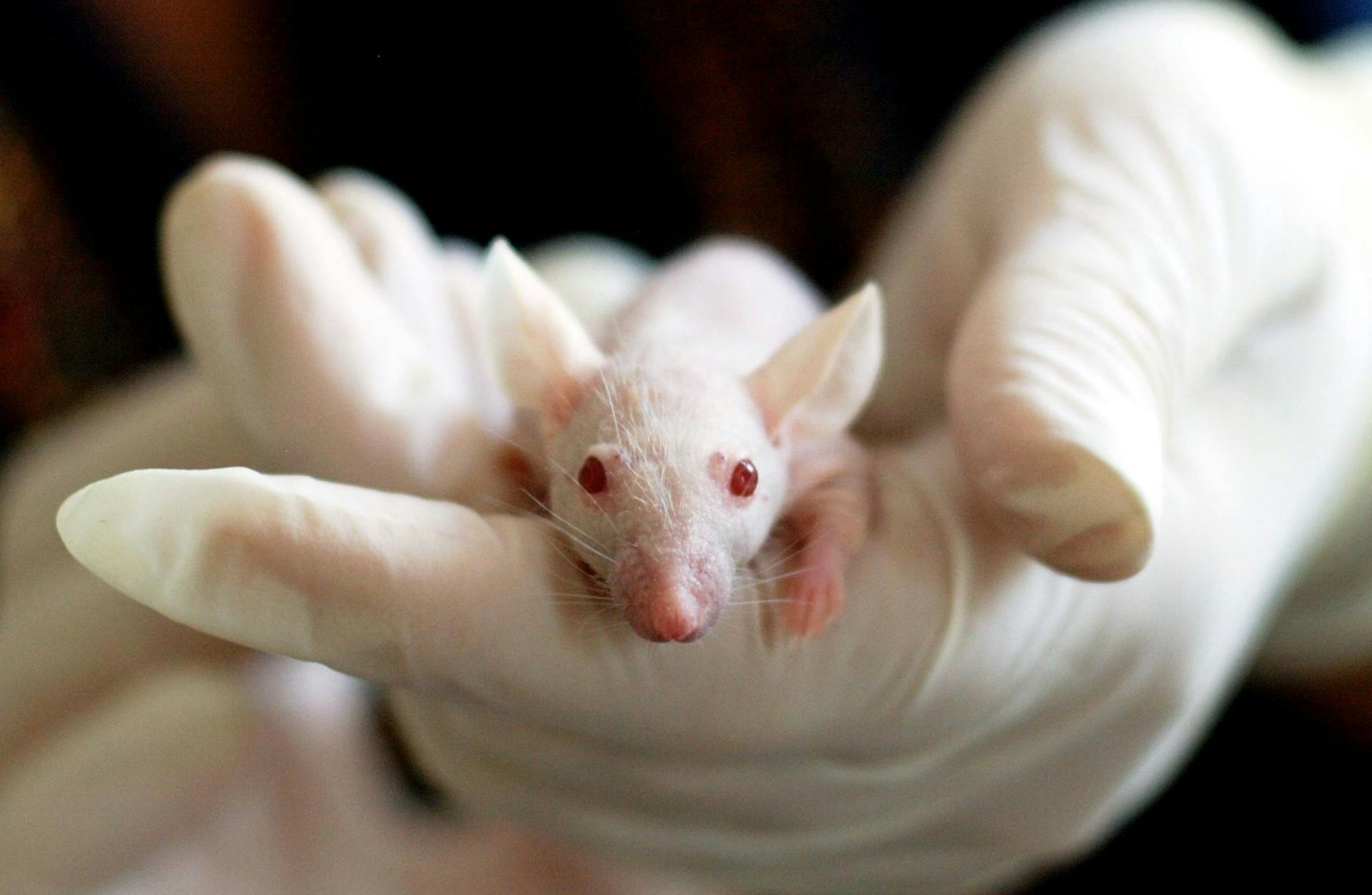
Since direct human data is unavailable, researchers rely heavily on animal models. Rat studies conducted aboard biosatellites found altered fetal development, delayed skeletal growth, and higher early mortality rates among offspring conceived during spaceflight. Some surviving offspring reached adulthood and reproduced, offering partial reassurance.
Mouse experiments have produced mixed findings. Some pregnancies proceeded to term with viable offspring, while others showed reduced birth rates and developmental delays. Scientists note that radiation may play a larger role than gravity in causing DNA damage during these missions.
Assisted Reproductive Technology in Space?
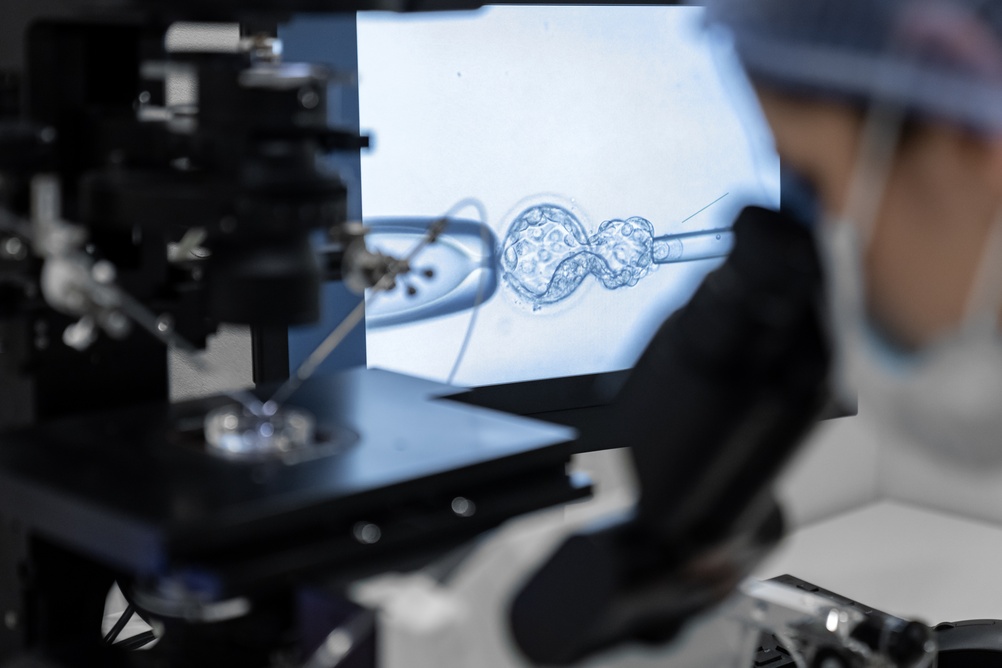
As space missions extend, some researchers have begun asking whether assisted reproductive technologies could function in orbit. Giles Palmer, a clinical embryologist and co-author of the research published on Reproductive BioMedicine Online, said IVF technologies are “mature, portable and increasingly automated,” and could theoretically adapt to space environments.
Still, the authors emphasize that they are not advocating for conception experiments in space. Instead, they call for frameworks that address foreseeable risks, including gamete preservation, embryo culture, and genetic screening under extraterrestrial conditions.
Ethical Questions We Can’t Ignore

Beyond biology, reproduction in space raises ethical dilemmas. Researchers highlight the absence of widely accepted standards for managing reproductive risks during missions. Questions about consent, medical responsibility, and fetal protection become more complex in environments far from Earth-based care.
Dr. Fathi Karouia, a NASA research scientist and senior author of the report, stated that reproductive health can no longer remain a “policy blind spot” as humanity moves toward sustained presence beyond Earth. International collaboration will likely shape any future guidelines.
Short Missions vs. Deep Space

So far, most reassuring data comes from short missions in low Earth orbit. IFLScience noted that shuttle-era astronauts did not show elevated pregnancy complications after returning home. That evidence cannot automatically extend to multiyear journeys beyond Earth’s protective magnetic shield.
Radiation exposure during interplanetary travel could be far higher than on the International Space Station. Long-duration microgravity may also influence endocrine systems, circadian rhythms, and stress responses in ways that affect reproductive physiology.
The Real Verdict
Right now, the honest answer is uncertainty. Animal studies show that conception and development in space are biologically possible under some conditions, yet they also reveal measurable disruptions in fertility and embryonic growth. Human data remains limited to post-flight outcomes rather than in-flight conception.
Scientists agree on one point: before humans attempt to raise families beyond Earth, reproductive health research must catch up with space exploration. The dream of becoming a multiplanetary species depends not just on rockets and habitats, but on whether human biology can safely follow.