The Untold Story of Lilith the Mysterious Woman Before Eve


For thousands of years, one name has slipped in and out of religious texts, folk tales, and hushed warnings passed between mothers. Lilith was never meant to be forgotten, yet she was never fully explained either. Some called her a demon. Others called her Adam’s first wife. Today, plenty call her a feminist icon.
Her staying power is the strange part. Most ancient figures fade into footnotes, but Lilith kept resurfacing, reshaped by whichever era needed her most. She terrified Babylonian parents, unsettled medieval rabbis, and now shows up on baby name lists and streaming shows. Few figures in religious history have shapeshifted this dramatically while keeping the same name.
So who was she, really? The honest answer involves three very different Liliths stitched together over three millennia: a night demon, a rebellious wife, and a modern symbol of independence, according to the Jewish Women’s Archive. Untangling them means starting at the very beginning, long before anyone thought to place her in the Garden of Eden at all.
Long Before the Garden
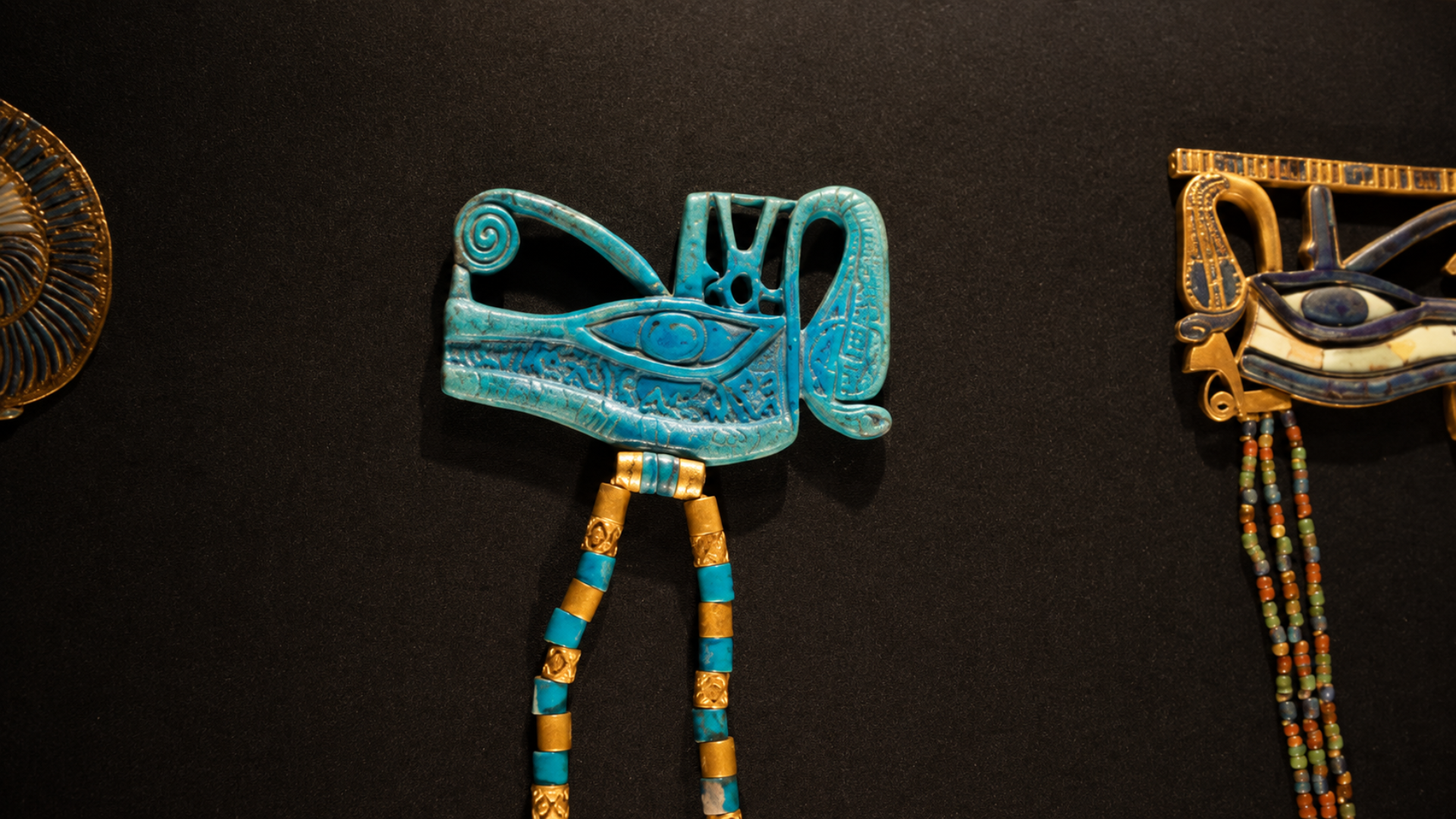
Lilith’s story doesn’t start with Adam. It starts more than 3,000 years ago in Sumerian and Babylonian mythology, where night demons called lilû and lilītu preyed on households after dark. They were widespread fears baked into daily life across ancient Mesopotamia, long before Judaism existed as a religion.
Her name eventually crossed into Hebrew scripture, though barely. The word “lilit” appears once, in Isaiah 34:14, describing a creature haunting ruined land. That single mention is the closest Lilith ever gets to the Bible. She has no backstory there, no husband, no exile from Eden. Scholars still debate whether the verse even refers to a demon or simply a bird.
The “first wife of Adam” story arrived centuries later. The Alphabet of Ben Sira, a satirical medieval text written between 700 and 1000 CE, invented the version most people know today, according to JWA’s archive of the original text. In it, Lilith is formed from the same soil as Adam, refuses to submit to him, and flies away after invoking God’s name. It reads less like doctrine and more like protest literature dressed as scripture.
Lilith’s Darkest Chapter
Once Lilith fled Eden, folklore needed somewhere to send her fury. She became the figure blamed for stillbirths, infant deaths, and complications in childbirth, a role that stuck for centuries across Jewish communities. In eras when child mortality was devastatingly common and poorly understood, Lilith gave grieving families a name for their tragedy.
Parents responded the only way superstition allowed: with protection rituals. Amulets inscribed with the names of three angels were hung near cribs and birthing rooms to ward her off, according to Britannica’s entry on Jewish folklore. Incantation bowls buried under homes in ancient Iraq and Iran served the same purpose. Fear of Lilith wasn’t abstract. It shaped how families prepared for birth.
Modern scholars are careful to draw a hard line here. Lilith has never been part of official Jewish law or biblical canon. She’s a folk figure, not doctrine, absent from the Torah entirely despite her outsized reputation, as Wikipedia’s sourced overview of her origins confirms. That distinction matters, because it’s exactly what let later generations reinvent her without rewriting scripture.
Lilith in Modern America

That reinvention arrived with the feminist movement of the 1970s. Jewish feminists looked at a demon defined by her refusal to submit and saw something else entirely: a woman who chose exile over obedience. Lilith stopped being a warning and started being a role model, embodying autonomy in a way few ancient figures ever could.
That shift shows up in unexpected places today. Data from Nameberry shows the name Lilith climbing in popularity among American parents, particularly Millennials and Gen Z drawn to names with mythological weight. She’s also become a fixture in pop culture, appearing in shows like Chilling Adventures of Sabrina and inspiring Halsey’s 2021 song bearing her name.
Lilith never got a tidy ending, and that’s precisely why she endured. A demon, a rebel, a role model: each version reflected exactly what its era feared or admired in an independent woman. Eve was written into scripture with a clear story. Lilith was written into the margins, and somehow that made her impossible to erase.