The U.S. Passport’s Lowest Ranking in a Decade Comes With a Bigger Warning
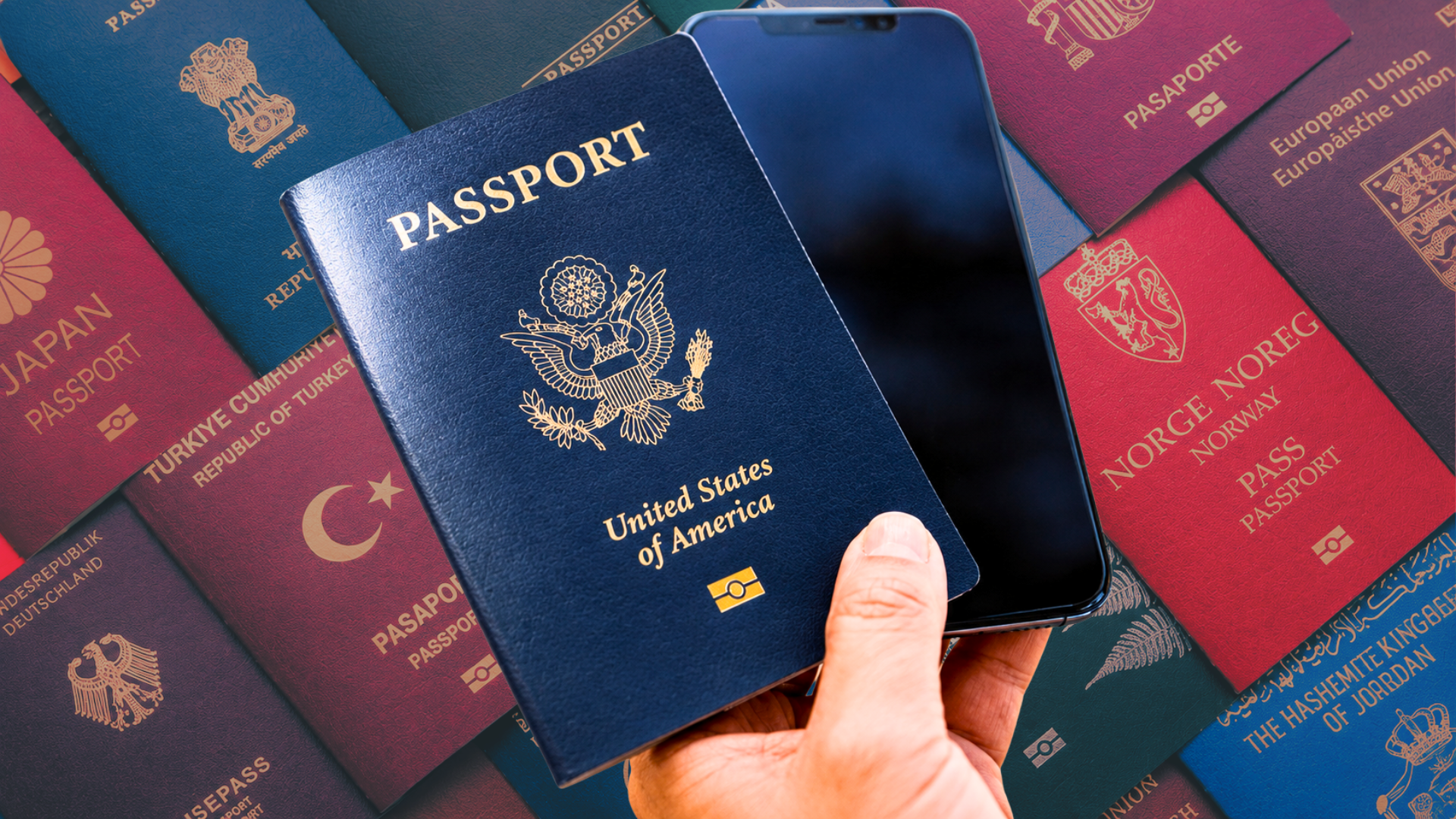

The United States passport just fell out of the world’s top ten for the first time in a decade. According to the Henley Passport Index, the U.S. dropped to 10th place in 2026, tied with Iceland, its weakest position since 2016. Singapore now holds the top spot, while Japan, South Korea, and the United Arab Emirates share second place. Immigration attorney Richard T. Herman told Newsweek the American passport remains powerful, but “the direction is a warning.”
30 countries now rank ahead of the United States, many of them tied. Belgium, Denmark, France, Germany, and a dozen other European nations share 4th place. Sweden sits alone at 3rd. The State Department told Newsweek that Americans still enjoy visa-free or visa-on-arrival access to hundreds of destinations worldwide, calling it proof of the country’s close global partnerships. Herman sees a different story forming beneath those numbers.
Americans can travel to roughly 180 destinations without a visa, according to the latest index. The U.S. Visa Waiver Program, meanwhile, only permits visa-free entry for citizens of 42 participating countries. Herman calls that imbalance evidence of an increasingly transactional approach to international mobility. Tom Topol, a historical travel documents expert, points to a stricter pattern behind that number, one shaping how the rest of the world now treats American travelers in return.
Only 42 Countries Get Visa-Free Access to the U.S., While Americans Get 180
Topol told Newsweek that countries like Singapore, Japan, and several European nations have kept negotiating broad visa-waiver agreements for years. The United States, he said, has maintained “strict, security-focused immigration policies at home” instead of pursuing similar deals. That gap, he argued, has steadily cost the U.S. its footing in a global environment built on expanding reciprocal travel arrangements. The pattern, he said, shows no sign of reversing.
Wichita State University professor Usha Haley told Newsweek that visa access usually comes down to reciprocity. She pointed to security concerns, immigration politics, and the demanding requirements of the U.S. Visa Waiver Program as forces limiting Washington’s ability to offer the same access Americans receive abroad. Those requirements, she explained, make it harder for the U.S. to strike the open agreements other nations have embraced.
The United States has largely stood still on that front while other nations moved fast. China opened its doors to citizens of several European countries without requiring a visa. American passport holders received no such offer. They still need a visa to enter China, making the U.S. one of the few highly ranked passport countries without that access. Herman calls that exclusion a telling example of the wider trend.
China Opens Its Doors to Europe While Brazil Shuts One on the U.S.
Herman points to Europe’s regional cooperation and a wave of new visa concessions as proof of how far ahead other passport holders have moved. Topol calls China’s unilateral waivers a clear signal, arguing that American travelers are being left behind in what he describes as “a rapidly opening global landscape” that the United States has largely opted out of. Neither expert expects that gap to close soon.
Brazil recently reinstated visa requirements for American citizens, reversing a policy that once let U.S. travelers enter freely. Topol attributes the move to a lack of reciprocity, framing it as a direct response to how selective the United States remains with its own visa waivers. The decision adds Brazil to a growing list of countries recalibrating their relationship with American travelers.
Haley says countries including Singapore, Japan, South Korea, and the United Arab Emirates have negotiated new access more aggressively than the U.S. has in recent years. Those nations, she says, have converted diplomatic and commercial relationships into greater mobility for their citizens. The pattern raises a bigger question about what the ranking actually reveals about America’s standing in the world. Experts say that question matters more than the number itself.
A Pocket-Sized Report Card on America’s Global Standing
Haley insists the ranking does not mean American power has collapsed. “The United States has not suddenly become weak,” she told Newsweek, describing the decline as a structural trend that has unfolded across both Republican and Democratic administrations. That timeline, she says, rules out any single president or policy as the cause. The erosion, in her view, has been building for years.
Herman agrees the story is less about Americans losing access abroad and more about other nations improving their own positions. He calls the American passport “extraordinarily powerful” even now, but says the country’s relative advantage has thinned as competitors open doors for each other while the United States holds its current course. Haley adds that the trend signals a gradual erosion in diplomatic agility and soft power.
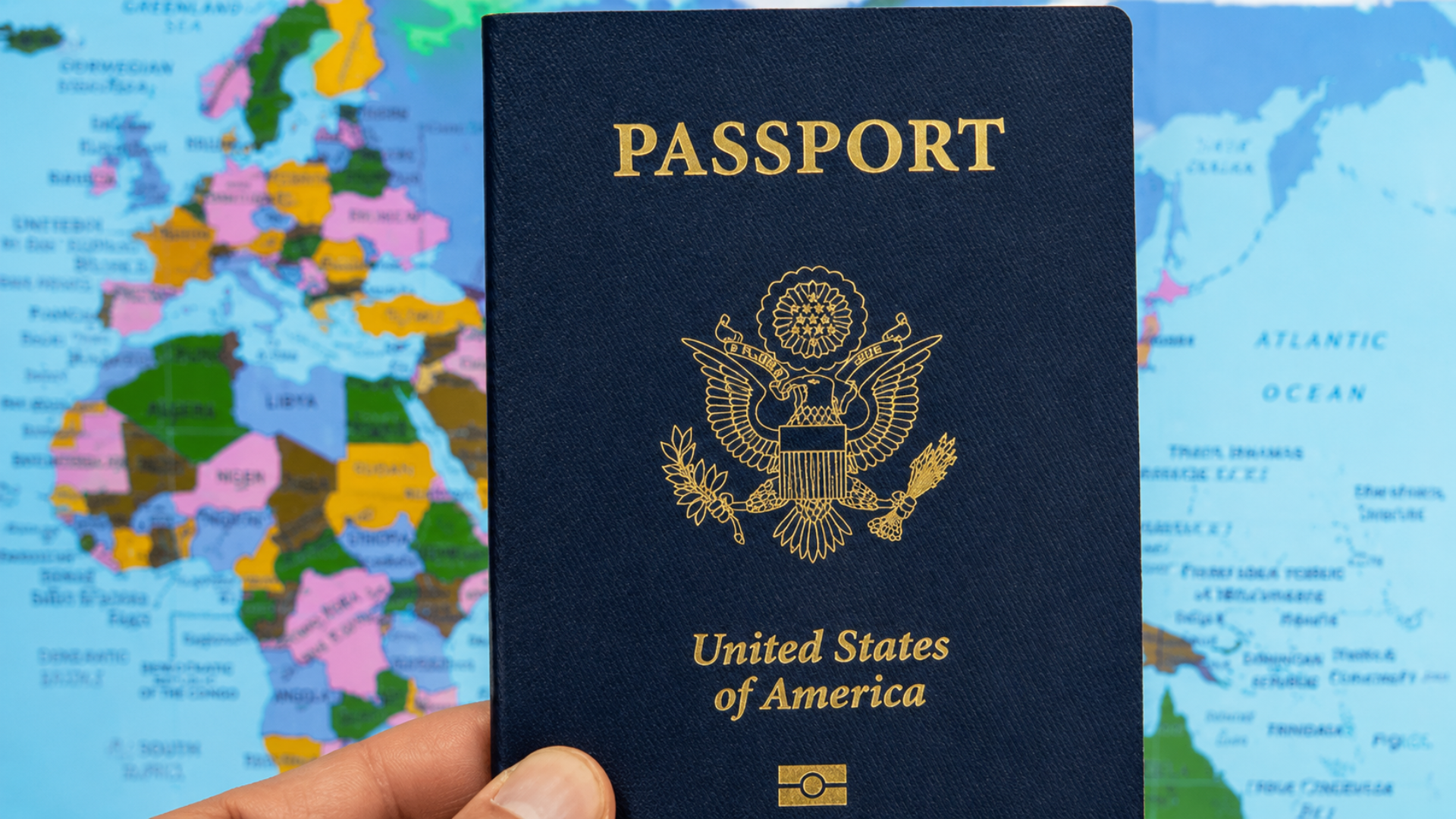
For Herman, the lesson extends beyond travel documents entirely. A passport, he says, works as “a pocket-sized report card on a country’s relationships with the world,” and nations that invest in diplomacy, trust, and reciprocity are the ones that climb the rankings. His conclusion is blunt: global influence cannot be taken for granted, and a country that wants its citizens welcomed abroad has to keep earning that welcome.