The AI Boom Has an Electricity Problem, and America Is at the Center of It


AI may feel weightless when a chatbot produces an answer in seconds, but the infrastructure behind it is anything but. In 2025, U.S. data centers consumed an estimated 312.6 terawatt-hours of electricity, representing 39.7% of all data center electricity use worldwide. China accounted for 26.1% and Europe 18.4%, putting America firmly at the center of a rapidly growing global energy challenge.
The Numbers Are Growing at Remarkable Speed

This is not simply a case of the United States owning a large slice of a stable market. Worldwide data center electricity consumption reached 787.8 TWh in 2025, nearly 20% above 2024 and about 92% higher than in 2020. U.S. consumption rose 25.5% in 2025 alone, and America accounted for roughly half of the worldwide increase that year.
AI Has Changed the Hardware Equation

Traditional data centers already handled everything from streaming television to cloud storage. Generative AI adds workloads requiring exceptionally powerful chips operating together at enormous scale. Advanced GPUs can require substantially more power than traditional processors, and large AI models may run hundreds of them simultaneously. A typical AI-focused hyperscale facility can consume as much electricity annually as 100,000 households.
Every Calculation Creates Heat
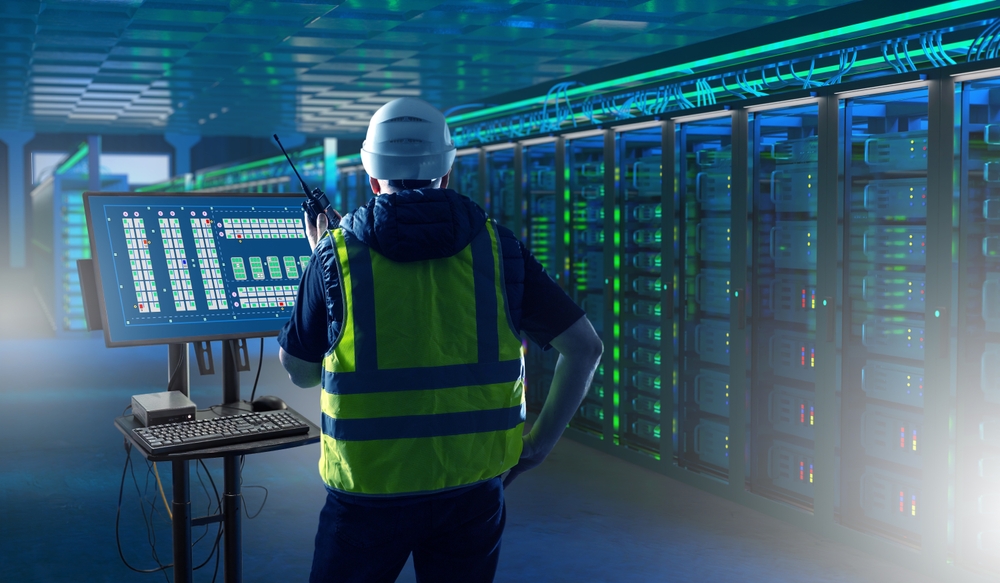
Feeding electricity to servers is only part of the job. Those machines produce heat, and keeping them within safe operating temperatures requires another layer of energy-intensive equipment. Servers account for about 60% of data center electricity use on average, while cooling can consume anywhere from roughly 7% at efficient hyperscale centers to more than 30% at less-efficient enterprise facilities. More powerful AI hardware makes managing that heat increasingly important.
A Quiet Era for Electricity Demand Is Ending
For years, American utilities could plan around remarkably sluggish growth. U.S. electricity demand increased only about 0.1% annually between 2005 and 2019. Since 2020, that pace has averaged roughly 1.7%, with data centers helping drive the change. That matters because power plants, substations and transmission systems built for modest growth must now accommodate enormous new customers arriving relatively quickly.
Virginia Offers a Glimpse of the Future

The pressure becomes much easier to see when data centers cluster together. Virginia has 643 operational or developing facilities in one industry database, making it the nation’s leading state. In 2023, data centers consumed about 26% of Virginia’s electricity supply. Instead of demand being distributed evenly across America, major hubs can therefore place unusually concentrated requirements on individual regional grids.
Someone Has to Build the Grid Around Them
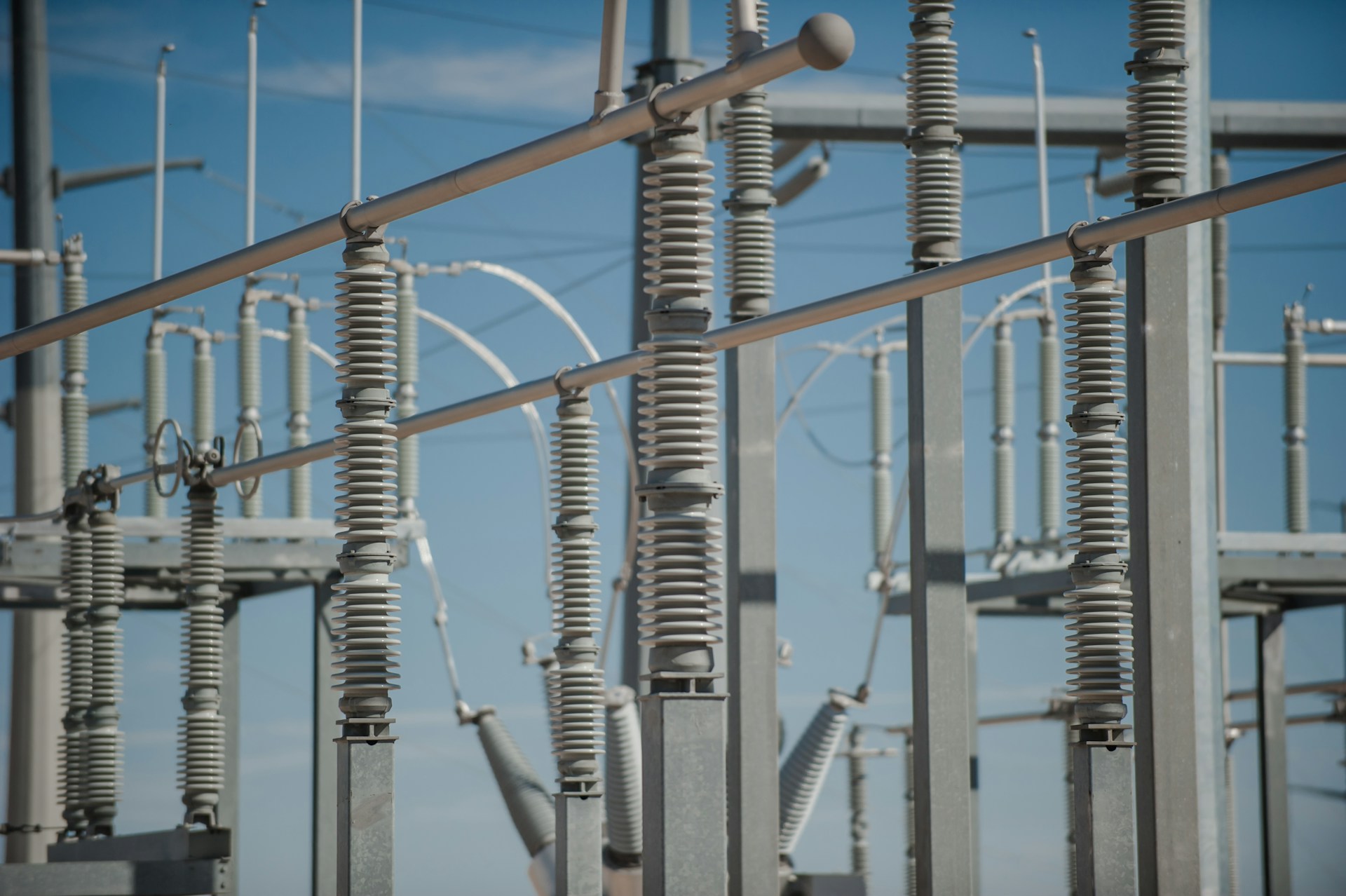
A new data center cannot simply plug into an outlet. Utilities may need additional generation, transmission lines, transformers and substations to serve facilities drawing hundreds of megawatts. Who ultimately pays becomes important. The Congressional Research Service notes that rates could rise when utilities need expensive new infrastructure, although large new electricity sales could potentially lower rates where the existing system already has sufficient capacity.
The Search for Reliable Power Is Widening
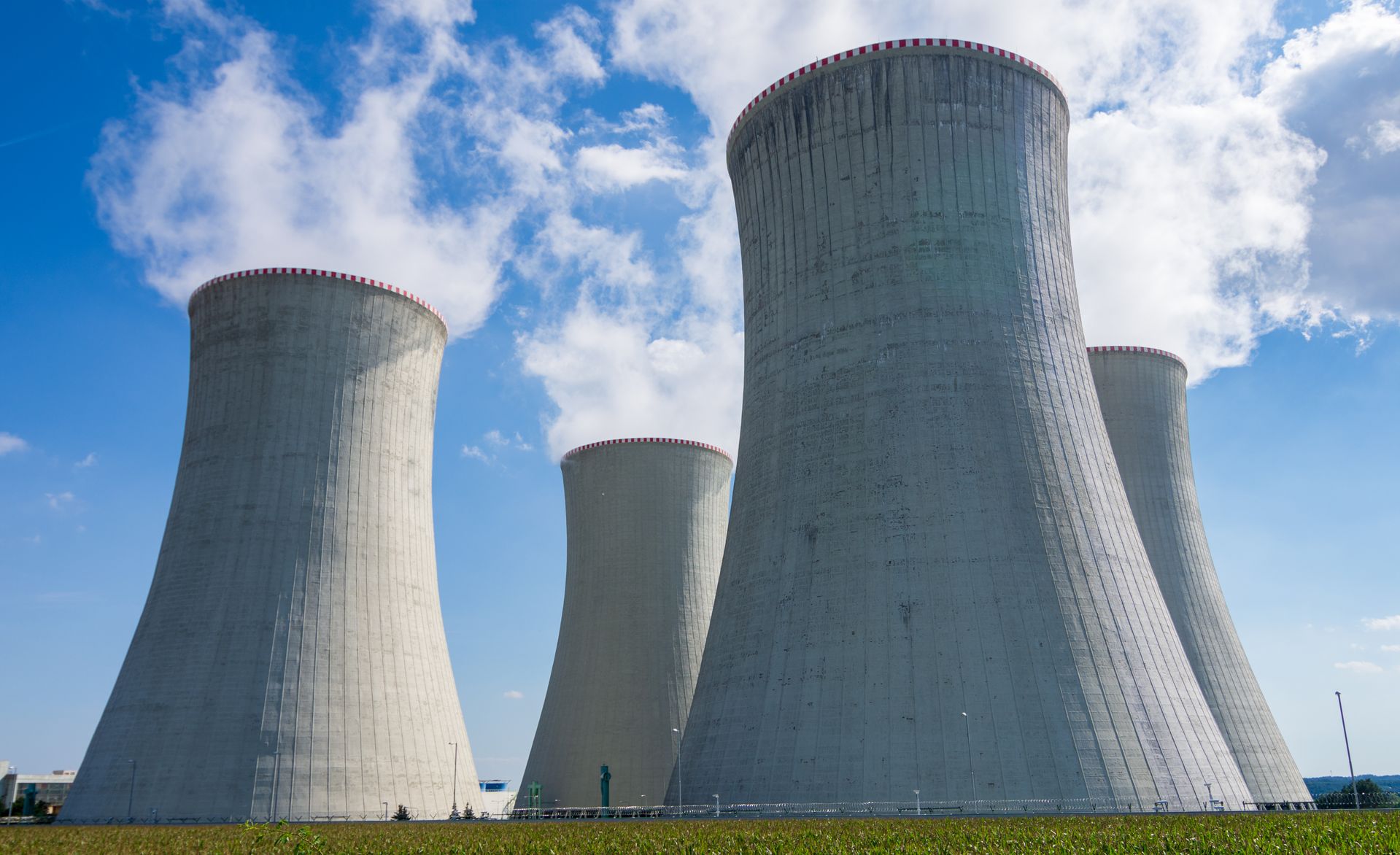
Data centers need electricity continuously, complicating decisions about where their power should come from. Natural gas supplied more than 40% of U.S. data center electricity in 2024, compared with about 24% from renewables and 20% from nuclear. Technology companies have also pursued nuclear purchasing agreements, while plans to restart retired nuclear plants illustrate how AI demand is changing the economics surrounding dependable generation.
Water Is Part of the Equation Too
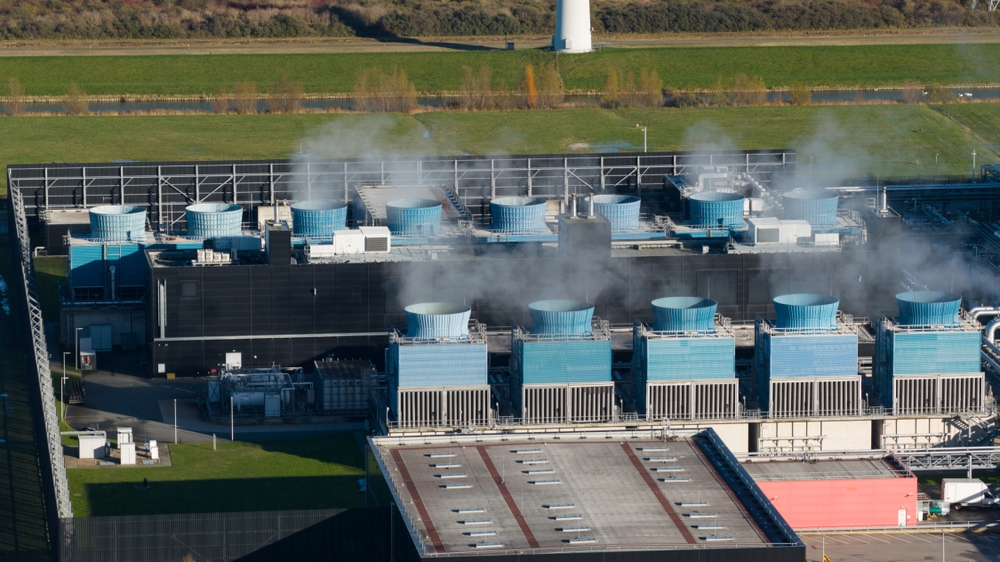
Electricity gets most of the attention, but cooling can make water another local pressure point. U.S. data centers directly consumed about 17 billion gallons in 2023. The scale varies by facility and cooling technology, but the Congressional Research Service estimates that a 100-megawatt U.S. data center could consume roughly 530,000 gallons per day across cooling strategies, including about 190,000 gallons directly on site.
AI’s Next Limit May Be Surprisingly Old-Fashioned

The next phase of AI expansion may depend as much on steel, concrete and electrical equipment as on better algorithms. A Department of Energy-supported analysis projects data centers could consume between 6.7% and 12% of U.S. electricity by 2028. How close the country gets to that upper range will depend on deployment and efficiency, but also on whether utilities can build enough generation and grid infrastructure quickly enough to keep the servers switched on.