The U.S. and Other Regions That May ‘No Longer Be Livable’ by 2070 or Sooner
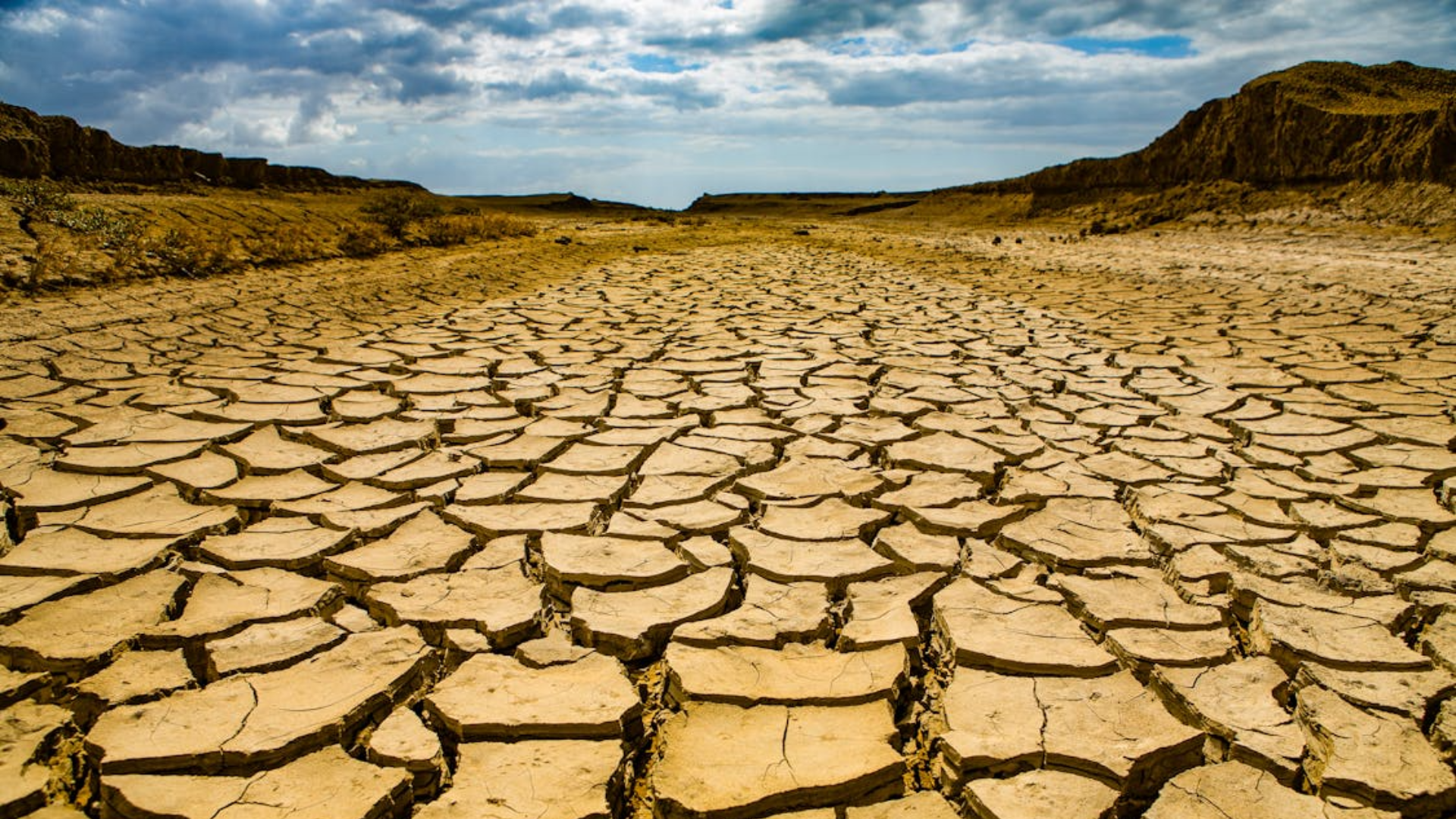

Climate scientists warn that continued global warming could push many regions of the world beyond conditions humans currently find comfortable or survivable, with extreme heat, water scarcity, and rising seas making some areas hard to live in by 2070 or even sooner. Studies suggest that without major cuts in greenhouse gas emissions, heat extremes could expand to cover much of the planet’s land surface, affecting billions of people and increasing climate‑related risks like drought, flooding, and habitat loss. Projections also indicate that parts of the United States could face inhospitable heat or other severe impacts that challenge daily life and infrastructure. These shifting conditions are motivating researchers and policymakers to rethink how and where people will live in coming decades.
What “Uninhabitable” Means in a Warming World

Scientists use terms like “uninhabitable” to describe regions where environmental extremes reach levels that make it extremely hard for people to sustain life or normal activities without significant adaptation technologies like cooling, water delivery, or relocation. This includes factors such as humid heat beyond what the human body can endure without constant artificial climate control, chronic water shortages, and repeated natural disasters that degrade quality of life and safety. The shift toward these extreme conditions reflects broader climate trends driven by continued global warming and greenhouse gas emissions.
Heat Stress Could Expand Globally
Research indicates that if greenhouse gas emissions remain high, areas with average annual temperatures far outside the range that humans historically find comfortable could expand drastically by 2070, potentially affecting nearly a third of the global population. In this high‑heat scenario, billions of people might live in regions with year‑round heat levels similar to the hottest parts of the Sahara today, increasing risks of heat‑related illness and limiting outdoor work or daily life without cooling infrastructure. This highlights how rapidly changing climate conditions could push habitability limits in many parts of the world.
U.S. Regions at Risk from Heat and Climate Extremes
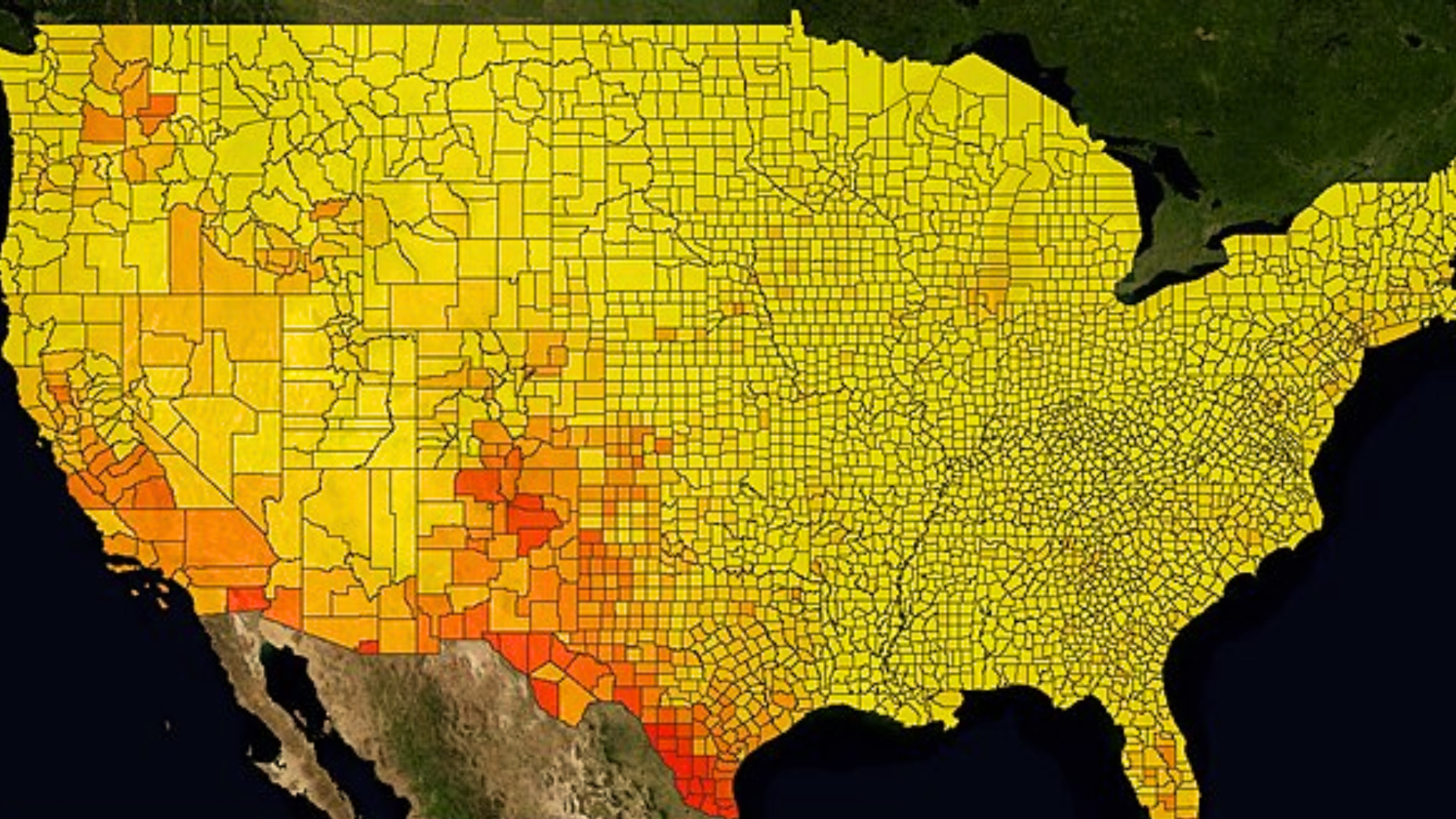
Within the United States, climate projections show that certain areas, particularly in the Southwest, Gulf Coast, and lower Southeast, could experience more intense and prolonged heat waves, severe droughts, and water challenges by mid‑century, making these places harder to inhabit comfortably or safely for many residents. Regions like southern Texas, Arizona, Louisiana, and Florida are among those most frequently mentioned in climate studies as facing compounded risks from rising temperatures, extreme weather, and resource strain, intensifying discussions over future livability and adaptation strategies domestically.
Extreme Heat’s Health and Social Impacts
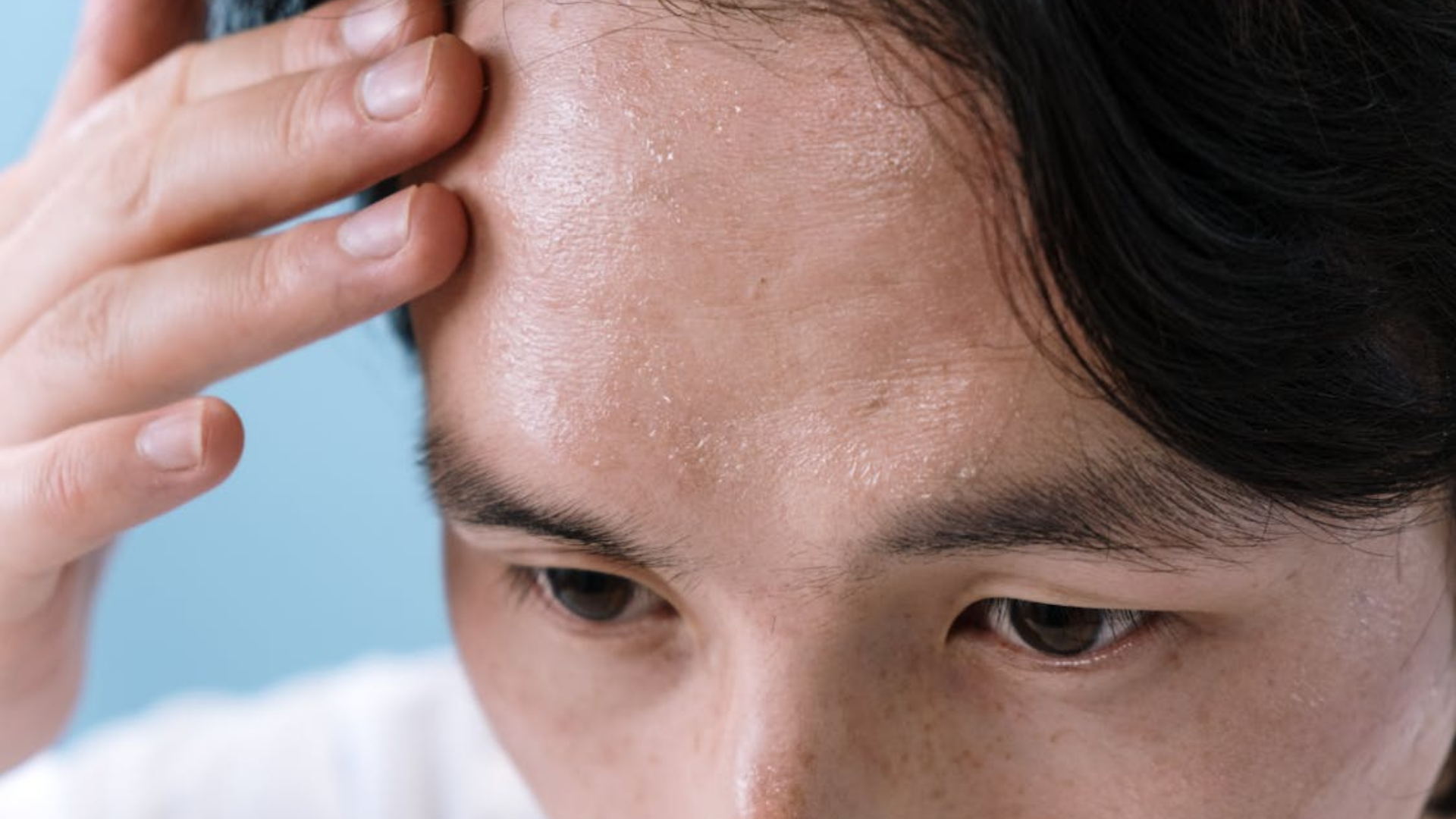
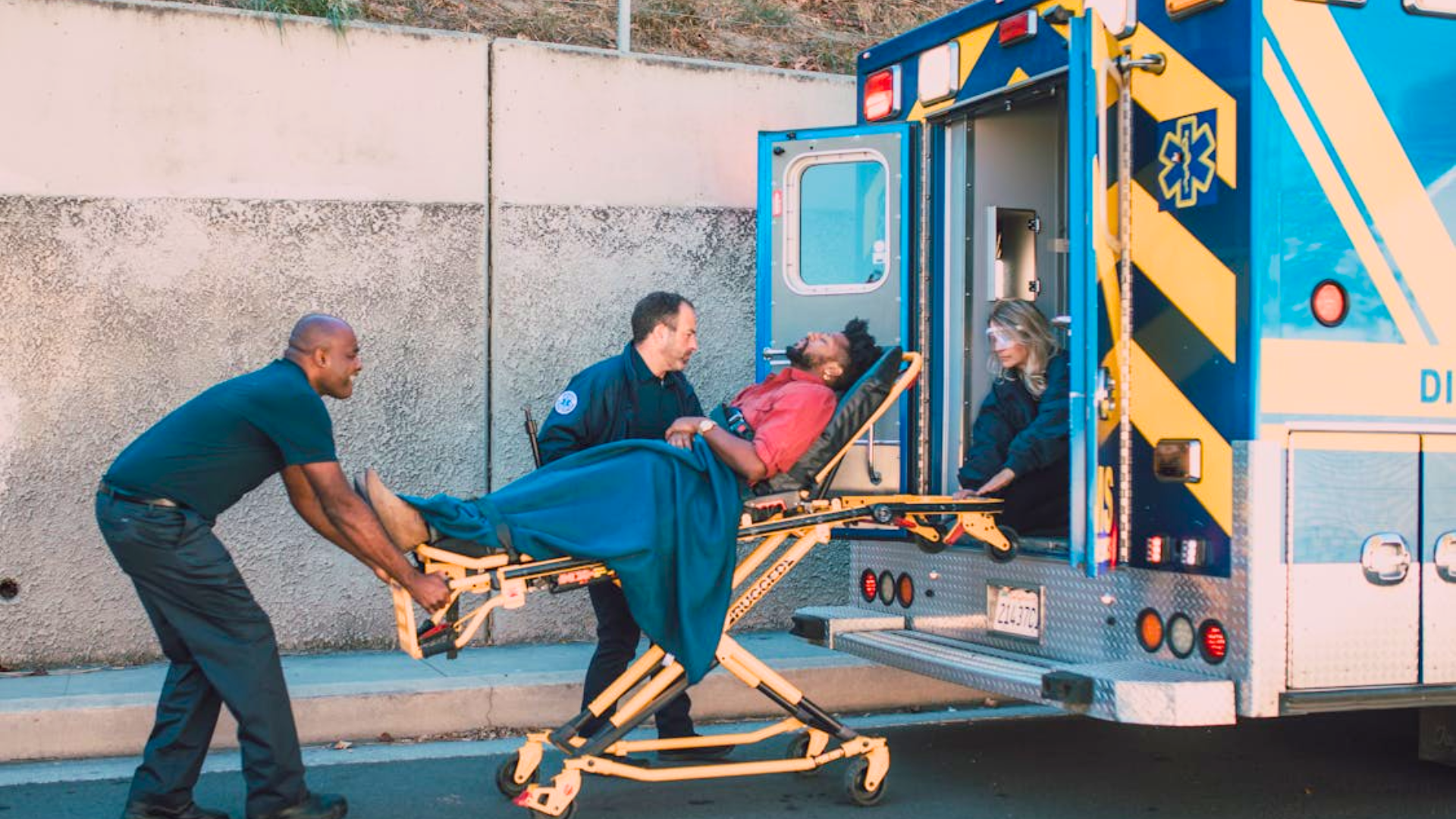
Besides altering outdoor comfort, rising temperatures can directly affect public health, increasing heat‑related illnesses, strain on power grids due to cooling demands, and exacerbating existing conditions such as cardiovascular and respiratory diseases. When heat waves coincide with high humidity, the human body’s ability to cool itself diminishes, making prolonged exposure dangerous for vulnerable groups like the elderly, children, and outdoor workers. These social health burdens underscore how climate change extends beyond environmental forecasts into daily human well‑being and survival.
Sea‑Level Rise and Coastal Threats
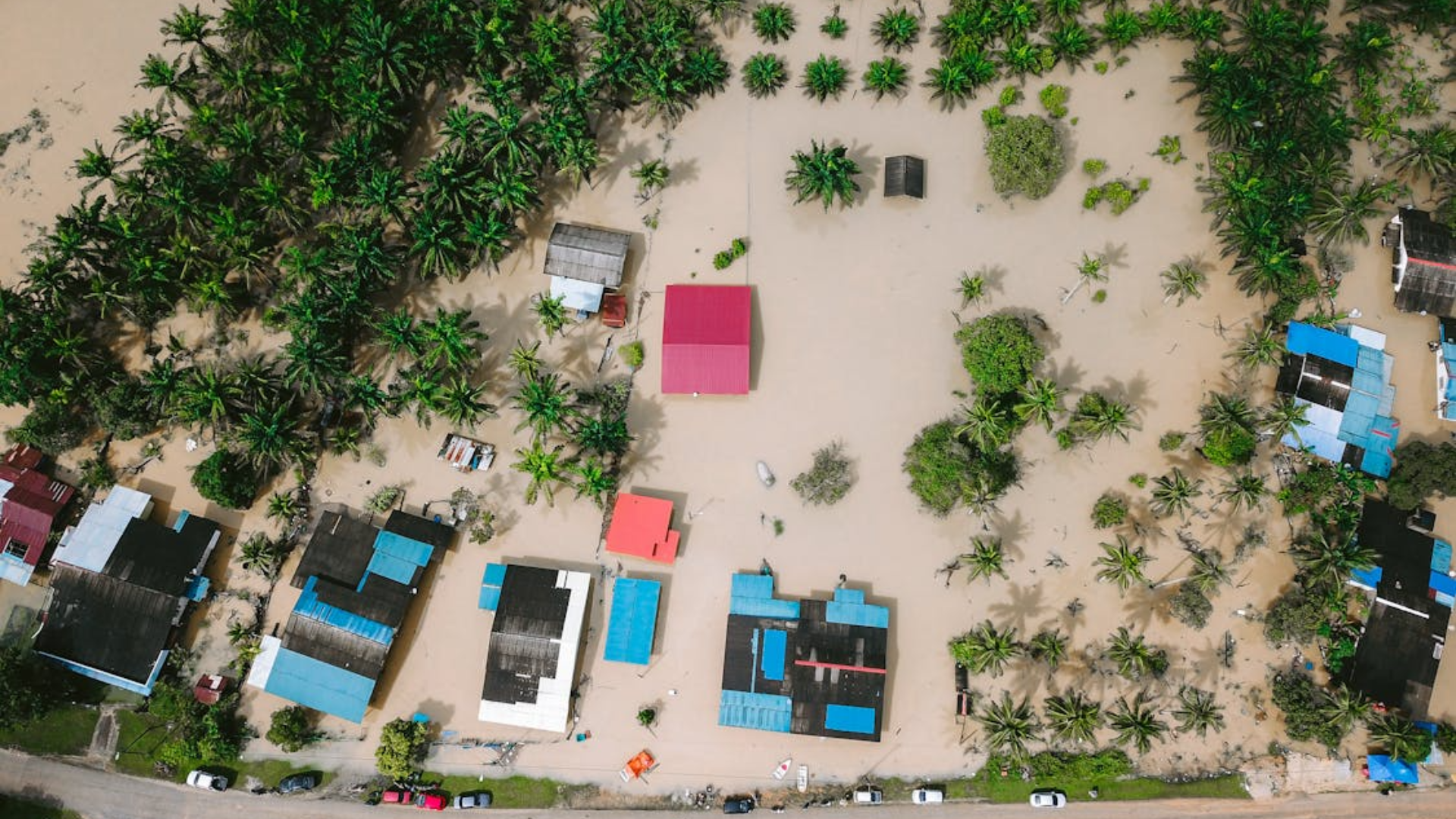
Low‑lying coastal regions face additional threats from rising seas and stronger storms linked to climate change, which could inundate homes, erode shorelines, and compromise freshwater supplies through saltwater intrusion. While not solely driven by heat, these changes compound other climate stresses that make parts of the U.S. coastlines harder to inhabit long‑term without costly protective infrastructure or managed retreat. Regions such as parts of Florida, Louisiana, and other Gulf and Atlantic coastal cities are cited as areas where these combined pressures could significantly affect livability by mid‑century.
Water Scarcity and Drought Risks
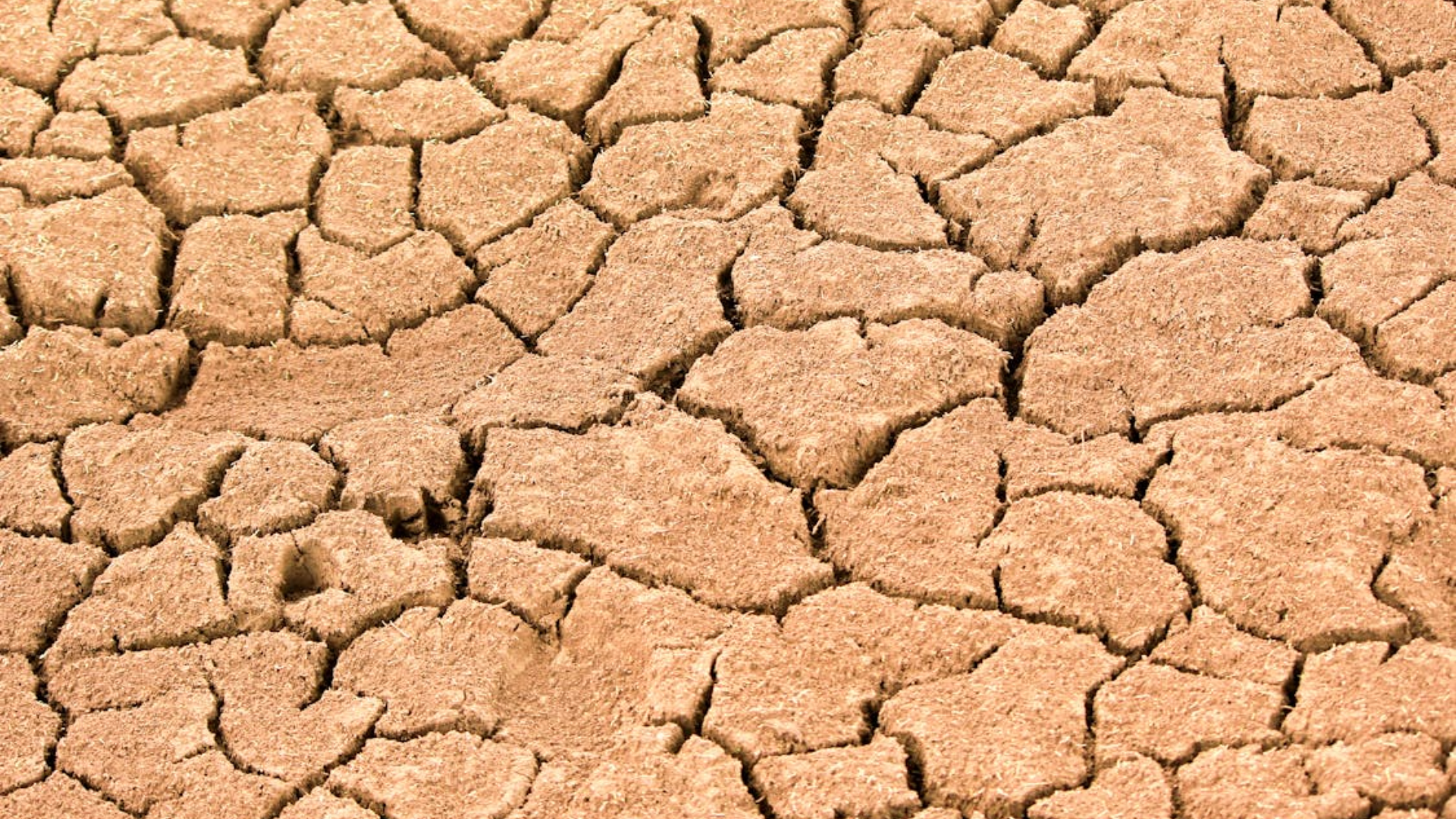
Climate change also intensifies water scarcity in some regions by altering rainfall and increasing evaporation, potentially leading to severe drought conditions that undermine agriculture, threaten drinking water supplies, and contribute to wildfires. These conditions not only make life more precarious for residents and farmers but also stress economies and ecosystems that depend on reliable water resources. Areas already prone to aridity, including parts of the American Southwest, may face heightened water challenges as warming trends continue.
Migration and Climate Displacement

As environmental extremes challenge human habitability, many researchers and planners discuss the possibility of climate migration, where people relocate from highly stressed regions to places with more manageable future conditions. This could reshape demographic patterns, strain infrastructure in “receiving” regions, and require long‑term planning across local, national, and international levels to support affected populations. Climate displacement is increasingly recognized as a major social issue intertwined with environmental changes.
Adaptation and Resilience Efforts

Communities, cities, and countries are investing in climate adaptation measures such as cooling centers, resilient infrastructure, water conservation strategies, and updated building codes to reduce risks associated with extreme heat and other effects of climate change. Although these efforts cannot fully prevent changes in livability, they aim to help populations withstand and adapt to evolving environmental stressors, promoting safer and more sustainable living conditions even as climates shift.
Preparing for a Changing Planet
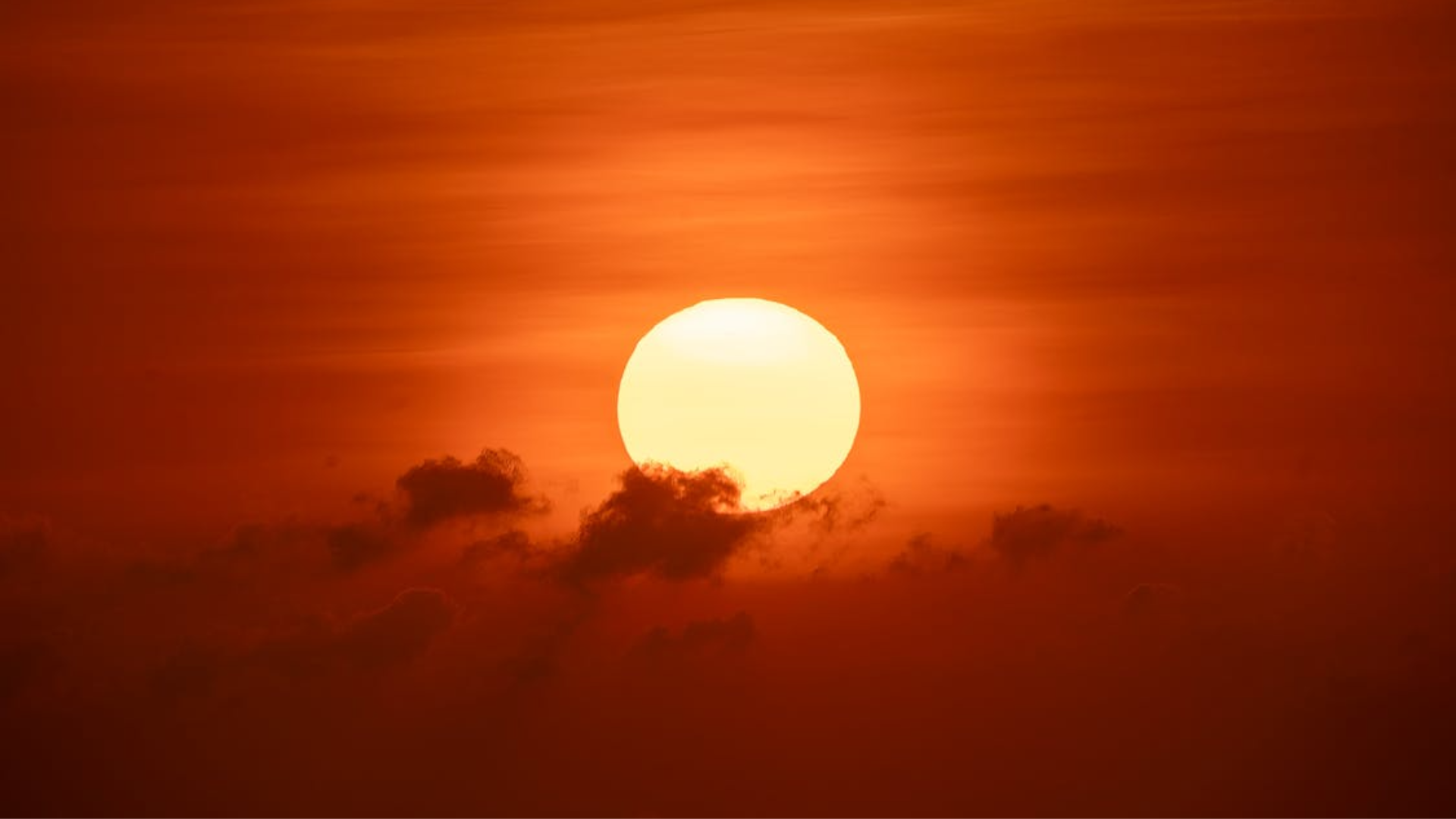
As scientific projections continue to identify regions that may face significantly harsher conditions by 2070, understanding climate change’s impacts on habitability becomes increasingly important for policymakers, communities, and individuals alike. Preparing for heat extremes, sea‑level rise, water scarcity, and related climate challenges through mitigation and adaptation strategies will shape the future of where and how people can live comfortably and safely in a warming world.