The Top US States for Retirement in 2026


For decades, Florida owned retirement. Palm trees, no income tax, and a one-way ticket south. But in 2026, two major rankings agree on something surprising: Wyoming, not Florida, is now the best state to retire in. Skyrocketing insurance costs and hurricane risk are pushing retirees to rethink the map entirely. Fifteen states now offer real advantages, from zero income tax to elite healthcare systems. Here is where the smart money is moving.
1.Wyoming

Wyoming claims the top spot in 2026 according to WalletHub and CareScout. The state charges no personal income tax and no estate or inheritance tax, while its cost of living sits in the more affordable half of the country. Add low violent crime, clean air, and access to Yellowstone and Grand Teton National Parks, and the appeal is obvious. The tradeoffs: harsh winters and a shortage of doctors. Still, for budget-focused retirees, the math works out.
2. Florida

Florida still tops the Motley Fool’s retiree-preference survey, and it remains second nationally on WalletHub’s list. No state income tax, no tax on Social Security, and year-round warm weather explain the loyalty. Fort Lauderdale, St. Augustine, and Miami draw retirees seeking active communities and strong healthcare access. The catch is cost. Homeowner’s insurance premiums topped $5,600 in 2025, driven by hurricane risk, making the Sunshine State pricier than its reputation suggests.
3. Texas

Texas backs up its tax-friendly reputation with numbers to match. There is no state income tax and no tax on Social Security, pensions, 401(k) distributions, or IRA withdrawals. Dallas, Austin, and San Antonio give retirees big-city healthcare and culture without big-city price tags found elsewhere. Property taxes run high, among the steepest in the country, but a low overall cost of living and warm climate keep Texas near the top of nearly every 2026 ranking.
4. South Dakota

South Dakota takes the tax-free approach further than most. Every form of retirement income, including Social Security, pensions, and retirement account withdrawals, is exempt from state taxation. There is no state income tax at all. Combined with abundant outdoor recreation and a generally low tax burden, retirees keep more of what they saved. It is a quieter option than Wyoming or Texas, but the financial upside runs just as deep.
5. Tennessee

Tennessee offers no state income tax, meaning retirees hold onto their full Social Security checks, pensions, and withdrawals. Property taxes rank among the lowest in the nation, and housing stays affordable compared to coastal states. Tennessee consistently lands in the top 10 nationally for overall cost of living. For retirees stretching a fixed income, that combination of low taxes and low everyday costs adds up fast, especially compared to pricier southern neighbors.
6. New Hampshire

New Hampshire eliminated its last income-related tax on January 1, 2025, when the state’s Department of Revenue Administration confirmed the repeal of the interest and dividends tax. That makes New Hampshire one of only a handful of states with no individual income tax whatsoever. Social Security and pensions go untaxed, and there is no estate or inheritance tax either. The tradeoff is a higher cost of living than its tax-free peers, but for many retirees, the savings still win out.
7. Mississippi

Mississippi exempts Social Security, pensions, and retirement account withdrawals from state income tax entirely. Housing costs and property taxes rank among the lowest in the country, and there is no estate or inheritance tax. Sales taxes run higher than average, a real tradeoff worth budgeting for. Even so, the overall math makes Mississippi one of the most affordable places in America to stretch a fixed retirement income.
8. Oklahoma

Oklahoma holds the top national spot for overall affordability among retirees. Housing prices stay low across most of the state, and the tax climate favors seniors. Social Security benefits go untaxed, other retirement income is only partially taxed, and income tax rates remain modest overall. For retirees whose top priority is making savings last as long as possible, Oklahoma consistently outperforms flashier destinations on pure dollars and cents.
9. Nebraska
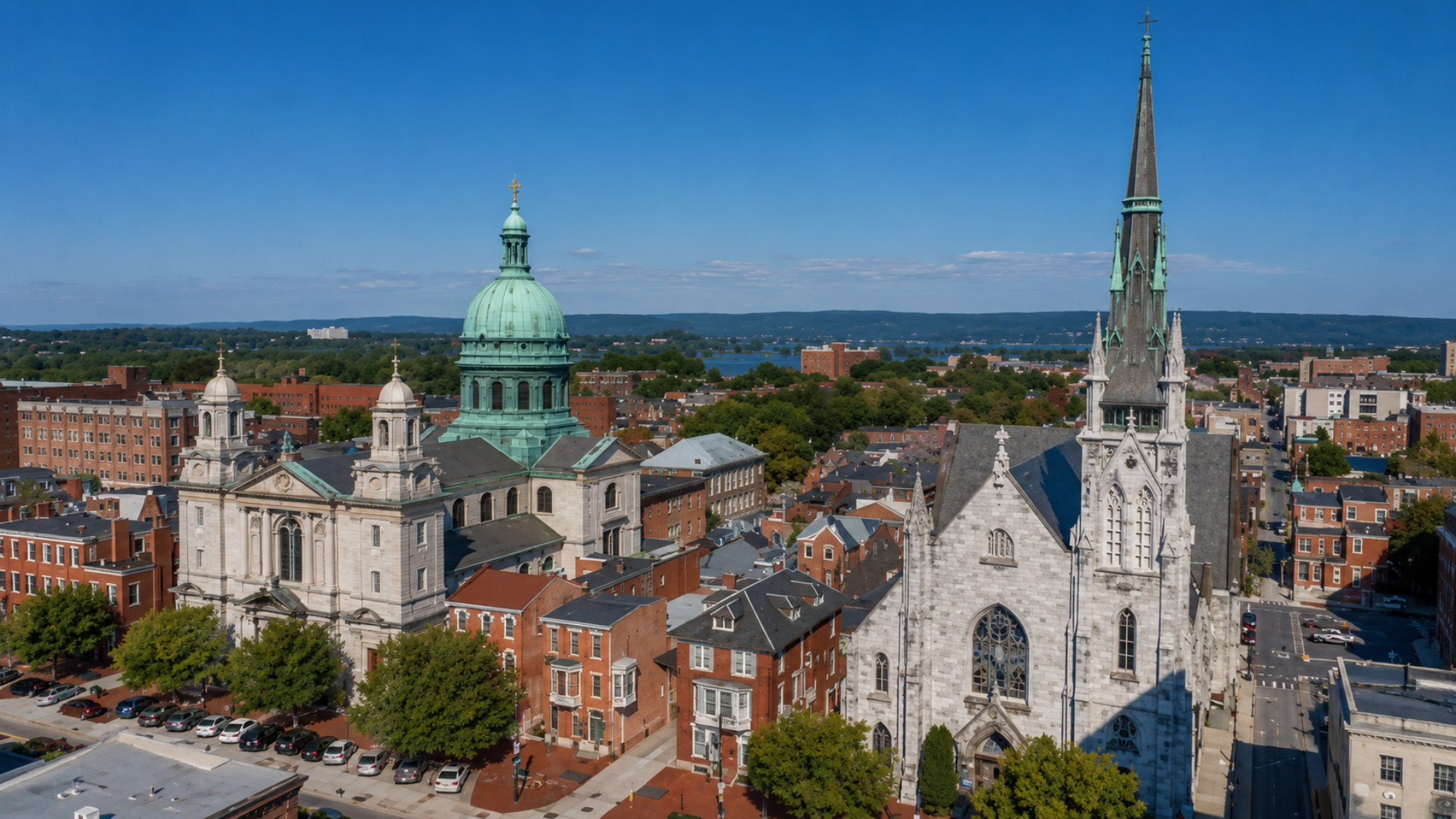
Nebraska earns high marks less for glamour and more for stability. The state combines low living costs with sound public finances, a pairing that matters for retirees worried about long-term fiscal health where they settle down. That mix of affordability and fiscal discipline pushes Nebraska into the upper tier of national retirement rankings, even though it rarely gets the attention that sunnier or more scenic states receive.
10. Pennsylvania

Pennsylvania does not tax Social Security or other traditional retirement income, a policy that quietly saves retirees thousands annually. Housing remains generally affordable outside major metro cores. Philadelphia and Pittsburgh offer big-city healthcare and culture, while smaller towns provide historic charm and lower costs. Retirees get a genuine choice between urban energy and quiet countryside, all within a state that treats retirement income kindly on tax day.
11. Illinois

Illinois exempts Social Security benefits, pension income, 401(k) withdrawals, IRA distributions, and military retirement pay from state taxes, a broader exemption than most states offer. That said, other investment earnings still get taxed, and Illinois imposes both estate and inheritance taxes, unlike many states on this list. For retirees whose income comes mainly from Social Security and pensions, the benefits still outweigh those drawbacks.
12. South Carolina

South Carolina skips taxes on Social Security income entirely and exempts all military retirement pay from state taxation, a standout benefit for veterans. Mild winters and easy access to scenic coastline round out the appeal. It is a relaxed alternative to Florida’s more crowded beach towns, offering similar climate perks with a lower cost of entry and fewer of the insurance headaches driving retirees elsewhere.
13. Virginia

Virginia earns its ranking through strong healthcare access rather than tax breaks alone. The state offers genuine four-season weather, appealing to retirees who miss real winters but do not want brutal ones. That balance of reliable medical care and moderate climate makes Virginia a steady, if less flashy, choice for retirees who prioritize quality of life over pure affordability.
14. Colorado

Colorado retirees benefit from top-ranked geriatric hospitals and one of the lowest rates of social isolation among seniors nationally, according to state health data. Abundant outdoor recreation, volunteer opportunities, and cultural offerings build genuine community. With no estate or inheritance taxes, the financial side holds up too. Colorado proves that healthcare quality and an active lifestyle can matter as much as a low tax bill.
15. Minnesota

Minnesota closes out the list by leading in healthcare quality, anchored by the Mayo Clinic and the University of Minnesota Health System. Retirees get access to some of the best medical care in the country alongside vibrant Minneapolis culture and wilderness near Lake Superior. The lesson across all fifteen states is the same: no single factor decides where to retire. Taxes, healthcare, and lifestyle each carry real weight, and the states that balance all three earn their place at the top.