The Target Is Canada, but New Tariffs Could Raise Prices at American Grocery Stores
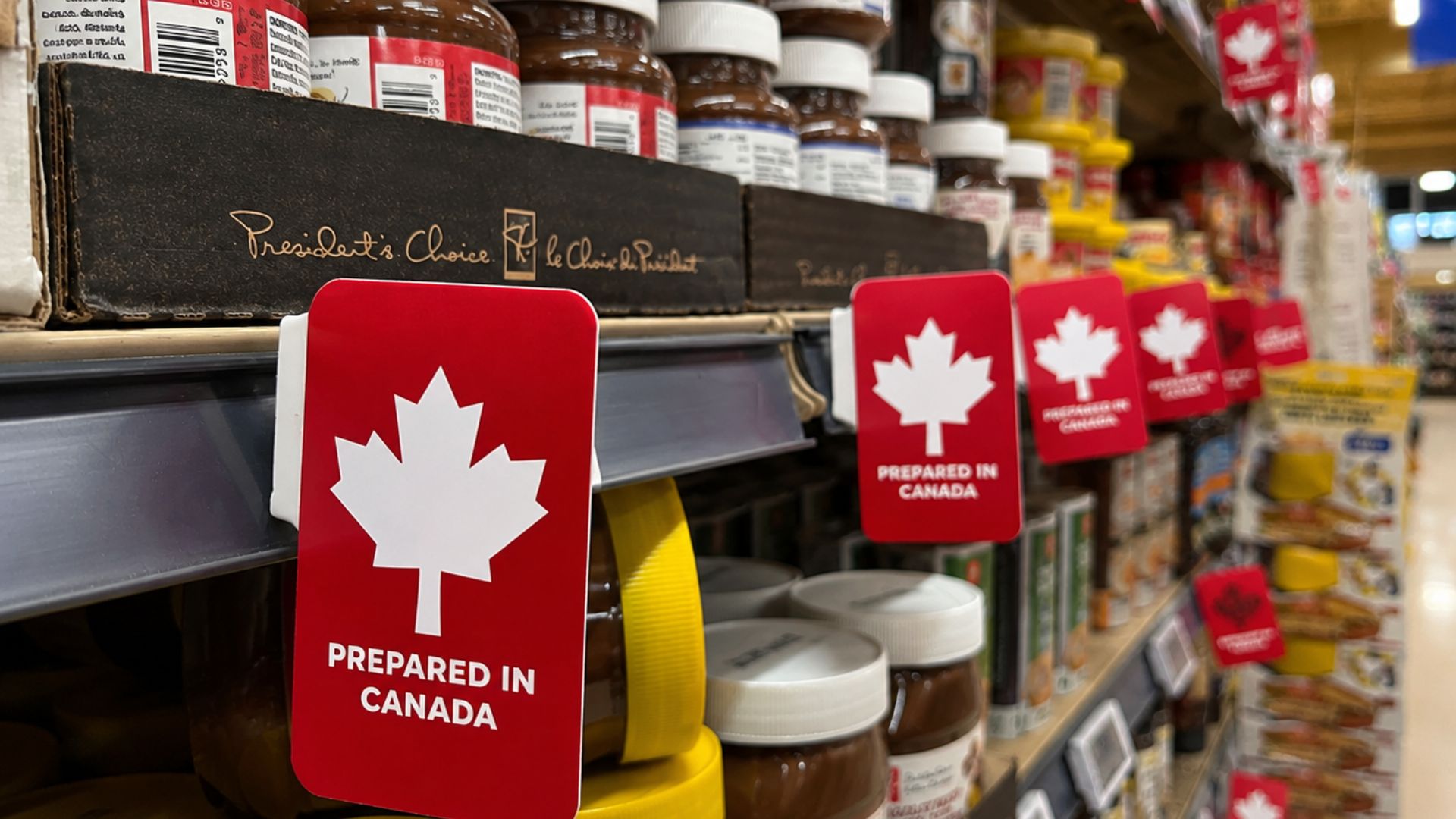

A $71 grocery basket of Canadian wine, cheese, spirits, beer, and maple syrup could jump to $106.50 under a new trade escalation. President Donald Trump signed three proclamations imposing 50% tariffs on Canadian autos, alcohol, and dairy, reopening a trade war that already touches supply chains on both sides of the border. The tariffs take effect August 19, and economists warn the price shock could reach American shopping carts.
Three Proclamations Target Autos, Alcohol and Dairy Under 1930 Law
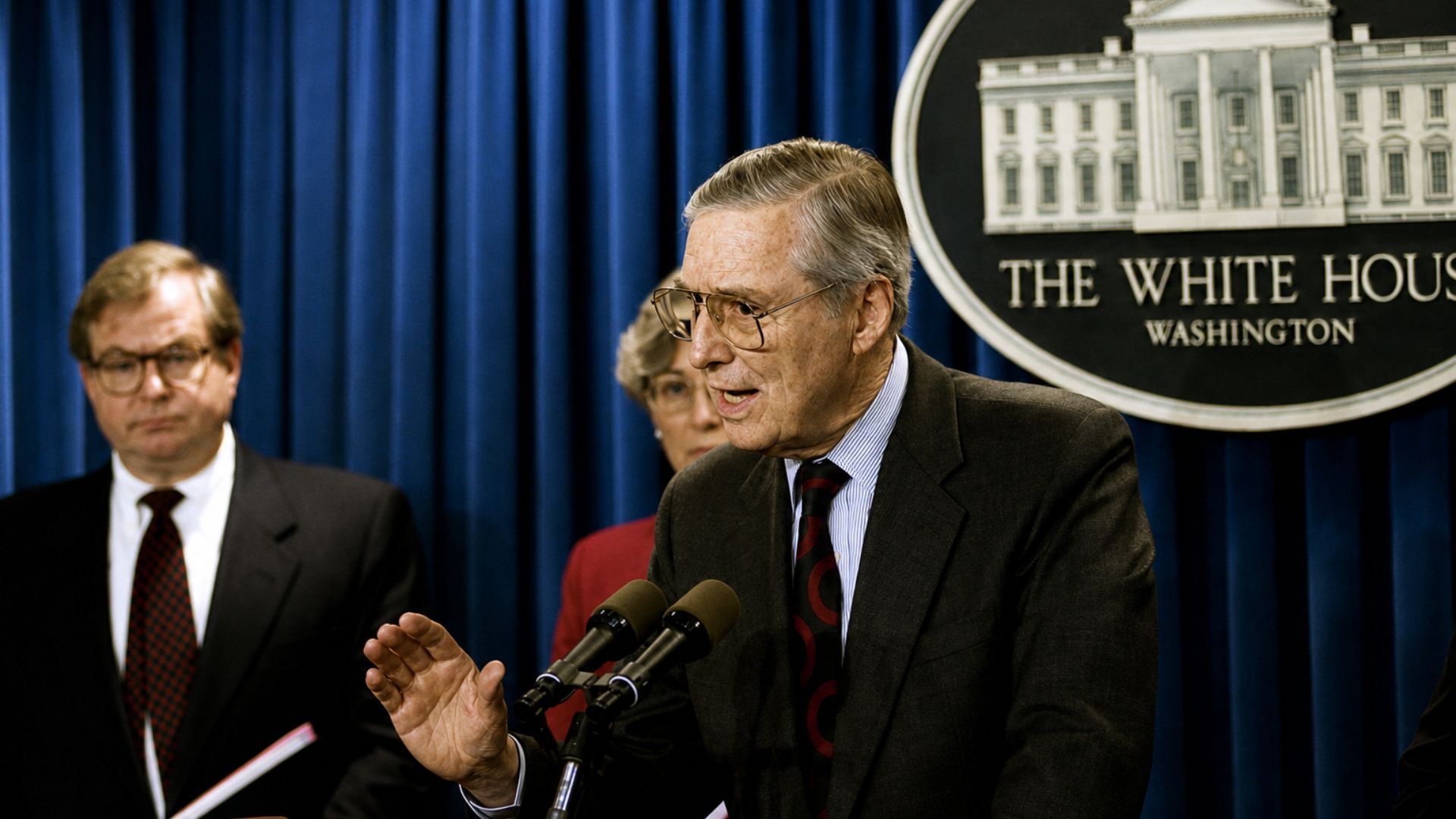
The White House said Trump’s proclamations invoke Section 338 of the Tariff Act of 1930, an authority allowing tariffs up to 50% against countries found to discriminate against American commerce. The measures cover roughly $20 billion in Canadian imports, from wine and cheese to hockey sticks and cement. They apply even to goods that would normally qualify for duty-free treatment under the U.S. Mexico Canada Agreement, and take effect 30 days after signing.
Doug Ford Calls for “Tariff for Tariff, Dollar for Dollar” Response

Ontario Premier Doug Ford wasted no time demanding retaliation. He posted that if the tariffs proceed, Canada should respond tariff for tariff, dollar for dollar, raising the prospect of a fresh round of trade retaliation between two economies whose grocery aisles and supply chains remain closely linked. The warning came days after Trump and Canadian Prime Minister Mark Carney sat together at the World Cup final, a moment officials said was not a working trade discussion.
Why a 50% Tariff Won’t Mean a 50% Price Hike
Tariffs are paid by importers, not shoppers at checkout, though economists say costs can move through the supply chain to distributors, retailers, and consumers. A 2026 Federal Reserve note found that tariffs imposed in 2025 pushed core goods prices higher, with effects building over several months. Importers may absorb costs, suppliers may renegotiate, or retailers may spread the increase across product lines. How much reaches the shelf depends on choices companies have not yet made.
A $15 Wine Bottle Could Reach $22.50 in Worst-Case Scenario
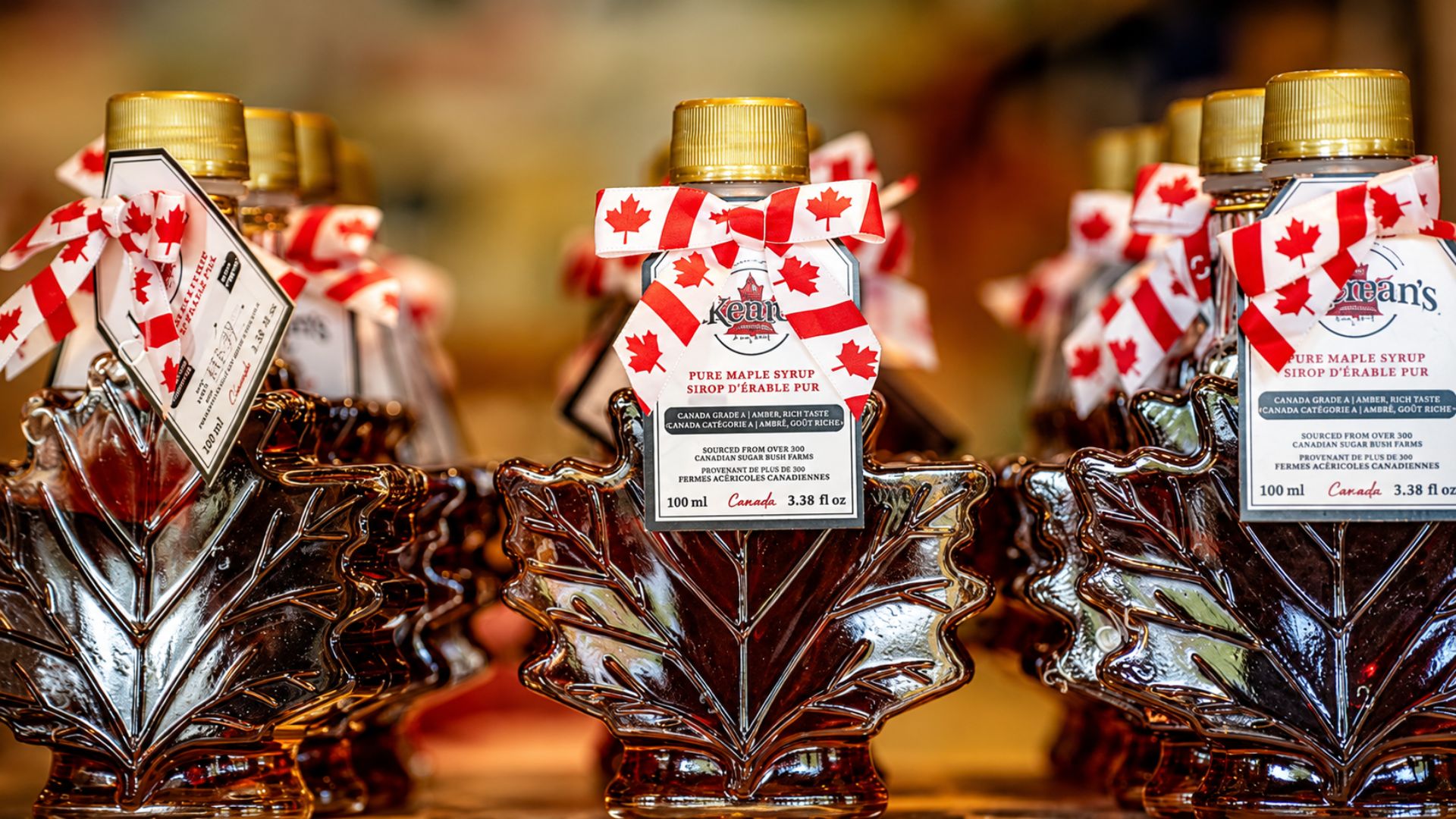
An illustrative basket modeled by Newsweek shows what full pass through could look like. A $15 bottle of Canadian wine could reach $22.50, a $6 cheese block could climb to $9, and a $30 bottle of whisky could hit $45. A 12 dollar case of beer could reach $18, while an 8 dollar jug of maple syrup could rise to $12. Combined, the $71 basket could total $106.50.
Fresh Produce Status Remains Unclear Despite Billions in Trade
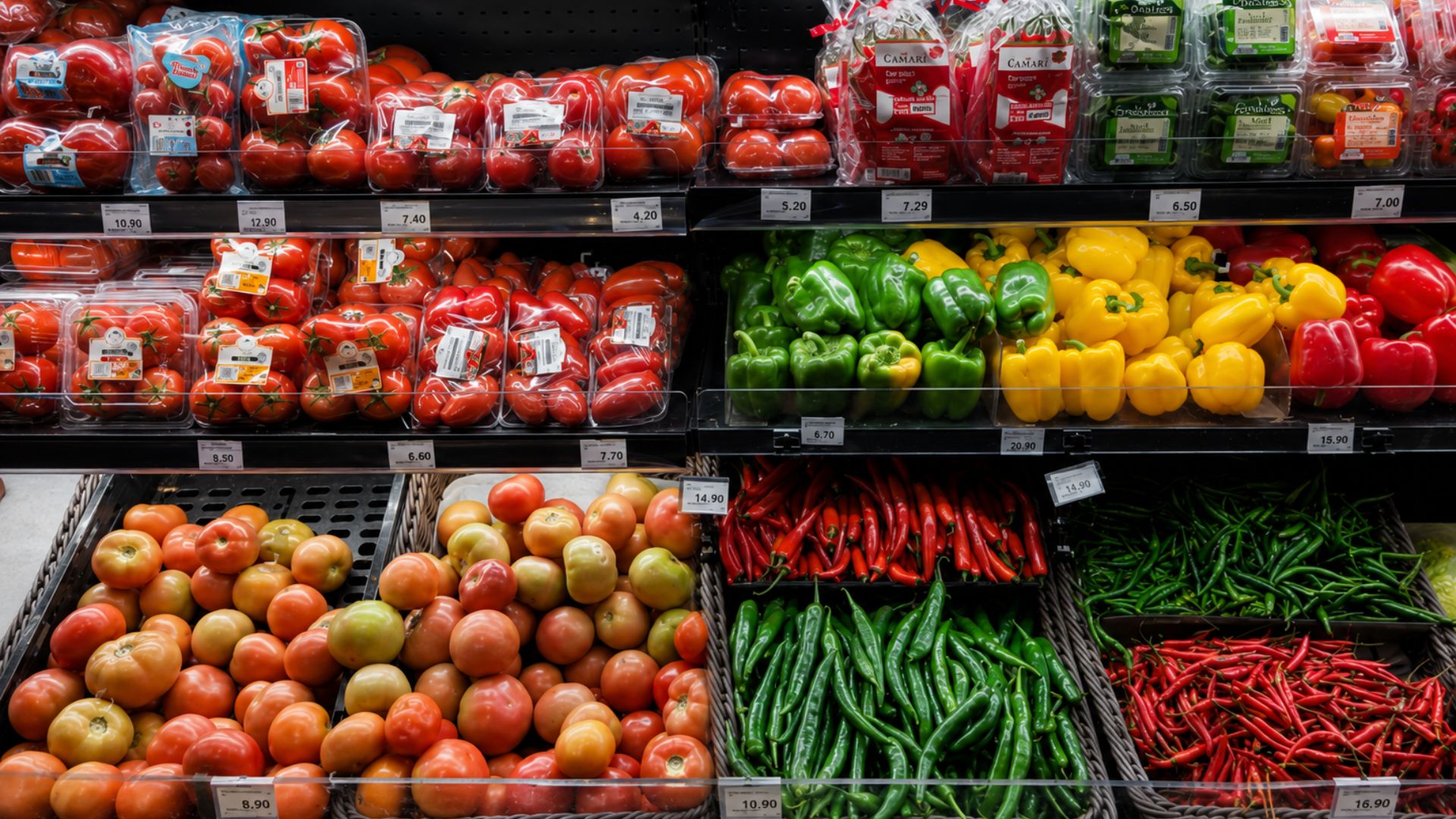
Canada ships billions of dollars in tomatoes, cucumbers, peppers, potatoes, and mushrooms to the United States each year, making fresh produce one of its largest exports. The White House has said covered goods apply regardless of USMCA status, but officials have not confirmed whether fruits and vegetables fall under the new Section 338 tariffs. A two pound bag of tomatoes priced at $3.99 could climb toward $5.99 if the full increase reaches shelves.
Cato Economist: Firms Absorb Most of the Tariff Cost

Full pass-through to shoppers is unlikely, according to Alfredo Carrillo Obregon, policy analyst at the Cato Institute. He said research on tariffs since Trump’s first term shows firms absorb most added costs rather than passing them to consumers immediately. Harvard Business School economists calculated that while tariff pass-through to import prices approached 100% in 2025, the pass-through to retail prices reached only 24%, though the increase builds gradually over time.
Ford’s Retaliation Threat Would Hit Canadian Shelves First
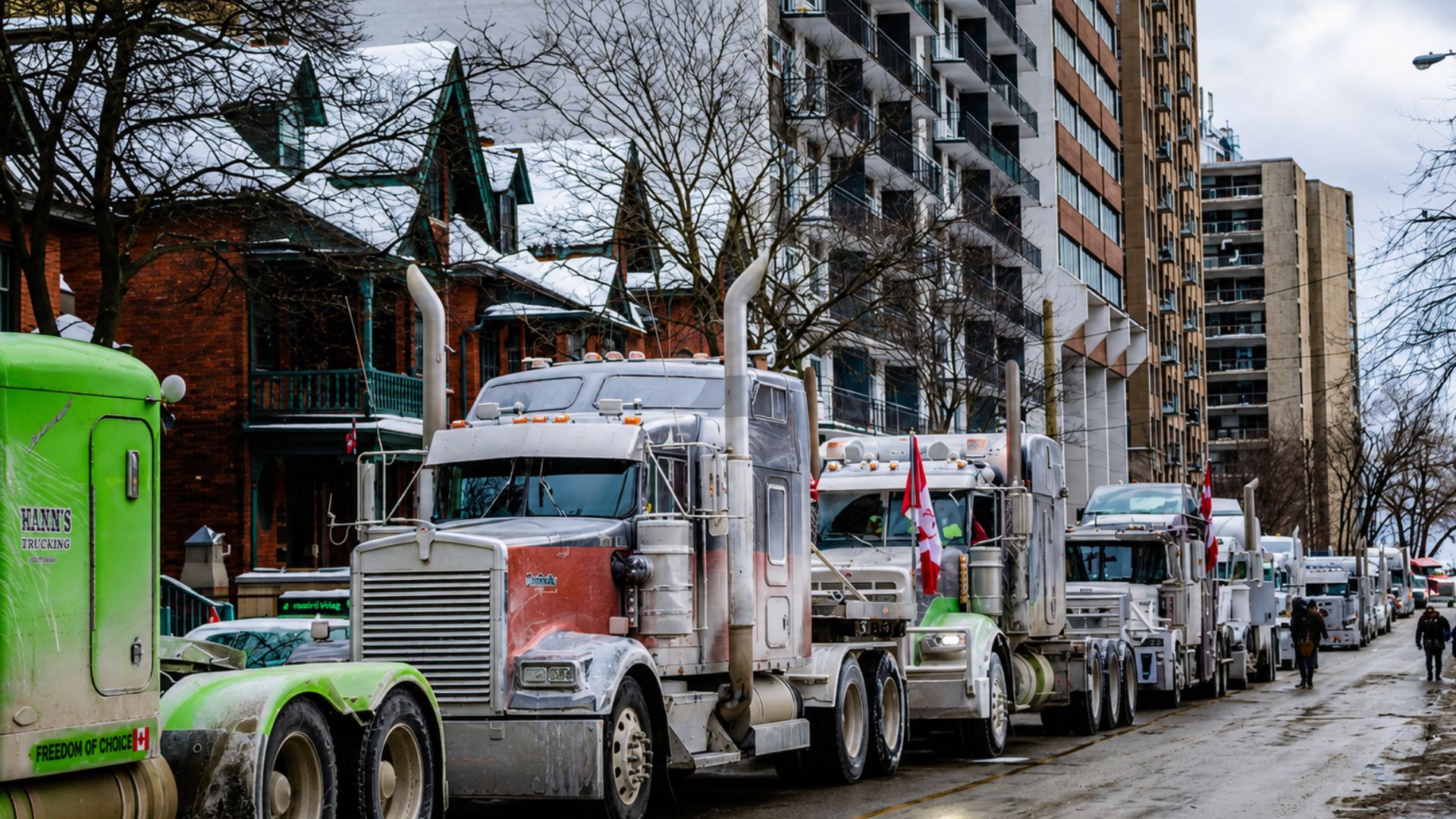
A dollar for dollar Canadian response would not double the price hit on the same American groceries. Retaliatory duties would apply to goods entering Canada, landing most directly on Canadian importers and consumers buying U.S. made products. American farmers, distillers, and dairy producers could still feel pressure if Canadian retailers switch suppliers or cut orders. Canada has used this tool before, placing 25% tariffs on $30 billion in U.S. goods back in March 2025.
Carney and Eby Push Back on Cheese, Wine and Alcohol Rules
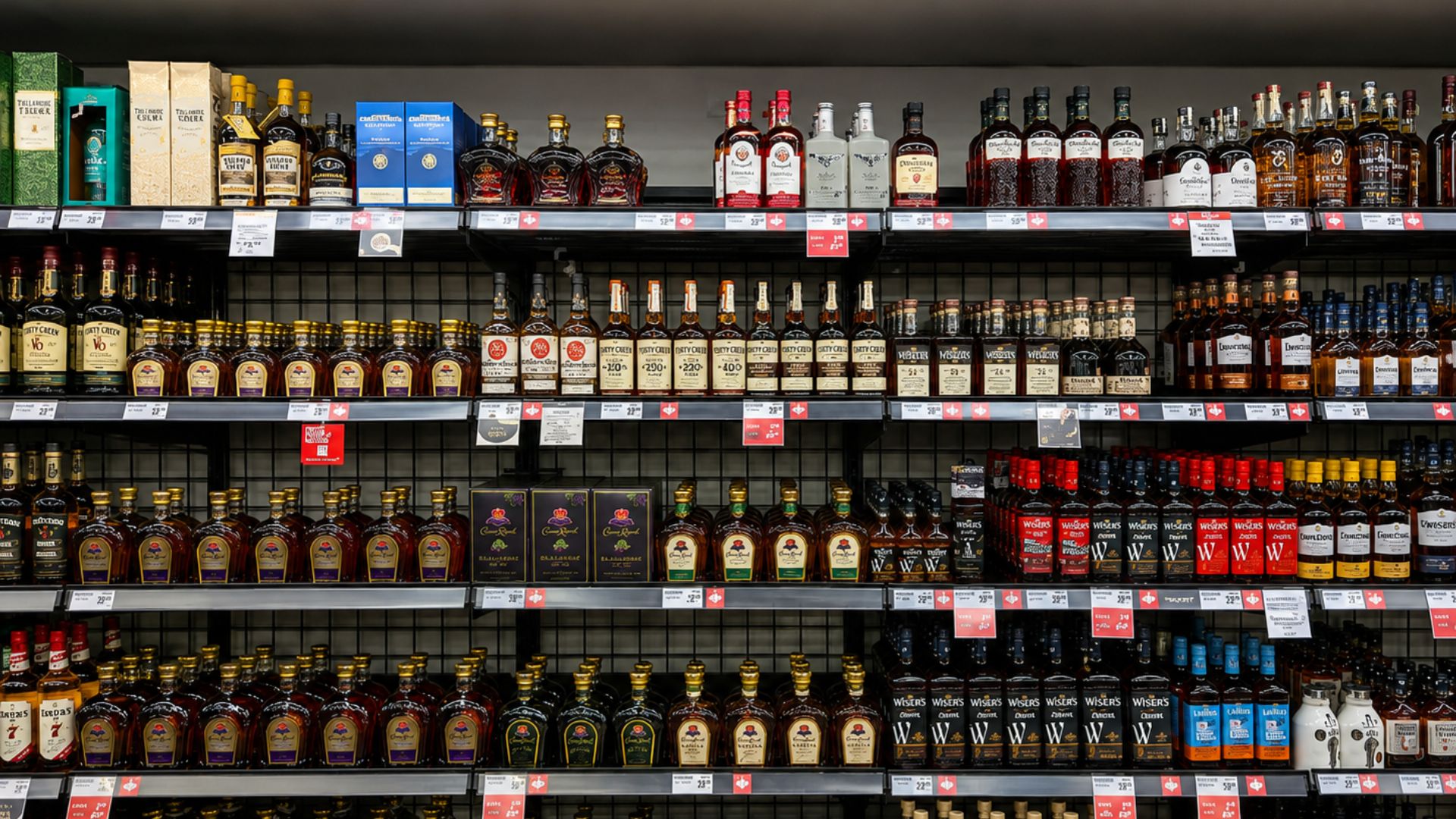
The dispute centers partly on Canada’s dairy quota system and provincial bans on American alcohol sales. Canadian Prime Minister Mark Carney said the standoff has already raised costs for families, particularly in the United States. British Columbia Premier David Eby said his province will keep its ban on U.S. alcohol at government run liquor stores, insisting there is not a chance U.S. alcohol returns to shelves under pressure from the White House.
A Border Tax Creates Real Costs, Not Guaranteed Price Tags
The new tariffs create a real cost at the Canadian border, though the size of the hit on American shelves depends on decisions companies have not finalized. A $15 bottle of wine could become $22.50, or the increase could land far softer if firms absorb the difference. Thirty days now stand between signature and enforcement, the only fixed point in an otherwise uncertain trade fight over cars, cheese, and alcohol.