The New Tornado Alley Could Put More Homes in the Path of Severe Storms
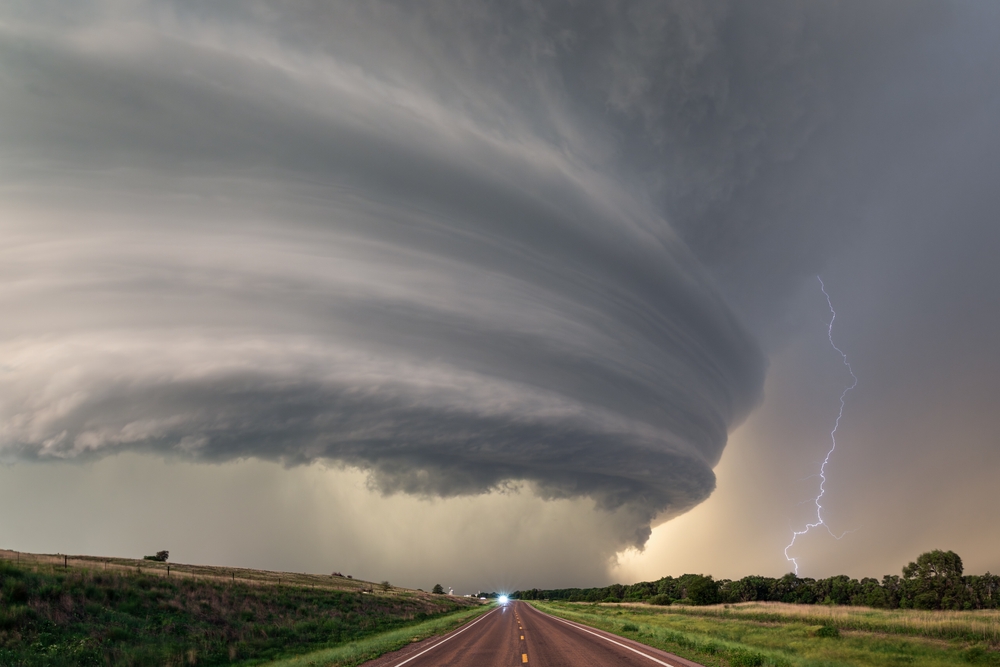

Illinois is having the kind of tornado year more readily associated with the southern Plains. More than 200 tornadoes had been confirmed in the state by August 2026, putting Illinois within reach of the highest annual total recorded by any U.S. state. But the record chase is only part of the story. The extraordinary season is unfolding as researchers track a broader change in where tornado-favorable conditions are occurring, with implications for communities well beyond the traditional boundaries of Tornado Alley.
Illinois Has Blown Past Its Own Record
Illinois entered 2026 after several unusually active years, recording 121 tornadoes in 2023, 142 in 2024 and 126 in 2025. This year surpassed the 2024 record by June, and by August Victor Gensini, director of the Center for Interdisciplinary Research on Convective Storms at Northern Illinois University, counted at least 207 confirmed tornadoes. That was more than three times the state’s current 20-year average, with the year’s numbers still considered preliminary until National Weather Service data are finalized in early 2027.
The Storms Kept Coming
A single historic outbreak did not produce Illinois’ enormous total. Tornadoes have arrived across multiple months, including at least 13 in Illinois during a June 11 outbreak that also struck northwest Indiana. An EF-3 tornado near Streator produced winds above 135 mph, while later storms brought tornadoes into places such as Naperville, Lisle and the Chicago area. By August, another storm system had spawned six tornadoes around Chicago during a derecho as additional twisters touched down elsewhere in the state.
The Atmosphere Was Primed Again And Again
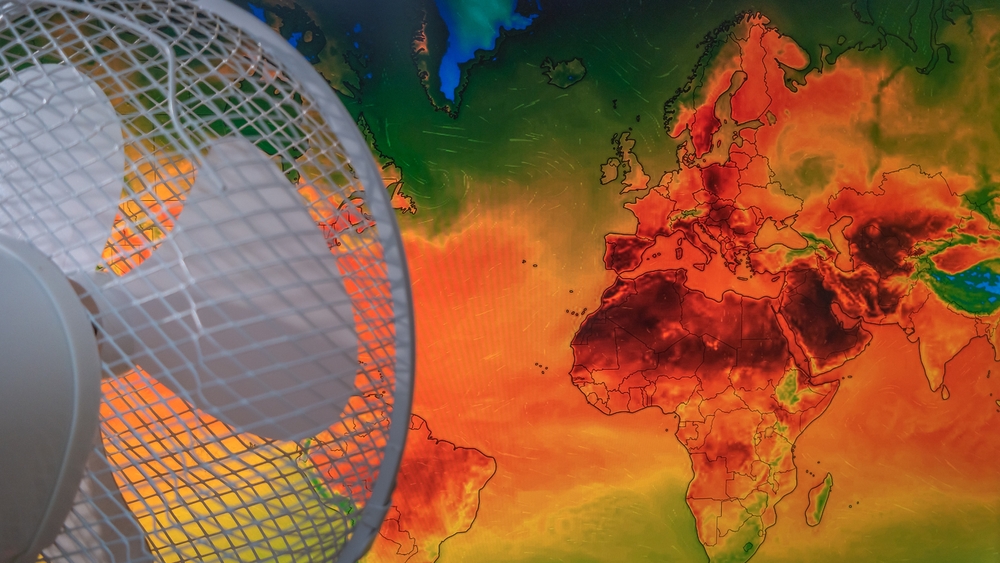
Much of the activity came as Illinois repeatedly found itself in an environment favorable for rotating thunderstorms. Gensini said the state was positioned beneath the jet stream on several occasions, providing an important ingredient for storm rotation while heat and humidity supplied abundant moisture and instability. Repeated dips in the jet stream also pulled moisture-rich air into the Midwest, and Illinois recorded its hottest April and third-hottest spring since statewide record-keeping began in 1895. Chicago-area temperatures were already reaching 80 degrees on March 10, when a tornado-producing storm also dropped a 6.6-inch hailstone that was set to be verified as a state record.
Tornado Activity Has Been Moving East
Illinois’ season is extreme, but the geography behind it is not entirely new. A 2018 study by Gensini and NOAA National Severe Storms Laboratory researcher Harold Brooks documented increasing tornado activity outside the region traditionally identified as Tornado Alley. Over a 20-year period, reported annual tornado averages increased significantly across states stretching from Illinois to Georgia even after improvements in reporting and technology were taken into account. In Alabama and Kentucky, averages between 2000 and 2020 were more than double those of the preceding 20 years.
Climate Change Is One Piece Of A Complicated Puzzle
A warmer atmosphere can alter some of the ingredients that severe thunderstorms need, although linking climate change to tornado behavior is more complicated than simply linking warming to higher tornado counts. Illinois has become warmer and more humid, while research points to tornado-favorable environments shifting away from parts of the Plains and toward the Midwest and South. Gensini cautioned against assigning the extraordinary 2026 season to one cause, describing much of this year’s concentration of favorable conditions as “kind of bad luck.”
Modern Radar Is Finding More Tornadoes

Part of the apparent rise also comes from meteorologists becoming better at detecting tornadoes that might once have escaped the historical record. Brett Borchardt, a senior meteorologist at the National Weather Service in Chicago, said modern observations may be capturing a more realistic number of tornadoes than earlier decades did. Improved radar, storm surveys and reporting complicate comparisons across decades, although researchers have accounted for those changes when identifying longer-term geographic trends. Even after considering better detection, Borchardt described 2026 as “remarkably busy.”
More Homes Can End Up Beneath The Storms
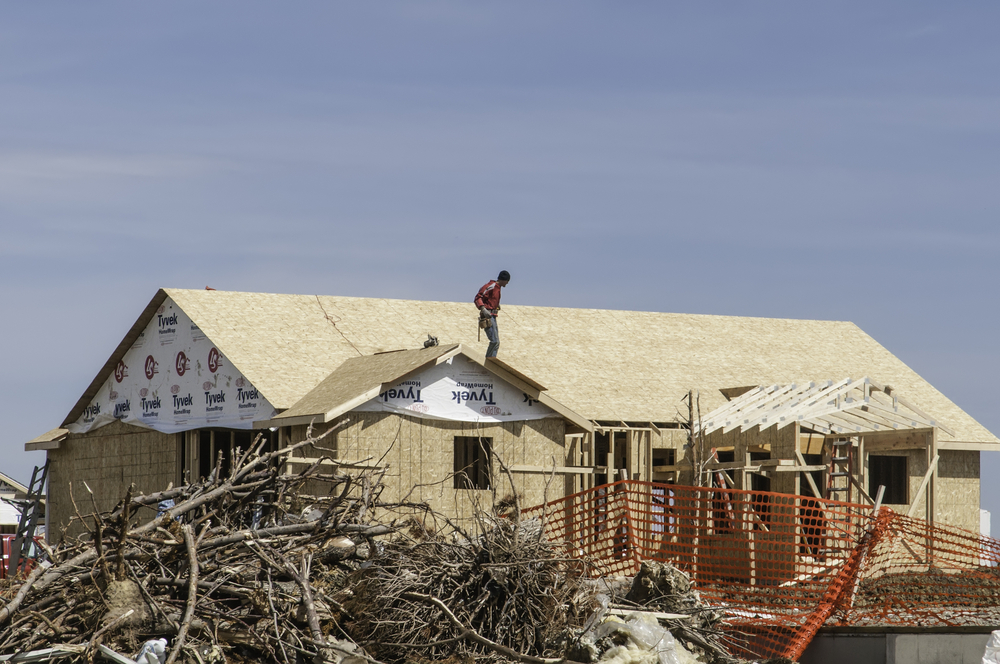
The changing geography becomes tangible when tornado tracks enter neighborhoods. An EF-0 tornado near Grayslake in June carried estimated winds of 80 mph through a narrow corridor in the Saddlebrook Farms subdivision, splitting or toppling trees and causing scattered minor roof damage. Other tornadoes that month were confirmed around Bartlett, Naperville, Lisle and Hickory Hills, placing rotating storms within the wider Chicago metropolitan region. A map of June tornadoes published by CBS Chicago shows tracks scattered across northern and central Illinois and neighboring Indiana rather than concentrated in remote open country.
More Warnings Are Reaching Residents
The number of tornadoes has forced forecasters to issue warnings at an exceptional pace. Through August 12, the five National Weather Service offices serving Illinois had issued 463 tornado-warning events, more than the 428 issued by all 19 offices based in Texas, Oklahoma, Kansas and Nebraska combined. Yet tornado fatalities remained remarkably low, which Gensini credited to Storm Prediction Center forecasts and watches and warnings from local National Weather Service offices. The June 11 outbreak, for example, produced numerous injuries but no reported deaths despite tornadoes reaching EF-3 intensity.
The Next Few Years Could Redraw The Risk Map

Scientists do not yet know whether the recent concentration of tornadoes in Illinois and neighboring states marks a durable new pattern or a particularly active cycle. Borchardt said it could represent a longer-term trend or a three-to-five-year period that eventually settles down, while Illinois’ 2026 count was already approaching the national state record set by Texas in 2015. If tornado-favorable environments continue appearing more often farther east, the practical boundaries of Tornado Alley will matter less than whether communities adapt their warnings, shelters and buildings to a risk they may once have regarded as belonging somewhere else.